Does #cannabis help sleep?
1. People feel like they sleep better
2. But their sleep quality gets worse
3. And over time, the felt-benefits fade and withdrawal problems kick in
From new review:
https://t.co/faJQlrEU4k
#psychiatry#mentalhealth#pmhnp#therapy
What's wrong with DSM-5's criteria for ADHD? New review finds:
▪ Vague symptoms
▪ Criteria that overlap with each other
▪ A lot that overlaps with normal
Learn more, including how use the structured interview and separate it from bipolar:
https://t.co/HQ7i5PpW3X
Most of what we know about benzo tapers is based on expert opinion, not clinical trials.
New review clarifies the evidence, including the role of meds, CBT, and tapering schedules, and the risks:
https://t.co/gD1aFJAzOK
FDA just approved Modius Spero for PTSD, 3rd at-home neuromodulation device approved in the past year.
Worn for 30 minutes a day, the device will be available through the VA system starting in July.
Learn how it works + how to become a device provider:
https://t.co/gp3HYrsRMa
The MoCA screens for dementia, but does it detect cognitive decline in highly educated people?
Here are two papers that tell us how to adjust the score:
https://t.co/FKPD8E2C6d
Olanzapine for anorexia nervosa?
The increase in weight doesn't reach significance in new meta-analysis, raising questions about the risk/benefit profile:
https://t.co/HWEwIJxdDT
#psychiatry#therapy#pmhnp
Guanfacine XR is approved for adult ADHD in Japan, and new data tells us:
Benefits build steady, with sedation and dizziness the main risks.
Cardiac risks improved with time:
▪ Hypotension/bradycardia (4.5%)
▪ Syncope (0.2%)
Full report:
https://t.co/YSE7GSwmeo
Dr. Carlat is on the No Prior Auth podcast with Lindsay Hill, PMHNP!
They cover the origins of Carlat Publishing's unbiased publications and the new AskCarlat AI tool.
https://t.co/uXuhLaSPgs
#Psychiatry#Psychopharmacology#MentalHealth#MedAI
Nearly half (43%) of children with ADHD also have obstructive sleep apnea.
Learn how to screen for it, and whether adenotonsillectomy or stimulants is the right treatment, from new meta-analysis:
https://t.co/OihgKiuEV8
What to do when a patient is taking one med from each class?
Here's some answers from my APA talk:
https://t.co/SmsTvIidAJ
Covered today in the NYT:
https://t.co/gKGjuXHVb0
(full quote was "meds are not the answer... to all life's problems", oh well)
📚 Memorial Day Book Sale — 15% Off Select Carlat Clinical Titles!
Update your clinical library with the most practical psychiatry references available:
⏰ Offer ends Tuesday, May 26 — shop now:
👉 https://t.co/5kSlBwYTjJ
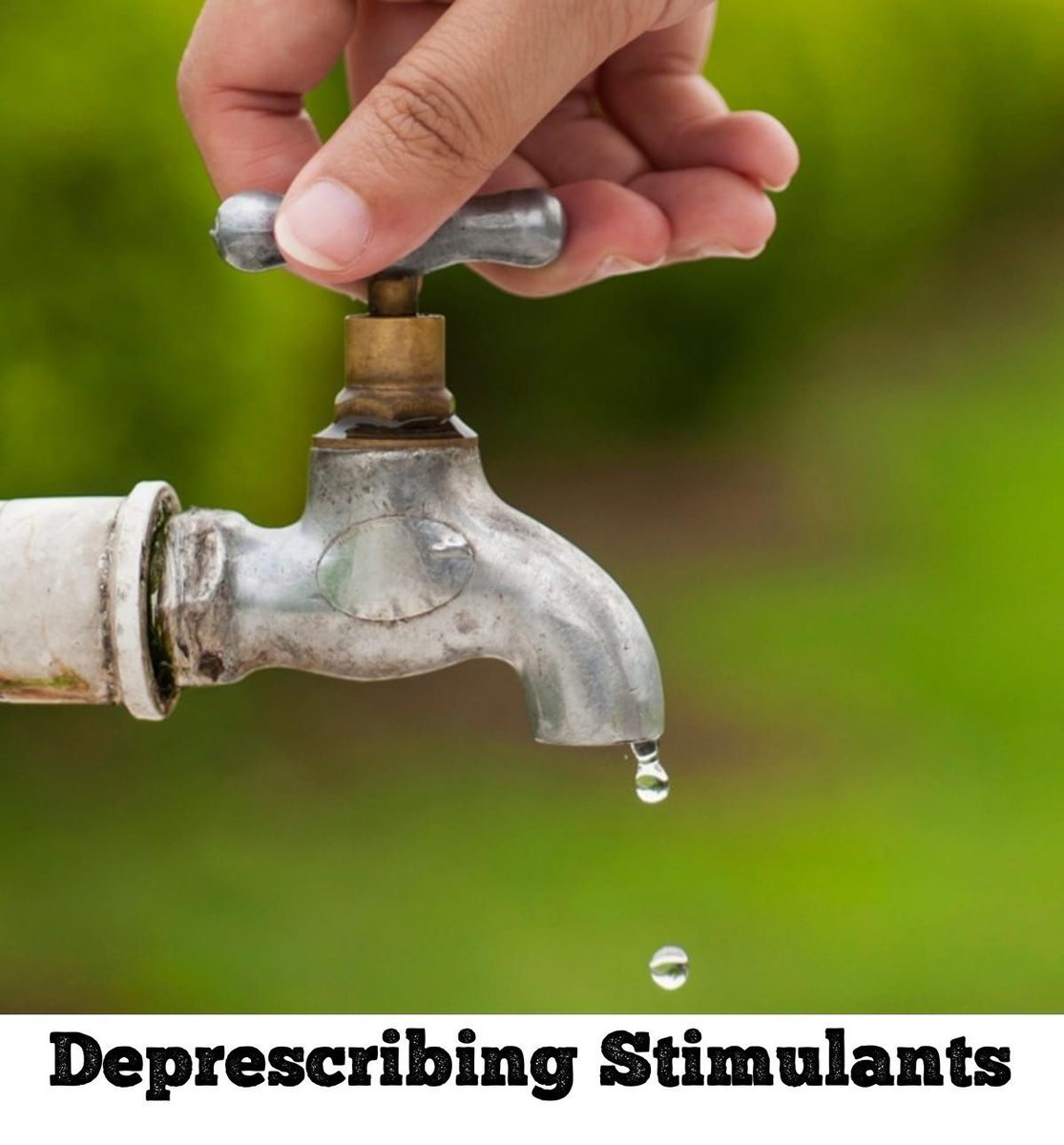
The first guidelines on deprescribing stimulants just came out, covering:
▪ When to consider deprescribing
▪ How to manage ADHD with cannabis use
And I've added more on
▪ How to taper
▪ Dose limits
https://t.co/LbLjYodIS1
A low dose of opioid-partial agonist buprenorphine sustained the anti-suicide effects of a single-ketamine dose in new one-month RCT.
Small study, blind somewhat intact.
But no, it's not a long-term replacement for ketamine. Read why:
https://t.co/v5mPgc4w39
The MIND once held hope to prevent dementia.
But failed in a large, randomized trial (RCT).
Now it returns with a positive RCT in a select group, for cognition in metabolic syndrome:
https://t.co/D3OjqY6IYo
How to use it:
https://t.co/4djO2ouOhW
𝐓𝐡𝐨𝐮𝐬𝐚𝐧𝐝𝐬 𝐨𝐟 𝐜𝐥𝐢𝐧𝐢𝐜𝐢𝐚𝐧𝐬 𝐚𝐫𝐞 𝐮𝐬𝐢𝐧𝐠 𝐭𝐡𝐞 𝐀𝐬𝐤𝐂𝐚𝐫𝐥𝐚𝐭 𝐀𝐈.
What will you ask?
→ get answers sourced exclusively from Carlat's peer-reviewed, editorially vetted content
→ follow links back to articles by human authors.
#Psychiatry
Yes, there are factual errors in this podcast, a lack of evidence, and N of 1.
But I recommend listening, to understand the hidden views many who see us have:
https://t.co/xPa4j8uz3g
Over 90% of people with Bipolar I have recurrent episodes, average rate of one every 2.5 years.
New ADHD studies:
RCT of clonidine in Asia:
https://t.co/PnZ343W3za
Daridorexant for insomnia/ADHD (uncontrolled):
https://t.co/bHHQ6eFRMd
Risk of psychosis on methylphenidate:
https://t.co/41ZLhG0m1X
More:
https://t.co/J2I3L6iJED
Smartphone before bed worsened sleep quality and reaction time, with higher odds (2.5x) at these levels:
▪ At least 60 min with lights on, or
▪ At least 30 min with lights off
In a new non-randomized study of college students:
https://t.co/Ba7GsyWgo1