One in five heart attack patients have a second one within five years. Know the signs of a heart attack and take these proactive steps to reduce your risk: https://t.co/IkLpE9ORom
A study in Sweden has found that rates of CPR performed by bystanders during out-of-hospital cardiac arrests have increased. This is largely due to the increased use of chest compression-only CPR, which is simpler for bystanders to perform. #biom4180
https://t.co/MbUjSeB396
It's never too late to start exercising! Exercising as you get older reduces risk of stroke and improves overall health. #biom4180
https://t.co/RCproGCiNf
New research shows that over half of patients who could benefit from cholesterol-lowering statins are not offered them by their physicians. Identifying these patients is important so they don't miss out on a chance to improve their heart health! #biom4180
https://t.co/8Iw3786k7y
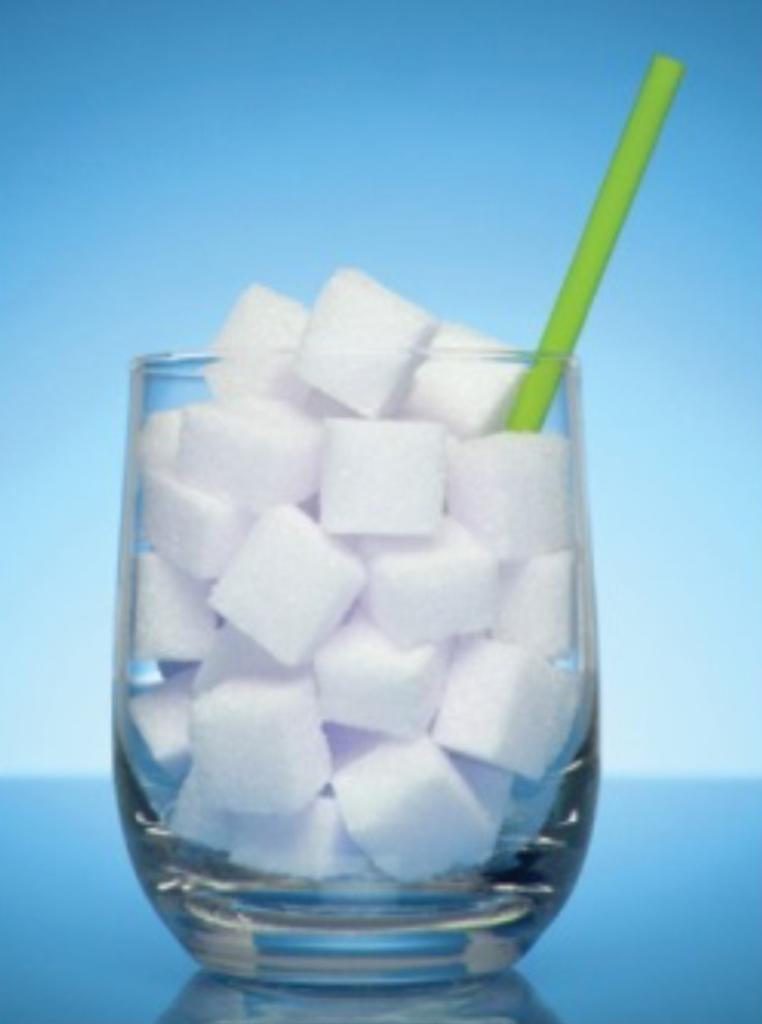
People living in the U.S. consume about 34 pounds of added sugar every year from consumption of sugary drinks. An estimated 40,000 people in the U.S. die from heart problems each year caused by consuming too many sugary drinks alone.
Coffee is a must on a Monday morning. But did you know a little pick-me-up may bring down your risk of stroke? Go ahead and pour a second cup. https://t.co/fQzfFb81rS
Mothers who breastfeed have a lowered risk of heart disease compared to mothers who don't breastfeed. With heart disease being the leading cause of death among women, more research on the cardioprotective effects of breastfeeding is needed. #biom4180
https://t.co/0eiAcLV8O2
In lecture next week we will be covering sex and gender. To get everyone thinking, here is an article about #UofG researchers who discovered why females may be more protected than males from heart disease! #biom4180 https://t.co/AB7iah71zd via @uofg@EurekAlert
Bempedoic acid is a new class of cholesterol-lowering medication being tested. Like statins, it inhibits a key enzyme involved in cholesterol synthesis. This could be an option for patients who are unable to tolerate statins due to side effects. #biom4180
https://t.co/ZzV8AITqbm
People infected with HIV are twice as likely to suffer from heart disease. These findings have important implications for developing cardiovascular preventative strategies, particularly in developing countries where HIV prevalence is high. #biom4180
https://t.co/YTovc0WNJk
New research found that individuals with increased CV risks (hypertension, diabetes, etc.) are correlated with greater brain atrophy, less grey matter, and poor white matter health with aging. #biom4180
https://t.co/72YLUJbwO9
This study found that high-intensity interval training provides significant benefits for cardiac rehabilitation patients. They lost more body fat and gained more lean muscle mass than those doing moderate-intensity exercise.
https://t.co/dlNS3Z53Vl
Many of us try to cut calories by choosing artificially sweetened beverages as our drink of choice. This study found that high consumption of these low calorie beverage increases risk of stroke and heart disease in women. #choosewater#BIOM4180
https://t.co/OP519mMuYP
With cold & flu season here, it's important to be aware of the medication you take! NSAIDs and decongestants are common in many cold & flu medications and increase blood pressure. Those with CVD or hypertension should be particularly cautious.#biom4180
https://t.co/HRyylWw9vJ
Stroke occurrence in younger populations is increasing, and rising marijuana and cocaine use could be a major factor. Although marijuana has been legalized, many young people are unaware of the adverse effects it could have on their heart health #biom4180
https://t.co/nZgUFUYCWW