It’s not that grain prices are bad, it’s the fact that everyone who the farmer relies on to grow the crop, keep it fed, and get it out of the field and then claim they are “for the farmer” is putting us out of business ….. I’m normally a pretty chill guy but for a vibrant industry we both need to make $!!! it can’t be a one way street!!!!
@speerman42 This is one of many reasons we only plant NexGen cotton on our farm. They are truly American owned and only sell cotton seed to Americans. We also have very good luck with NexGen and great company to work with.
A new study by @NationalCorn found:
-U.S. corn seed prices averaged 68% higher than Brazil’s
-Insecticide prices averaged 87% higher
-Some fungicides cost more than double what Brazilian farmers paid
-Many herbicide comparisons also approached double Brazilian price levels
For NCGA President Jed Bower, an Ohio farmer, the findings confirm concerns many growers have held for years: “It sure doesn’t look like we’re the low-cost producer anymore,” Bower says. “The study shows the American farmer is really paying for all the innovation and research for the rest of the world to take advantage of.”
https://t.co/YJsSw7oNVJ
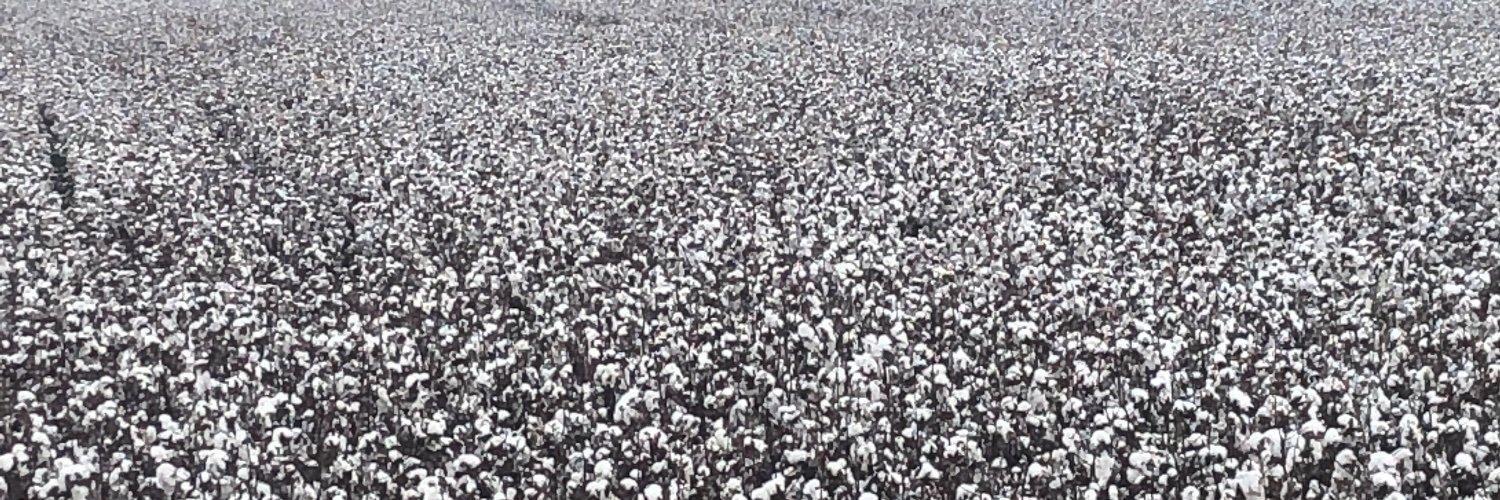
The facts don’t lie: American-grown cotton represents only 4 million of 20 million bales consumed in the U.S. each year.
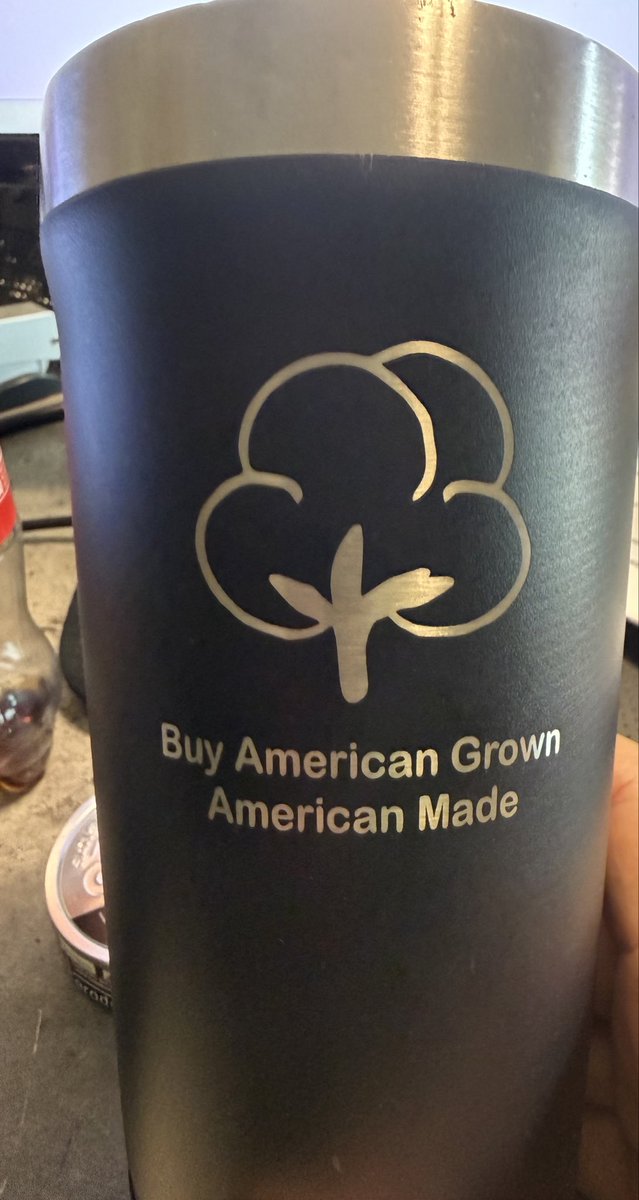
The Trump Administration and @SecRollins are doing right by our farmers and consumers by promoting American-grown cotton with the Great American Cotton Plan. It puts our farmers first, supports long-term sustainability for the industry, and provides the American people with safe, affordable, and natural fibers that we should be using.
Congress should immediately pass the Buying American Cotton Act to support U.S. farmers, rural communities, and American manufacturing.
E15 is a win-win-win: families save money at the pump, farmers get stronger demand for corn, America produces more of its own fuel, & we rely less on foreign oil. 💪⛽️🇺🇸🌽
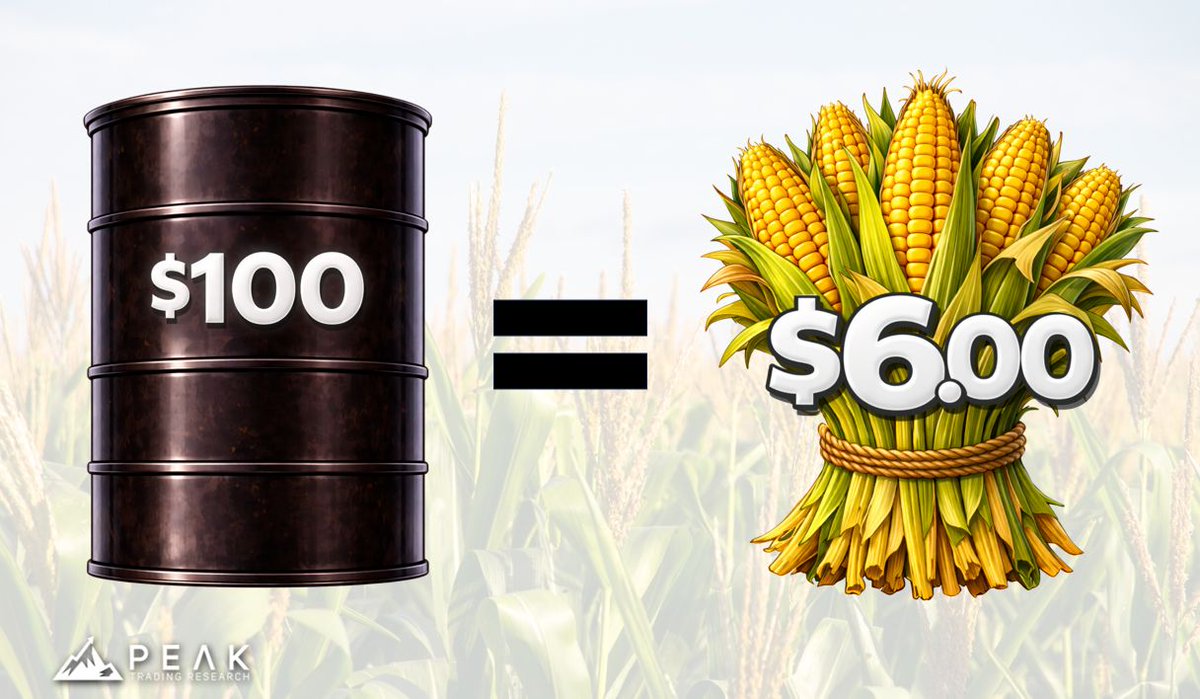
In the past 20 years, there have been 57 trading sessions when Crude Oil closed right near $100/bbl. 🛢️ On those days, Corn averaged $6.00/bu. Today: $4.67. That's a 22% discount. Last week, funds added a record +87k contracts of new Corn longs. They know this math. 🌽
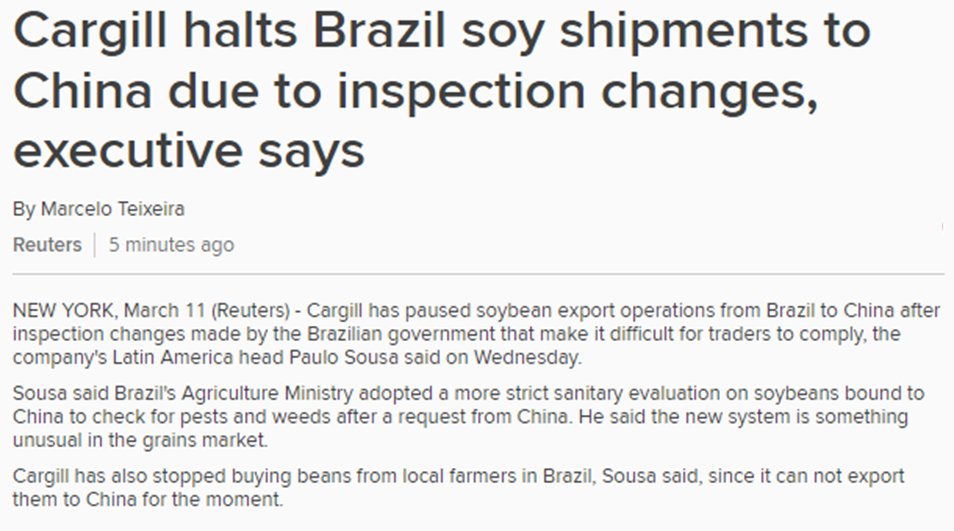
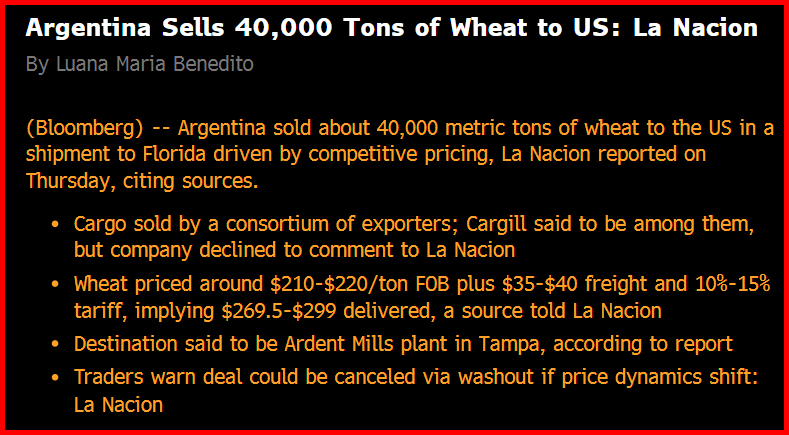
🇧🇷Cargill has paused soybean exports from Brazil to China due to the implementation of stricter sanitary inspections at the request of the Chinese government.
Please try to buy USA grown cotton. Cotton country is hurting right now. Losing infrastructure and growers at a high rate. Remember synthetic clothes are bad for you and the environment.
@realDonaldTrump and @SecRollins
The situation in the Middle East could not make a stronger case for more nitrogen fertilizer production in the U.S..
We are highly reliant on imports for our nitrogen needs. We can produce this here at home.
American farmers need help.
After 4 years of disastrous policies, American agriculture is hurting.
Two solutions:
1. Boost demand—globally AND here at home
2. Confront skyrocketing input costs head-on: probe market consolidation, price fixing, and global mercantile games
We won't back down! 🇺🇸
My Opinion:
CARGILL, TYSON, SMITHFIELD, and JBS dominate the slaughterhouse market. While Bayer, Corteva Agriscience, and BASF hold most of the agrichemical and seed market. These eight companies, so to speak, control the American food supply. Numerous concerns exist with this consolidation. Economic security, food security and, national security, are three I will address.
The economic risk with the consolidation and dominance of slaughterhouses, is multifaceted. First, their effect on raw and finished product costs. When domestic beef prices are higher then imported beef prices, they import more beef. This has the effect of driving the price paid to United States farmers and ranchers down. The lag in production drives up demand, which increases the cost to the consumer. When confronted with this type of manipulation of the market, the Department of Justice investigates. If charged with price fixing, they receive a fine. However, any fine they receive will only be a small percentage of profit gained during the investigation. Here, the United States taxpayer, consumers, and producers pay for the profits these companies keep.
Another issue, with the consolidation is the economic impact on communities when one company closes a facility. This reduces supply, increases demand, and removes revenue from the local communities. This revenue reduction is not much different then JBS and Smithfield, as foreign owned companies, distributing their profits outside the United States. Removal of these profits constricts the cash circulating in the United States economy thus affecting main street businesses.
Beyond the economic impact, is food security for the citizens of the United States. Domestic producers will find it necessary to reduce their herd size; thus, decreasing their financial liabilities to avoid insolvency. Either case, herd reduction or insolvency, the supply of meat becomes dependent on foreign sources. Such dependency is insecure and jeopardizes the flow of meat to the consumer.
The economic instability from consolidation and potential dependency on imported meat, poses a national security issue. These can affect the national debt as well as destabilized social structures. Furthermore, dependency on another country for meat provides leverage to influence and manipulate United States policy initiatives. Examining the comments for proposed regulations shows the application already of this foreign leverage.
Who is to blame? On one side you have elected officials wanting to stay in office accepting campaign disbursements from these organizations, or through PACs acting as their surrogates, are culpable. This is not saying there is nefarious activity or quid-pro-quo. Rather, retention of their office costs money, and these organizations are willingly supplying that money. Bureaucrats also play a role in this problem. They accept and use research to justify policy decisions. Research often funded by organizations affiliated with these organizations.
The voter is ultimately responsible in failing to hold elected officials accountable. So, it is imperative to be involved. We need to apply pressure to those currently holding office and promote candidates willing to tackle this issue.
As an aside, this is another reason for term limits.
Next up, an opinion on agrichemical and seed market.
Tennessee farmer Franklin Carmack is haunted by concerns that he could lose the family farm.
Carmack, a fifth-generation farmer, has been forced to take on work outside his fields — selling T-shirts, driving trucks and repairing boats — to try and ease his financial burden. It's affected his health, Carmack said, and he now takes four blood pressure pills a day. He thinks about the issue when he goes to bed at night. https://t.co/S9LySe4kSQ