My first on-line publication! My article on print culture and World War I commemorations was just published in the Journal of Modern Periodical Studies. It is available in JSTOR or I'd be glad to share it with anyone.
7) Grief-stricken people wanted an outlet to express their feelings and stone crosses, bronze statues, and other artistic memorials fulfilled that important function. These memorials became important sites for the bereaved as they struggled with their losses. #LegaciesFWW2019
@artefactual_KW You pose an interesting question about reactions to memorials. From what I have read it seems that memorials were important even if a body was buried in a cemetery. Travelling to cemeteries was not easy.
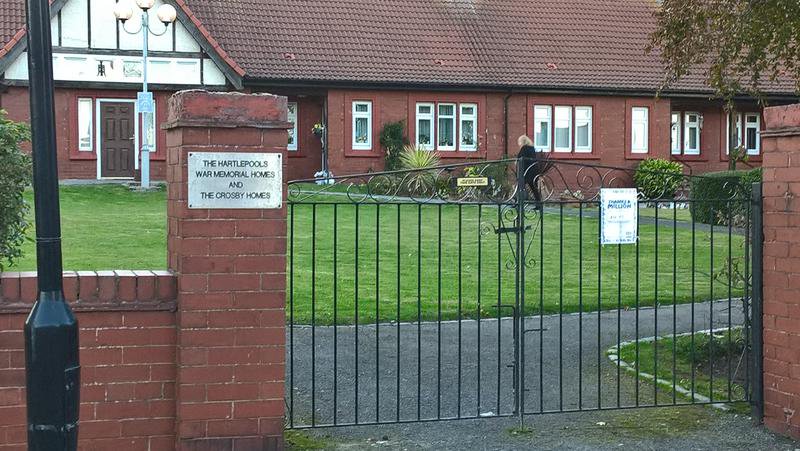
@acmckenz Thanks for your interesting paper, too! There are still memorial village halls and parks around today. It is interesting that land was given to the National Trust, as a form of commemoration, after World War II.
14) After years of hardship and sacrifice, people hoped to build a new and better post-war Britain. These comments reflect the belief that commemoration could be used to further that goal and enhance the everyday lives of those who survived the war. #LegaciesFWW2019
13) A significant number of participants in a 1944 Mass Observation survey hoped that memorials wouldn’t take the form of “useless monuments.” Homes, parks, playing fields, and hospitals were repeatedly mentioned as ideal memorials for this war. #LegaciesFWW2019
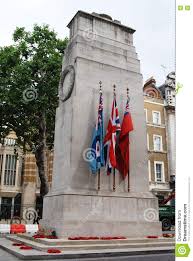
12) Another serviceman urged the public to forego “ugly expensive concrete pillars” in favor of parks. It would be better for the spirits of the bereaved to sit in nature instead of visiting the Cenotaph. The latter was a gloomy reminder of the horrors of war. #LegaciesFWW2019
11) Referencing the plight of disabled veterans after the last war, he called for the government to provide better pensions, medical care, and training for them. In this way it could aid in their rehabilitation and reintegration into post-war society. #LegaciesFWW2019
10) One serviceman wrote in 1944 “Let the living be the shrine of the passed.” He believed that the best way to pay tribute to the men who died in this war was to provide for those who survived it. He spoke specifically about aid for disabled veterans. #LegaciesFWW2019
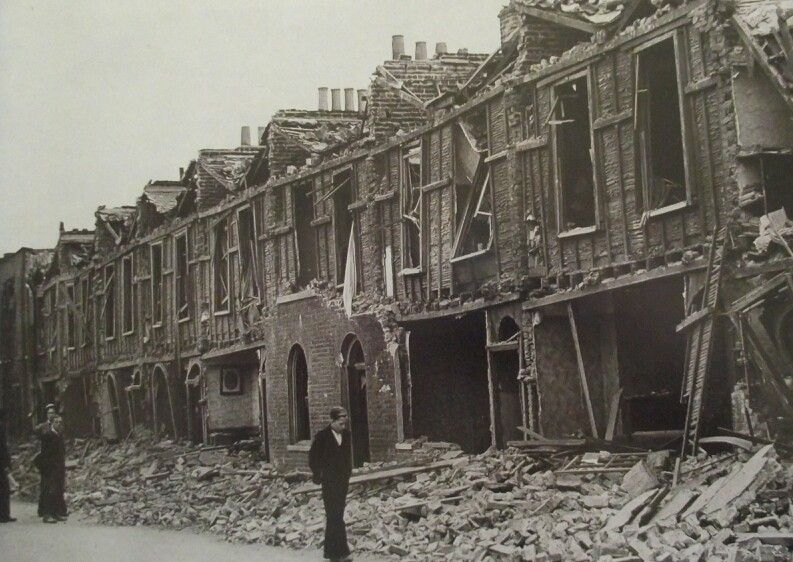
9) There was a groundswell of support for combining commemoration with social reconstruction during the Second World War. For example, members of the Royal Society of Arts overwhelmingly supported this course of action at their 1944 conference on war memorials. #LegaciesFWW2019
8) With his practical approach to commemoration, Lethaby was out of step with the mood of the people after this devastating war. However, I argue, he played a key role in framing the debate about commemoration and that is an important legacy. #LegaciesFWW2019
6) However, Lethaby anticipated opposition to his suggestion and he was right. Some people argued that such memorials were too mundane to mark the sacrifices of the Fallen. Others felt that they failed to do what a memorial should do—stir people’s emotions. #LegaciesFWW2019
5) This approach to commemoration found support among people who hoped to bring about positive social reform in the aftermath of this devastating event. Some communities decided to build memorial village halls, gardens, hospitals, and homes for veterans. #LegaciesFWW2019
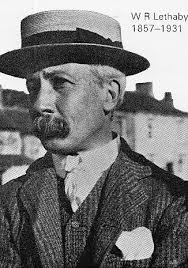
4) Lethaby, a leader of the British Arts and Crafts Movement, wanted to twine commemoration with social reconstruction. This proposal reflected the movement’s goal of combining beauty and utility in the built environment to enhance people’s everyday lives. #LegaciesFWW2019
3) People, Lethaby argued, forgot about memorials after they were unveiled. If they built memorial homes, hospitals, village halls, or other civic amenities they would both honor the dead and serve the needs of the living, including returning veterans. #LegaciesFWW2019
2) In “Service or Sacrifice? Memorials of the Fallen” (1919), William Lethaby wrote that the nation could offer pure sacrifice in the form of memorials or embark on the path of service, by which he meant engaging in productive work. #LegaciesFWW2019