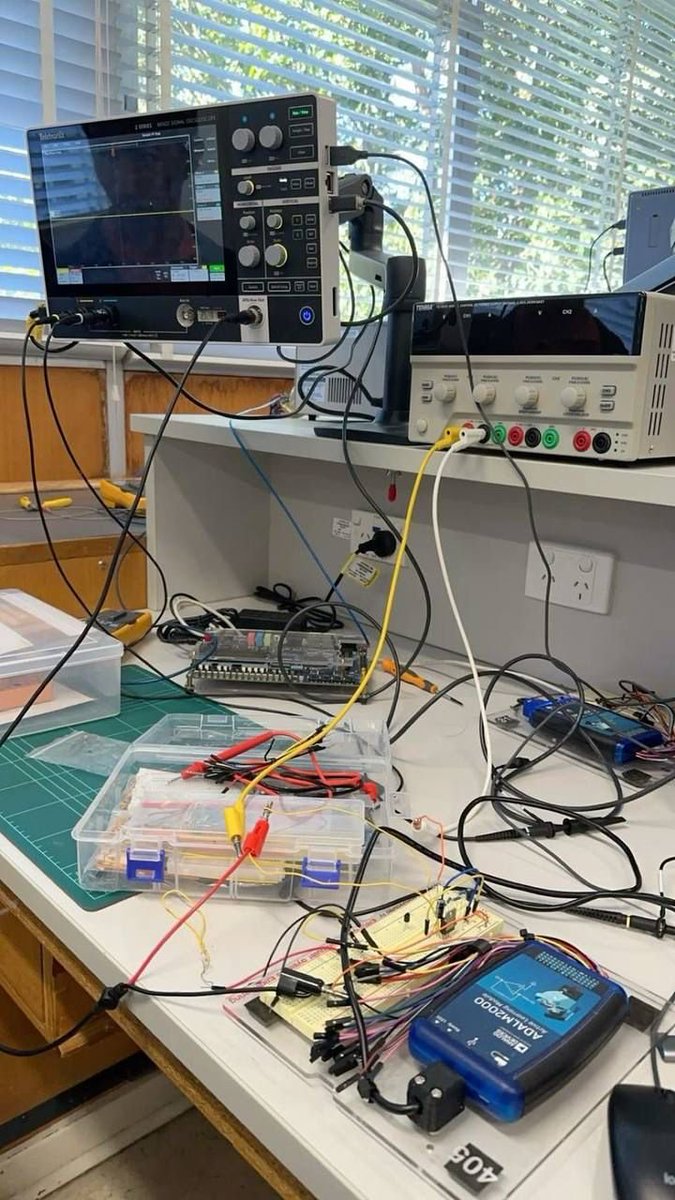
@IliaLarchenko@FlexivRobotics@ieeeiros Would a system to manage runs and evidence be helpful for this problem? It can enhance the efficiency of finding errors.
The modern day shift to hardware brings countless opportunities. A software to bridge the gap between the hardware and software world. There is no undo button within hardware. How do you know what changes when a robot breaks? Is this the holy grail for AI?
No doubt on provenance, 3 important additions:
-the robots setup, how did we get to this hardware?
-Comparison, what changed between a success run and a failed run.
-Testing changes before they were deployed.
One aspect of @axisrobotics that deserves more attention is data provenance.
For Physical AI, collecting massive amounts of robot data isn’t enough.
The real value comes from understanding the context behind each trajectory:
• How was the task performed?
• Did it actually succeed?
• Where did the data come from?
• What happened to it before entering the training pipeline?
As data collection scales through the community, having a clear and verifiable history becomes increasingly important.
Axis connects contributions with on-chain provenance, adding a layer of transparency and traceability to robot data.
That could lead to better datasets for training and evaluation, while making results easier to understand and reproduce.
The future of Physical AI won’t be defined by how much data we collect, but by how well we understand and trust the data behind it.
https://t.co/N39yxNvpb1