Another education reform. But where are the results?
Oregon continues to rank near the bottom nationally in reading and math, despite decades of new programs, policies, and promises.
A new OPB report reveals a troubling cycle of shifting priorities, confusing mandates, and little meaningful improvement in student achievement.
Oregon students don't need another round of bureaucracy. They need results.
It's time to put student success, accountability, and educational opportunity first.
https://t.co/lvPuOx96Cc
@OPB
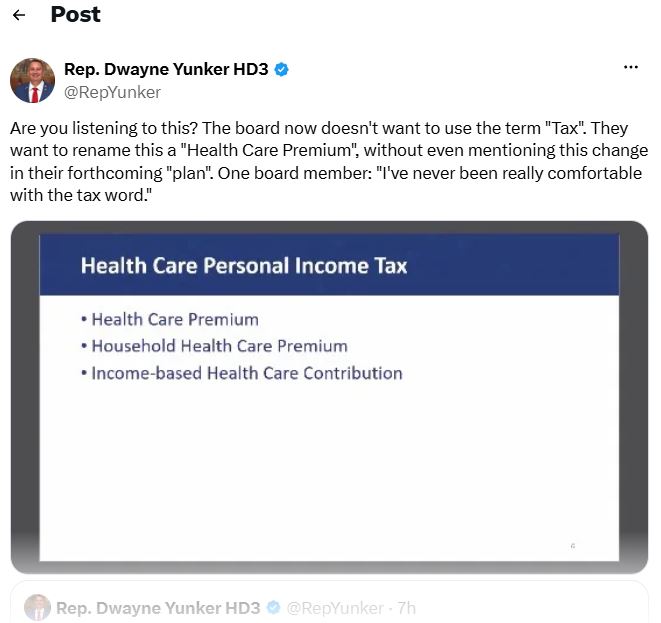
A new name. Same tax burden?
Oregon's proposed government-run healthcare system is raising serious questions about affordability, transparency, and accountability.
Rep. Dwayne Yunker warns the plan could cost $94 billion annually by 2032, while a proposed healthcare income tax has been renamed a “Household Healthcare Contribution.”
Changing the name doesn't change the cost.
Oregonians deserve transparency, real healthcare choices, and answers before being asked to pay more.
https://t.co/9Mjcs3XNei
@oregoncatalyst
How much more can Oregon taxpayers afford?
As living costs continue to climb, Oregon faces growing scrutiny over taxes, government spending, and whether taxpayers are getting results for their money.
The debate isn't just about how much revenue the state collects. It's about where that money goes, how effectively it's spent, and why additional taxes remain part of the conversation.
Oregonians are demanding answers.
https://t.co/GYQ5lXkouK
@oregoncatalyst
Who pays? Who decides? Who controls your healthcare?
Oregon's proposed single-payer system could mean massive new taxes, the loss of most private insurance, and unprecedented government control over healthcare.
Supporters promise lower costs. But who's paying the bill?
Oregonians deserve real numbers, real answers, and a clear understanding of what they'll be giving up.
https://t.co/oIVwXeDt46
Oregon spends more per student than 31 other states. So why are our students still struggling to read?
A new OPB investigation exposes a troubling pattern: layers of bureaucracy, political pressures, and shifting priorities while student achievement continues to lag.
More spending and more mandates haven't delivered the results Oregon families deserve.
It's time to put students first—not politics, paperwork, or special interests.
https://t.co/RplJphaNnj
@OPB
Oregonians want better roads. But is another gas tax the answer?
As La Grande voters consider a new gas tax, questions about ODOT's budget shortfalls and transportation spending priorities remain.
Cascade has long called for responsible spending and greater accountability.
The difference in La Grande? Voters get a direct say.
Read more from @OPB@lagrandelife
https://t.co/VV5azVgXYL
From Cascade's founding to building a national powerhouse!
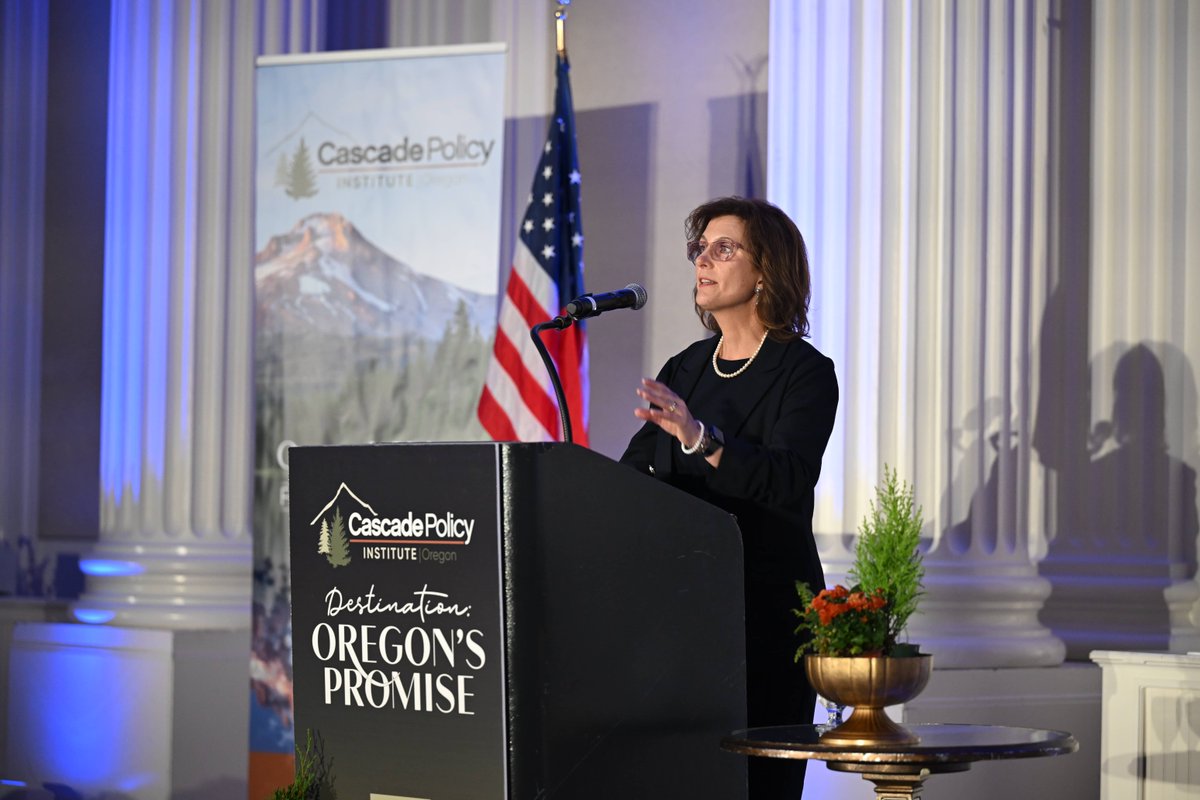
Tracie Sharp helped launch Cascade Policy Institute in 1991 as its founding executive director before transforming State Policy Network into a nationally influential network of state-based policy organizations.
A remarkable legacy of leadership and impact! We were honored to welcome Tracie back to Portland as a featured speaker at Cascade's 35th Anniversary Dinner, celebrating the ideas and vision that continue to shape the future of public policy.
@StatePolicy
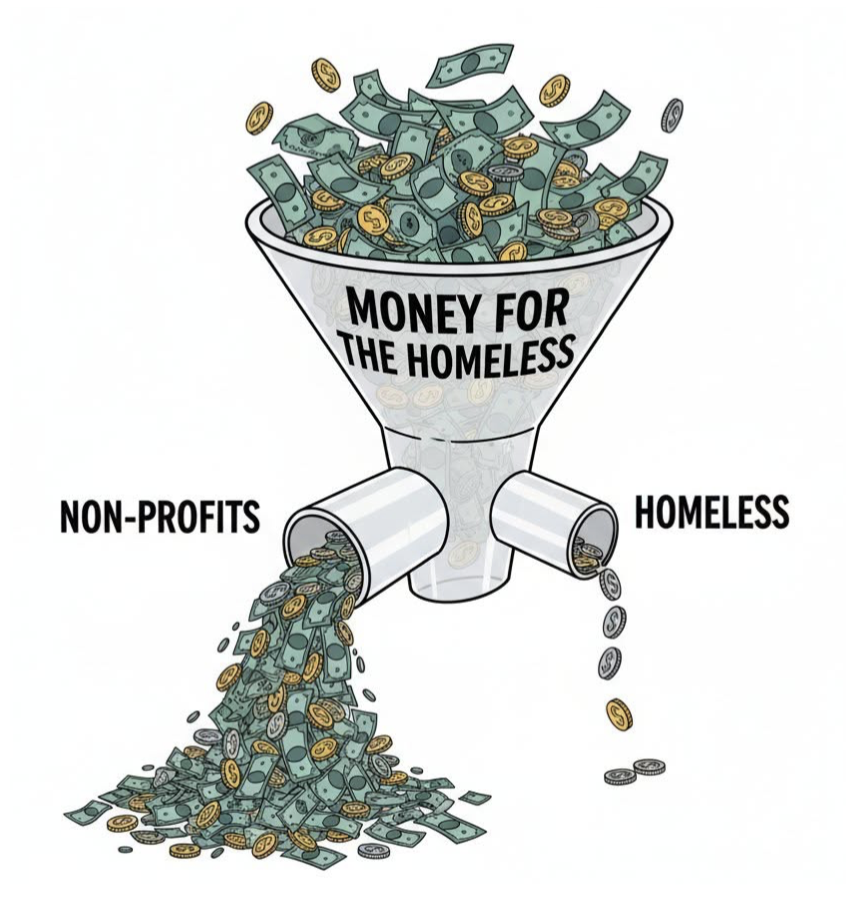
Millions spent. But how much is reaching the people who need help?
Oregon continues to pour public dollars into homelessness programs, yet serious questions remain about accountability, results, and whether resources are reaching those most in need.
At Cascade, we believe success should be measured by outcomes—not the size of the budget.
More spending isn't the same as more solutions.
Oregonians deserve to know: Where is the money going, and what results are we getting?
Ideas matter. But results matter more.
Cascade helped turn education reform into action by advancing Oregon’s landmark 1999 charter-school law—opening the door to more choices, more opportunity, and new possibilities for Oregon families.
That’s what 35 years of ideas in action looks like.
Keep helping make change happen by donating today: https://t.co/a1WAWGVn1k
The next 35 years start right here.
At Cascade's 35th anniversary celebration, The Wall Street Journal columnist Kimberley Strassel delivered a compelling reminder that meaningful change often begins at the local level, with people who care enough to get involved.
Joined by Cascade President and CEO John Charles and Board Chairman Bill Conerly, Kimberley helped us celebrate more than a milestone. It was an evening about the ideas, people, and determination that have shaped Cascade's first 35 years and will carry us into the next.
35 years of advancing liberty in Oregon. Here's to what comes next.
@KimStrassel@WSJ
Oregon roots. National perspective. And no shortage of opinions.
The Wall Street Journal's Kimberley Strassel returned to her home state to deliver the keynote at Cascade's 35th anniversary dinner, bringing sharp observations, personal stories, and plenty of humor along the way.
Her message was a timely reminder that the decisions shaping our communities are too important to leave to someone else.
Thanks for coming home, Kimberley. You gave us plenty to talk about!
@KimStrassel@WSJ
🚨 PUBLIC MEETING TODAY: OREGON’S UNIVERSAL HEALTH PLAN
Oregon’s Universal Health Plan Governance Board is holding a special virtual meeting today, Thursday, October 8, at 8:00 a.m.
Before Oregon commits to a massive new health-care system, taxpayers deserve to see the complete plan and understand exactly what it could cost.
@RepYunker
https://t.co/IcK9EJlMDQ
10.1%. 9.6%. These numbers deserve public scrutiny.
Oregon’s Universal Health Plan Governance Board has modeled a new health-care financing system that includes:
• 10.1% healthcare income tax
• 9.6% employer payroll tax
The question Oregonians should be asking is simple:
What would this mean for your paycheck, your employer, and the cost of doing business in Oregon?
The state is developing the plan now, with lawmakers expected to consider the proposal in 2027.
Oregonians deserve to see the numbers, the assumptions, and the full plan before decisions are made.
https://t.co/TsQ9oEl4li
@PDXReal1
Oregon’s housing crisis won’t fix itself.
Families want homes. But when Oregon limits where single-family homes can be built, supply can’t keep up with demand—and prices climb.
If we want homeownership to be within reach for more Oregonians, we need to make room for more homes where people want to live.
More homes. More choices. More opportunity to own.
Oregon needs more housing. So why do we keep making it harder to build?
A new Mercatus Center analysis highlights how states are removing regulatory barriers to increase housing supply and affordability.
Cascade believes Oregon should do the same: cut unnecessary regulations, protect property rights, and let builders build.
More homes. More choices. More opportunity.
https://t.co/PSy4BydNoe
@mercatus
Oregon ranks #51 in the nation for education freedom.
That’s the bottom of the list.
The Heritage Foundation’s latest Education Freedom Report Card ranks states on education choice, teacher freedom, transparency, return on investment, and civic education. Oregon comes in 51st overall, including 47th for education choice and 50th for teacher freedom.
At Cascade, we believe Oregon families deserve more options—not fewer. Parents should have the freedom to choose the education that works best for their children.
Oregon can do better.
https://t.co/4YXF9mn9qh
@Heritage
For 35 years, Cascade Policy Institute has helped shape the conversation about Oregon’s future, putting independent research and practical solutions in the hands of Oregonians, policymakers, and the media.
Oregon needs more electricity—and we need reliable sources that can deliver it.
Mazama Energy has secured more than $135 million to advance superhot geothermal development at Newberry Volcano, potentially bringing continuous, dependable power to the grid.
Instead of mandates picking energy winners and losers, Oregon should welcome private investment, competition, and technologies that can prove they deliver reliable, affordable power.
Let innovation compete. https://t.co/e2u5JqIRZz
Thursday will be a milestone evening in Cascade Policy Institute’s history as we celebrate 35 years of independent research and practical ideas for Oregon. At Portland’s Sentinel Hotel, we’ll mark the occasion with an anniversary dinner featuring keynote speaker Kimberley Strassel, an Oregon native, bestselling author, and Wall Street Journal columnist.