Retirement isn't just a number. It's the life you design after decades of building your business. Plan the lifestyle first, then the finances. #RetirementLifestyle
Business growth doesn't automatically mean retirement readiness. Tax strategy, succession planning, and risk protection matter just as much. Plan early. #BusinessSuccession
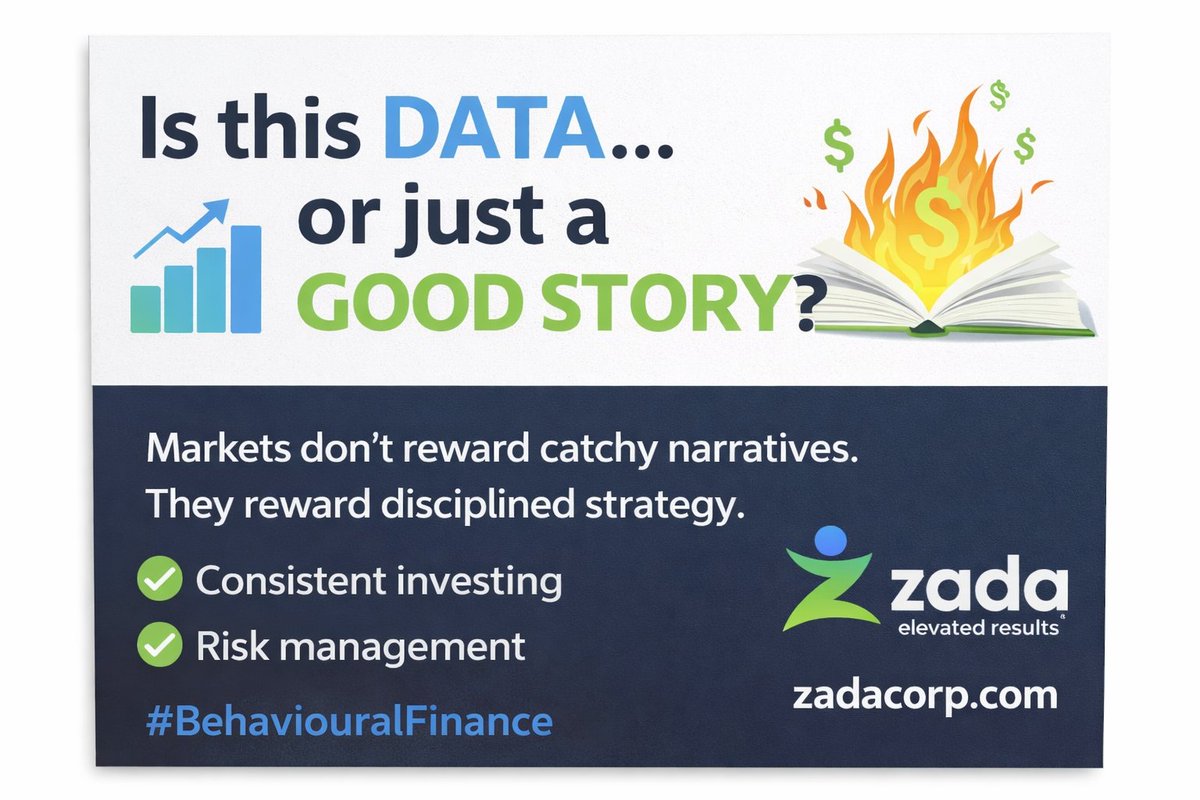
We love clean money stories.
“This stock is the future.”
“Real estate always wins.”
“They got rich because they were smarter.”
That’s narrative fallacy.
Markets reward discipline — not compelling stories.
Structure > hype.
Data > drama.
#Investing#BehaviouralFinance
Gambler’s fallacy doesn’t just hurt gamblers.
It hurts investors who think a rebound is “due.”
It hurts savers who think they’ll “make it up later.”
Markets don’t owe you.
Probability doesn’t keep score.
Consistency > streak logic.
Boring compounds.
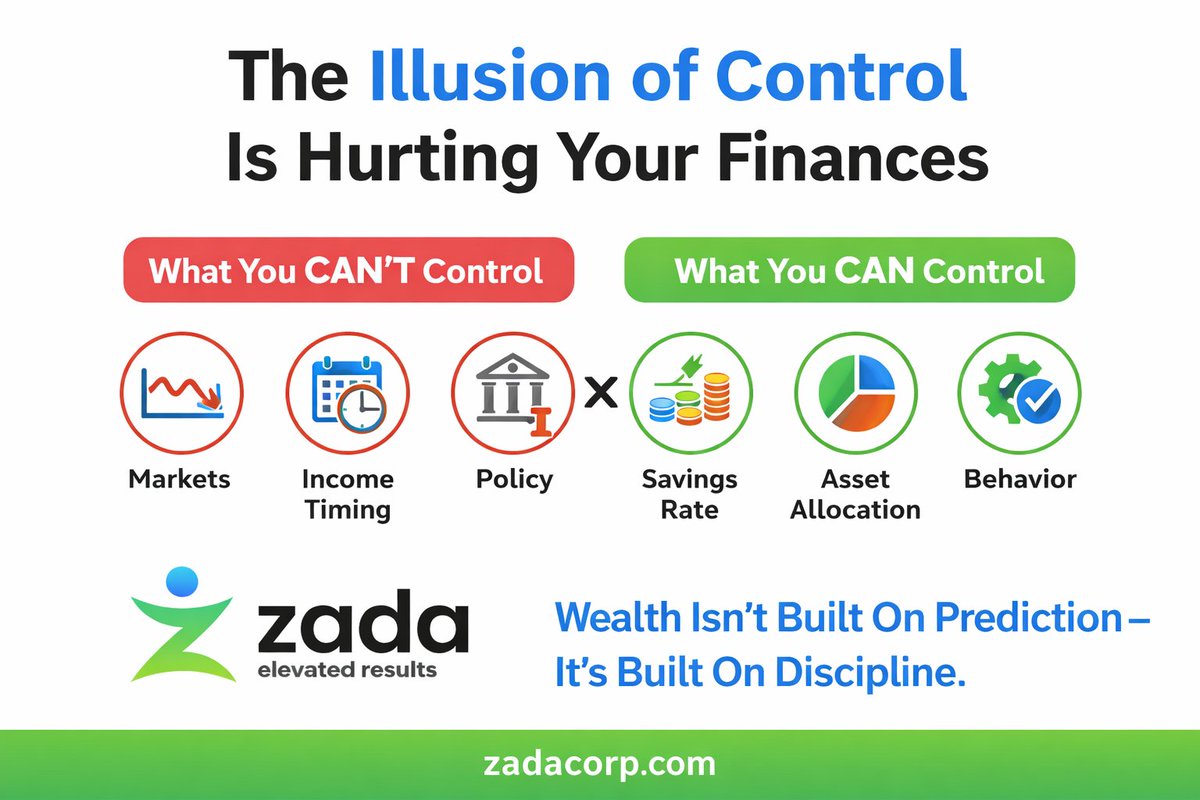
The illusion of control is expensive. You can’t control markets, timing, or policy.
You can control:
• Your savings rate
• Your asset allocation
• Your risk exposure
• Your behaviour
Wealth isn’t built on prediction.
It’s built on discipline.
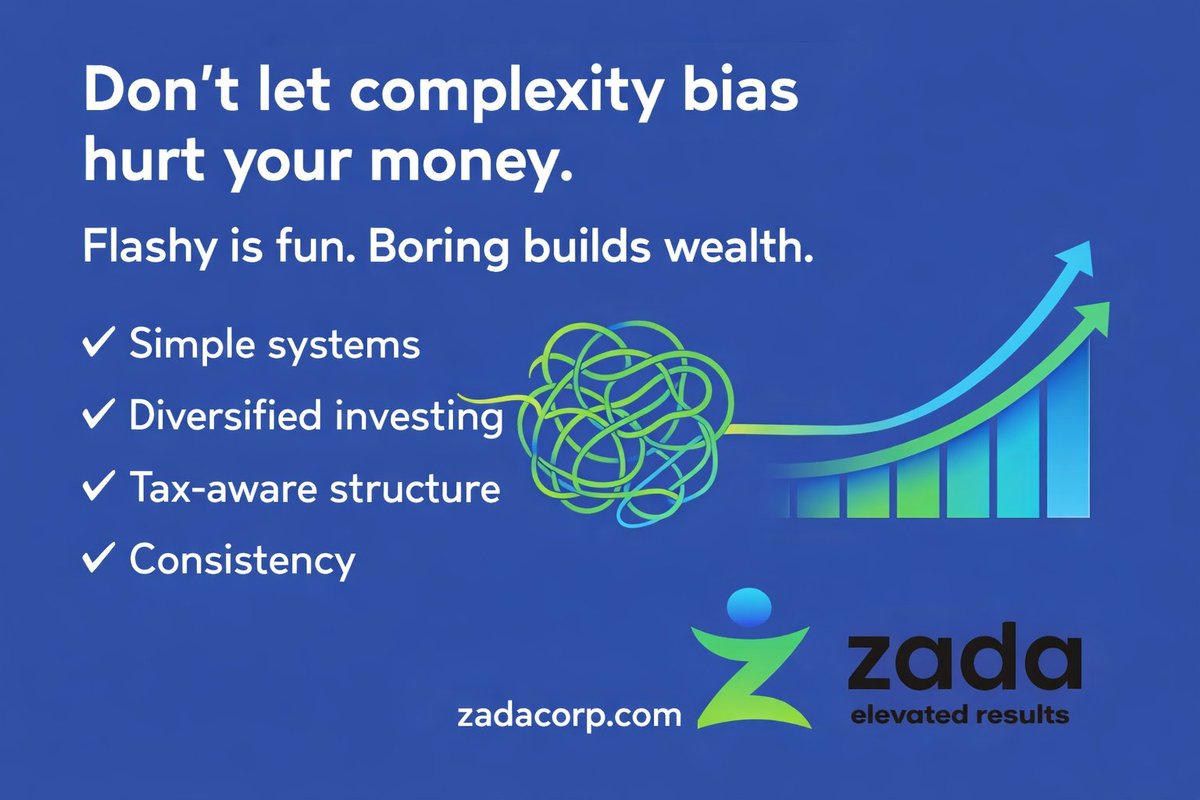
Complexity bias is expensive.
We assume complicated = smarter.
In money, simple usually wins.
Clear cash flow.
Diversified investing.
Tax-aware structure.
Consistency.
If it feels impressive but unclear, it’s probably not helping.
Flashy is fun.
Boring builds wealth.
Most Canadians don’t realize the Income Tax Act now offers 3 tax-advantaged ways to save for a home down payment 🇨🇦🏡
➡️ FHSA
➡️ RRSP Home Buyers’ Plan
➡️ TFSA
Combined strategically, individuals could potentially access $110K+ tax-efficiently ($220K+ for couples).
#FHSA
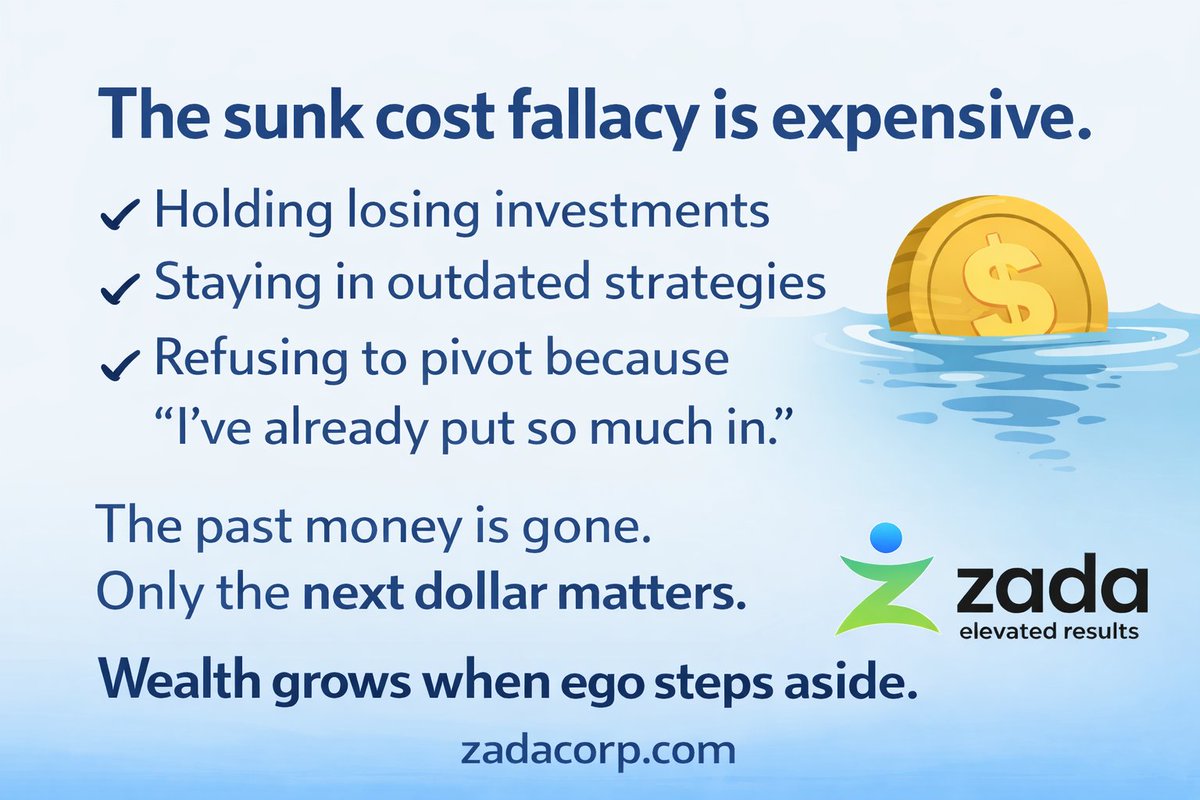
The sunk cost fallacy is expensive.
Holding losing investments.
Staying in outdated strategies.
Refusing to pivot because “I’ve already put so much in.”
The past money is gone.
The only question that matters:
What should the next dollar do?
Wealth grows when ego steps aside.
The sunk cost fallacy is expensive.
Holding losing investments.
Staying in outdated strategies.
Refusing to pivot because “I’ve already put so much in.”
The past money is gone.
The only question that matters:
What should the next dollar do?
Wealth grows when ego steps aside.
One of the biggest mistakes people make with disability insurance is not understanding the difference between “own occupation” and “any occupation” coverage.
Learn more here: https://t.co/BVaNApM6p8
Jeff Karanjam is hosting an unveiling event showcasing his latest sculptural works, and the craftsmanship is incredible.
If you appreciate fine art, sculpture, design, or supporting talented local creators in Vancouver, BC, h chec this out:
https://t.co/JZjko1yeqi
#Art
Your finances might not be “wrong.” They might be anchored.
Anchoring bias = clinging to the first number you saw:
• “I’ll save 10%.”
• “I’ll sell when it gets back to what I paid.”
• “5% is amazing.”
Markets change. Life changes.
Ask: What number makes sense now?
Your finances might not be “wrong.” They might be anchored.
Anchoring bias = clinging to the first number you saw:
• “I’ll save 10%.”
• “I’ll sell when it gets back to what I paid.”
• “5% is amazing.”
Markets change. Life changes.
Ask: What number makes sense now?
Success isn’t strategy—it’s emotional control.
Most money mistakes come from panic, avoidance, or impulse—not lack of knowledge.
Train it:
• Pause
• Name the emotion
• Automate decisions
Manage yourself → better outcomes.
#PersonalFinance#Mindset
Most people don’t have a money problem—they have a systems problem.
Delegate. Automate. Monitor. Review.
If your finances depend on you “finding time,” it’s a bottleneck.
Build a system that runs without you.
#PersonalFinance#WealthBuilding#FinancialFreedom
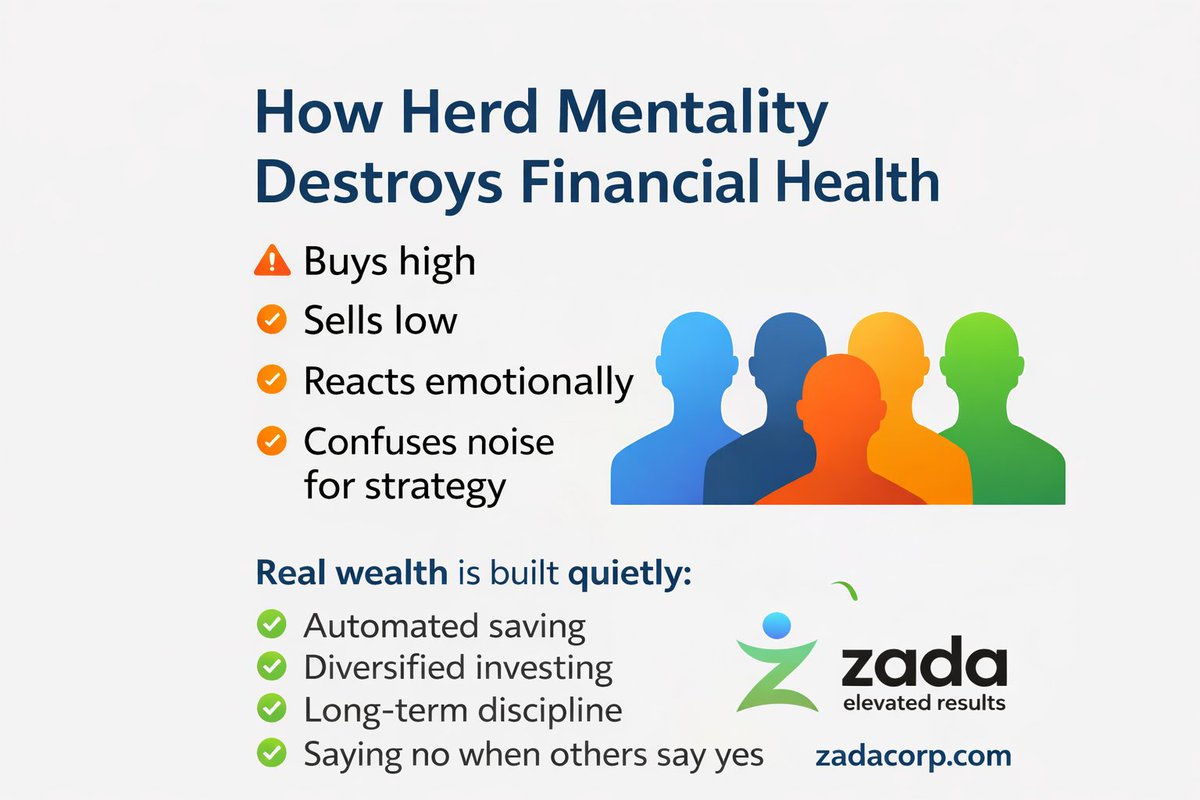
Herd mentality is expensive.
When everyone is buying, it feels safe.
When everyone is upgrading, it feels normal.
When everyone is panicking, it feels logical.
Before your next money move, ask:
Strategy… or social validation?
#Investing#MoneyMindset#WealthBuilding
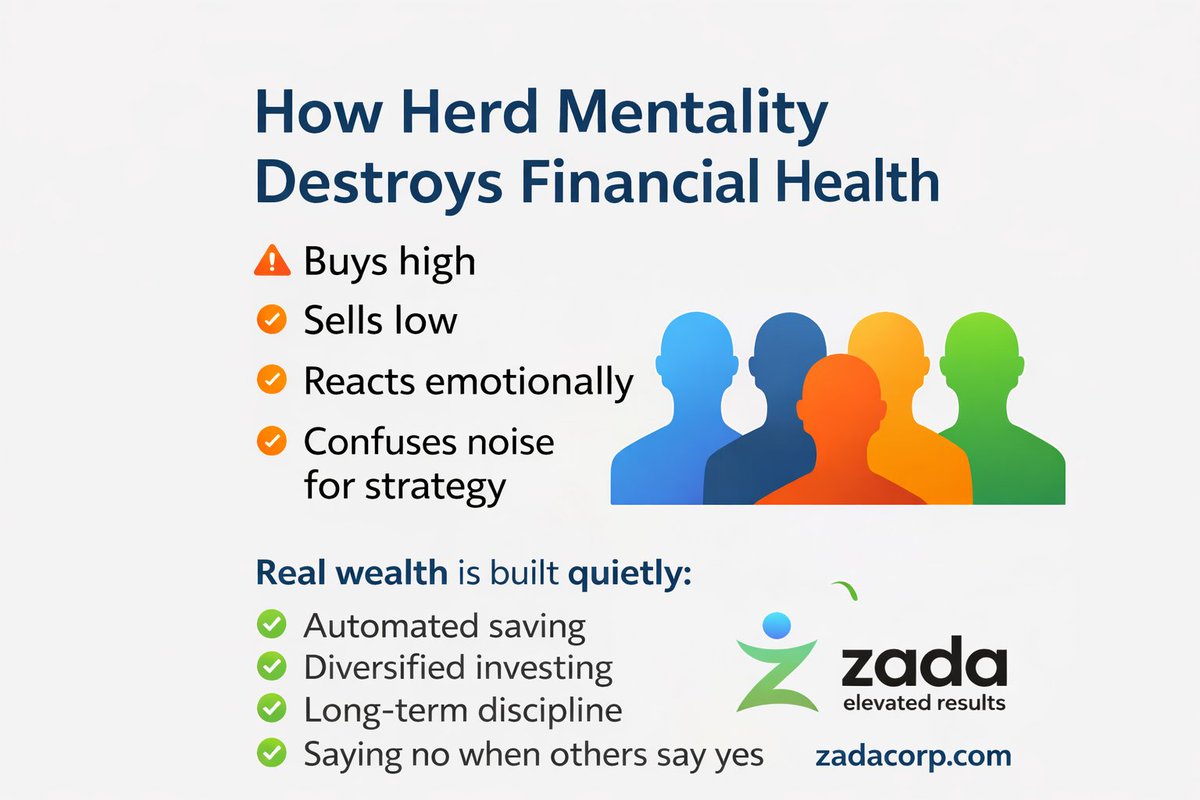
Herd mentality is expensive.
When everyone is buying, it feels safe.
When everyone is upgrading, it feels normal.
When everyone is panicking, it feels logical.
But the crowd usually buys high and sells low.
Before your next money move, ask:
Strategy… or social validation?
“I don’t have time” is one of the most expensive beliefs you can have.
It’s not a time problem—it’s a priority decision.
When your finances aren’t clear, it shows up as stress, hesitation, and missed opportunities.
Financial clarity isn’t a task. It’s a foundation.
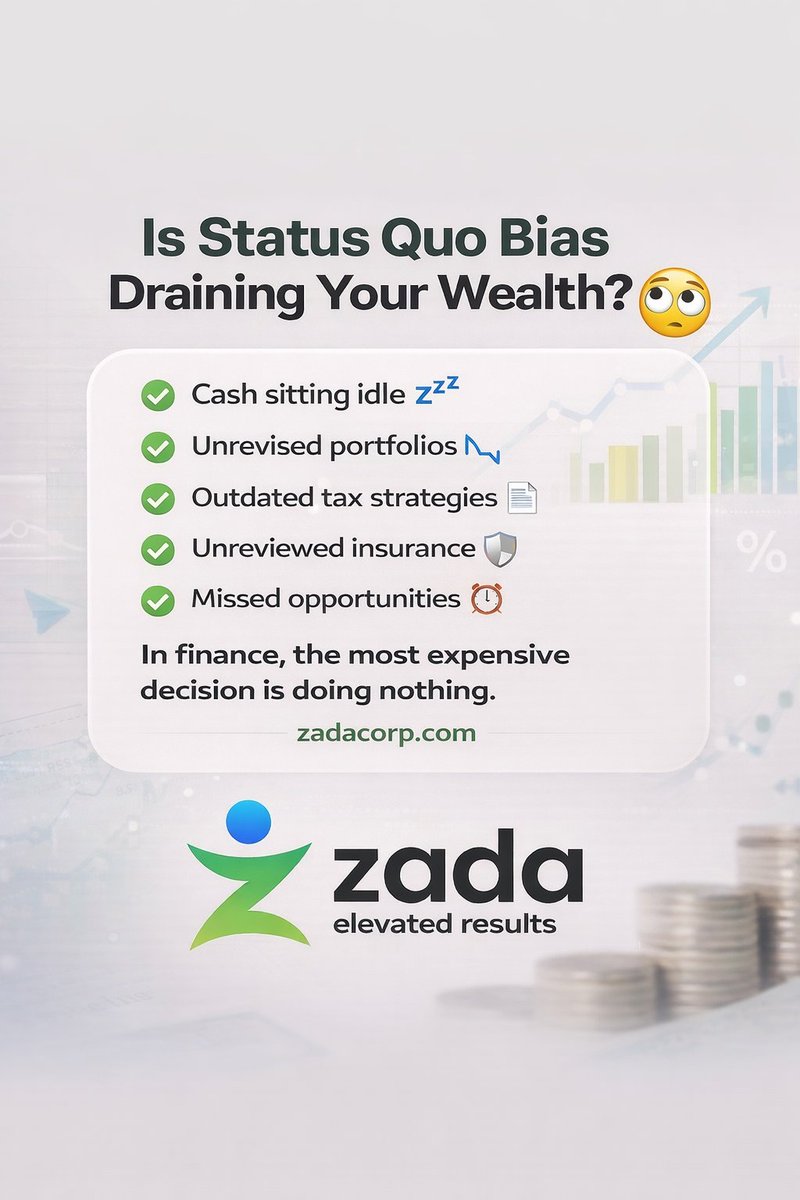
Status quo bias is quietly draining your wealth.
It’s why cash sits idle, portfolios go unrevised, and tax strategies stay outdated.
Doing nothing feels safe.
But in finance, inaction compounds too.
Comfort preserves. Strategy builds.
#Investing#BehaviouralFinance