If passed, it may:
→ give crypto startups clearer compliance paths
→ encourage more institutional participation
→ keep innovation in the US instead of pushing it offshore
→ reduce regulatory confusion between the SEC and CFTC
Whether you’re bullish on crypto or skeptical of it, this is a major moment for the future of digital assets in America. 🇺🇸
Did you hear about the Clarity Act? 📃
If not, you should, because this is a significant milestone for how cryptocurrency is treated in the US.
The bill aims to finally define which digital assets are securities vs. commodities, bringing long-awaited regulatory clarity to the industry. ⬇️
For years, crypto companies have operated in a gray area:
• unclear rules
• enforcement-first regulation
• uncertainty for builders and investors
The Clarity Act could change that. 🏆
$DOGE has one of the most recognizable brands in crypto, deep exchange liquidity, years of market presence, and a community that never fully disappeared.
$DOGE survived because it reached scale early.
It was listed on major exchanges years before most memecoins existed, built deep liquidity, and became one of the few crypto assets recognized outside the industry, helped heavily by Elon Musk attention and retail speculation cycles.
A lot of AI crypto projects disappeared once the hype cooled off.
The ones still standing are mostly infrastructure plays:
_TAO still sits in the multi-billion range by market cap.
_Render continues processing decentralized GPU demand.
What’s left now are the projects that still have users, revenue, or actual demand behind them.
Mid-Q2 2026 snapshot:
BTC dominance >60%
Stablecoins > $300B supply
ETH still holds $100B+ in DeFi TVL
Most capital is still concentrated in the same parts of the market.
BTC closed April with total gains around 11.87%–12.7%, marking its top performance in 2026 so far.
This was also the highest monthly gain in the last 365 days
Why isn't the rest of the market following BTC?
The surge was primarily driven by perpetual futures and leverage in the derivatives market, rather than the spot market.
Wallet growth is definitely driving where users show up.
🦊 MetaMask (~30M MAU) → Ethereum + L2s
🔵 Trust Wallet (~17M+) → BNB Chain + mobile
The wallet someone uses often decides which chain they end up on, and that’s how adoption spreads in practice.
Over 10M+ tokens exist, but most trading volume stays concentrated in BTC, ETH, and a small group of majors.
This is where it becomes evident that liquidity doesn’t scale with listings.
More tokens usually means thinner markets, not stronger ones.
Solana processes millions of daily transactions, holds ~$8–10B in TVL, and regularly ranks among the top chains for fee generation.
At the same time, ETH still holds over $100B in DeFi TVL.
Solana leads in activity.
When markets are down, capital usually moves first into $BTC, stablecoins, and cash. 💵
✅ Cut weak positions.
✅ Hold conviction trades.
✅Keep cash for better entries.
✅ Don’t force trades just because prices are lower.
Ethereum still holds the majority of DeFi TVL, even with higher fees.
Why?
Liquidity, security, and composability.
Capital stays where the deepest markets are, and moving that takes more than cheaper transactions.
Bitcoin sits at ~$1.4T market cap.
ETH is ~1/3 of that.
Everything else drops off fast.
For anything to match BTC, it would have to absorb a huge share of global crypto liquidity, which is something no asset has come close to doing.
Ever.
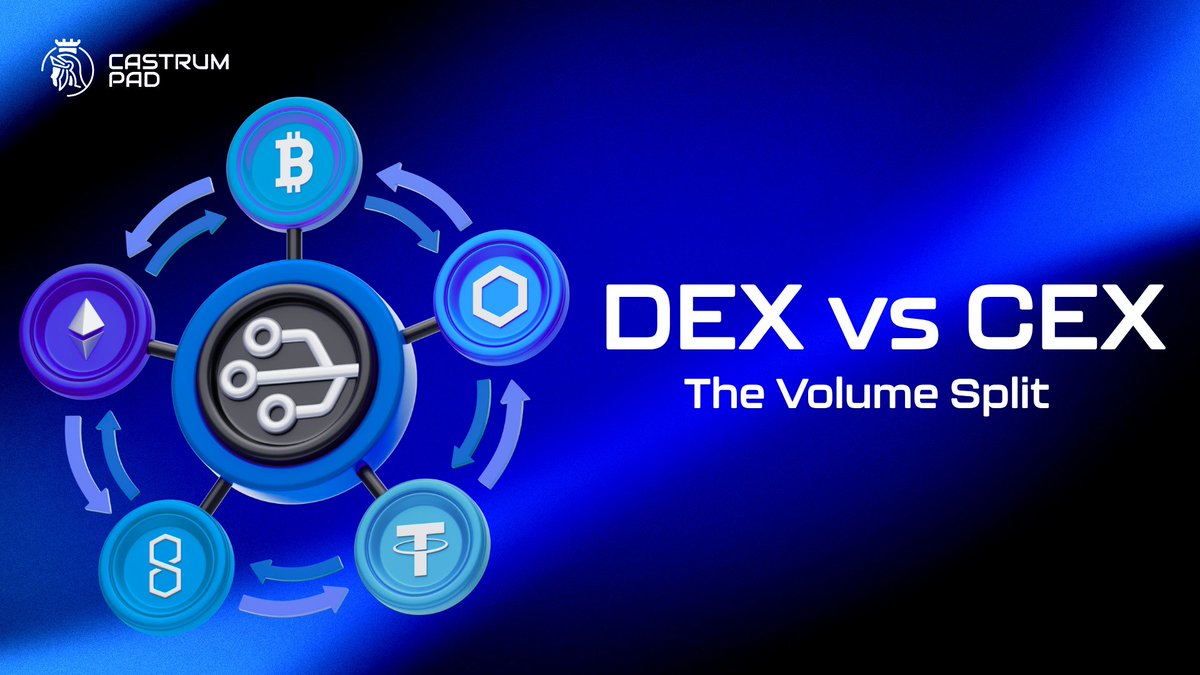
🧐 Most crypto trading still happens off-chain.
CEXs handle ~85–90% of total volume.
DEXs account for ~10–15%.
For a decentralized market, the majority of trading still runs through centralized platforms.
*sighs in irony*
DeFi still holds over $100B in TVL and remains the main source of on-chain activity.
NFT volumes are a fraction of what they were last cycle, but AI tokens have grown fast in market cap.
Gaming is moving, but slowly.
Did you know that stablecoin supply isn’t evenly distributed? ⚖️
Ethereum and Tron actually hold the majority of USDT and USDC.
Other chains are growing, but still operate at a much smaller scale.
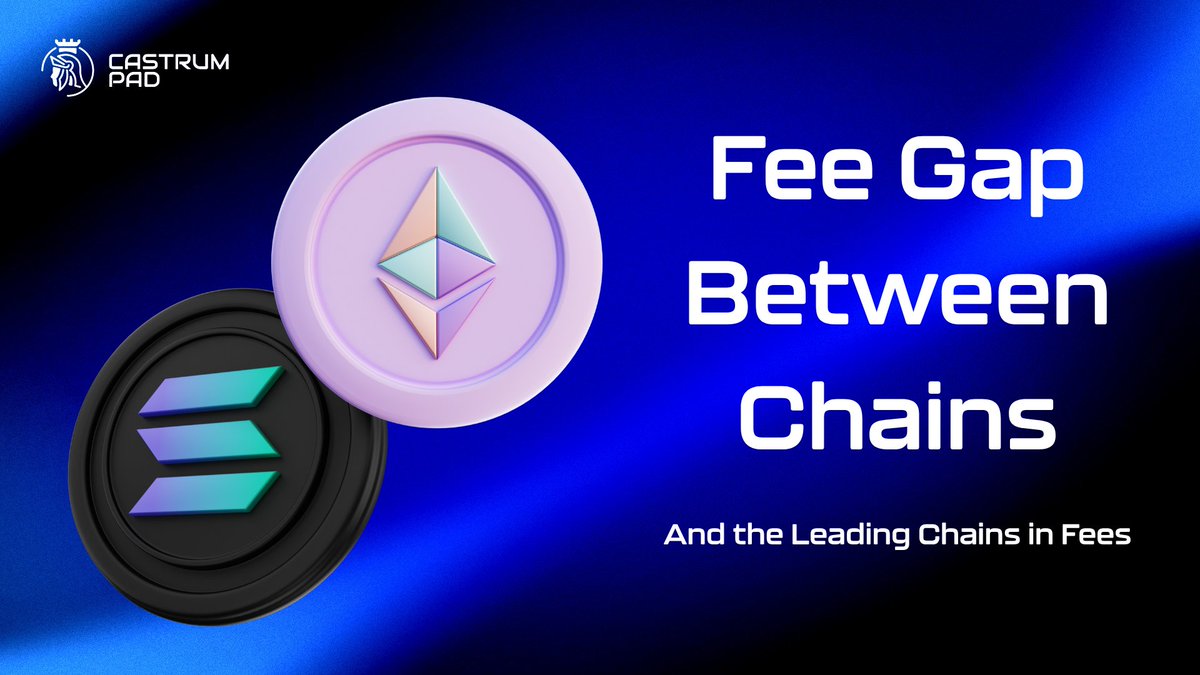
Ethereum is still pulling in roughly $10M/day in fees.
Solana sits a few million below that.
After those two, most chains barely cross $1M.
The drop-off is steep once you move past the top.
₿ When is the next BTC ATH?
Last cycles peaked ~12–18 months after the halving.
April 2024 → puts the window in mid–late 2025 into early 2026.
We already saw ~$120K+.
If the cycle extends, new highs would still fit the pattern.
If you look at where users actually are in crypto, a few wallets dominate.
Top wallets by monthly active users:
🦊 MetaMask ~30M
🛡️ Trust Wallet ~17M+
🔵 Coinbase Wallet ~3M
➡️ BTC starts Q2 2026 at ~$72K.
Down from the ~$120K+ highs, but still holding a ~$1.4T market cap and ~$38B in daily volume.
Price cooled off. Scale didn’t.