“O meu corpo, as minhas regras.”
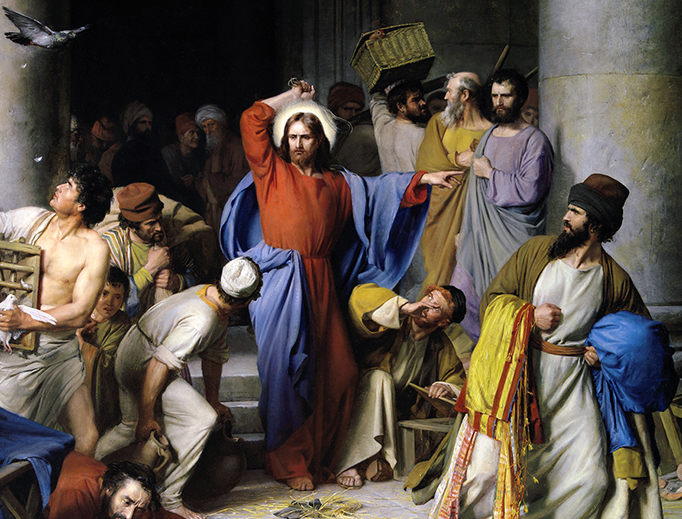
“Este é o meu corpo, entregue por vós.”
Na primeira, outro morre para preservar a minha escolha.
Na segunda, Cristo entrega a Sua própria vida para que outros vivam.
É impossível ser cristão e não abominar o aborto.❤️
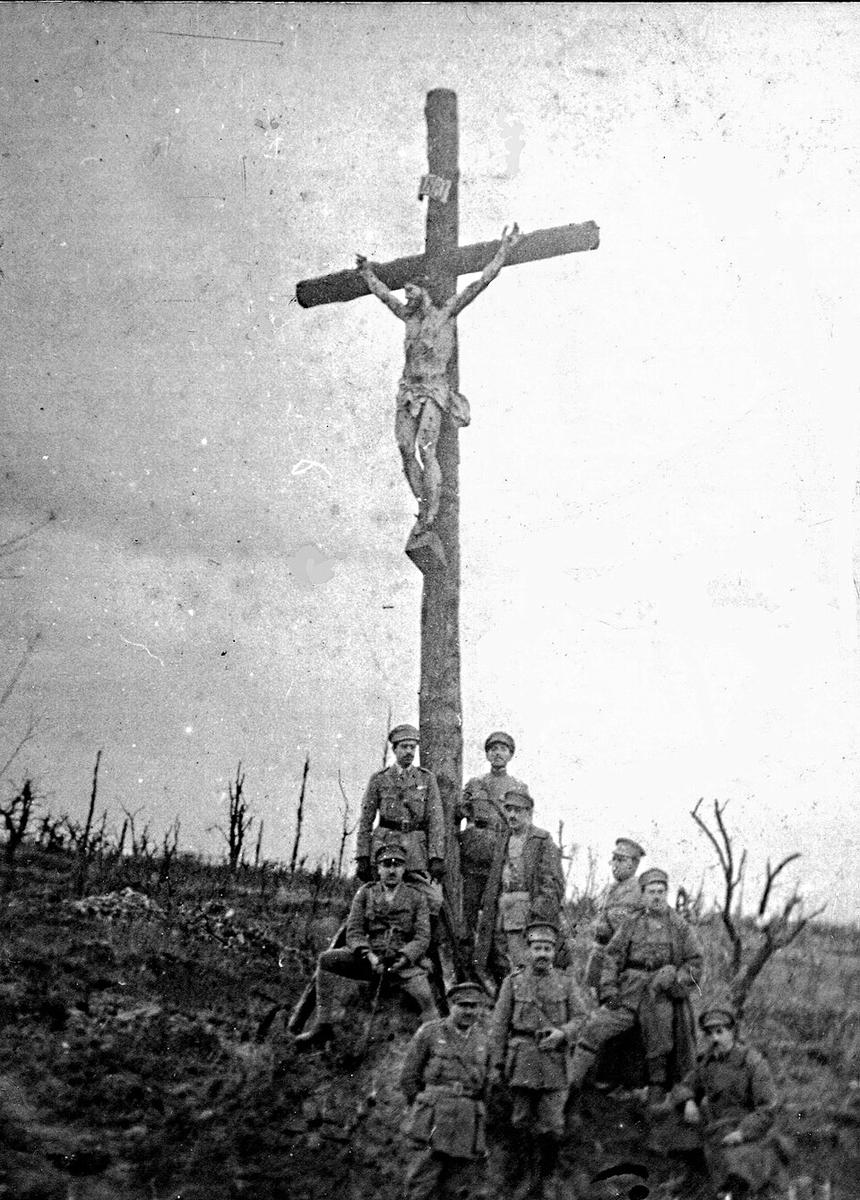
In the middle of WW1 portuguese soldiers turned to "The Christ of the Trenches" in prayer.
And when they were forced to leave they risked their lives to bring Christ back home with them.
On April 9, 1918, the Portuguese Expeditionary Corps suffered a devastating blow in the trenches of France.
Modern believers often treat faith as a shield against hardship. The moment we face discomfort or anxiety, we demand to know why God isn't making our lives easier. We want a religion of convenience.
The 56,500 Portuguese soldiers sent to the miserable, freezing trenches of World War I knew better. At a crossroads near Neuve-Chapelle, they found a crucifix. Amidst extreme conditions and massive loss of life, that simple monument became their singular beacon of hope and devotion.
When the German Spring Offensive hit on April 9, the devastation was absolute. Thousands of Portuguese troops were killed, wounded, missing, or captured. The surrounding area was reduced to smoking ruins.
But the cross was still standing.
Christ had lost a hand, both feet, parts of His legs, and had a bullet hole straight through the chest—but the statue remained upright in the rubble. Instead of retreating from the ongoing German artillery fire, Portuguese soldiers risked their lives to rescue it. Driven by profound faith, they carried the mutilated "Christ of the Trenches" through the mud and the dangers of the offensive to keep it safe.
Today, that same shattered Christ stands in the Chapter House of the Batalha Monastery, keeping eternal watch over the Tomb of the Unknown Soldier.
Faith does not promise to keep you out of the crossfire. It is the strength to carry the cross through the ruins. Hold the line.
This is the hand of a preterm baby at 24 weeks reaching out for human touch while still inside the womb.
Imagine the amount of propaganda it took to convince people that this child is just “a clump of cells.”
Abortion is murder and must be abolished.
Hoje, 14 de fevereiro, celebra-se o Dia de São Valentim. Mas quase ninguém conhece a história que está na origem desta data.
Quem foi São Valentim?
Segundo a tradição cristã, Valentim foi um padre ou bispo, conforme algumas versões, no século III, em Roma, durante o reinado do imperador Cláudio II.
A narrativa mais difundida diz que Cláudio II terá restringido casamentos, acreditando que homens solteiros seriam soldados mais eficazes, mais disponíveis para a guerra e menos ligados à família.
O império precisava de soldados. O amor tornava-os menos descartáveis.
São Valentim fez o quê?
Desobedeceu.
Continuou a celebrar casamentos cristãos.
Defendeu que o matrimónio era sagrado.
Que o compromisso entre um homem e uma mulher não dependia de autorização imperial.
Que o poder político não era autoridade suprema sobre a consciência.
Foi preso. Foi perseguido. E acabou executado.
Morreu, segundo a tradição, a 14 de fevereiro.
Independentemente dos detalhes históricos, que variam entre fontes, a mensagem simbólica que atravessou séculos é clara.
Há limites para o poder do Estado.
O que esta história ensina?
Que o amor é um ato de liberdade. Que a família não nasce de um decreto. Que a consciência não depende de licença administrativa.
Ao longo da história, o poder político sempre tentou controlar três pilares fundamentais:
A fé. A família. A educação.
Porque quem molda estes três molda a sociedade.
Cláudio II pode ser uma figura distante no tempo. Mas a tentação do poder é sempre a mesma.
Valentim não liderou uma revolta armada. Não organizou um exército. Não escreveu manifestos políticos.
Fez algo mais simples.
Ignorou uma lei que considerava injusta.
Foi um criminoso? Sim, segundo o Estado era criminoso.
Contudo, São Valentim acreditava que existe uma autoridade acima do poder político. Que o Estado não é absoluto. Que o amor não é propriedade do governo.
Hoje, o Dia dos Namorados foi transformado numa celebração comercial. Flores, chocolates, campanhas de marketing.
Mas a raiz simbólica da data não é consumo.
É resistência.
É a memória de alguém que, segundo a tradição, preferiu enfrentar a morte a aceitar que o poder político determinasse quem pode amar e casar.
Celebrar São Valentim não é apenas celebrar romance.
É recordar que a família, a fé e o amor sempre existiram antes do Estado e continuarão a existir depois dele.
E isso é muito mais poderoso do que qualquer ramo de rosas.
Talvez eu esteja enganado e o gajo não seja um banana, depois de ver isto cheguei à conclusão que ele se faz é de parvo com uma agenda escondida.
Vejam lá isto 👇
"Is he safe? No. But he is good."
C.S. Lewis understood that God is not a pacifist push-over, and you shouldn't be either.
In The Chronicles of Narnia, when the children ask if Aslan (the Christ figure) is safe, Mr. Beaver replies with one of the most famous lines in literature: "Safe? Who said anything about safe? 'Course he isn't safe. But he's good. He's the King, I tell you."
Modern culture wants a "safe" God, one who affirms everything and demands nothing. They want a religion without a cross. They want to sin without consequence.
Catholic tradition tells a different story.
God is a consuming fire. He is dangerous to your sins, but He is the only Good.
And He wants YOUR higher good.
If you're a man you need to be like this, especially nowadays. Not safe, but good.
Com o financiamento dos portugueses, se gosta de arte ou de festivais,não interessa, que vá lá com o seu próprio ordenado, que não é pequeno, para a realidade da maior parte da população.
Contexto: Entrevista da Júlia ao André V, sobre as viagens do presidente da república
André Ventura: Os contribuintes não tem dinheiro nem para pagar uma consulta de saude
Júlia Pinheiro: Acha que as pessoas, os contribuintes também não precisam de beleza?
Está tudo bem?
Esta ideia que a cultura precisa de apoio, é de outro mundo, um mundo onde tudo funciona as mil maravilhas. Não é o caso de Portugal e está muito longe de o ser. Eu gostava de receber uma carta em casa a perguntar me se eu aceito que o presidente vá em viagem para outro país +