Associate Professor. UVA School of Medicine, Department of Family Medicine. Obesity Medicine Director, UVA Health. OM in Primary Care & after Bariatric Surgery.
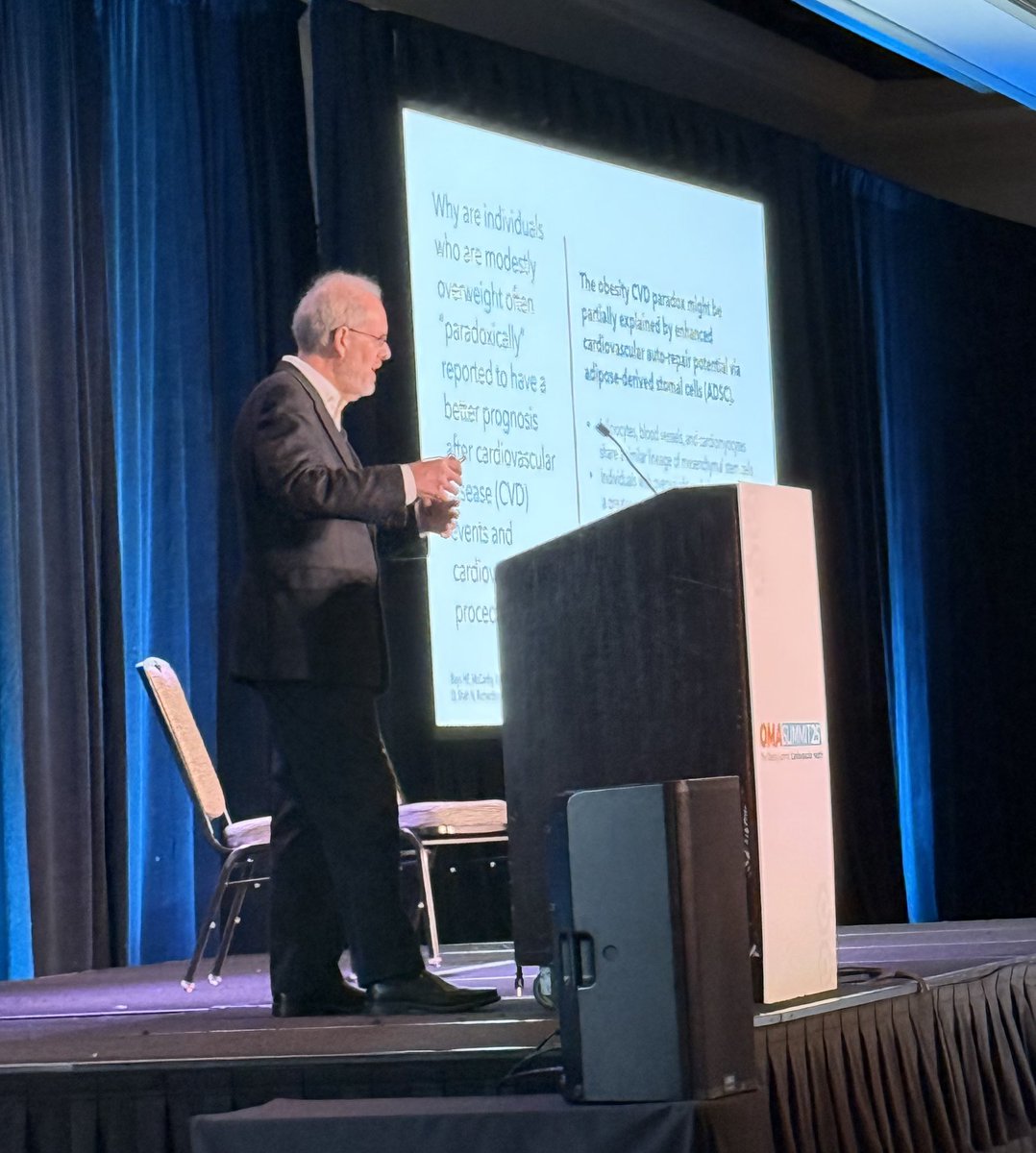
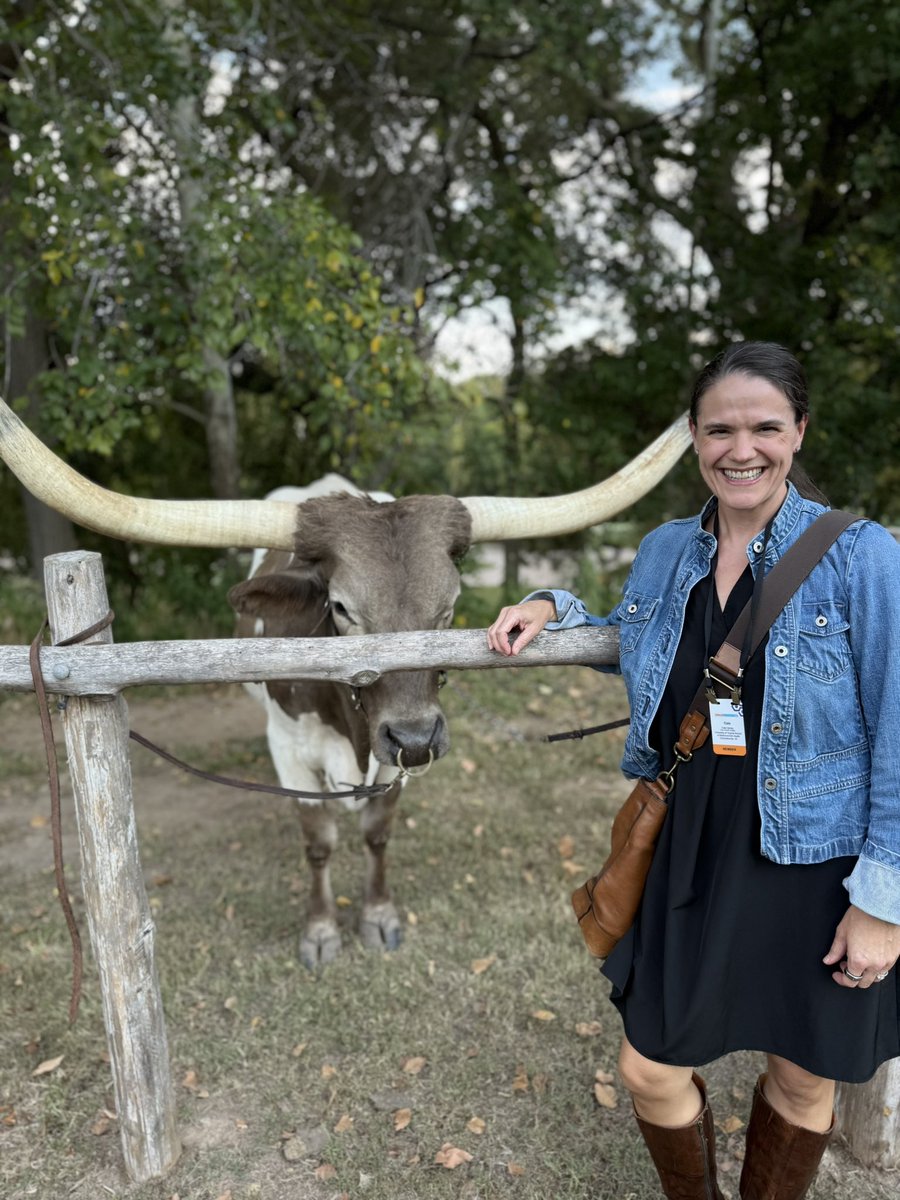
The Obesity Medicine Association (OMA) will be holding the OMA Summit25 this October 2-4, 2025, in Cedar Creek, Texas outside beautiful Austin, Texas! Join OMA at the https://t.co/Nsyy3srruX with focus on Cardiovascular Health. https://t.co/Vdlp6gtHtB @OMAsocial@American_Heart
@realDaveFeldman@gregmushen Yes, with some responsible controls to protect privacy of human trial data. Open data can accelerate discovery in health and allow independent verification of results. It also lets smaller institutions and startups
build on work they didn’t directly fund.
@MichaelAlbertMD@net_runner_ Look no further than the exponential rise of calls to Poison Control in mid-2021 followed by rapid acceleration from 2021-2024. They don’t differentiate between branded GLP1 and compounded but given the variable dosing of compounds, it’s a signal that shouldn’t be ignored.
🚨 Primary Prevention Milestone in Heart Disease
- - -
Amgen just announced topline results from VESALIUS-CV (12,000 patients, 4.5 years follow-up):
➡️ Adding Repatha (evolocumab) to statins or other LDL-lowering therapy significantly reduced major CV events in adults without prior heart attack or stroke.
➡️ First PCSK9 inhibitor to show outcomes benefit in primary prevention, not just secondary.
➡️ No new safety signals reported.
Why it matters:
🔹Every 40 seconds, a heart attack or stroke occurs in the U.S.—and 75% are first-time events.
🔹Prior PCSK9 trials (FOURIER, ODYSSEY) proved benefit after ASCVD events.
🔹VESALIUS-CV could shift the treatment paradigm to earlier use for high-risk adults who remain above LDL-C targets (<70 mg/dL) despite statin ± ezetimibe.
👀 What to watch for at #AHA25 (Nov 8):
🔹Absolute risk reduction & NNT
🔹Subgroup effects (diabetes, baseline LDL-C, Lp(a))
🔹Cost-effectiveness & payer adoption
💡 Bottom line: If confirmed at AHA, this trial could expand PCSK9 use from “after the first event” ➡️ “preventing the first one” in carefully selected high-risk adults.
🔗https://t.co/geoqeMIlRx
I would argue that James Johnson and others have demonstrated that when insulin signaling is severely impaired—essentially reaching an “end state”—it drives a highly obesogenic physiological condition. In this context, the anabolic dominance of disrupted insulin pathways may potentially be counterbalanced by agents such as amylin and glucagon, which act through complementary mechanisms to mitigate the metabolic consequences of disturbed insulin action.
Today, @PeteHegseth used "hot yoga" as a dismissive example of inadequate physical training while announcing new, more stringent fitness standards for U.S. military personnel. Invitation extended to him to join me @HotYogaCville to see the CV & strength & flexibility benefits!
@OMAsocial just released the first in a series of learning modules for comprehensive obesity treatment. Although titled "Osteopathic Perspective", it is tailored for MD/DO/NP/PA/RN/RDs. Really proud of how this turned out! @ACOFP https://t.co/XSPulO3xVp
Higher LDL-C levels driven by PCSK9 activity are associated with a ~1-year reduction in life expectancy at the population level.
Conversely, enhanced LDL receptor function, such as that achieved with statins or PCSK9 inhibitors, is linked to improved longevity outcomes.
These findings highlight the critical role of lipid management in population health and underscore the potential of therapies targeting PCSK9 (PCSK9 inhibitors) and LDL receptors (statins) to extend lifespan.
For more details, see:
PubMed: 33704808
PubMed: 38082436
@Slumdogsomil POUNDS LOST originally said “a calorie is a calorie”, but later when analyzing genetic variations, it demonstrated biochemical, behavioral, & psychosocial factors such as activity, sleep disturbance, & appetite may also modulate metabolic changes during dietary interventions.