How to say no. A superb article: "In a world that often values compliance over authenticity....we find ourselves entangled in a web of obligations, constantly saying yes to requests that may not align with our true desires or priorities. Yet, buried beneath the layers of societal expectations & internalised guilt lies the power to reclaim our autonomy".
This article explains:
- the reasons why we always say yes
- why we should learn to say no
- how to recognise when not to say yes
- tips for learning how to say no
- different (positive) ways of saying no
- how to deal with unwelcome responses
https://t.co/T4jymB3H4m. By @LauraCopleyLPC. I paired it with a graphic on the same topic by @donnellycss.
On what is in some ways the hardest day of my year but in other ways the most positive, as we release the latest report from the @mbrrace confidential enquiries into maternal deaths and morbidity, it is important we recognise the families and friends of the women who have died
https://t.co/bf2F90orYk
Important national patient safety alert on risk of oxytocin overdose in labour following a review of national reporting learning system. Please share in your networks.
Delighted that the final paper from the @NPEU_UKOSS study of covid-19 in pregnancy has been published with pregnancy outcomes for 98.6% of the cohort of more than 16,000 women. Many thanks to all reporters, women and @rhcnrc
https://t.co/nuHzWKsT6z
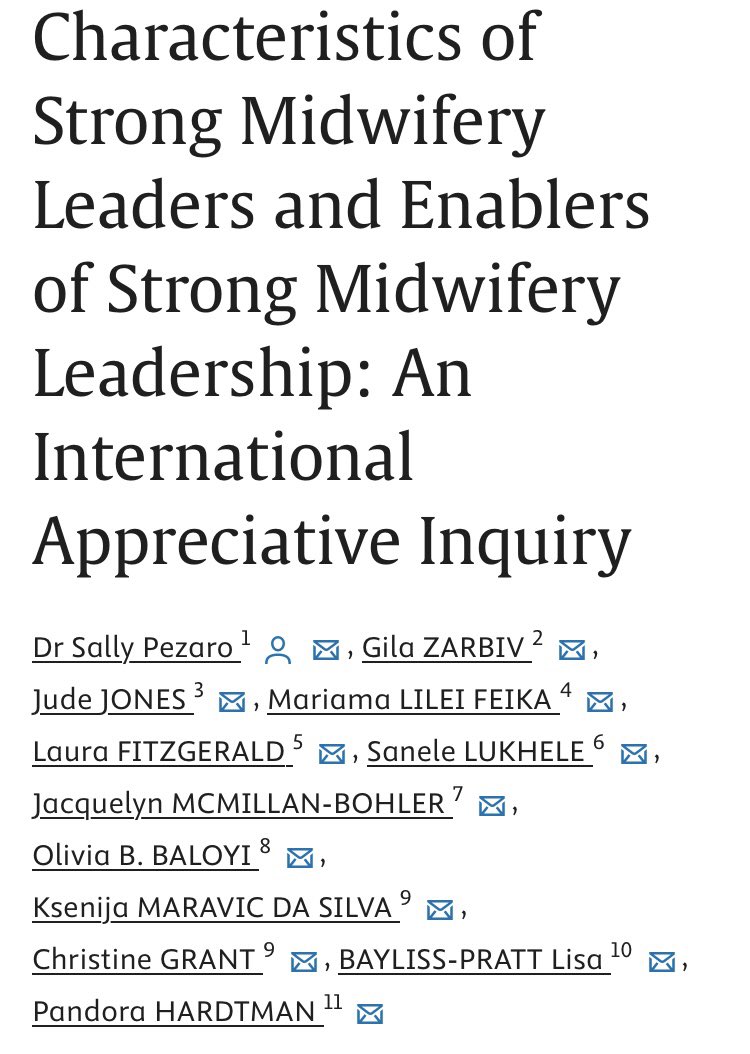
Weak leadership in the context of midwifery has been linked to a range of scandals and adverse outcomes … but what does strong midwifery leadership look like? Our international appreciative inquiry aimed to find out: https://t.co/wmpxbc70N5
@Marianfknight@Marianfknight "Ensuring pre-pregnancy health, including tackling conditions such as overweight and obesity, as well as critical actions to work towards more inclusive and personalised care, need to be prioritised as a matter of urgency now more than ever" https://t.co/1GjfvaUBDW
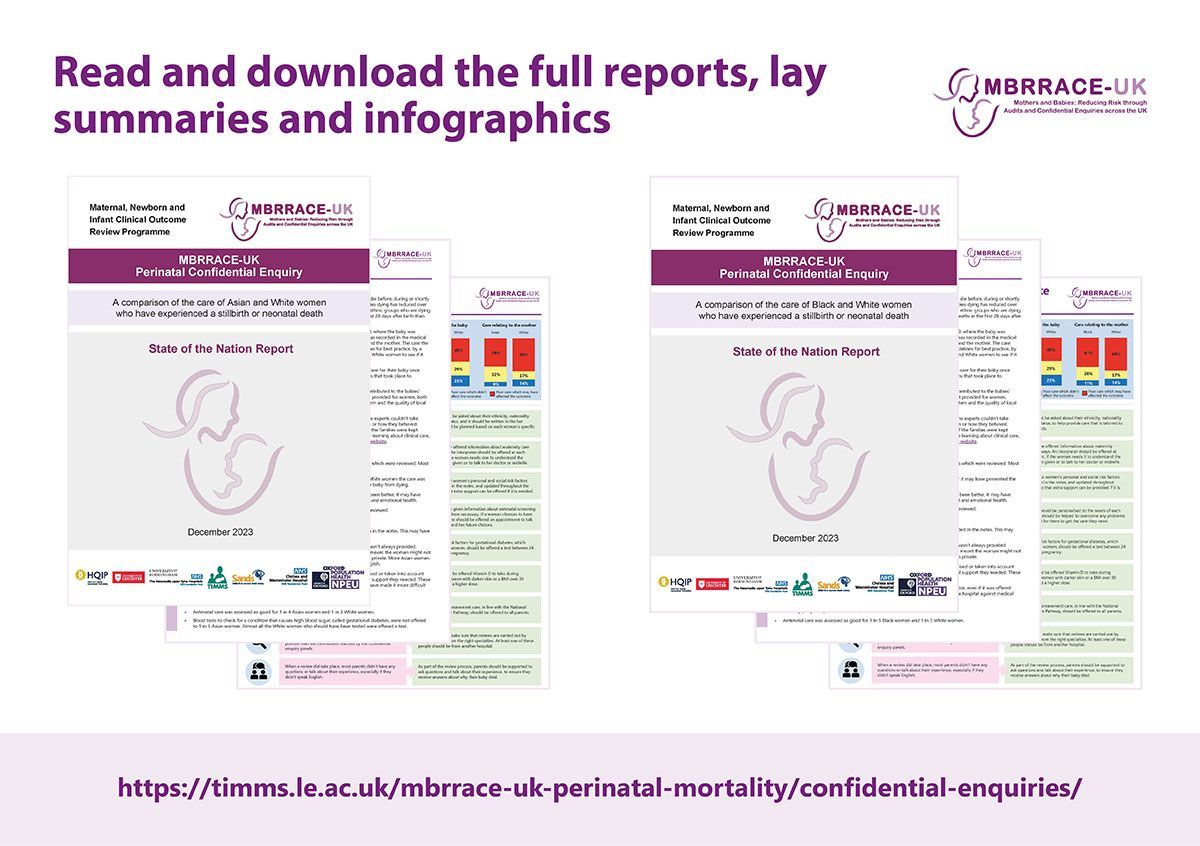
Latest @mbrrace perinatal confidential enquiry reports published today comparing the care of Asian, Black and White women whose babies died. Download the full report and recommendations:https://t.co/fFx5yHMOyk https://t.co/rUsySdoMVb @TIMMSleicester@NPEU_Oxford
🆕Top picks: PSIRF tools, templates and examples🆕
Featured on the hub today, Patient Safety Incident Response Framework (PSIRF) resources, tools and templates shared by members of the hub to support one another as this new approach is implemented⬇️
https://t.co/av6yDAkkMJ
@Marianfknight introducing today's @mbrrace maternal report dissemination meeting. Time to remember the women whose lives have been lost and the families and friends they leave behind
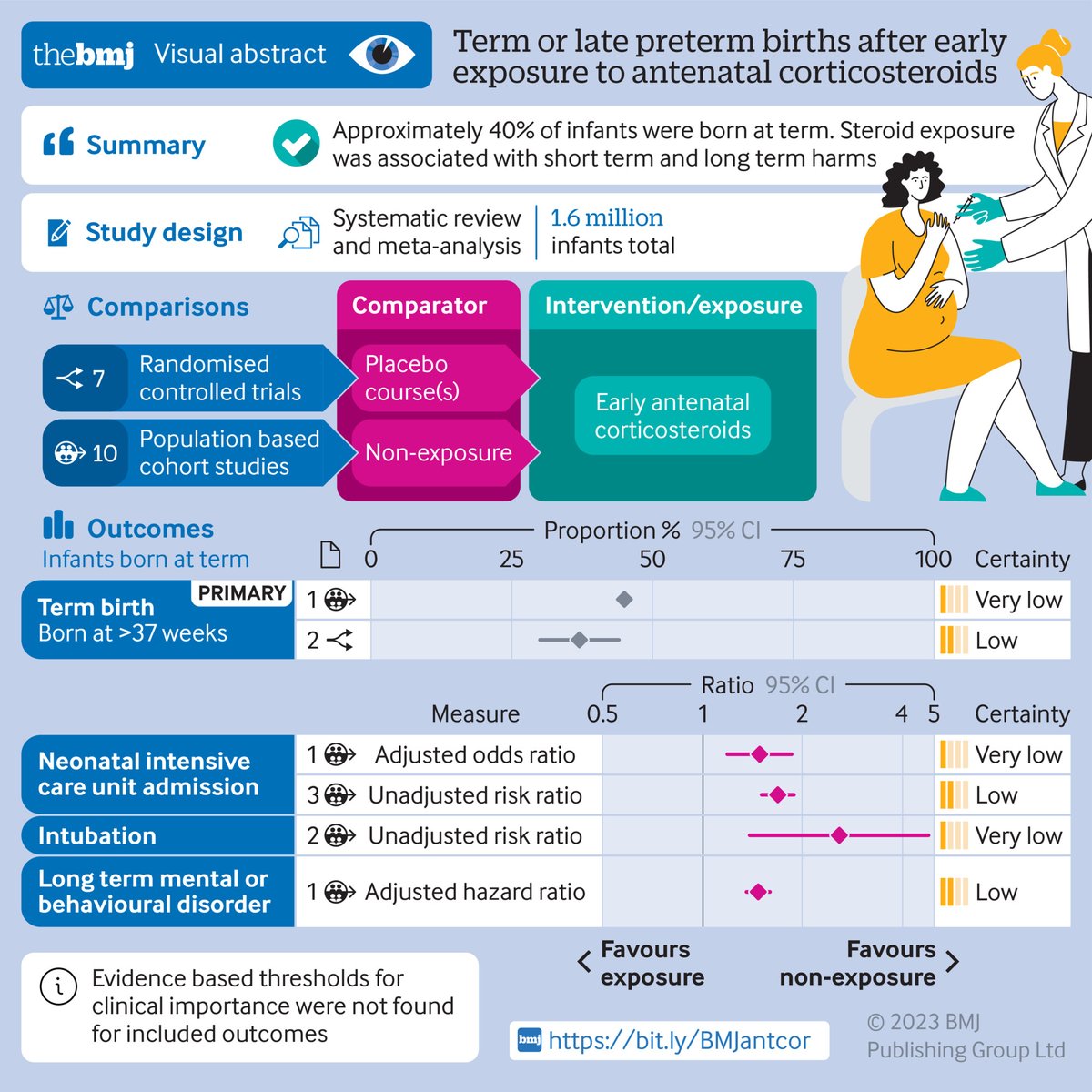
Study finds about 40% of infants exposed to early antenatal corticosteroids were born at term, with associated adverse outcomes, highlighting the need for caution when considering antenatal corticosteroids.
Includes a visual abstract #BMJInfographic
https://t.co/26HxkKEyDJ
FYI!!
Use of abbreviations has expanded in clinical communications but can lead to misunderstanding, increased workload & worse patient outcomes
In our latest paper, we explore use of abbreviations in healthcare and provide some recommendations
👇
https://t.co/xXty7purPs
‘Women and maternity staff deserve nothing less than total commitment from the Government to once and for all end this crisis’ says @BirteLam as @MidwivesRCM publishes its 'health check' on England's maternity services, see https://t.co/URI9Fzu6Yb
Our new 'Improving Patient Safety Culture - A practical guide' is designed to support teams across health and social care to understand their safety culture and how to approach improving it.
https://t.co/sMFz1UePJ1
#PatientSafetyCulture#PatientSafetyStrategy
Good news: a new trial to manage postpartum bleeding shows highly promising results. This could represent a major breakthrough in reducing maternal deaths. #HealthForAll
https://t.co/wsolaksh0M