Canadian XLH Network is a non-profit organization promoting awareness for X-Linked Hypophosphatemia (a rare genetic disorder affecting 1 in 20,000 Canadians)
Burosumab (Crysvita) was added to
the Quebec list of medications for treatment of X-linked hypophosphatemia under the category of “Médicament d’exception”
For more information visit https://t.co/HWGC2YcJ5H or contact your physician.
#xlinkedhypophosphatemia#xlh#quebec
Today that the European Union has approved the self-administration of burosumab for the treatment of XLH. The approval means that some patients or carers may be suitable to administer burosumab themselves, at the recommendation of the treating physician. https://t.co/IH0Vw7lTwq
The 2021 Real-World Evidence & Outcomes-Based Agreements Working Group would like to invite you to participate in the Canadian Outcomes-Based Agreements Experience and Perceptions Survey.
https://t.co/tc8Q7L6nya
04 - "I have personally experienced what a difference these support groups can make, and am so excited to see the Canadian XLH Support Group along with other groups starting in various countries to support fellow XLH families around the world." - Rachael Jones
01 - Meet the Member: Rachael Jones of Colorado Springs, Colorado (USA) loves camping with her family, baking, dancing and writing. She especially loves writing children's stories, and is currently working on publishing a children's book she wrote about XLH.
Next up as we continue the ABCs of XLH, is D: Dental Abscesses. For more XLH related dental information, check out our dental brochure: https://t.co/j7YJ5nFzQw
Very informative webinar recording on the burden of XLH in adults.
⚠️This is truly affects so many aspects of life, most of which are unfortunately unrecognized.
Please share this and help us raise awareness. Adults with XLH need to be followed closely and treated accordingly
Well said @GiniaJo 👏🏼
This, unfortunately, is a current approach that needs a fundamental shift, and one of the many areas that we, as a community, can help affect change. It all starts with us sticking together and supporting each other. #XLH#XLHStrong
Hello Canadian followers, please consider taking our (very very brief) survey.
We are working with local doctors to try to find an estimate of how many people are living with XLH across Canada — your input is crucial! Thank you so much.
#XLH
https://t.co/WQJ932B75R
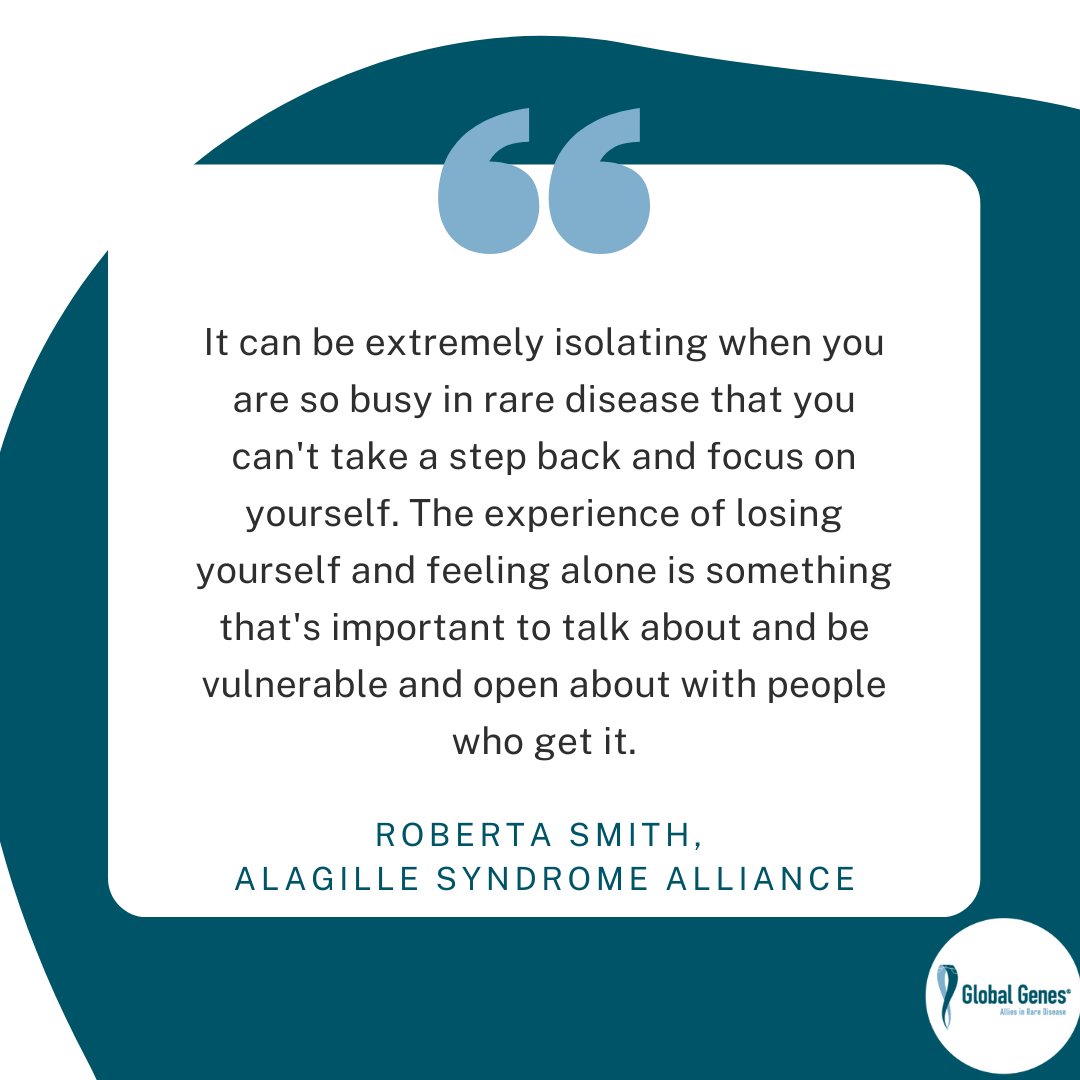
For today's Mental Health Month Wellness Wednesday post, we want to remind those of you that work so hard to advocate for families to take care of your needs, too!
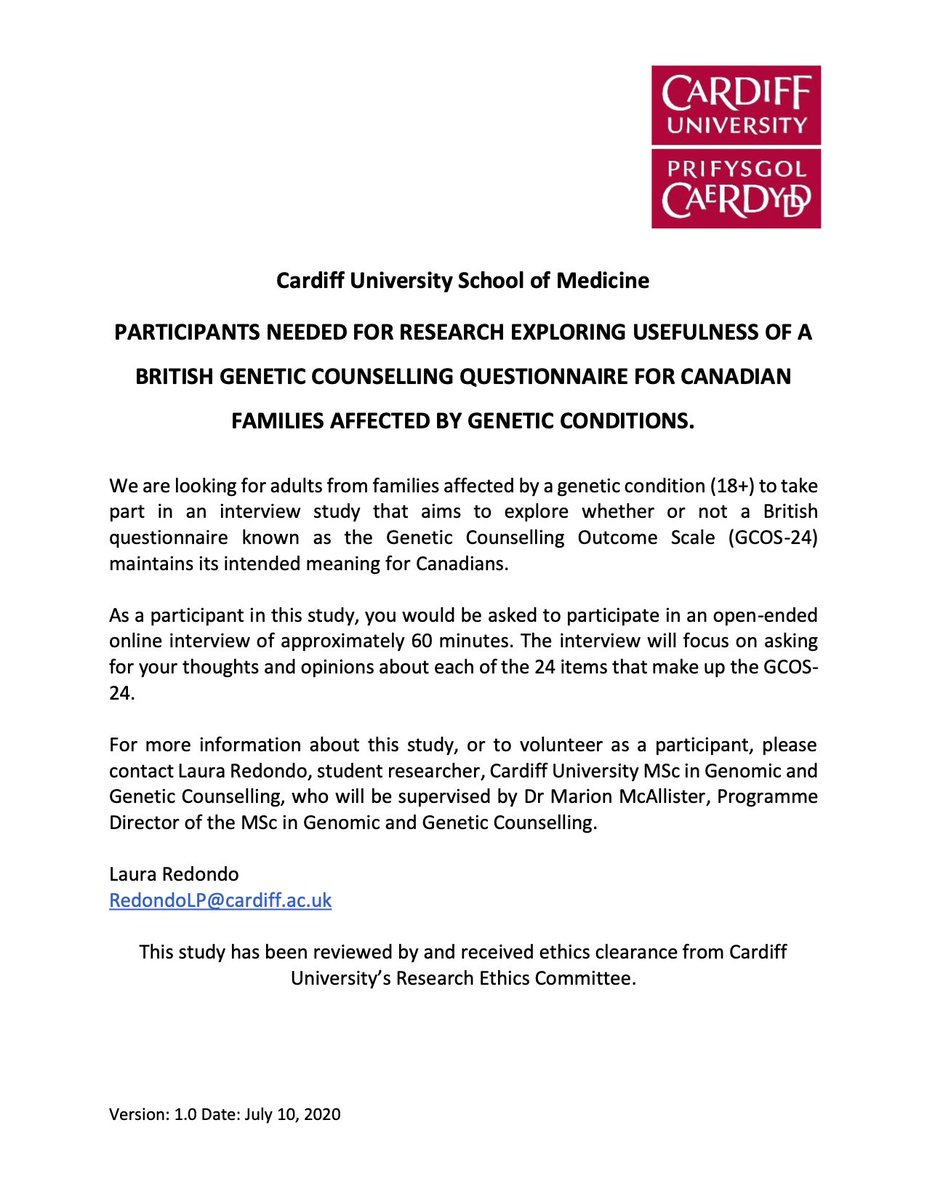
PARTICIPANTS NEEDED FOR RESEARCH EXPLORING USEFULNESS OF A BRITISH GENETIC COUNSELLING QUESTIONNAIRE FOR CANADIAN FAMILIES AFFECTED BY GENETIC CONDITIONS. For more info about this study, or to volunteer as a participant, please contact Laura Redondo ([email protected])
Please take a moment to fill out this survey. I think it’s especially relevant to those trying to access Crysvita or other high cost medications. #RareDiseases#XLH#Avocate#education#healthcare
This survey is being conducted to learn from Canadians their experiences accessing specialty drugs. In addition, we are asking opinions about how specialty drugs should be available in a National Pharmacare program. Link to survey: https://t.co/8d5LVI381d
Please consider taking this survey. I think it’s especially relevant to those trying to access Crysvita, or other high cost medications. #xlh#raredisease#advocate#burosumab
This survey is being conducted by the Canadian to learn from Canadians their experiences accessing specialty drugs. In addition, we are asking opinions about how specialty drugs should be available in a National Pharmacare program. Link to survey: https://t.co/Nunkt5tBhz
Cardiff University School of Medicine is looking for Canadian families affected by rare genetic conditions to participate in a study. Participants must be 18+
For more information about this study, or to volunteer as a participant, please contact Laura Redondo ([email protected]), student researcher, Cardiff University MSc in Genomic and Genetic Counselling, who will be supervised by Dr Marion McAllister