School leadership can feel personal.
A tough email. A parent complaint. A colleague’s comment. A challenge from governors.
Feedback can land fast and sharp—even when you try not to take it to heart. Because you care: about doing the right thing, your staff, pupils and families, and the standards you uphold.
Reflective leadership is creating a small space between what happens and how you respond—not ignoring the feedback or the emotion, but asking:
What’s the message?
What’s useful?
What needs clarity?
What needs a calm response?
Sometimes feedback holds something important. Sometimes it’s pressure, misunderstanding or frustration. The skill is sorting signal from noise without losing yourself.
That takes resilience, trusted people, and permission to be human.
If something has landed heavily, don’t carry it alone. Pause. Reflect. Talk it through. Respond in line with your values.
You’re allowed to be affected—and still lead.
https://t.co/rkdxifMtHk
#SchoolLeadership #Headteachers #EducationLeadership #ReflectiveLeadership #SLT #Resilience #TeacherWellbeing #HeadteacherChat
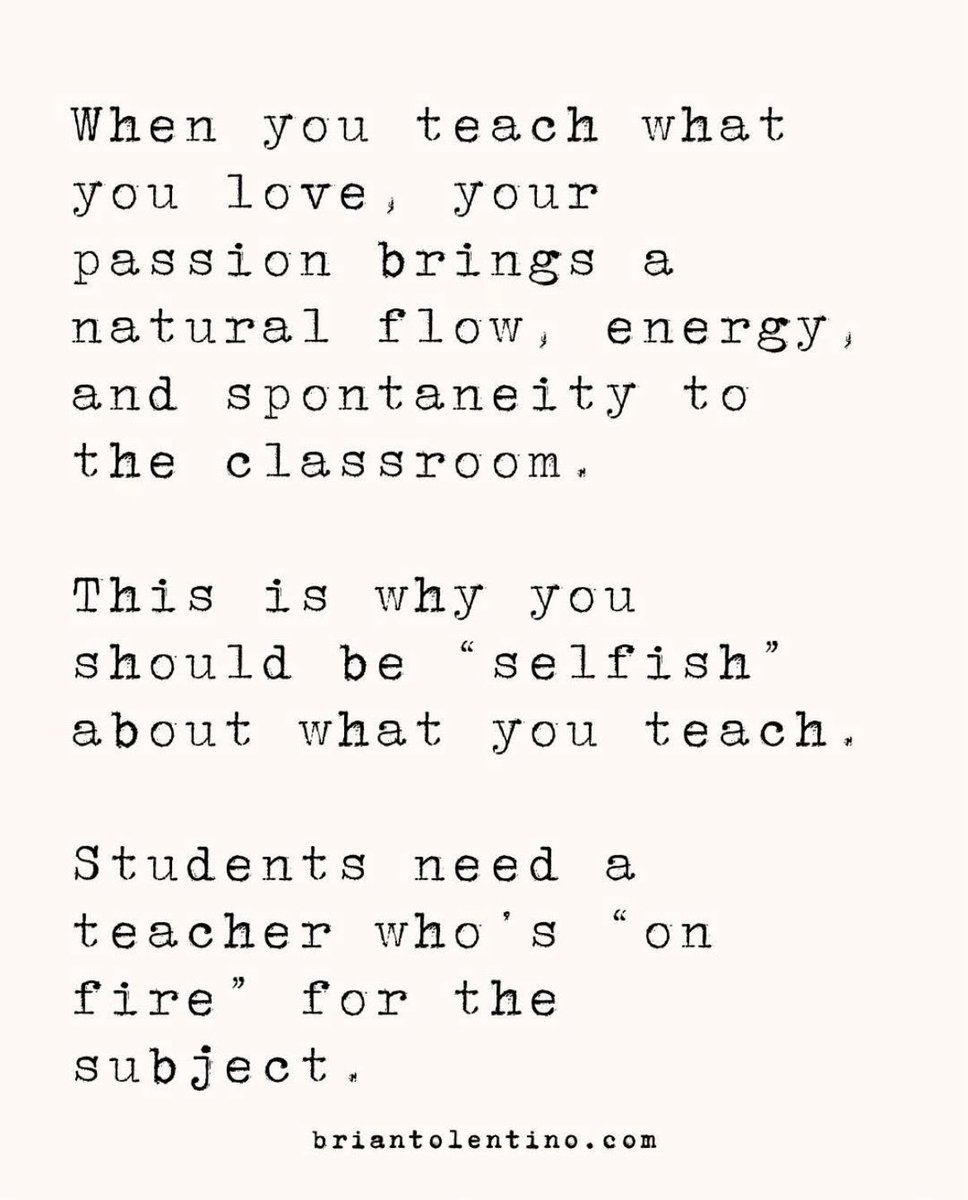
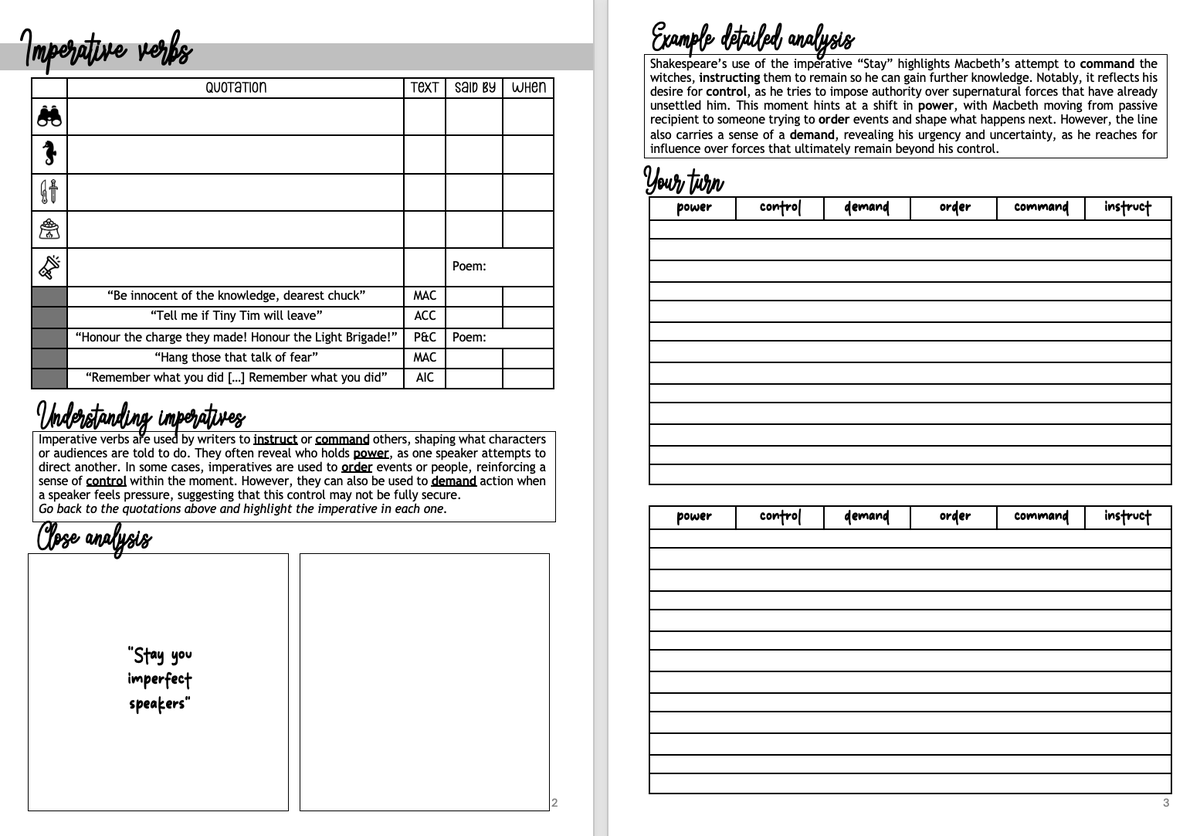
I’m so excited about teaching my Year 10s tomorrow… they each get their own unseen poem in an envelope for our last lesson of the scheme. Just for them. There’s some absolute crackers! #poetry#unseenpoetry
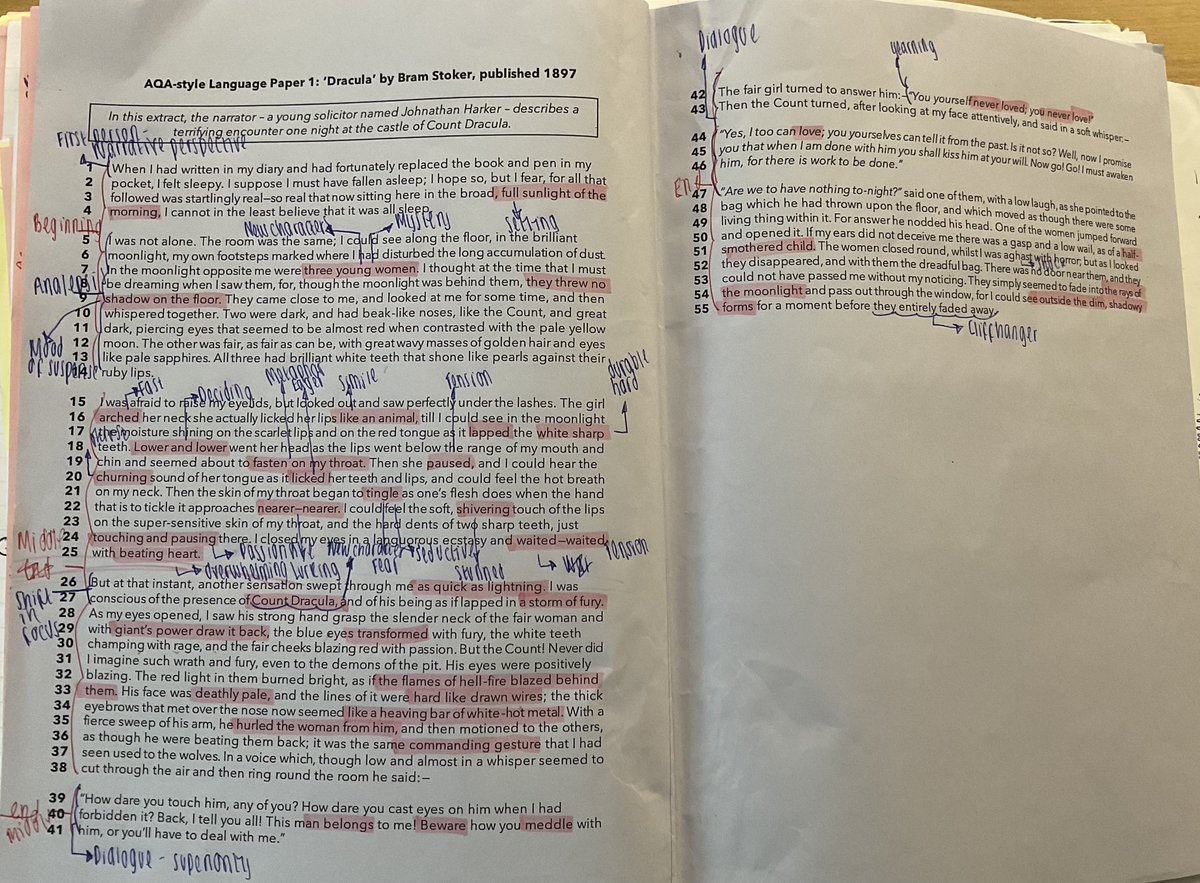
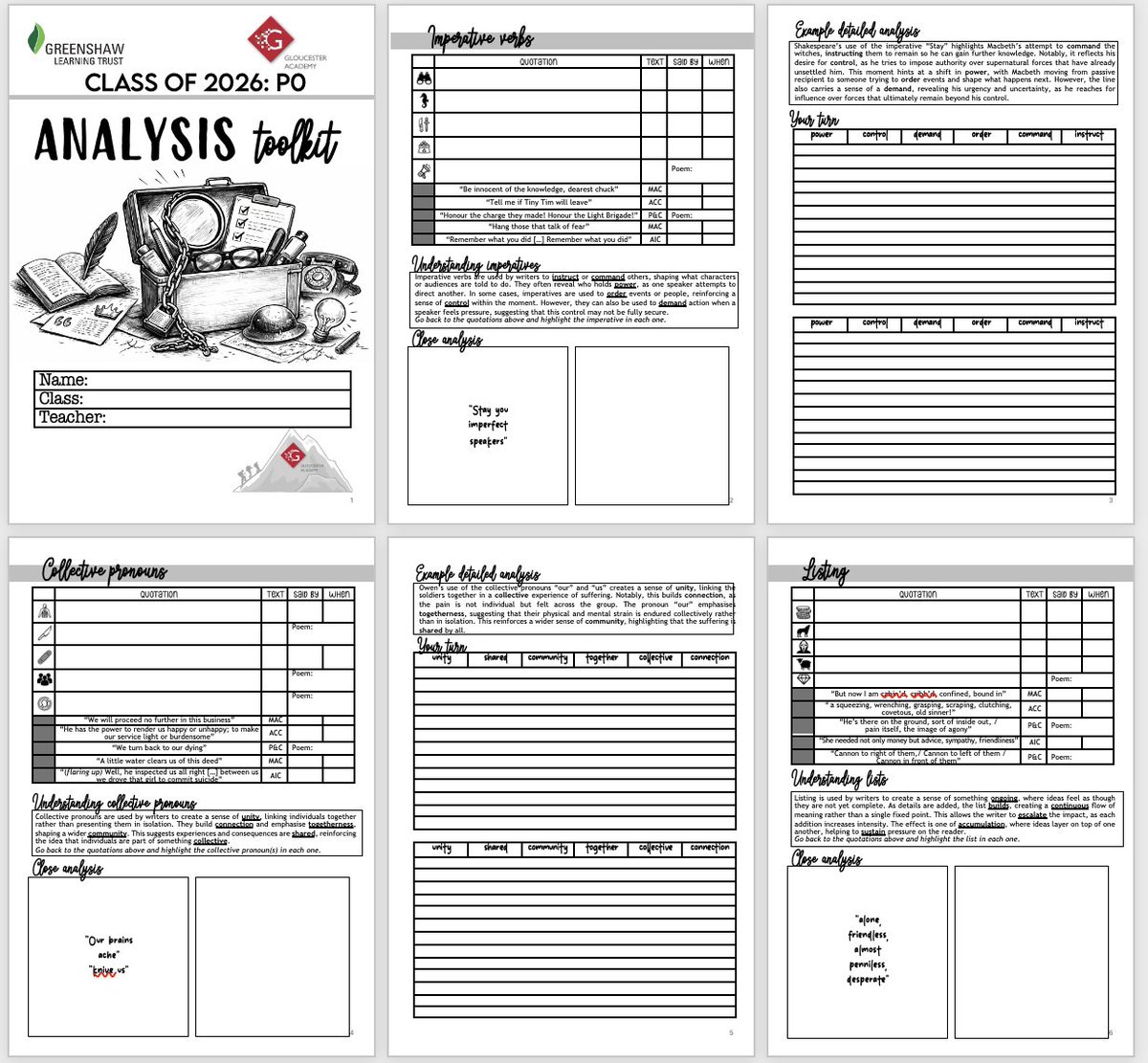
Next little project for final Y11 tutor intervention.
AO2: focusing on function by tethering vocabulary to methods.
A follow up of the blog I shared with subscribers back in February...
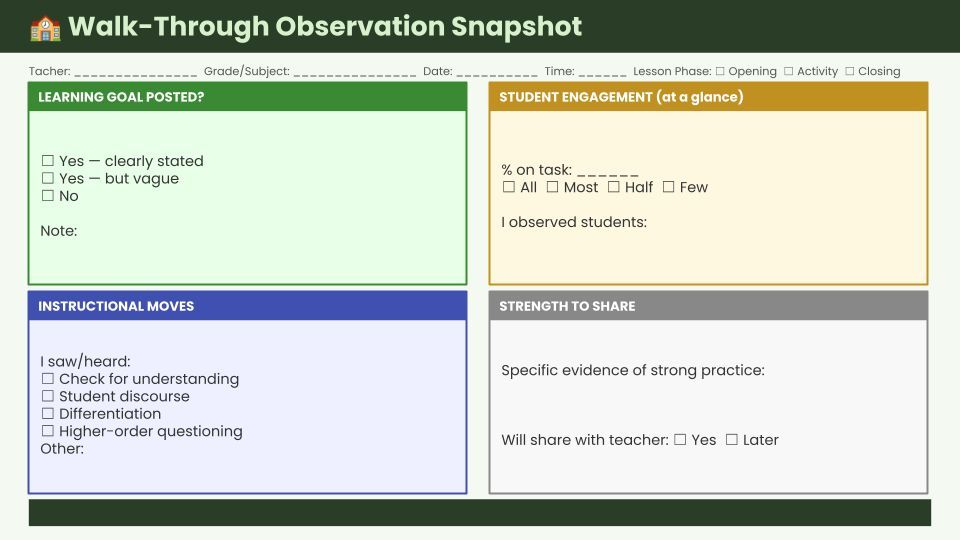
A good walk-through doesn't need pages of notes. This one-page snapshot covers learning goals, engagement, and a strength to share with the teacher. Simple. Fast. Useful. 🏫 #InstructionalCoach
https://t.co/AgHGcHCBQ8
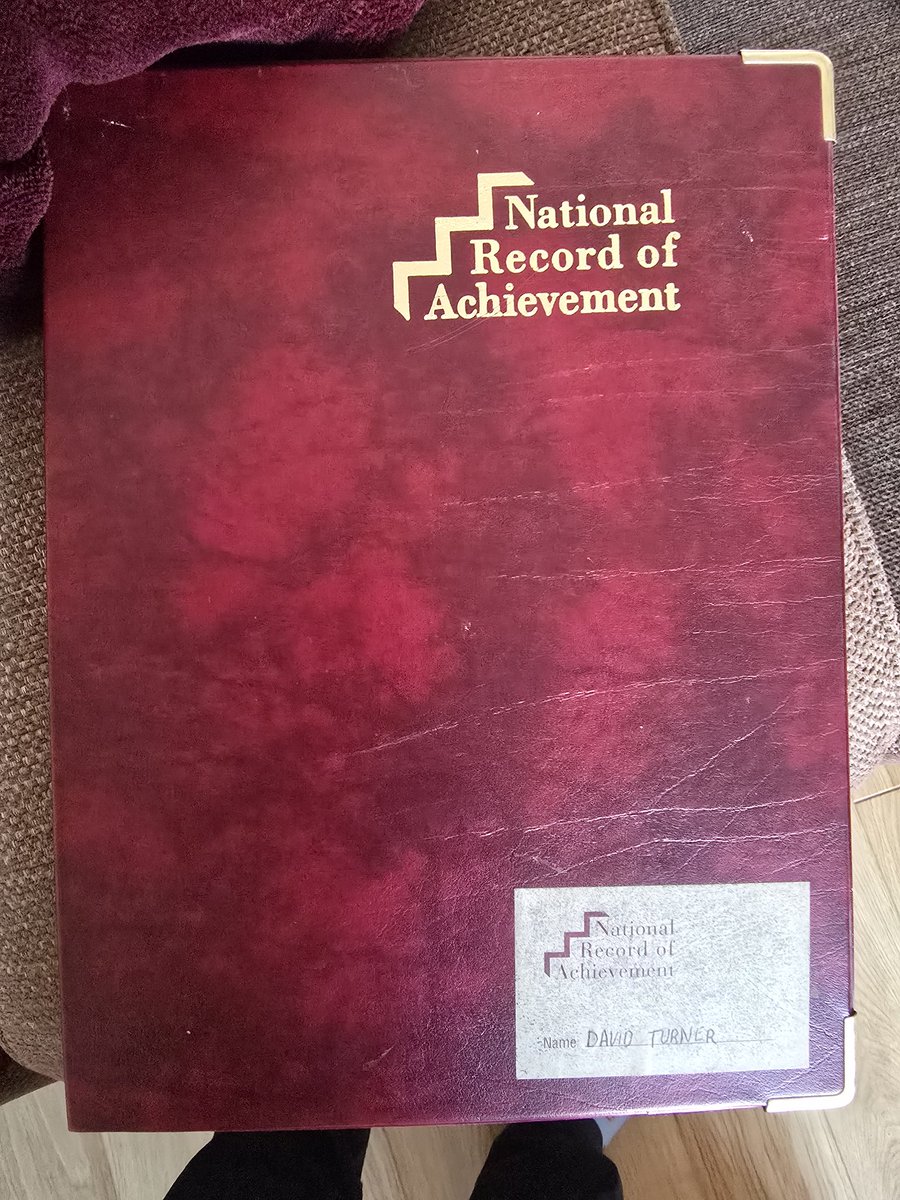
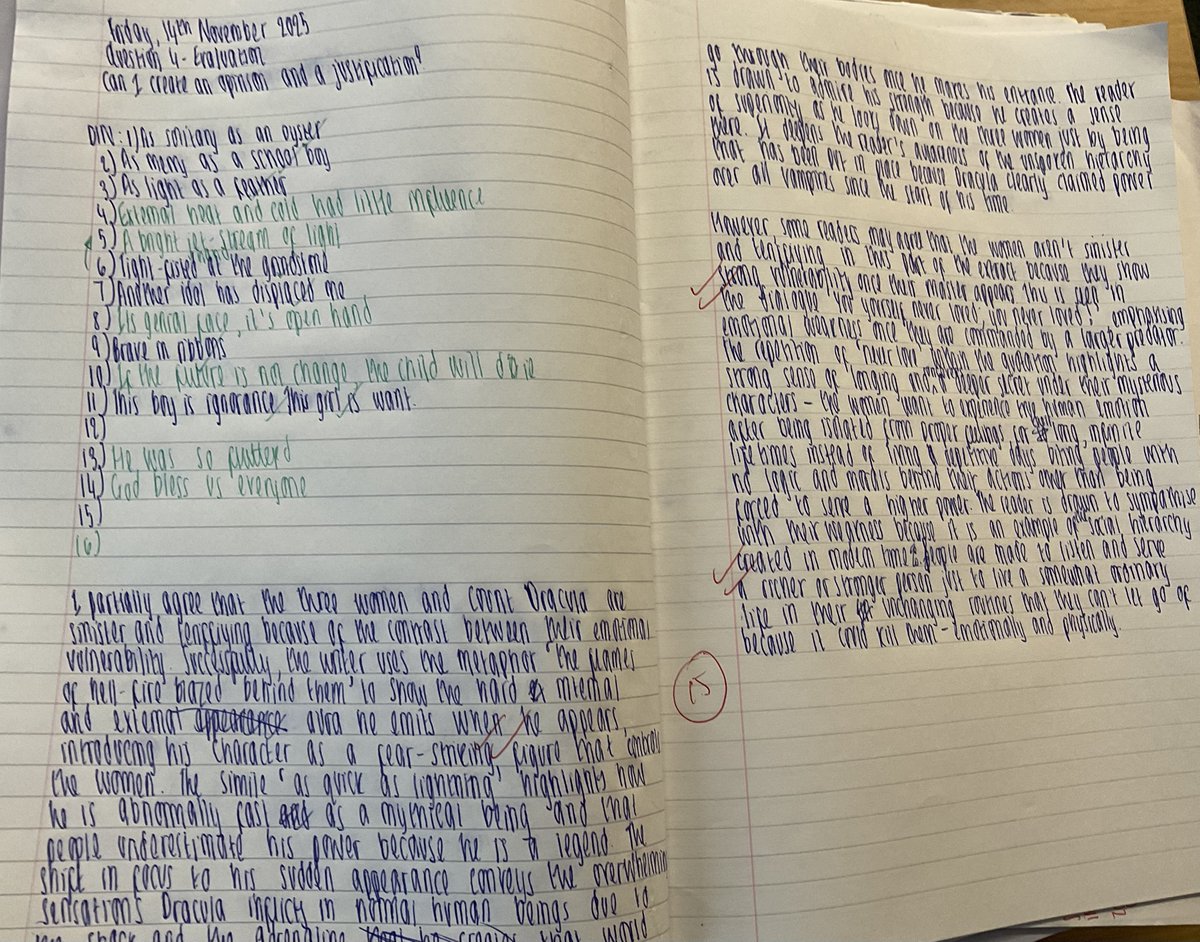
It feels wrong to be getting rid of this, but after nearly 30 years of following me around and serving practically no purpose, we will now part ways.
But trust me, my personal statement was amazing.
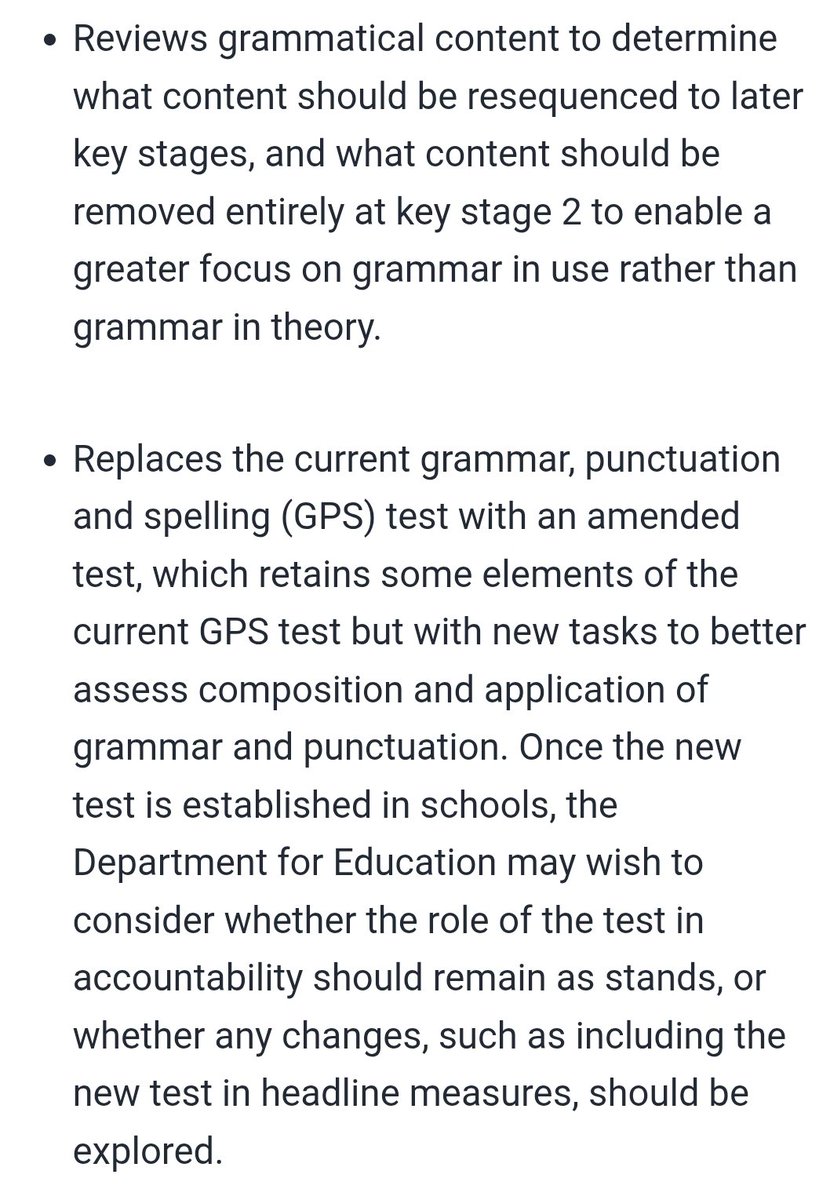
“The best way to teach pupils to write is by teaching them to master sentences. Sentence-level teaching, which focuses on pupils’ understanding about how to construct sentences, should be a key component of any writing curriculum.”
Teaching composition can feel overwhelming. It’s a wide and sometimes complex area that includes generating ideas, planning, organising paragraphs, choosing vocabulary, applying grammar, crafting sentence structure, revising and editing.
If you'd like to delve a little deeper into teaching composition in the classroom, take a look here: https://t.co/Xokk7WBzvc
We are running a competition to give away a class set of 30 copies of A Christmas Carol to a school. It's easy to enter, just follow our page, like & share this post. You must work in a school to enter. The prize will be drawn on Tuesday 24th March. https://t.co/2cWQC8hCPu
You might remember that a few years ago we did a thread on Hamartia which turned out to be very popular, you can now find this on our blog. Take a look 👇 https://t.co/umc0NZLDRG
There’s no point doing homework, unless you can follow these key rules…
All too often, homework is given to students because that is the expectation. One piece of homework, per week, per subject. That’s how it has always been. That’s how it will always be. But rather than just giving homework aimlessly, there are some key rules that we need to follow.
1. That homework has a purpose! How will this given task support students in deepening and extending their learning?
2. That the homework is accessible, from a content perspective.
3. That the homework is accessible, from a technological perspective (or alternatives are available).
4. That independence is scaffolded, with clear support being available to students (and that they know how to use it!)
5. That students understand how this piece of work will help support their learning.
6. That tasks are broken down into small steps and build, as they would with our in-class learning.
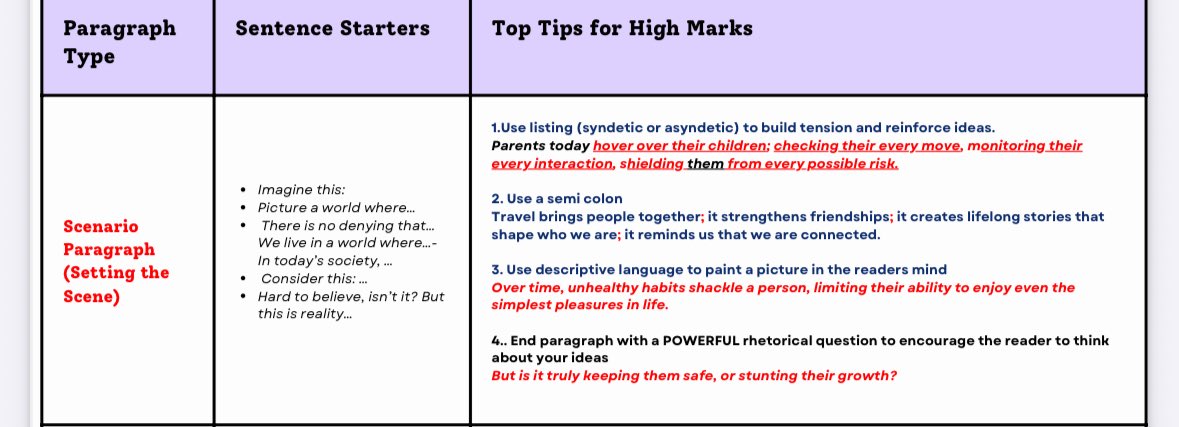
I’ve been teaching students to begin their non fiction writing with a scenario paragraph. Setting the scene, then posing a focused question instantly hooks the reader and frames the issue with purpose. Small shift, big impact on their openings. #teamenglish#engchat
Inspired by the amazing @sarfern and her work on academic writing! I can't help but to make a knowledge organiser!!! PDF here if it's useful to anyone - https://t.co/Rw5otvaKwI
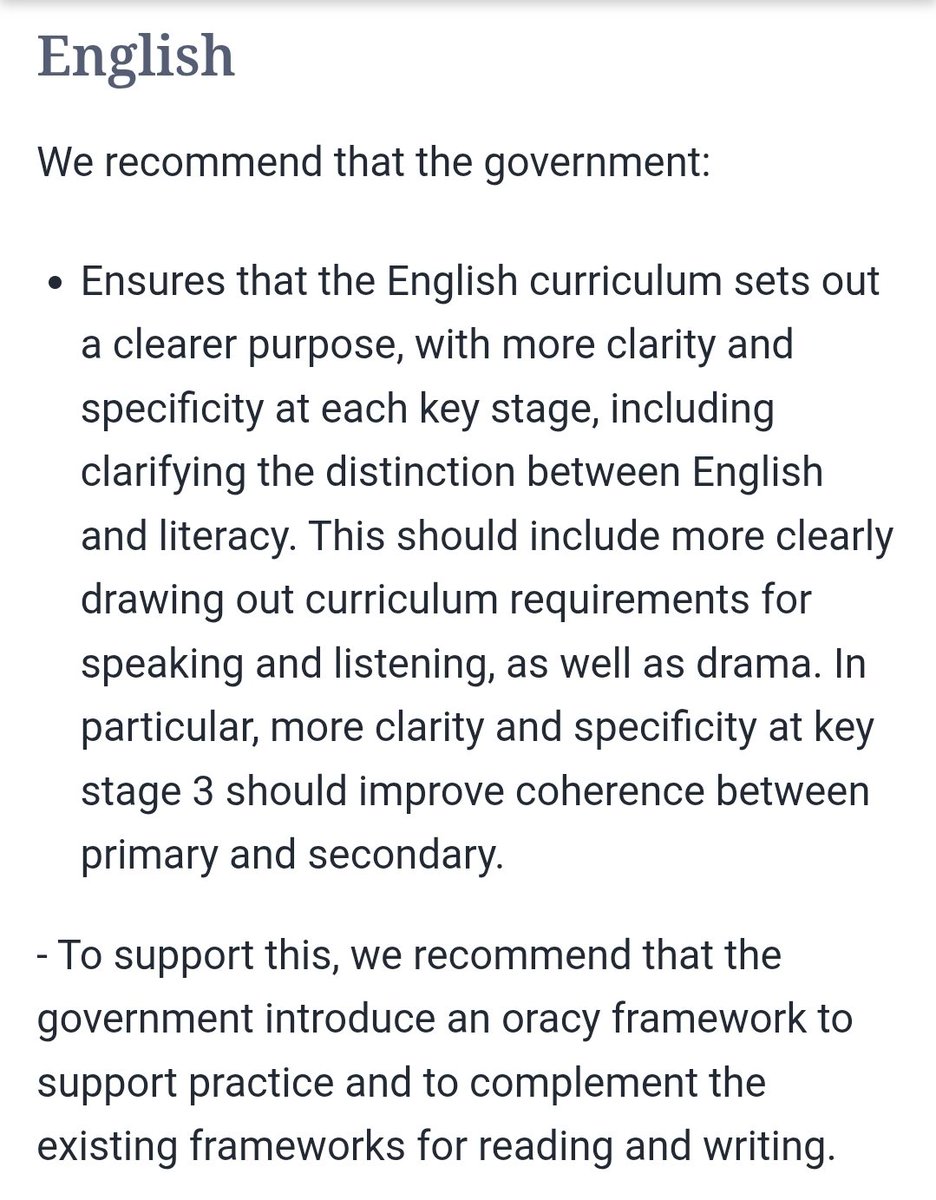
This is very misjudged. If by "oracy skills" we mean rich vocabulary, sophisticated sentence structures, deep background knowledge, then we have very good evidence on how to teach those.
Class debating and discussion are great for all kinds of reasons but they are often the end point of those processes not necessarily the means to get there. As we have seen so many times before, this kind of 'skills first' fallacy confuses the outcome with the mechanism.
https://t.co/jNPooYooux
One of the most glaring barriers to children’s success isn’t lack of instruction it’s lack of practice.
Don’t practice until students can do it, practice until not doing it becomes impossible.