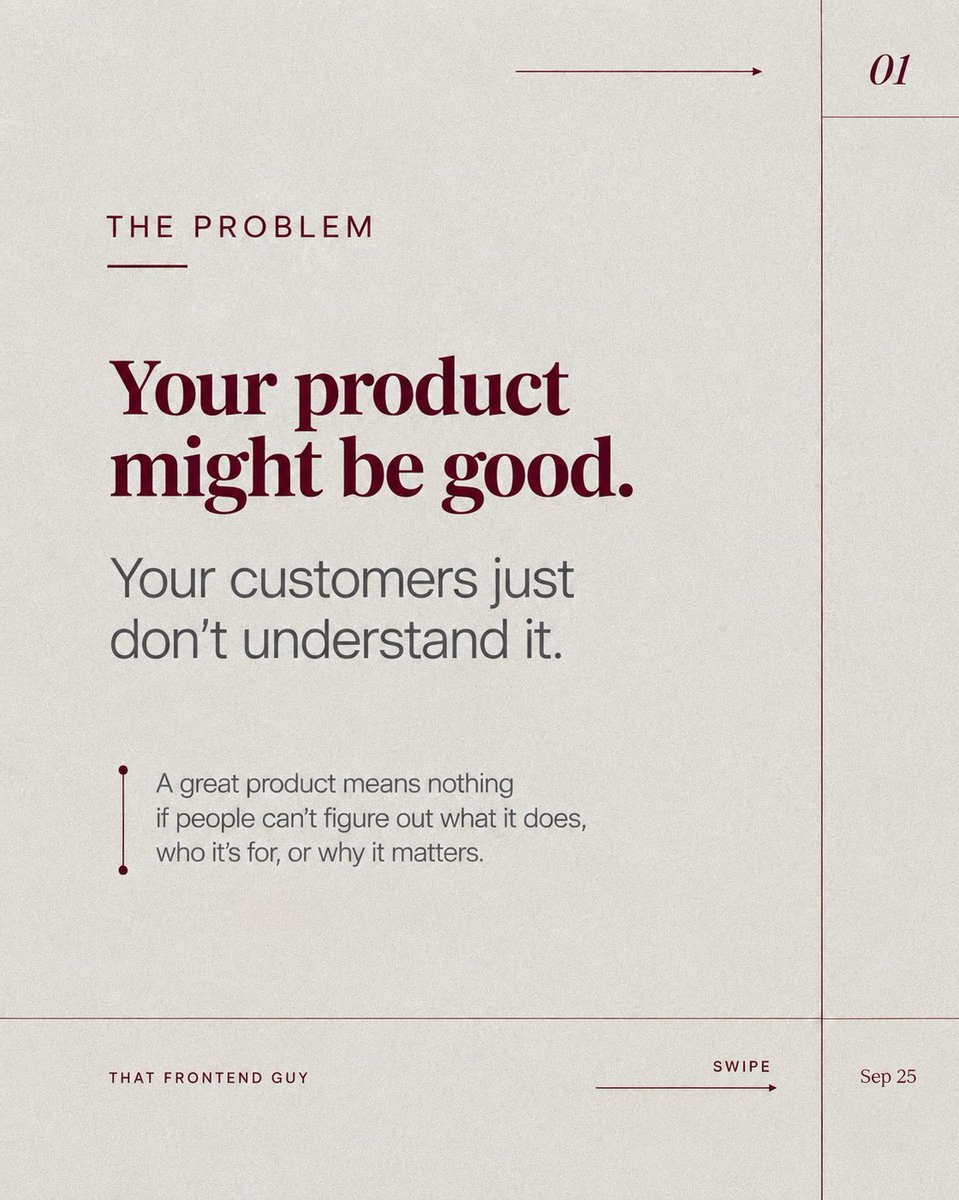
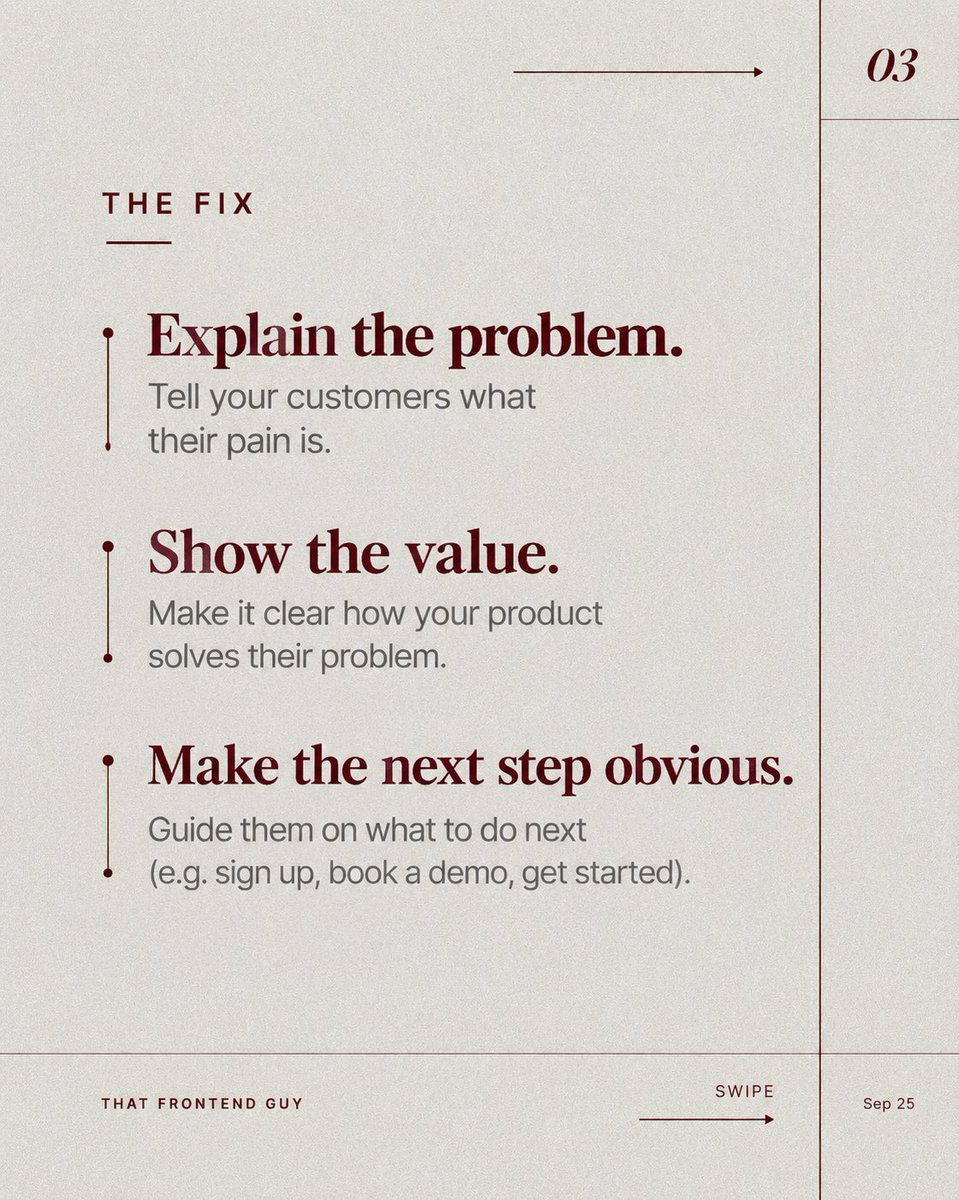
Your product can be great and still be misunderstood. People don’t buy features they don’t understand. They buy clear outcomes and simple experiences.
If customers need a tutorial to understand what you do, the problem may not be visibility. It may be clarity.
#Make it clear
It’s to build it in a way that makes the next feature easier to develop, reduces unnecessary repetition, and prevents the codebase from becoming messy as the project grows.
Build once. Reuse intelligently. Scale better.
#Angular#FrontendDevelopment#SoftwareDevelopment
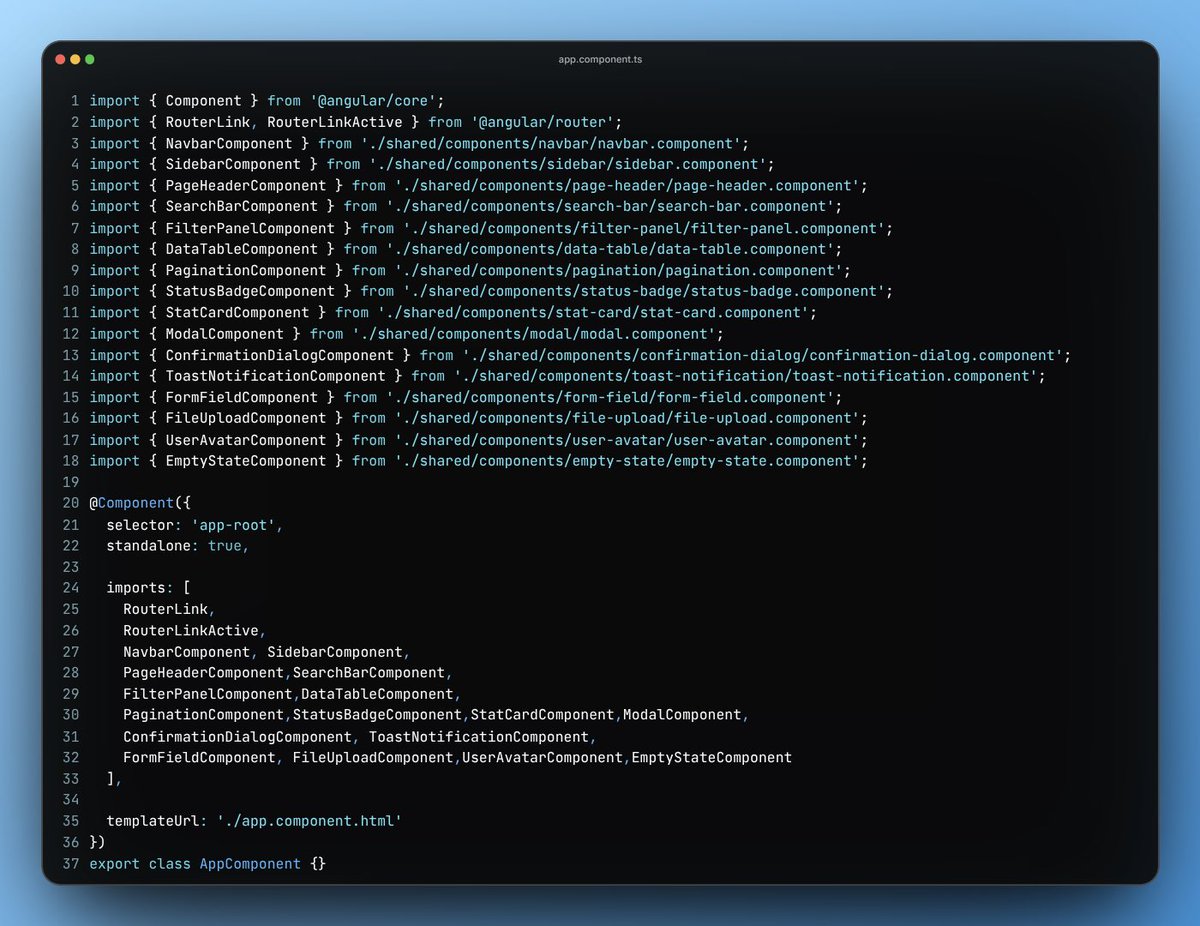
One thing I’ve been paying more attention to when building Angular applications is reusable components.
In a real business application, you don’t want developers rebuilding the same UI elements across different pages.
I’m building components that I can confidently reuse across other projects, while keeping my codebase clean, consistent, and easier to maintain.
The goal isn’t just to make a page work.
For me, reusable components are not just an Angular feature. They are part of building software that can scale with the business.
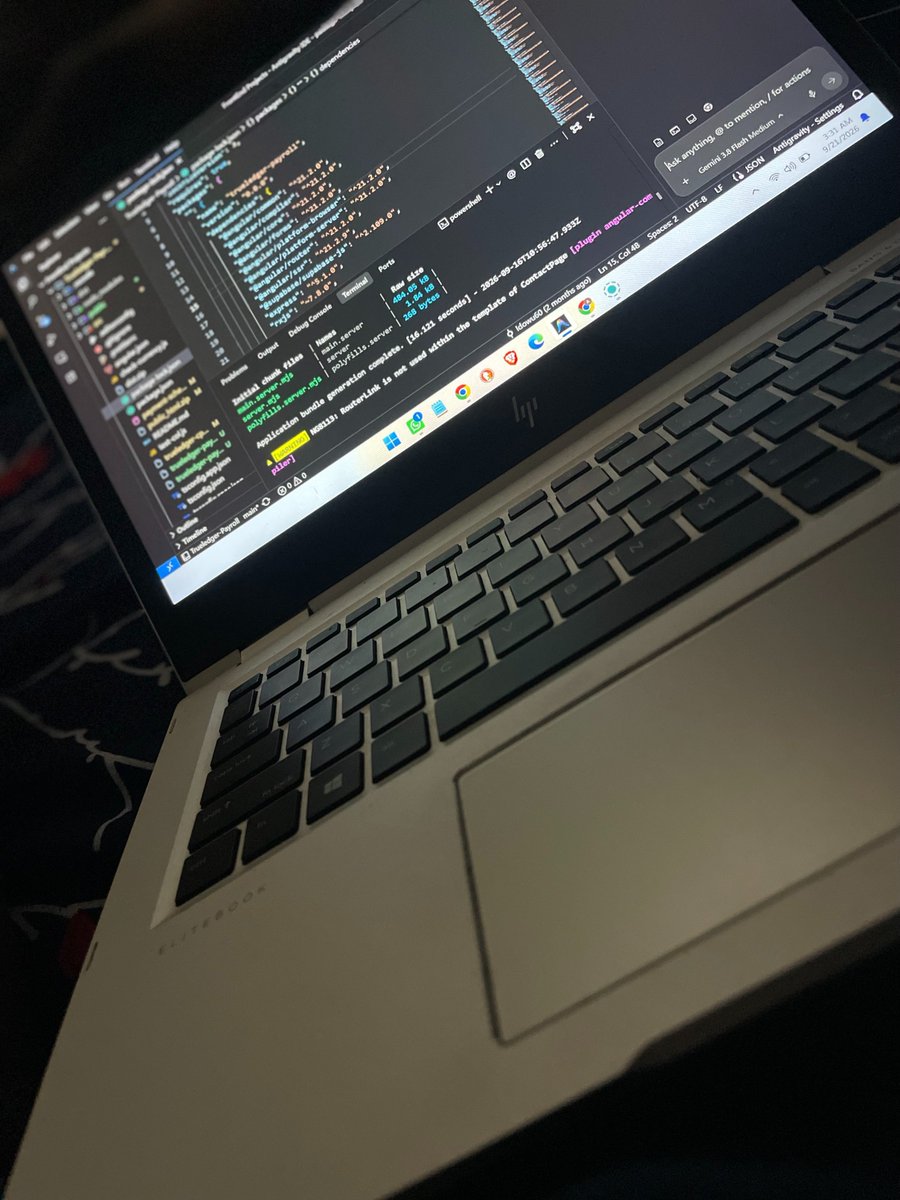
If you see me writing components carefully, it’s intentional. I’m not just building a page to make it work.
2. Faster development: Build once and reuse instead of starting from scratch.
3. Easier maintenance: Changes can be made in one component and reflected wherever it is used.
4. Scalability: As the application grows, the codebase remains more structured and manageable.
Buttons, cards, forms, modals, tables, navigation elements, these can be built as reusable Angular components and used wherever they are needed.
This brings a few important benefits:
1. Consistency: The same component maintains the same design and behaviour across the project.
Everyone was learning React. I chose Angular.
When I started learning frontend development, React was one of the first technologies I came across. But as I spent more time learning, I realized I connected better with Angular.
Angular gave me the structure I was looking for...
I chose Angular because it made frontend development click for me. At the end of the day, the framework matters, but the fundamentals matter more.
Learn how the web works.
Understand your tools.
Build real things.
Keep improving.
Pick a path, get really good at the fundamentals
Application structure, state, APIs, and how different parts of an application work together. That experience has become even more valuable as I’ve worked on production applications. So no, I’m not choosing Angular because I think React is bad.
But I also believe your choice of technology should not be based entirely on what everyone else is using to solve real world problems.
For me, Angular helped me become a better frontend developer and sol. It pushed me to understand architecture, reusable components...
Of course, I’ve heard the usual comments:
“React has more opportunities.”
“Why are you still using Angular?”
“You should learn React.”
And honestly, I understand where those opinions come from. React is widely used, and learning it can open a lot of doors.
I’m waging a war against mediocrity and poverty
I’m taking Work, Gym, God, and Studies very seriously
I’m open to socializing too, if you are interested in building software businesses, growing financially, physically, mentally and spiritually let’s connect
Kindly repost, I’d love to connect with your network as well ✊