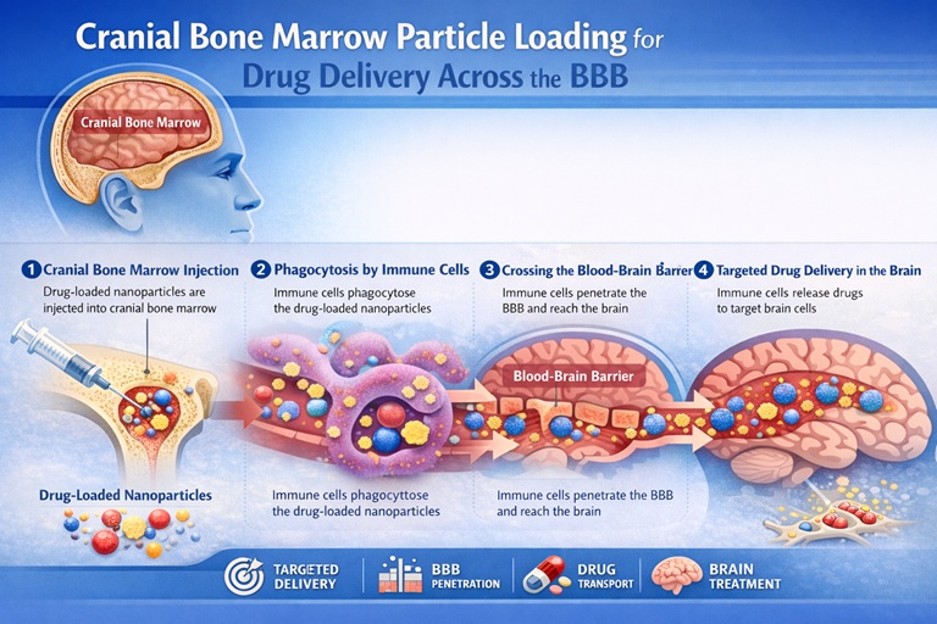
Drug-loaded nanoparticles can "hijack" immune cells in the skull's bone marrow, which then follow their natural migration route through microscopic skull-to-meninges channels directly into the brain, no BBB crossing required.
Read the full post: https://t.co/tRheR7RePy
Received wisdom to settled science: the role of EVs
Many theories gain ground before seismic papers change misconceptions. This is a common scientific path that EVs are not alone in.
Read more
https://t.co/30jFHaWwTu
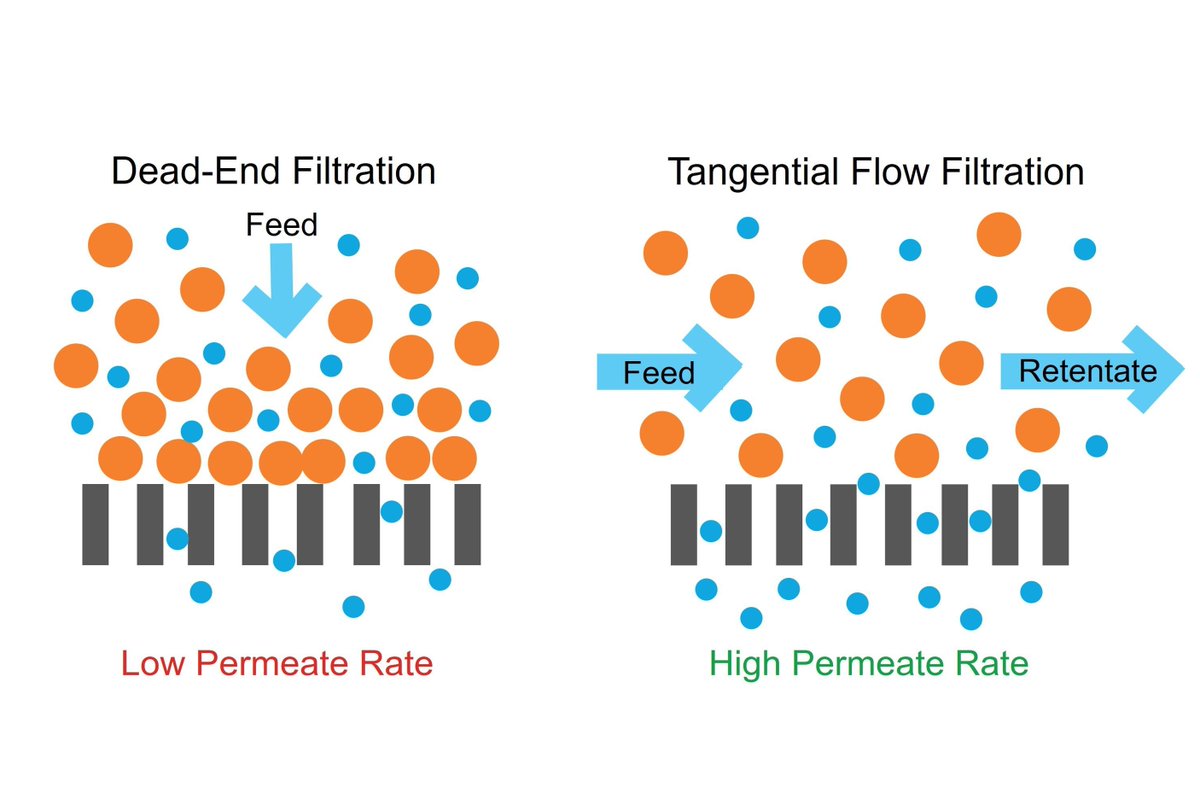
Advancing EV Research with Tangential Flow Filtration
Tangential Flow Filtration is changing how researchers isolate and process extracellular vesicles.
Read more here: https://t.co/wdY6i7KneU
#EVResearch#TangentialFlowFiltration#ExtracellularVesicles
Embryo implantation is a finely choreographed event in which extracellular vesicles have a key role.
Learn more in our weekly blog
https://t.co/2DVe18E4QF
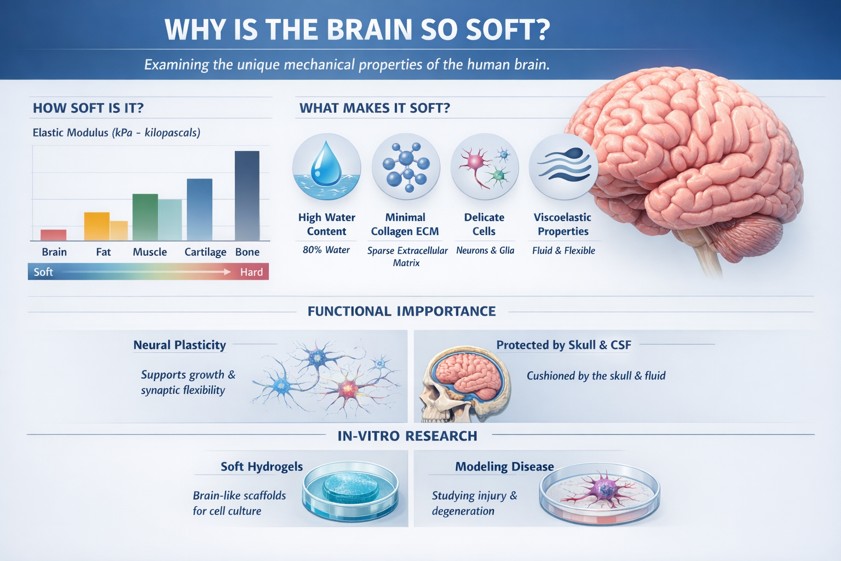
Why is the brain one of the softest tissues in the human body?
Our blog explores how the brain’s extreme softness (≈0.5–1 kPa) makes it behave more like a hydrogel than a fibrous tissue.
How does it achieve this level of softness and why?
https://t.co/zkWG9whGpY
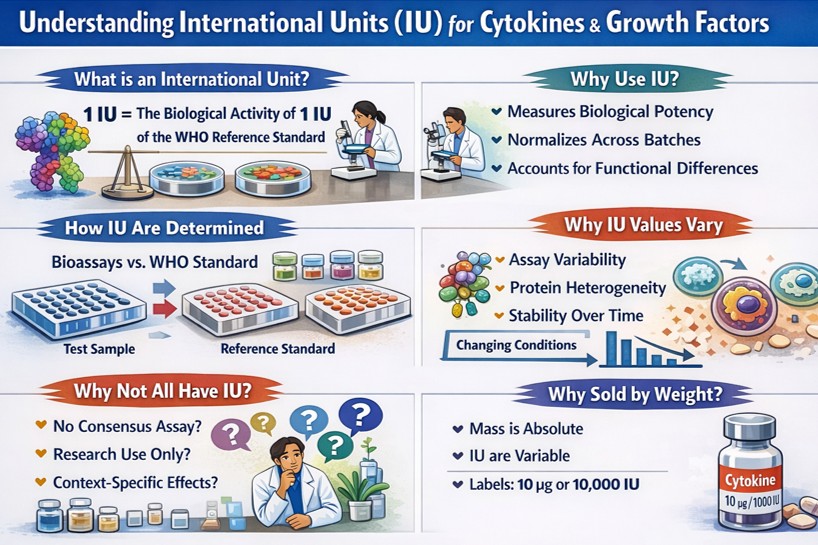
Our latest blog post “Cytokines and growth factors: what are International Units?” breaks down why International Units (IU) are sometimes used to express biological activity and why that distinction matters:
Read the full article: https://t.co/glBWWFKvx3
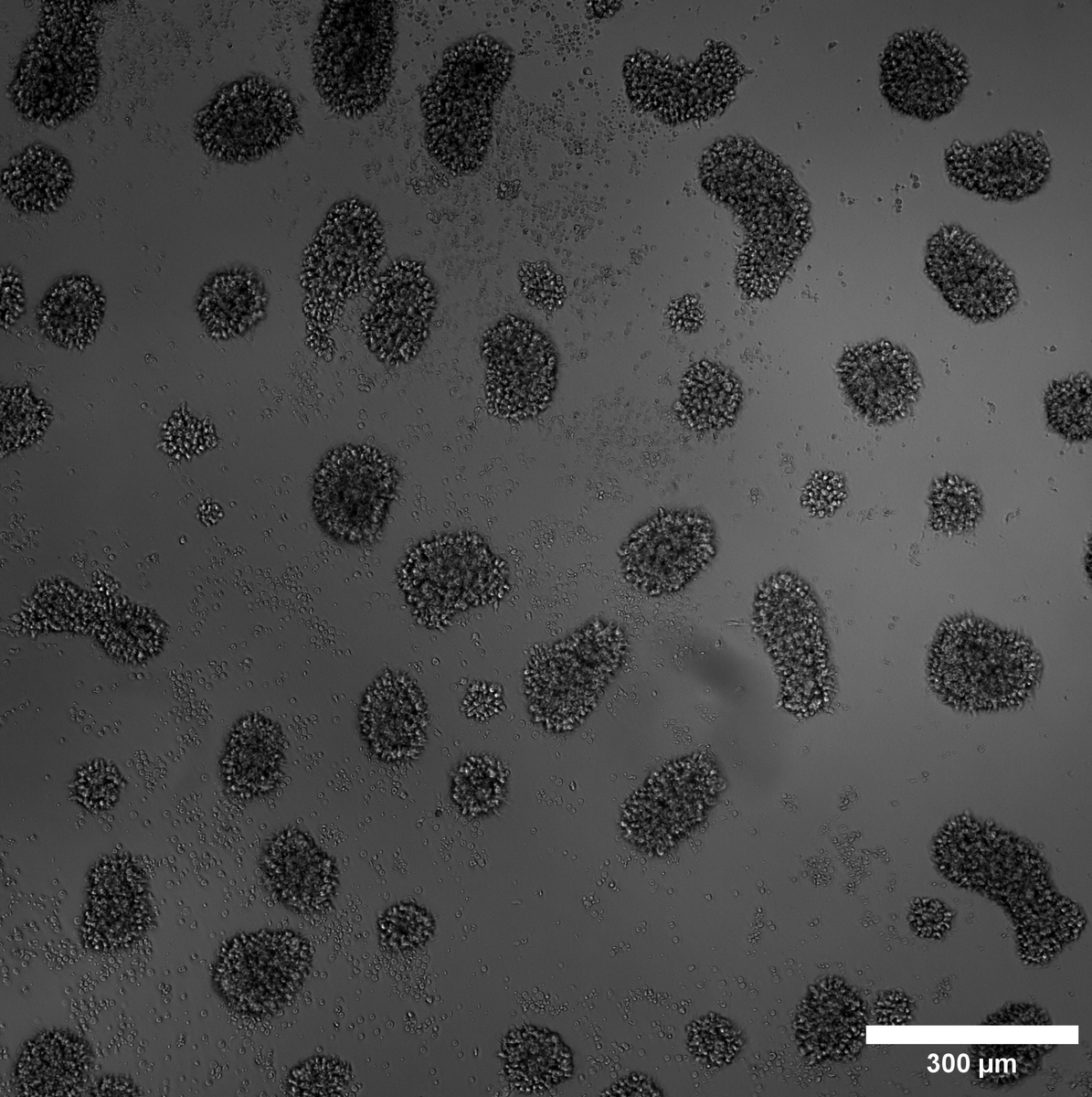
After coarsening, micro-domains made up of aggregated monocytes form on a soft matrix (but not on a stiff matrix).
This phase separation is due to a Turing-like combination of local activation of cell-cell adhesion and global inhibition
More here: https://t.co/1AYrcqtmZj
Creating robust chemokine gradients to create cellular niches is simple with PODS sustained release chemokines.
Read more in our weekly blog
https://t.co/z0QOaiWNto
Not so rare
Rare diseases are so numerous that they are collectively very common. The prospects for people with rare diseases are improving as most diseases are genetic and the tools to identify and correct these errors are improving.
Read more
https://t.co/O1lWI4DZ74
Exosomes in 2026: hype and potential
EVs have increasingly been promoted for their cosmetic benefits. The risk is that poor quality data from cosmetics impacts efforts to develop EVs with clinical benefits
Read more in our blog
https://t.co/nXwRqycd1H
The Hunters gene therapy breakthrough announced today highlights the important role of medical charities in funding clinical research for drugs that would not be commercially viable.
Read the full blog:
https://t.co/PeYRsOqhpQ
A novel “shaking sensor” has been developed that enables real-time monitoring of cytokines – paving the way for continuous inflammation tracking and insights into acute and chronic disease management.
Read more:
https://t.co/FMKIcDVQNU
#biosensors#cytokine#inflammation
With the awarding of a Nobel Prize for the discovery of T reg cells, we ask how many immune cells remain to be identified, reshaping how we understand immunity, disease, and therapeutics.
Read more here:
https://t.co/kJm7ewB1E0
#Immunology#SingleCell#Biotech#Discovery
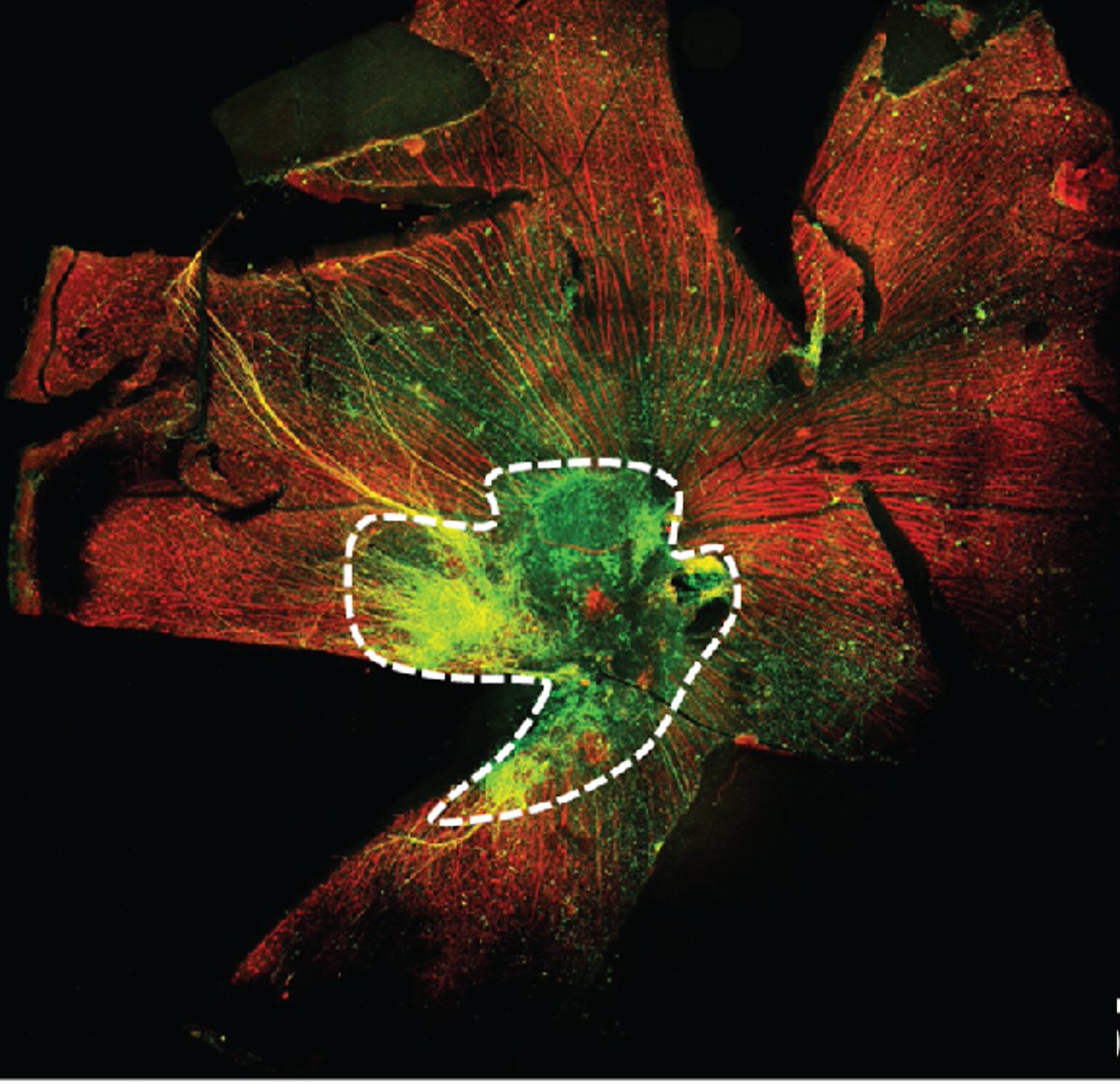
Researchers using PODS® loaded with BDNF + GDNF have shown dramatic improvements in RGC survival and regeneration in vitro and in vivo.
✅ 15× higher survival of transplanted human RGCs
✅ Neuroprotective effects for host retinal cells
https://t.co/sMfjd9tQV9
Under pressure: Modeling glaucoma
Researchers have engineered an in vitro model of the trabecular meshwork (TM) mimicking chronic disease by combining biomimetic collagen scaffolds with PODS® microcrystals that gradually release TGF-β2 .
https://t.co/5WaQYrZDUd
#Glaucoma
Climate change 🌍 not just rising seas: It may also reshape our biology.
Our latest blog explores how heat can damage DNA, alter gene expression, and potentially increase cancer risk.
Read here
https://t.co/Q2aZ7wle9a
#ClimateChange#CancerRisk#Genetics#PublicHealth
Can there be any science without standards?
Setting Standards: Making Research Scientific
Advancing science isn’t just about new discoveries. It’s about how we measure, compare, and agree.
https://t.co/38XXMPAdjQ
A newly discovered type of immune cell found in fat tissue seems to contribute to the chronic inflammation associated with ageing
https://t.co/8X9kY6JA3H
What Are the Most Effective Ways to Concentrate EVs?
EVs often need to be concentrated before purification and downstream analysis. This can be tricky, especially when working with large sample volumes We break down all the options
https://t.co/zwBNMLYnoQ
#EVs#exosomes
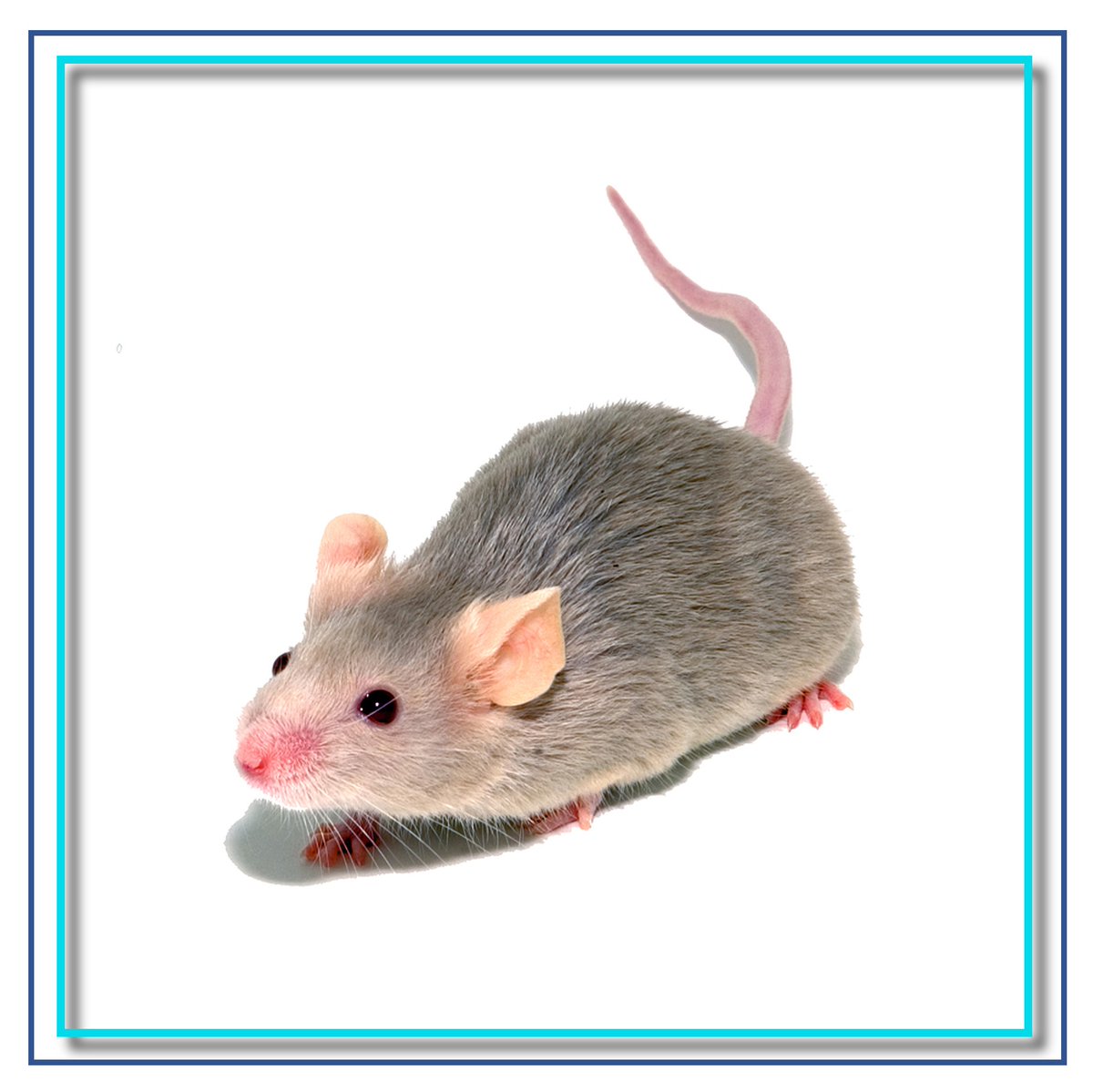
We have some exciting news for researchers working with mouse EVs!
We've expanded our exosome product portfolio with mouse-validated solutions, bringing the same reliability you trust from CellGS to mouse research.
Read more at https://t.co/MZvahrjnrH