Our ebook "How to Drive Tester Feedback" is your new GPS for gathering actionable feedback from your testers in no time!
Learn how to set clear tester expectations, create engaging activities, and maintain regular communication with your beta testers. https://t.co/F0yKuWlAG1
When was the last time beta results changed a launch plan?
If the answer is “never,” it might not be the data. It could be how the data reaches the meeting.
10,000 beta testers sounds great until you’re reading all the feedback. We'd rather spend the night in a haunted house, thanks. 👻
Start with a smaller group that matches your audience and actually participates.
Link in the first reply.
The best feedback from a user test often comes from behavior nobody put on the task list. It shows up because someone is using the product the way they would if they'd bought it themselves. That's what you get from testers who need the product to work as much as you do.
Every test ends with a pile of issues, ideas, and praise and a release date that doesn't care. This is the side of the Centercode platform that brings order to the chaos→ https://t.co/qAvVMHNjnj
Even a basic test plan, run in real homes with real people, will get you plenty of issues, ideas, and praise.
But collecting feedback isn't typically the hardest part. Knowing which of those issues and ideas will cost you customers is.
That's where Centercode scores.
Your smart home product is never the only thing in the house, and the house keeps changing. You can't test against a device that hasn't shipped yet. But you CAN ask a few hundred people in your Centercode community to add something new to their setup and tell you what broke.
Your smart home product is never the only thing in the house. It shares space with two other hubs, an undocumented dimmer switch, and signal-eating walls.
With Centercode, profile candidates at signup and recruit participants whose houses look like your market.
That's a wrap on the San Francisco Micro Summit. Thanks to everyone who joined us at the Autodesk Gallery yesterday.
Boston is next, September 23. Registration is open: https://t.co/bW4iJFvp8V
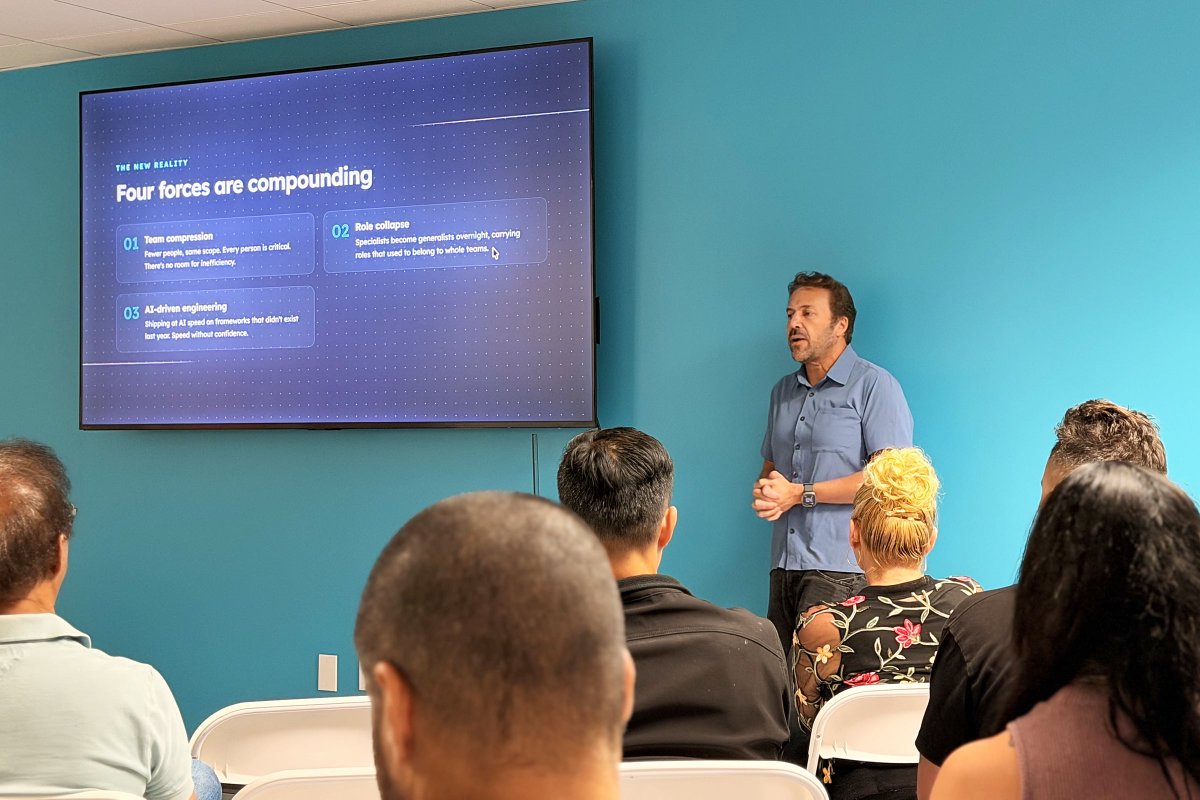
Down to the last session here in SF. Luke Freiler is up to close on where product is headed in the AI era.
A lot of notes taken during Pavan Kumar, Brad Day and Rob Bridgman's sessions earlier.
Thanks to everyone that joined us and to the Autodesk Gallery team for hosting!
There are still a few spots open for tomorrow afternoon: https://t.co/8fbsxDrUfK
Worth registering tonight rather than in the morning, since the Gallery needs your name in advance for building check-in.
Tomorrow at the Autodesk Gallery: Pavan Kumar of Google Labs on world models and agents, plus Luke Freiler, Brad Day, and Rob Bridgman on what AI changes about building product.
Optional tour at 12:30, doors at 1. Bring your Autodesk check-in code.
One week out. Product AI Micro Summit, Autodesk Gallery, San Francisco, next Wednesday.
Sessions from Pavan Kumar of Google Labs, Luke Freiler, Brad Day, and Robert Bridgman on how AI is changing product work.
Half day + dinner. Free to attend. Join us→ https://t.co/s0cXgPLUVv
Speaking of good rooms: we're hosting one in San Francisco on August 12, a capped half-day with Bay Area product folks and dinner after.→ https://t.co/apaw8toBIf
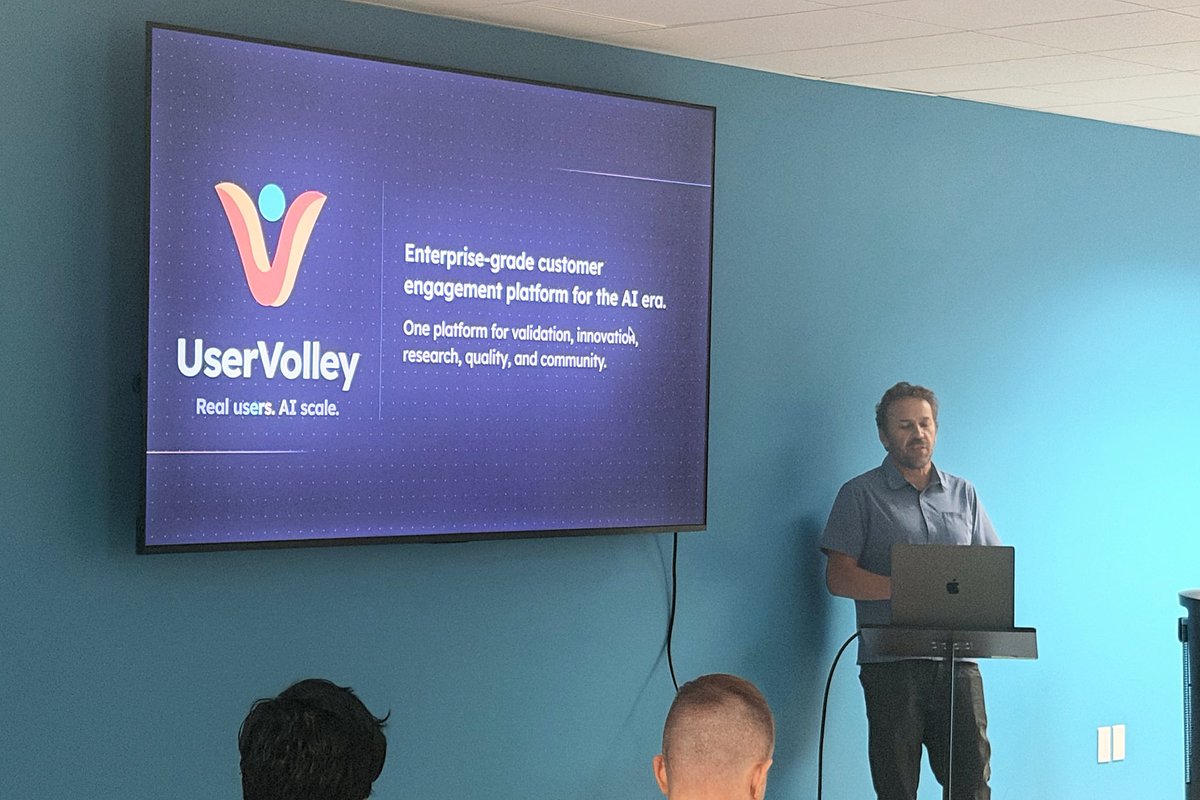
One packed house at our HQ. Hosting AI Tinkerers OC in July was a blast, and Luke Freiler's UserVolley demo just made their global newsletter. We'll keep the doors open. 😁 https://t.co/esTUU7WZGW