Automation gives you MORE time to be personal where it matters. You can’t give personal attention when you’re drowning in tasks. Systems free you to focus on relationships.
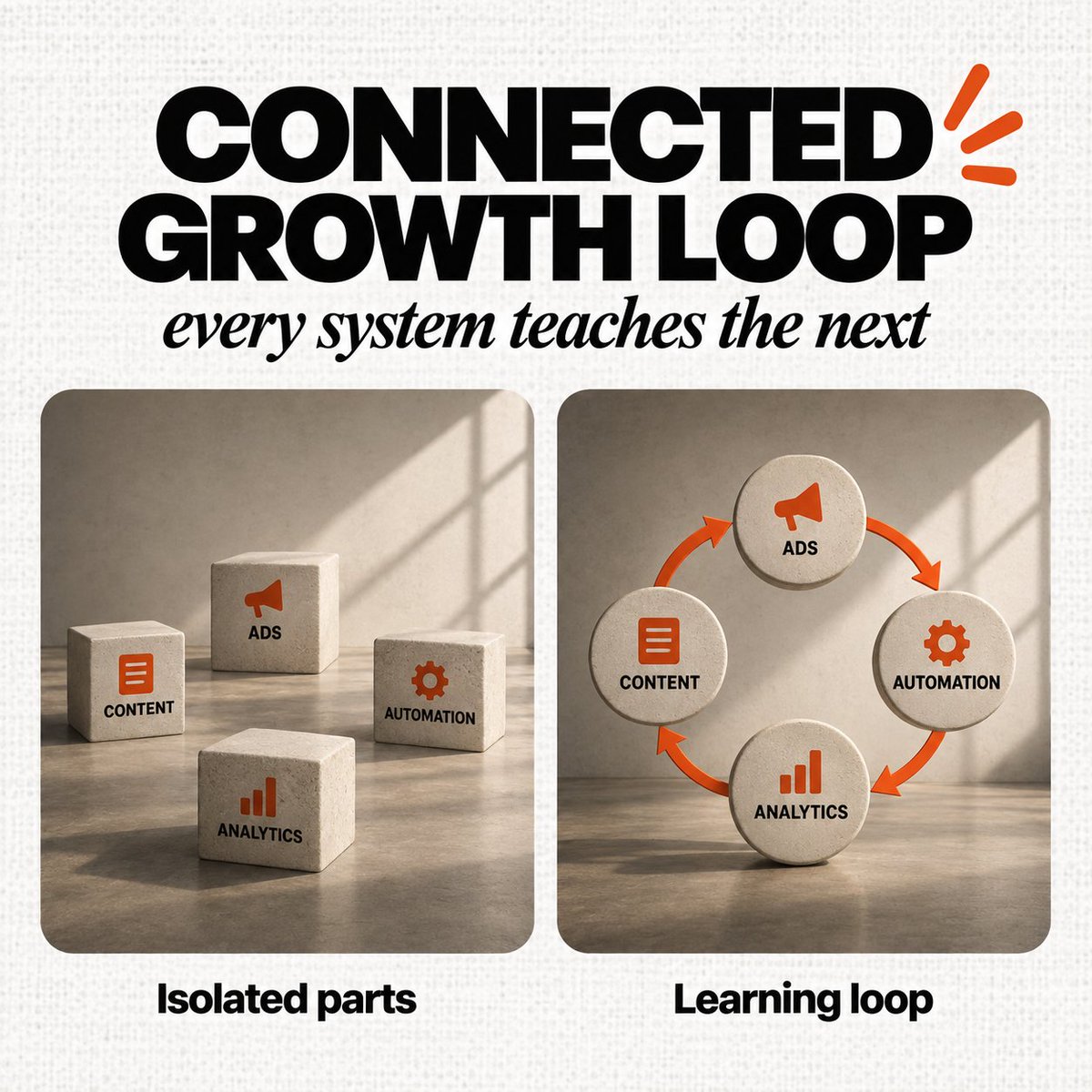
Marketing becomes easier to improve when the system is connected. Ads create demand, content builds trust, automation protects response time and analytics closes the learning loop. Growth is stronger when every part informs the next.
A growing business doesn't need a complicated review process. Thirty minutes once a month, looking at three numbers, is usually enough.
How quickly leads get a reply, what a customer costs to acquire, and how many customers come back are enough to show whether things are improving.
Writing down what changed and what you learned each month builds a record most competitors never keep.
Steady attention to a few honest numbers beats occasional attention to many.
Consistent social media does not mean posting the same format every day. A useful system rotates insight, proof, education and perspective while keeping one recognizable voice across every channel.
Testing button colors and headline fonts feels productive, but it rarely changes results the way testing the offer itself does.
A clearer guarantee, a different price structure, or a simpler first step can change conversion far more than any design tweak.
The biggest gains usually come from changing what you're asking the customer to do, not how the page looks while they do it.
Test the idea before you test the paint.
When a hot lead arrives, the right person should know within a minute, with the full context in front of them, not a vague notification to check a dashboard later.
A message that says who it is, what they asked, and which page they came from lets someone respond like they already know the customer.
Small details in how an alert is written often decide whether a fast reply is also a good reply.
Speed matters, but speed with context is what wins the conversation.
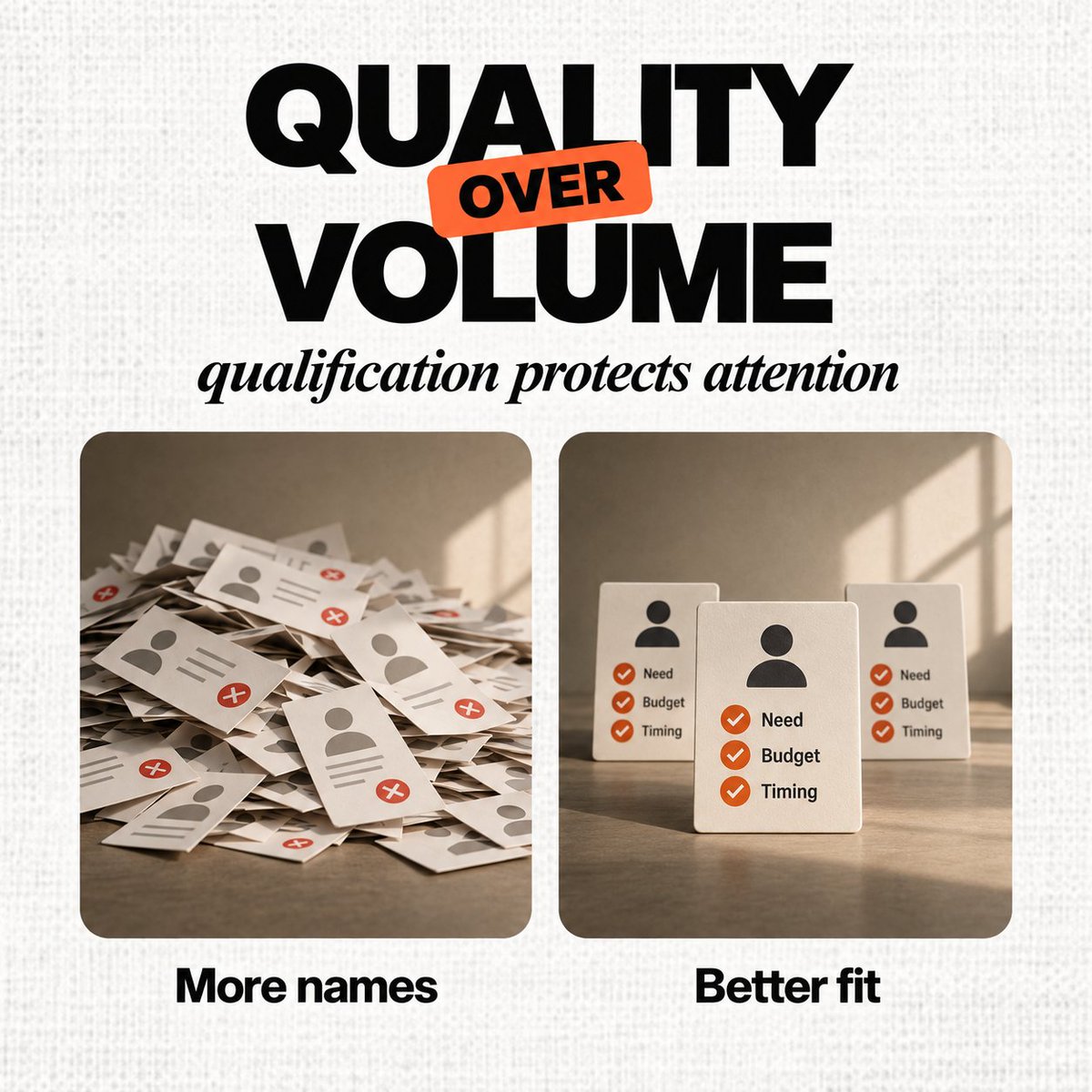
Lead generation is not a volume contest. A smaller pipeline with clear need, budget and timing gives sales more room to follow up well. Qualification protects attention on both sides of the conversation.
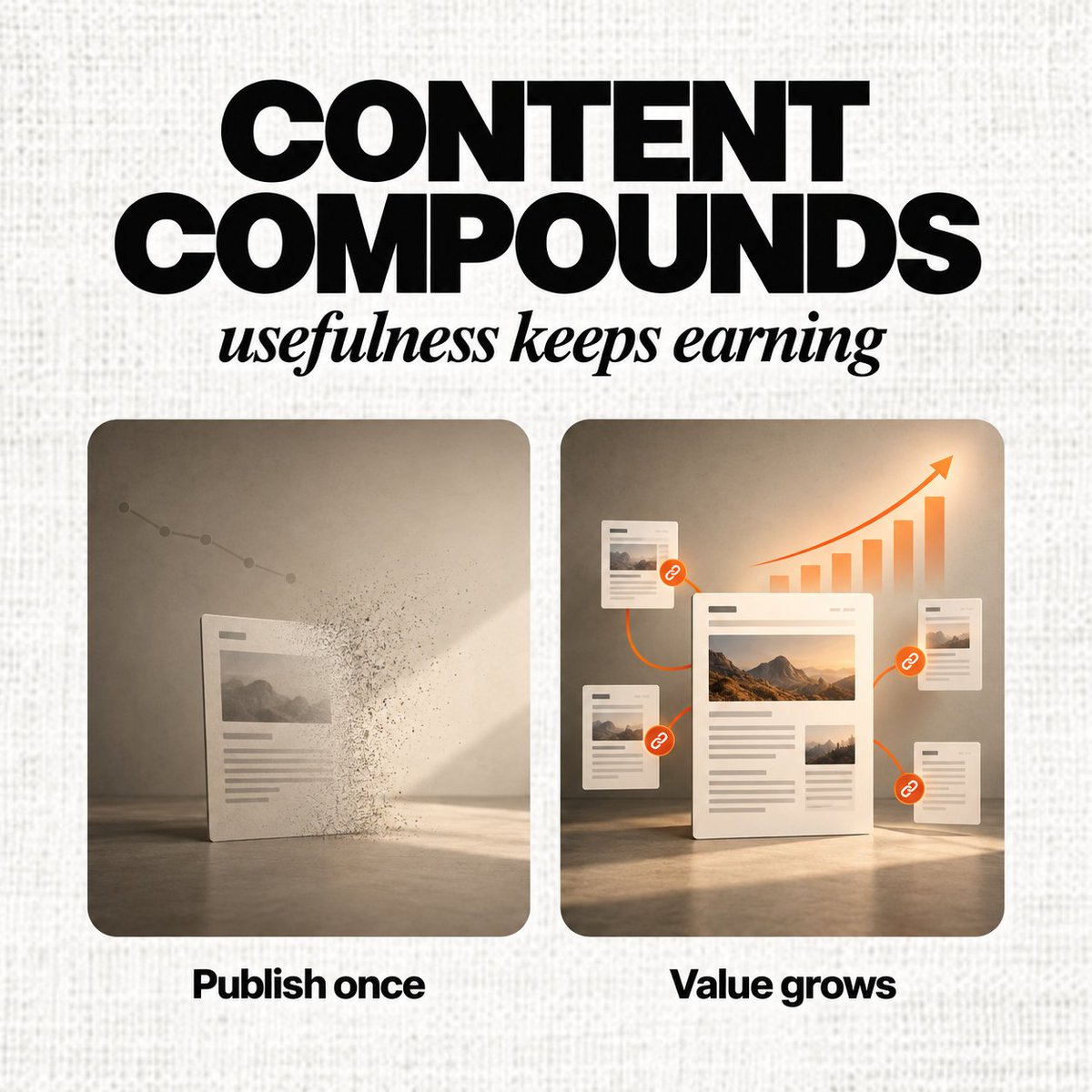
SEO becomes valuable when one page keeps solving a real question. Clear structure, useful evidence and strong internal links allow good content to earn visibility long after publication day.
Ad platforms learn from the data you send them. If you only report a lead when someone fills out a form, the system optimizes for form fills, including the low quality ones.
Sending back which leads actually became customers teaches the platform what a good result really looks like.
The same budget then starts finding people who resemble buyers, not just people who click.
Better data in usually matters more than a bigger budget out.
An AI agent is only as good as the information it's given. Feed it vague pricing, outdated policies, or contradictory answers, and it will repeat all of that confidently.
The real work is writing down what your best employee would say in each situation, in plain language, and keeping it current.
Businesses that do this well often discover their own team had never agreed on the answers either.
Good automation quietly forces a business to clarify how it actually operates.
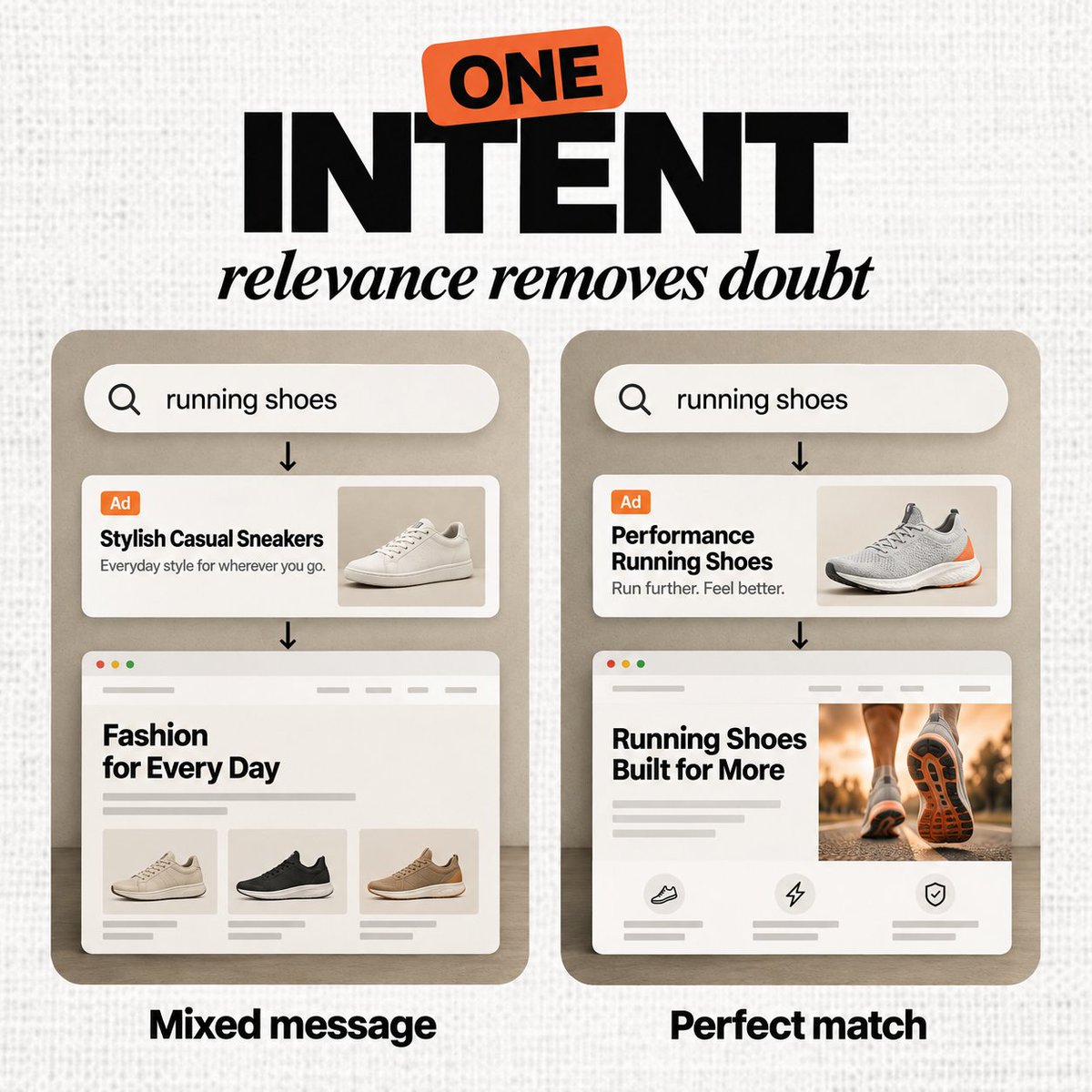
A search campaign works when the keyword, message and landing page answer the same intent. Every mismatch adds doubt. Relevance is not a platform score alone. It is the feeling that the result understands the search.
Creative testing is not changing a color and hoping. Test a distinct promise, proof point or customer problem. When each variation carries a clear idea, the result teaches the team something useful.
Recording one useful video or writing one solid guide and using it once is one of the most wasteful habits in marketing.
A single piece can become a short clip, a carousel, an email, a WhatsApp message, and a section of a landing page, each reaching people who prefer a different format.
The effort of creating the idea is the expensive part. Adapting it should be quick and mostly systematic.
Consistent presence usually comes from smart reuse, not from working harder every week.
Someone searching how to fix a problem, someone comparing prices, and someone looking for a business near them are all searching, but they want completely different pages.
Sending all three to the same generic article wastes the visit and the ranking effort behind it.
Matching each page to a specific intent, learning, comparing, or buying, is what turns traffic into customers rather than just visitors.
Ranking for a keyword only helps when the page actually answers why the person typed it.
Meta Ads learns from the signals it receives. Clean tracking, meaningful conversion events and fast lead feedback give the system better information. Strong performance begins long before the budget is increased.
Sales teams tend to dislike updating the CRM, and the data suffers for it. Notes go missing, statuses lag behind reality, and reports stop being trusted.
The answer isn't asking people to be more disciplined. It's capturing the obvious information automatically, from messages, forms, and calls, so people only add what needs human judgment.
Clean data stops being a chore and starts being a byproduct of doing the work.
A CRM people trust is worth far more than one that is technically complete.
A dashboard should answer a decision. What deserves more budget? Where are leads dropping? Which workflow is failing? If a metric cannot change an action, it probably does not need the largest space on the screen.
Seasonal demand in Morocco, Ramadan, summer, back to school, end of year, arrives on a predictable calendar, yet many businesses start preparing when it has already begun.
Content needs time to be indexed, ads need time to learn, and offers need time to be tested before the busiest days.
Planning six weeks ahead turns a rushed reaction into a steady advantage over competitors who start late.
The businesses that win the busy season usually did their real work in the quiet weeks before it.
More data does not guarantee better decisions. Useful attribution connects the first touch, the qualified conversation and the final sale. That chain reveals which channels create revenue, not merely activity.
Disconnected tools create invisible work. When forms, email, WhatsApp and the CRM share one customer record, teams stop copying information and start acting on the same version of the truth.
If your ad promises one thing and the landing page opens with something slightly different, visitors leave in seconds and never tell you why.
That mismatch is one of the most common and least noticed reasons paid traffic underperforms.
The headline on the page should feel like a direct continuation of the ad the person just clicked, using the same words and the same promise.
Before changing the budget, read the ad and the page one after the other, the way a stranger would.