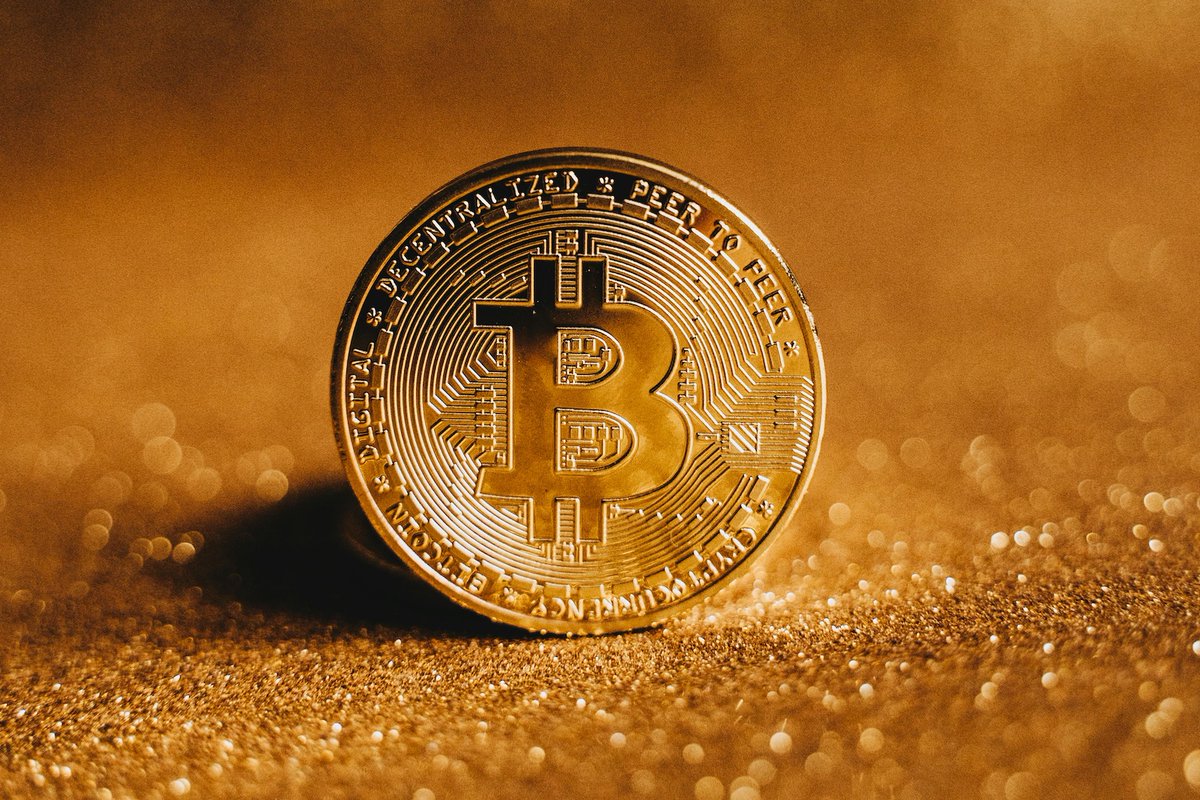
Square pushing Bitcoin into millions of merchants is another step toward crypto payments going mainstream. The real test is whether networks can scale cheaply and reliably for everyday use something Bitcoin SV has always positioned itself around with high throughput and low fees.
🚨"Q-DAY” RISK JUST JUMPED, 1 IN 10 ODDS BY 2032, SAYS BITCOIN SECURITY RESEARCHER
Justin Drake now sees at least 10% chance a quantum computer cracks Bitcoin private keys by 2032.
He says pre-2030 is still unlikely, but "now is undoubtedly the time to start preparing."
His claims follow Google’s latest quantum research showing Bitcoin could be cracked with ~1K logical qubits 9 mins.
@TechCrunch That’s a bit worrying: it shows how quickly people are getting normalized to losing human oversight at work. Efficiency might improve, but an “AI boss” also means no empathy, no negotiation, and zero accountability in practice just optimization at all costs.
Interesting breakthrough, but the real test is scale going from 1 barrel/day to 10,000 by 2040 is a massive engineering and cost challenge. Still, it’s a meaningful step toward petroleum-free fuels if it becomes economically viable.
🚨JAPAN PRODUCES SYNTHETIC FUEL FROM AIR AND WATER
ENEOS has produced synthetic fuel using CO₂ from the air and water at a Yokohama facility, without petroleum.
Output is currently just 1 barrel per day, but the company aims to scale production to 10,000 barrels per day by 2040.
Rising oil is squeezing airlines hard cost shocks like this usually ripple through all transport and global trade. If energy volatility continues, expect more carriers to cut routes and tighten operations.
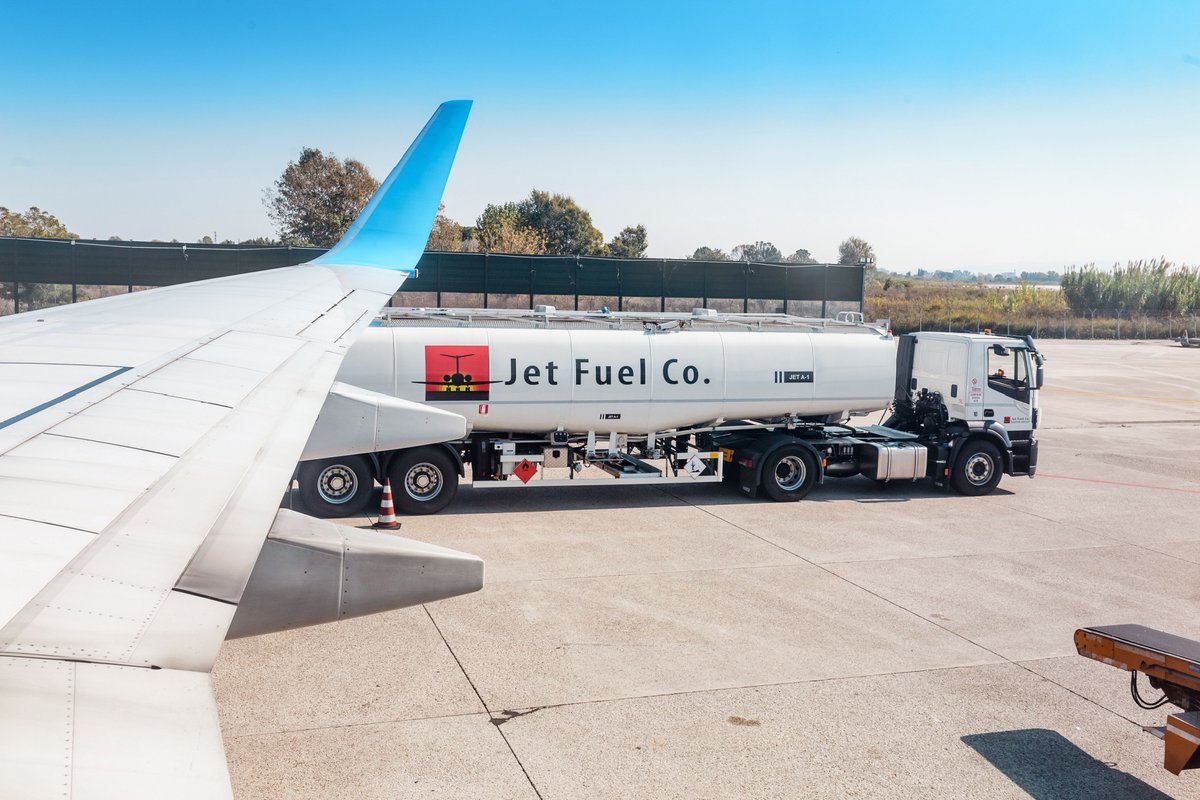
🚨 BREAKING: KOREAN AIR ENTERS EMERGENCY MODE AS FUEL COSTS SURGE
Korean Air, South Korea’s largest carrier, will shift to emergency operations from April, becoming the third Asian airline to do so as oil prices surge amid the Middle East conflict.
@Cointelegraph Big signal for US crypto policy shaping institutions are moving early to guide regulation. Could help speed up real-world blockchain adoption, including scalable enterprise rails.
Central banks moving toward digital euro shows tokenized money is going mainstream stablecoin and on-chain settlement infrastructure like BSV can plug straight into that future.
Swift is validating the model, but it’s still a closed, bank-only system.
BSV already does this as open, scalable global payment infrastructure no permission needed.
🚨 TODAY: Swift's blockchain-based shared ledger has reached MVP stage, with real-world transactions set to go live this year.
The ledger will enable 24/7 cross-border payments between banks' tokenized deposits.
Global trust is fragmenting capital is quietly diversifying away from USD dominance. In that environment, neutral, scalable systems matter more than ever this is where fixed protocol and enterprise-grade throughput start to look less like theory and more like infrastructure.
JUST IN: The US dollar's share of global foreign currency reserves has fallen to its lowest level this century, dropping to nearly 40%, per Bloomberg Intelligence.
Big money flowing into autonomous warfare Saronic is scaling fast to build unmanned naval fleets, a clear signal the future of military power is AI-driven at sea.
@Cointelegraph This isn’t just aviation it’s a region-wide balance sheet squeeze. If oil stays elevated, expect higher prices, slower growth, and more “emergency mode” across industries.
@TechCrunch Not surprising just damage control.
LiteLLM dropping Delve shows that “compliant” doesn’t mean secure, especially after a supply-chain issue.