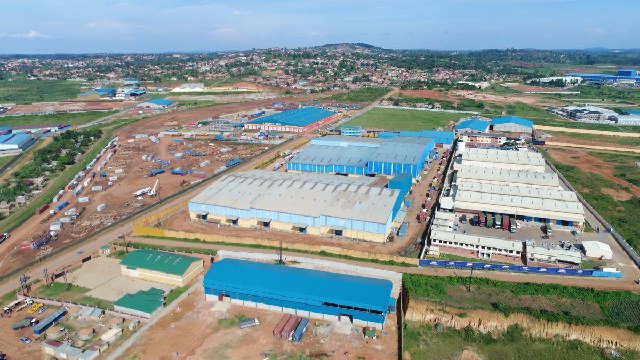
These global shocks highlight the importance of investing in infrastructure, energy, agro-industrialization, and local production to create a more resilient economy.2/2
#EnergySecurity
The 7.9% increase in the global benchmark for #oil prices (Brent crude) to US$90.74 per barrel results in higher transportation costs, increased business expenses, and upward pressure on the cost of living in countries that import fuel. 1/2 #EconomicTransformation
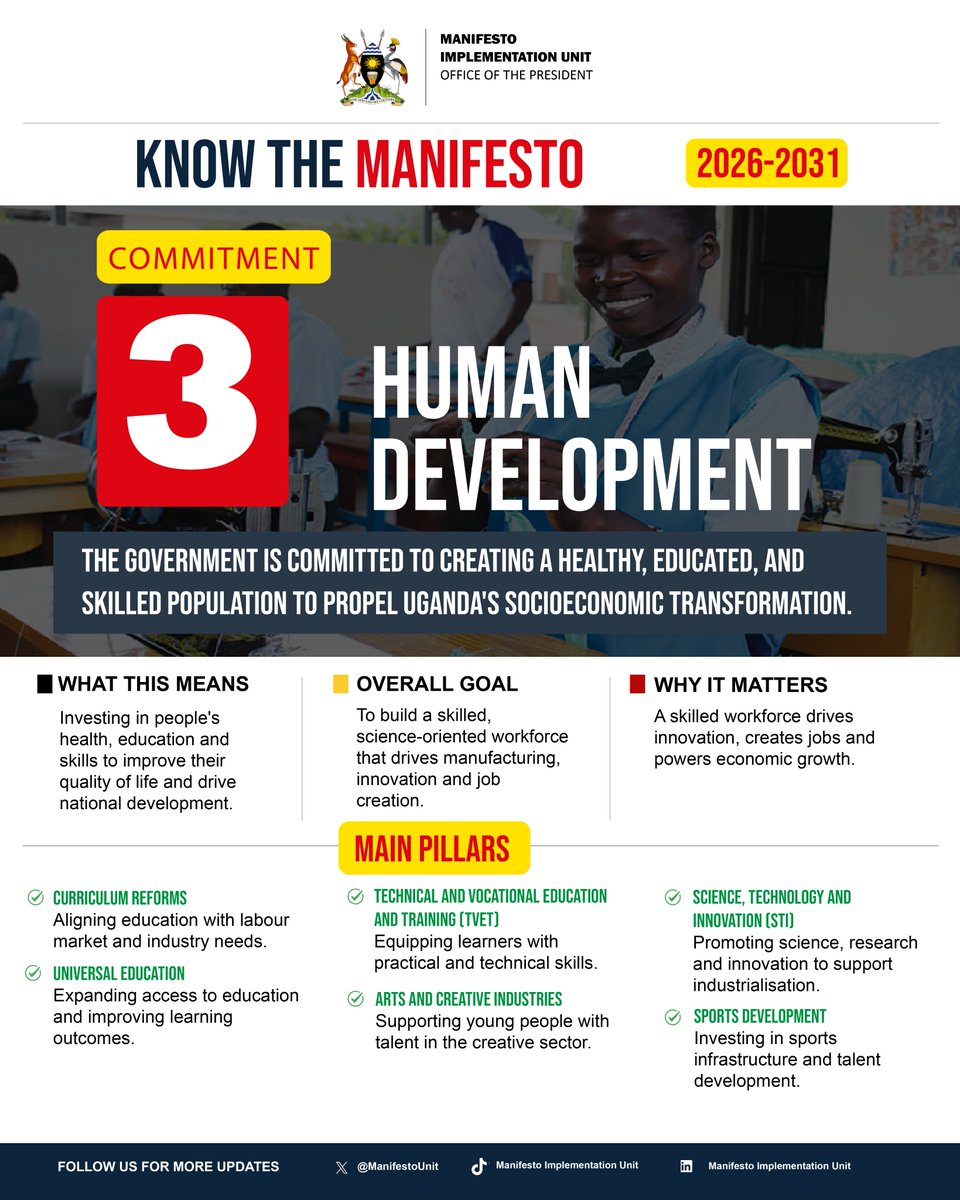
A nation's most valuable resource is its people. The
@NRMOnline#manifesto creates a skilled, science-oriented workforce through curriculum reforms, technical training, and talent development in sports and creative industries. #KnowYourManifesto#Protectingthegains
This is another positive step towards delivering the NRM #manifesto commitments to grow the economy, increase export earnings, promote industrialisation, and strengthen Uganda’s position in regional and international markets. #Protectingthegains@KagutaMuseveni@NRMOnline
Uganda's continued investment in infrastructure, agro-industrialisation and human capital reflects a strategic approach to strengthening productivity, enhancing competitiveness and advancing long-term economic transformation. #FiscalPolicy#EconomicTransformation
As the @IMFNews reminds countries to stay focused on fiscal discipline and long-term investment amid global uncertainty, developing economies, including Uganda, ought to adopt sound public finance, productive investment and effective implementation
@mofpedU@GovUganda
Through #commitment#two of the @NRMOnline manifesto 2026–2031, the gov't is investing in modern infrastructure to improve connectivity, stimulate trade, create jobs and support inclusive economic growth.
Follow #KnowYourManifesto to learn more.
@IMFNews' call for fiscal discipline and long-term investment is essential for developing countries like Uganda. Prudent economic mgt is key to resilience and sustainable growth in an increasingly uncertain global economy. @GovUganda@mofpedU
This development represents a strategic investment in Uganda's economic transformation. Local farmers can now access markets, improve service delivery, and boost rural enterprise. It's a great step toward Uganda's ambitious goal of $500 billion by 2040.
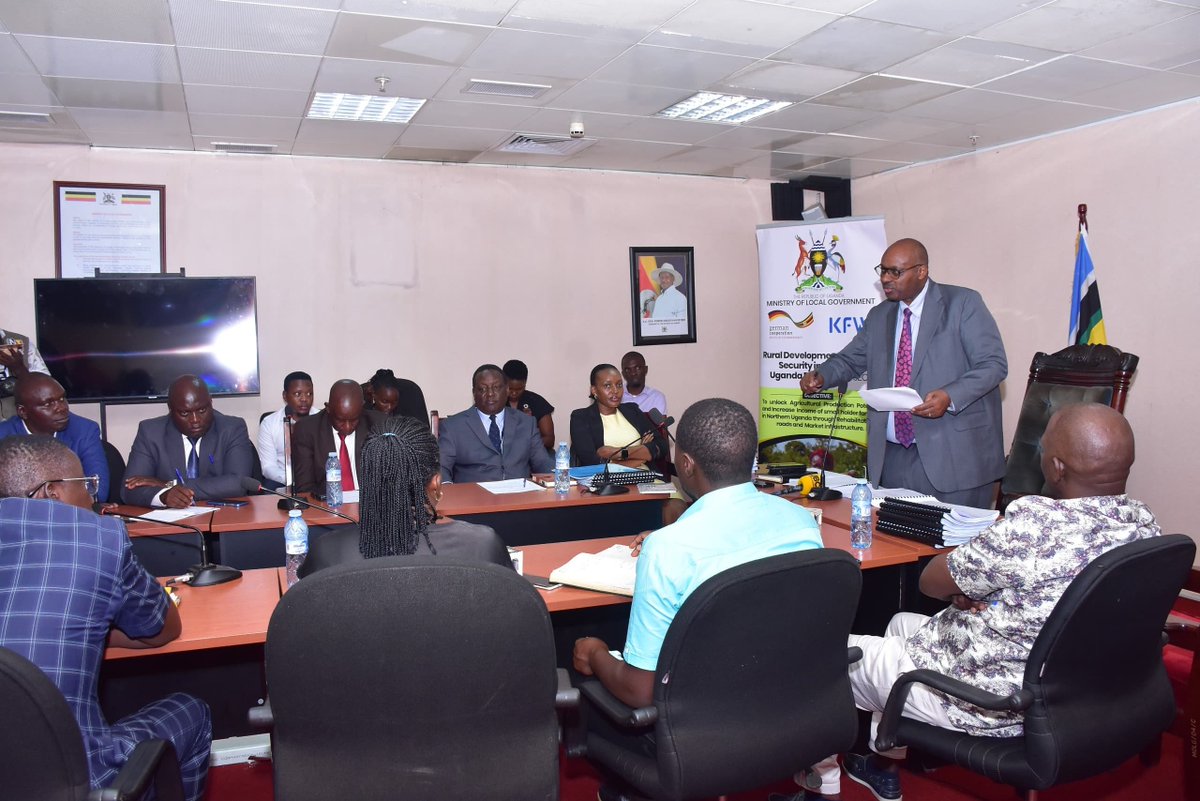
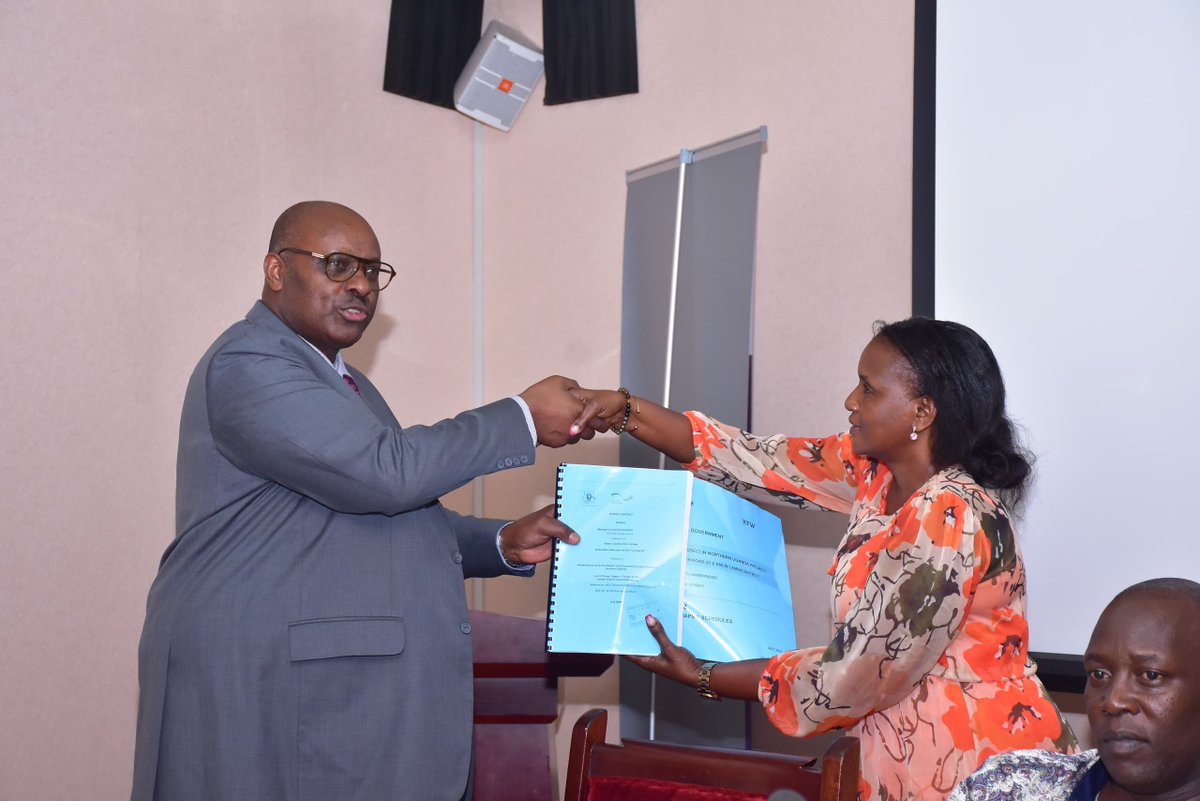
𝐌𝐨𝐋𝐆 𝐒𝐢𝐠𝐧𝐬 𝐂𝐨𝐧𝐭𝐫𝐚𝐜𝐭𝐬 𝐭𝐨 𝐑𝐞𝐡𝐚𝐛𝐢𝐥𝐢𝐭𝐚𝐭𝐞 𝟏𝟑𝟗𝐤𝐦 𝐨𝐟 𝐂𝐨𝐦𝐦𝐮𝐧𝐢𝐭𝐲 𝐀𝐜𝐜𝐞𝐬𝐬 𝐑𝐨𝐚𝐝𝐬 𝐢𝐧 𝐍𝐨𝐫𝐭𝐡𝐞𝐫𝐧 𝐔𝐠𝐚𝐧𝐝𝐚
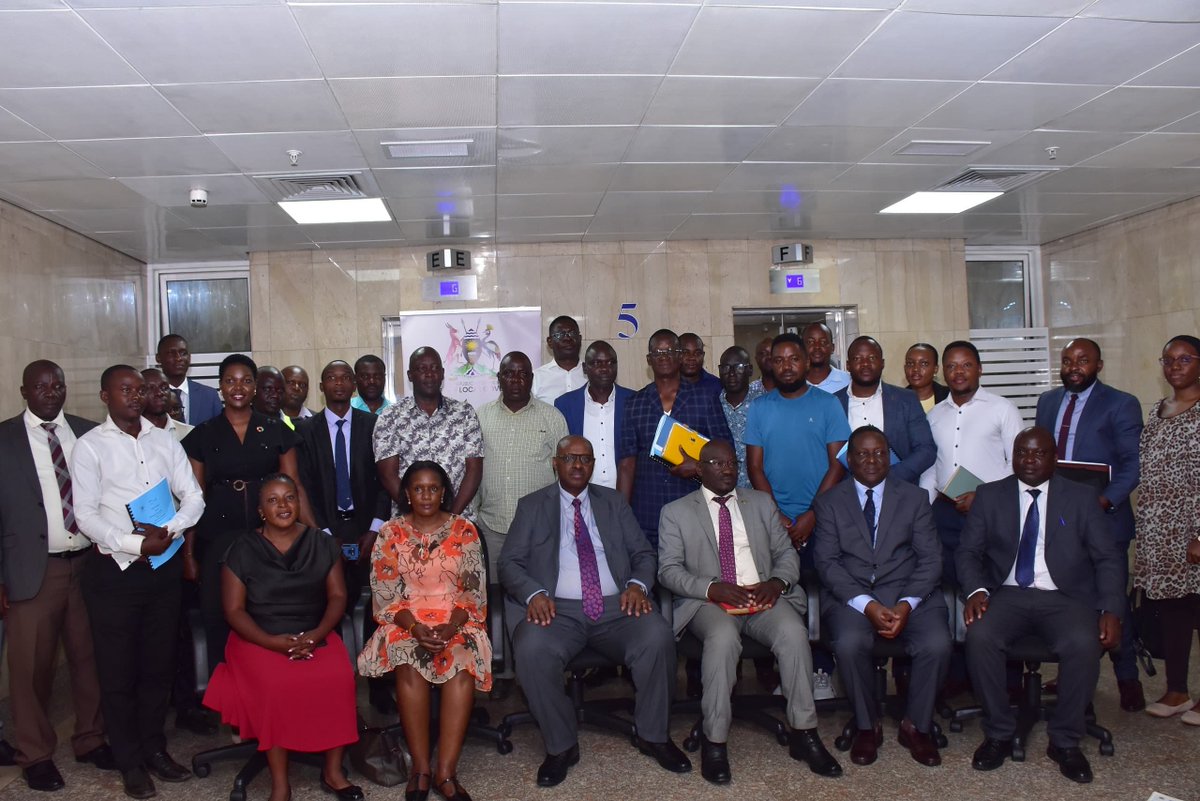
The Ministry of Local Government has signed contracts for the rehabilitation of 139 kilometres of district and community access roads across nine districts under the Rural Development for Food Security in Northern Uganda (RUDSEC) Project.
Construction is set to begin next week following the official handover of project sites.
The roads will improve connectivity across Lamwo, Agago, Pader, Dokolo, Lira, Oyam, Serere, Soroti and Kaberamaido, making it easier for communities to access markets, healthcare, education and other essential services while supporting agricultural production and trade.
Speaking at the signing ceremony, Permanent Secretary Ben Kumumanya said reliable road infrastructure is fundamental to Uganda's socio-economic transformation.
"Agri-industrialisation is central to Uganda's journey towards middle-income status. That transformation begins with motorability and accessibility through roads, which facilitate trade, service delivery and other development activities."
The project will rehabilitate key road links spanning 139km, creating jobs for local communities during construction while improving transport and market access for thousands of farmers.
Implemented by the Ministry of Local Government, the RUDSEC Project is funded by the Government of Uganda and the German Government through KfW Development Bank.
The initiative aims to increase agricultural incomes, strengthen food security and accelerate local economic development through improved rural infrastructure.
@MoLGUganda #OpenGovUg
@MoLGUganda rehabilitation of 139 km of community access roads in 9 districts of Northern Uganda is another significant step toward achieving #Priority 2 of the @NRMOnline manifesto on infrastructure development, which seeks to modernise the social and economic infrastructure.
"PDM replaced the role of my husband, who abandoned us." Efurance Nalubega's story exemplifies commitment #one of the NRM gov't #manifesto 2026-2031: Expand the economy and increase Wealth. #Protectingthegains
To all taxpayers and business owners, the new financial year is here, and it's time to know how the 2026/27 tax amendments affect you.
Uganda Revenue Authority, in partnership with the Ministry of Finance, Planning and Economic Development and various partners, will host national dialogues focusing on the new tax administration measures that will steer our economy towards full monetization, industrialisation, digital transformation and market access.
Join the Kampala dialogue live on Tuesday, 7th July 2026, at 10am on @ubctvuganda , @bukeddeonline , @bbstvug and #URATV.
Thereafter, the discussions will shift to Thursday 09th July 2026 in Jinja, Mbale, Lira, Gulu, Arua, Hoima, Mbarara, Masaka and Fort Portal and online across our digital platforms.
#NationalPostBudgetDialogue
#DevelopingUgandaTogether
#FFeBanno
MOFPED AND URA AGREE ON TARGET OF 20% TAX TO GDP RATIO BY FY 2029/30
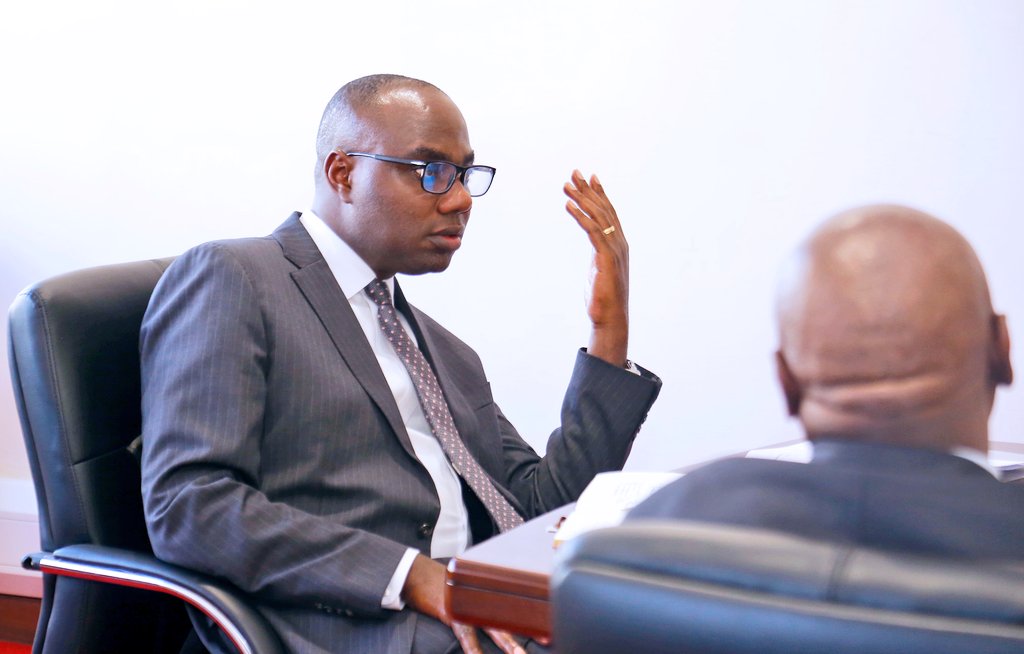
Finance Minister @henrymusasizi1 this afternoon met the Chairman of the Board of Directors of Uganda Revenue Authority Emmanuel Katongole together with @URAuganda Senior Management Team led by the Commissioner General John Musinguzi.
The meeting focused on revenue enhancement measures for financial year 2026/27 to 2029/30.
The Minister said the strategic direction of @URAuganda is consistent with government ambition of raising the tax to GDP ratio from the current 14.2% to 20%, adding that he is ready to work with URA to ensure that the target is achieved.
Musasizi said URA must put in place strategies to ensure that all Ugandans with taxable income pay their fair share of taxes, adding that paying tax should not be a burden to the few Ugandans who are tax compliant.
The Chairman of the URA Board in his remarks called for data integration between Ministries, Departments and Agencies (MDAs) and URA for revenue assurance and a centralized internal container depot (ICD) at Namanve to effectively facilitate trade and minimize cost, delay and revenue risk. He also highlighted the need to review the double taxation agreements which limit Uganda’s taxing rights.
@URA_CG said revenue mobilization is a shared national responsibility, adding that with coordinated action, stronger compliance, better sector visibility and sustained government support, Uganda can close the revenue gap and finance its development priorities.
The meeting was also attended by the Minister of State for Privatisation & Investment @AminahMukalazi
She asked URA to intensify tax education across the country, expand the tax base, promote formalization and also ensure that the URA staff are not agents of corruption.
LAUNCH OF MAKERERE UNIVERSITY STRATEGIC PLAN:
Finance Minister @henrymusasizi1 earlier today launched @Makerere Strategic Plan 2025-2030.
Take a look...👇👇
PUBLIC PROCUREMENT IS CENTRAL IN UGANDA'S TENFOLD GROWTH AGENDA:
The Finance Minister @henrymusasizi1 has said the transition to the Electronic Government Procurement (e-GP) must be embraced by all Government entities, adding that public procurement must be
aligned to the tenfold growth strategy to transform Uganda into a $500 billion economy by 2040.
He called for finalisation of procurement reforms to streamline procurement and eliminate corruption and related leakages.
He made the remarks this afternoon while receiving a briefing from the Public Procurement and Disposal of Public Assets Authority (PPDA) Board Chairperson, Julius Ishungisa who was accompanied by the PPDA Executive Director Can. Benson Turamye and other officials.
They briefed the Minister about the mandate and contribution of public procurement to Uganda’s Economic Growth.
Mr. Ishungisa highlighted PPDA’s mandate of setting standards, Monitoring compliance, advising government and procuring and disposing entities, building national procurement capacity & competitive, transparent and value for procurement practices.
He said 65 percent of Uganda's national budget is directly spent through procurement which is a critical economic driver.
Can. Benson Turamye said that PPDA has issued standardized unit cost framework for roads to stabilize estimation practices.
He said through the Digital Contracts Monitoring System (CMS), PPDA is tracking 1,296 projects worth UGX 1.2 trillion.
He further noted that on the 24th June 2026, PPDA issued Guideline 1/ 2026 on Procurement of aggregated requirements where Entities are required to use the National Framework agreements to place call off orders for the Procurement requirements.
He also noted that PPDA issued Reservation Guideline 11 to support Special Interest Groups and ensure the Youth, Women and PWDs benefit from Government procurement budget through tender awards,adding that more 100 institutions will be enrolled on EGP effective this financial year 2026/27.
With strong leadership, cautious management, and proper use of oil profits, Uganda's oil and gas sector has the potential to significantly improve people's quality of life, accelerate economic growth, and advance national development.
With petrol prices averaging about UGX 6,250 per litre and diesel at about UGX 6,100 per litre, the current economic difficulties highlight the significance of ongoing efforts to fortify and change Uganda's economy.
#UgandaEconomy#OilandGas
As the country prepares for commercial #oilproduction, the opportunity before us extends beyond oil extraction. It is about utilising this valuable resource to create jobs, improve infrastructure, stimulate industrialization, and expand economic opportunities for all Ugandans.