It delays and denies classification daily. I’ve heard MTSS coordinators say: they are responding to their intervention, so we don’t need to evaluate. If you suspect a disability, that is violating Child Find laws. You are very likely missing coexisting conditions and denying that child access to documented accommodations they will may need down the road like extra time on assessments like the SAT. Additionally a child with a knowledge gap will NOT test the same way as a child with a disability. A reputable psychologist would be able to evaluate and interpret results appropriately. No need to deny or delay needed supports for that fear…because every single day you deny or delay you are allowing that child with a disability to collect additional labels that could have been avoided. MTSS is not part of IDEA and OSEP has repeatedly clarified that RTI can’t be used to delay or deny a child’s access to an evaluation. Schools may have written MTSS into their practice, but it is not regulated by IDEA and does not trump IDEA. Too often it is used as a gatekeeper…hurting too many kids. We need to give better guidance to protect our kids.
Hot take that shouldn’t be a hot take:
MTSS isn’t the solution for kids with dyslexia. Dyslexia is a disability that needs to be evaluated for potential comorbidities and identified so that kids can have access to protected accommodations and related services that only come through IEPs or 504s. #DyslexiaAwareness
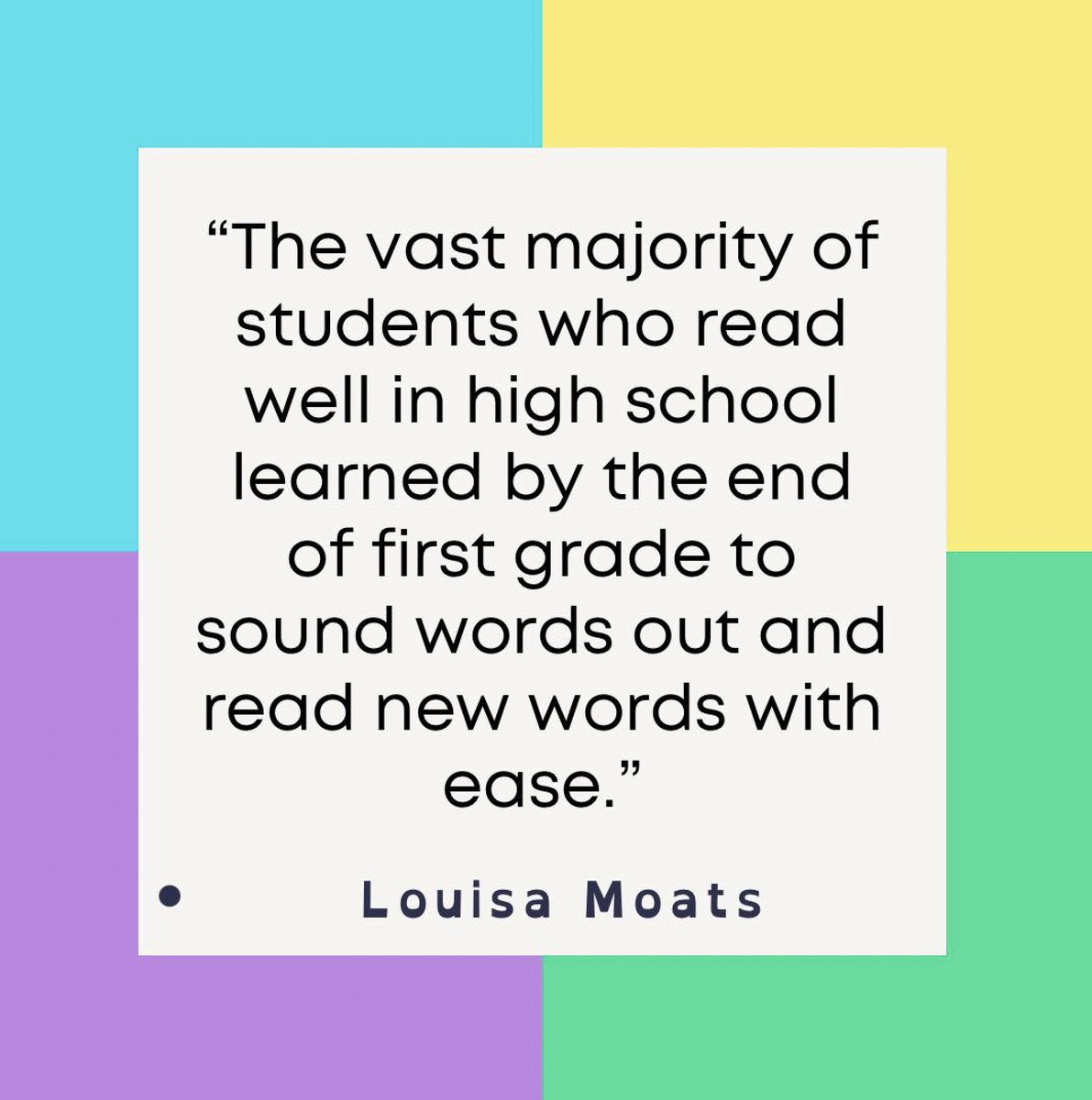
Kindergarten/1st grade are likely the most pivotal grade levels for reading development.
Thus, it makes the most sense to invest in the teachers and students within this grade-level band. It is not that the other grades don't matter, but rather that the correlation between kids who crack the English code in this grade level band and the kids who become successful readers and writers is high. This means that kids who have not cracked the English code by the end of 1st grade are more likely to struggle with reading and writing throughout their school life.
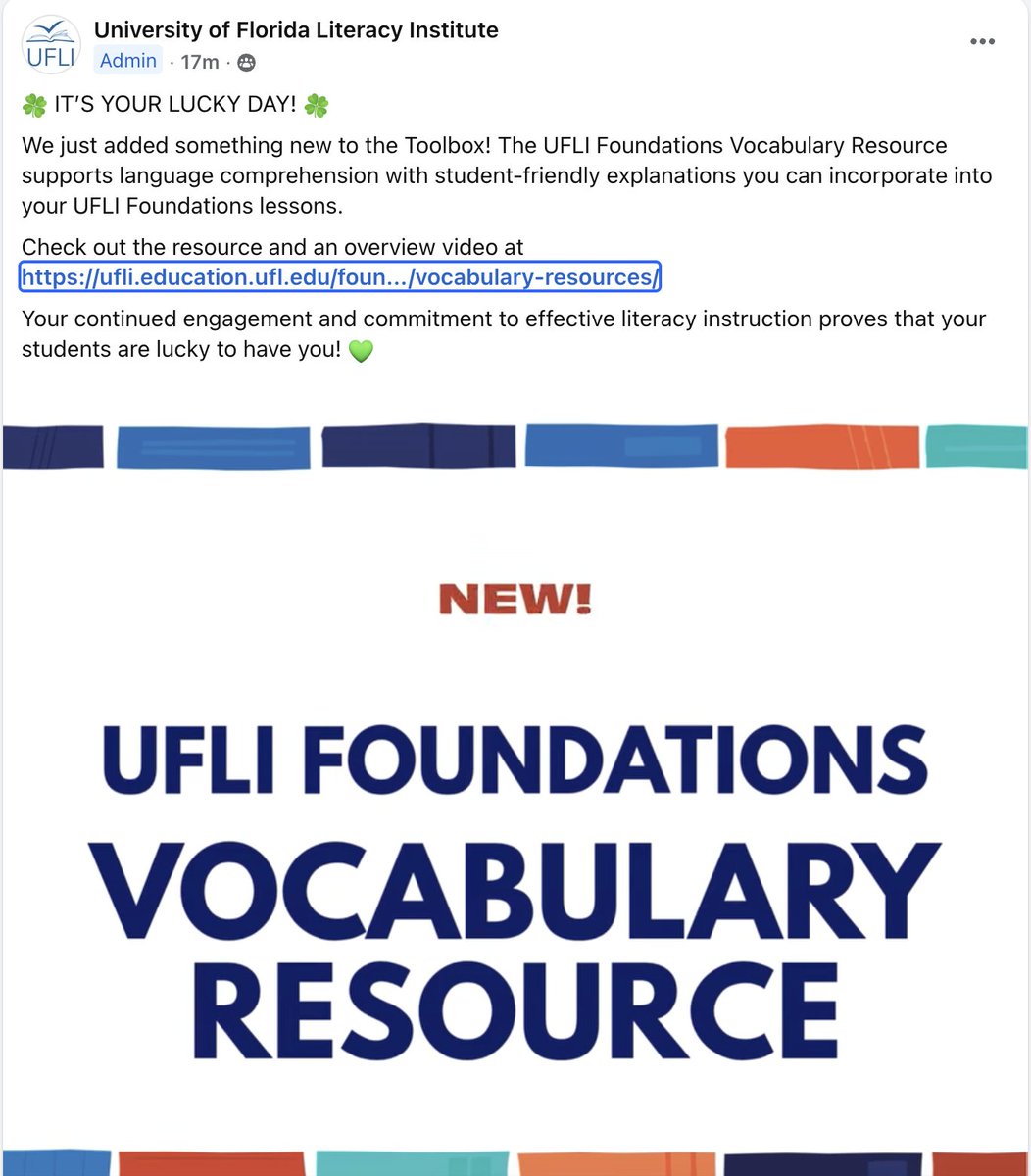
Great news for those using UFLI, an Intervention Placement Test has been released.
@UFLiteracy is really the gift that keeps on giving!!!
You can also go to their toolbox page and scroll to the bottom to find it.
In the meantime, here is a shortcut
https://t.co/AuKb5GvNtJ
Thanks to @HollyLanePhD and @burnsmk1 and their team for this wonderful addition to their already amazing program.
(The image is not a link.)
“Am I saying you should invest your resources in kindergarten and Grade 1? Yes I am.”
@sstollar6 on preventing reading problems in her @IDA_Ontario#LitLearn2025 keynote
✨ New on TRL Compass: UFLI Foundations Curriculum Navigation Report (CNR)!
With 13 reviews now available, decision makers can identify where curricula align (or don’t) with findings from the science of reading.
📥 Access the Reports: https://t.co/Sb3RbIXfrw...
#TRLCurrReports
The Outlier
Sold a Story Episode 11: There’s a school district in eastern Ohio where virtually all the students become good readers by the time they finish third grade. How did they do it?
@PamelaSnow2 NOBODY questions the value of reps in becoming skilled in sports. NOBODY wonders if practice is important when learning to play a musical instrument. Why, when the same principles are applied to acquiring academic skills, does it become "drill and kill"?
If you care about:
a) Teaching reading to English Language Learners
b) Understanding why it is important to understand that when it comes to effective reading instruction those who want to straddle both sides of the structure literacy and balance literacy approaches are ill-advised.
c) Who is called a reading expert.
Please take time to read Mr. Shanahan's blog post.