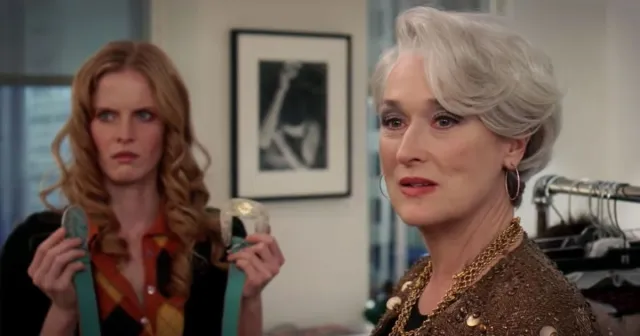
“It’s just that all of these Caribbean resorts look exactly the same to me. It’s just a random beach.”
“Oh I see. You think this has nothing to do with you. You sit at your laptop, and you select… I don’t know, that all-inclusive resort for instance, because you’re trying to tell the world that you take yourself too seriously to care about what cookie-cutter consumerist hotel your parents made you go to.
But what you don’t know is that hotel isn’t just all-inclusive, it’s not Ixtapa, it’s not Zihuatanejo. It’s actually Cancún. You’re also blithely unaware of the fact that in the late 60s, Mexico ran a huge trade deficit with the US. They were industrializing rapidly, importing machinery and materials that had to be paid for in dollars. Then I believe it was INFRATUR, wasn’t it, that actually spent months building a computer model, feeding data to an IBM 360 to analyze Mexico’s entire coastline, evaluating climate, beach quality, accessibility, and development costs.
Then they identified Cancún as a strategic tourism development zone, deliberately modeled on postwar Mediterranean resort economies. By the mid-1990s, major U.S. and European hotel chains standardized the all-inclusive resort model there. That model was then replicated, refined, and exported across the Caribbean.
Eventually, that choice filtered down through Expedia algorithms, airline bundle deals, and trickled on down into some TikTok’s influencer video which you no doubt watched in bed doom scrolling. However, Cancún represents billions of dollars in coordinated state planning, private capital, labor arbitrage, and tourism dependency. Tens of thousands of jobs. Entire regional supply chains.
And it’s sort of comical that you think you simply picked "a random beach" when in fact you’re sipping a piña colada at a resort selected for you by the Mexican federal government’s years-long optimization process… from a bunch of random beaches.”
IMPORTANT Sci-Hub token will be updated soon.
Context: in November, 2024 Sci-Hub received a large amount of donations in Sci-Hub meme coins. I sold only a small percentage of it, and kept the remaining amount in meme coins.
I had a dream to launch Sci-Hub based coin since 2017, that could be used to support open science, so I hoped that it will be implemented with meme coin.
However, meme coin did not grow as expected, and is currently dying. One of the reasons was that Sci-Hub supporters did not trust it, because it was donated by anonymous people, and not launched by the project itself, so there was some probability that funds could be stolen when the price of the token grows.
To help the coin survive, I decided to create another address for Sci-Hub coin, that will be owned by the project itself, and move all funds here. This update can cause large fluctuations, so if you have some coins, I recommend you to move them to the new address without delay.
The new address of the Sci-Hub token is the following:
2MaFszzCmpJqYPjVXsNytmiHfgckWbtBVq4WSoxjVGkf
Having said that, I want to emphasize that Sci-Hub coin should be considered, first and foremost, as a donation to support open science, not as an investment tool.
PS. The address of the meme coin is also updated on the website, so you can be sure the account was not hacked.
Tomorrow morning I am getting my blood tests done by:
- 1mg
- Apollo
- Dr lal
- Healthians
All at the same time.
Will share the reports on timeline to understand the differences as per lab.
Going for all the “health packages”, all under 2200₹ ones.
Let’s see.
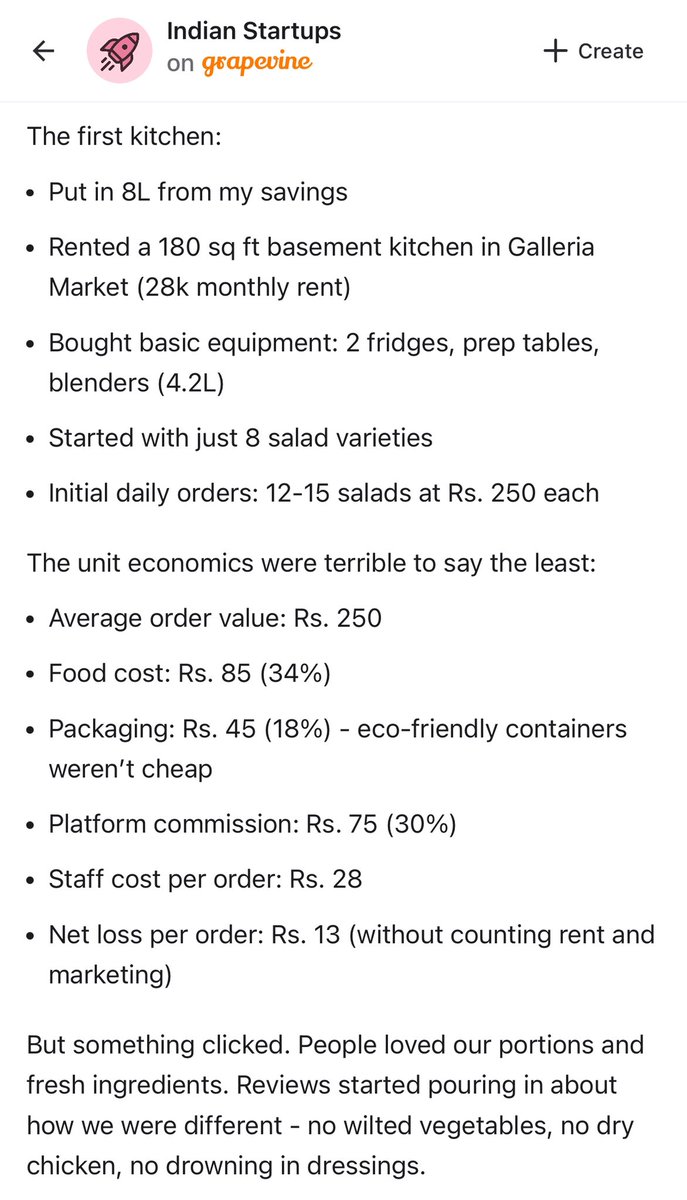
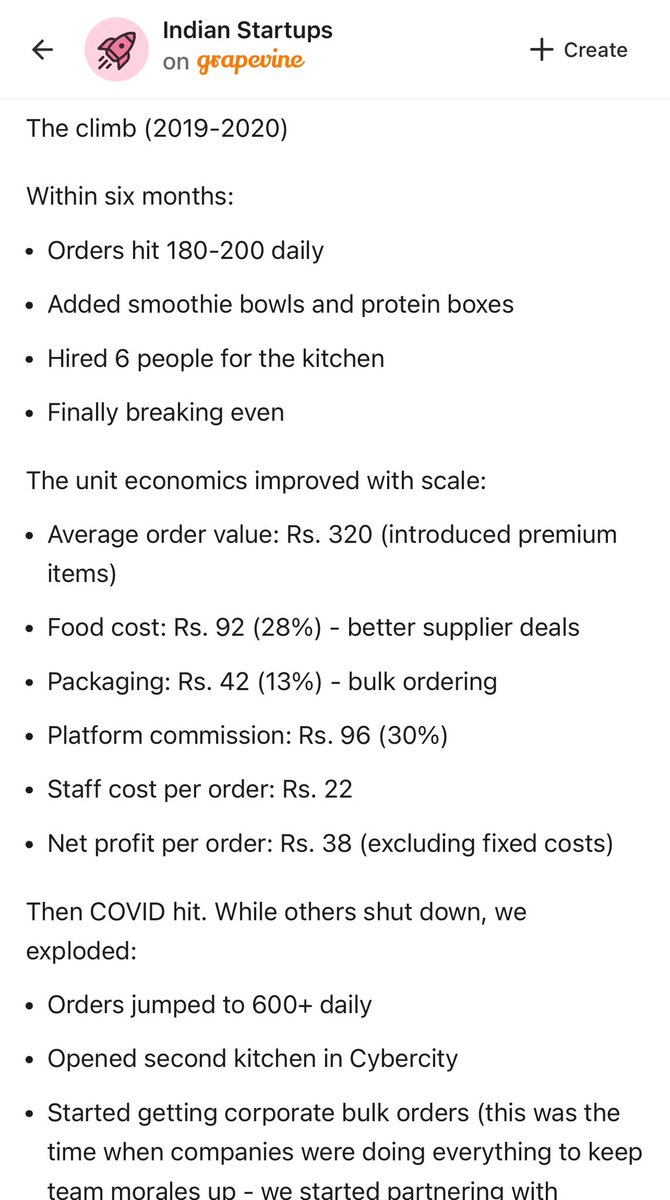
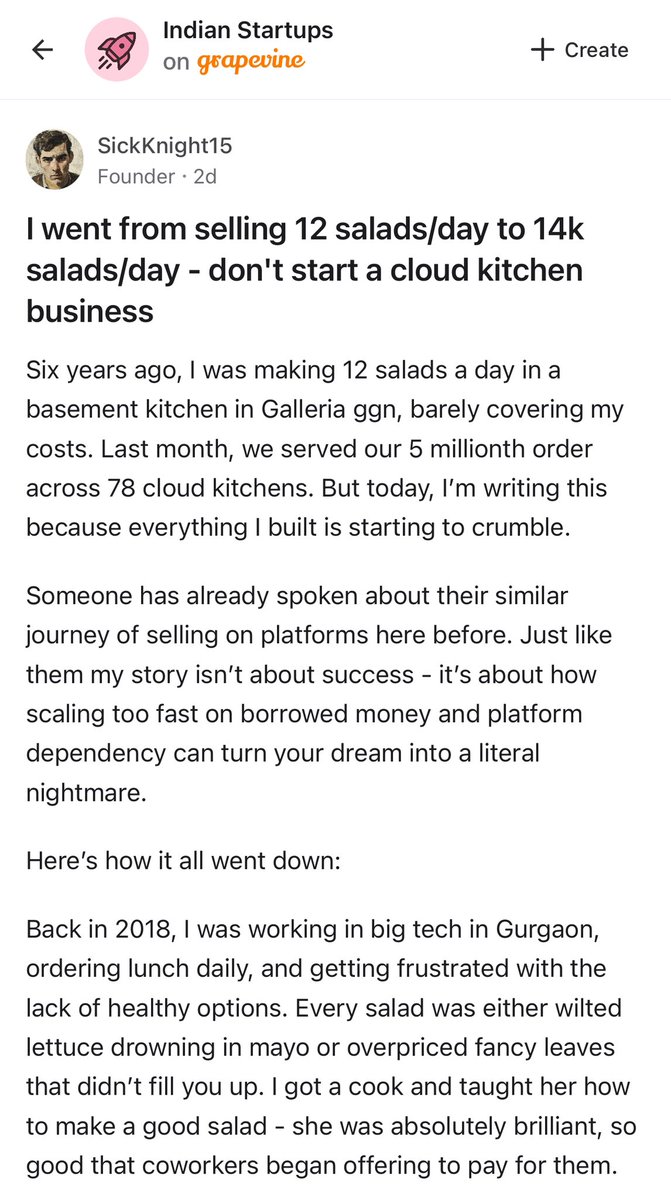
“I’m writing this from our Bangalore central kitchen at 3 AM, looking at next month’s projections, and for the first time in 6 years I’m scared”
A Food founder has shared their journey from a top job to starting their own Salad startup - the highs and lows