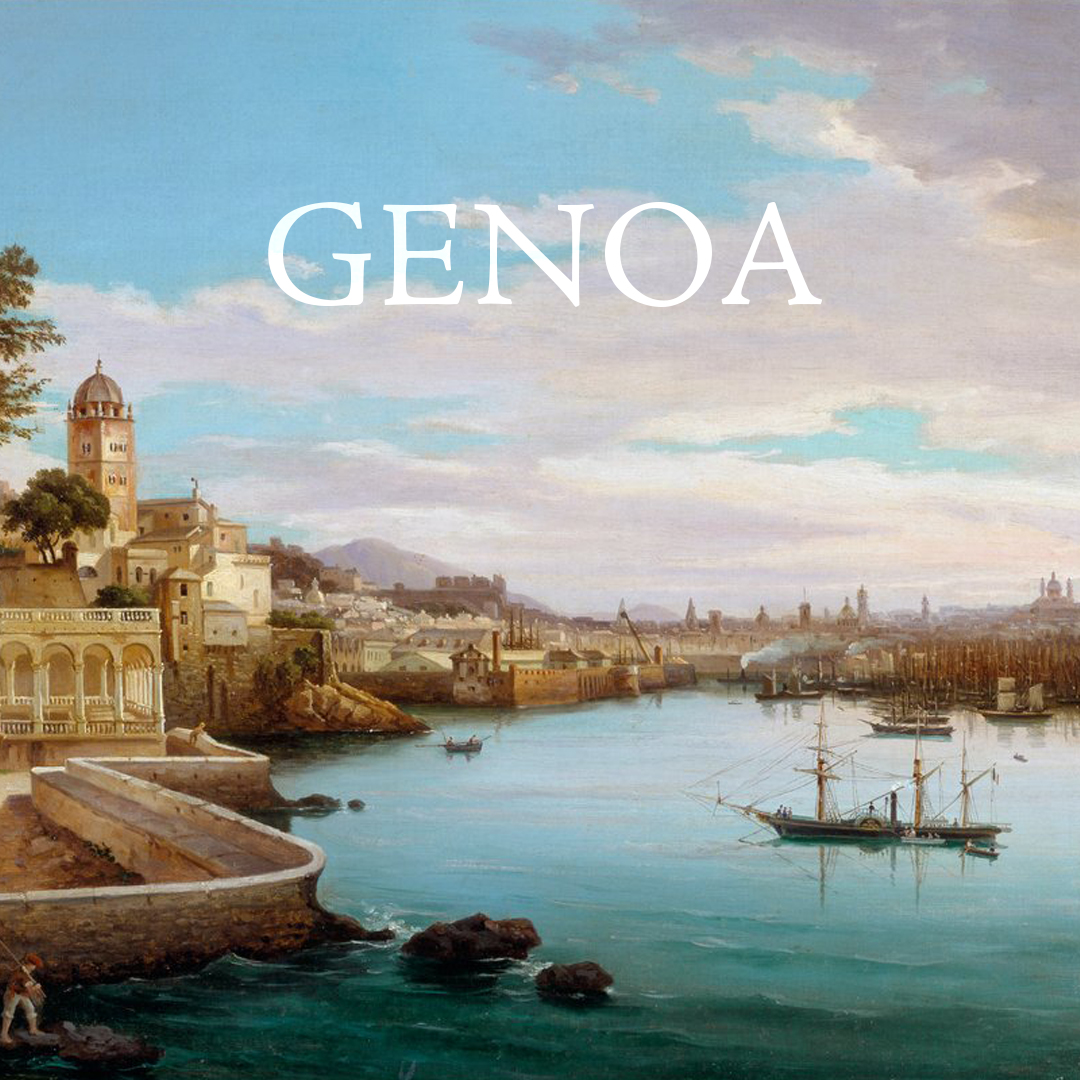
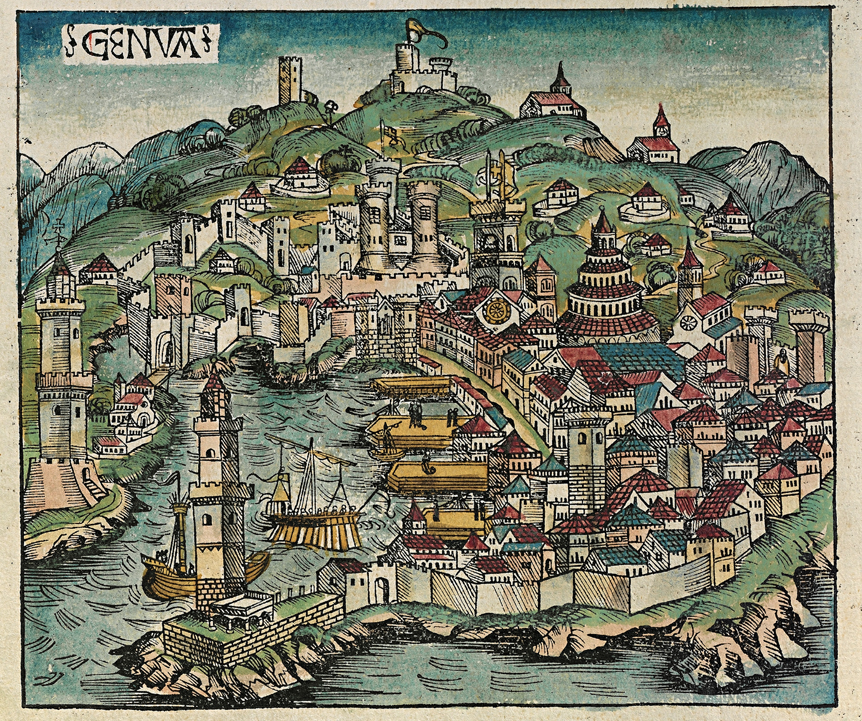
With the rise of the Risorgimento, the movement for the reunification of Italy in the 19th century, Genoa was well underway to consolidating its role as the major seaport and important steel and shipbuilding centre it is today.
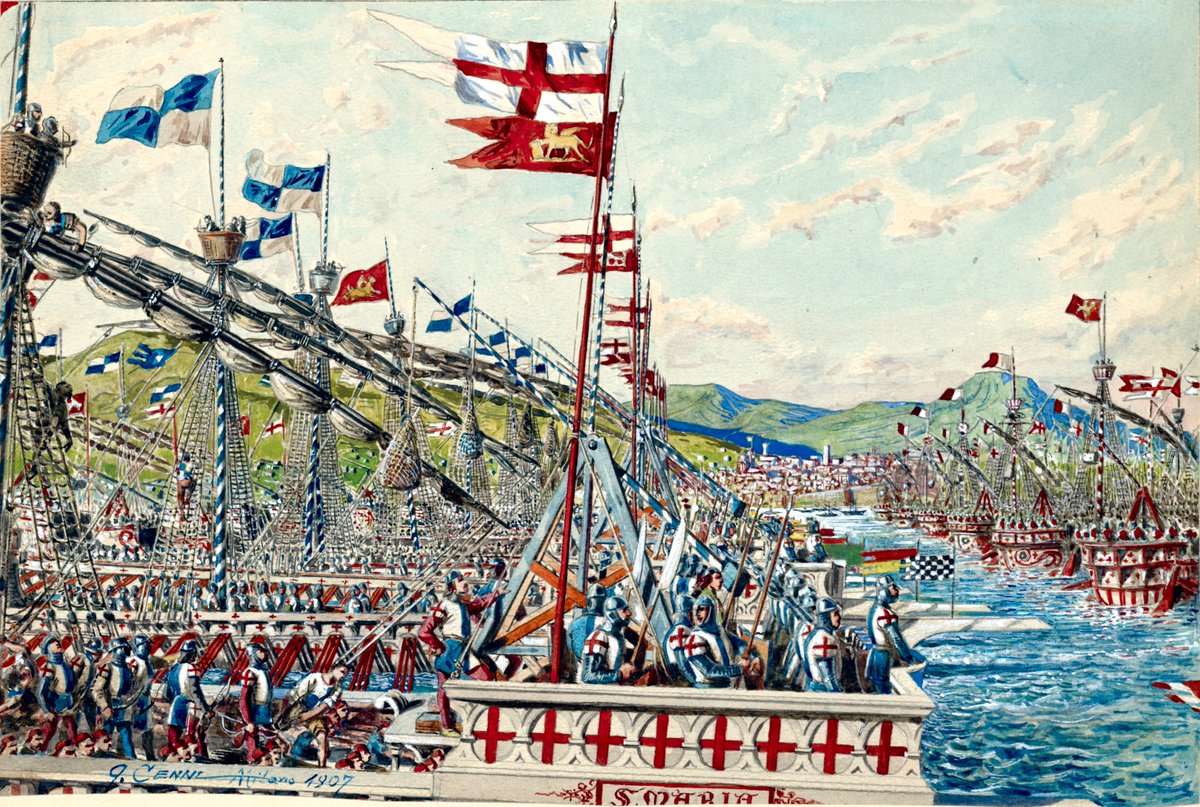
The Genoese navy was on a par with the Venetian navy and both cities had the power to rule the sea, but the Black Plague ended that first period of prosperity. The following centuries would see the city rise and fall as trade routes shifted to the new world.
For the following centuries, the city was little more than a small centre, repeatedly contested for, but slowly building its merchant fleet. Genoa's first political zenith came with its victories over the Republic of Pisa and its rival, Venice, during the 13th century.
Genoa, Italy 🇮🇹
Venice is not the only prototype of a self-governing city in the region we know now as Italy. Not 200 miles to the west, Genoa still stands today as a major port since becoming a city-state in the 11th century; a focal point for trade, shipbuilding, and banking.
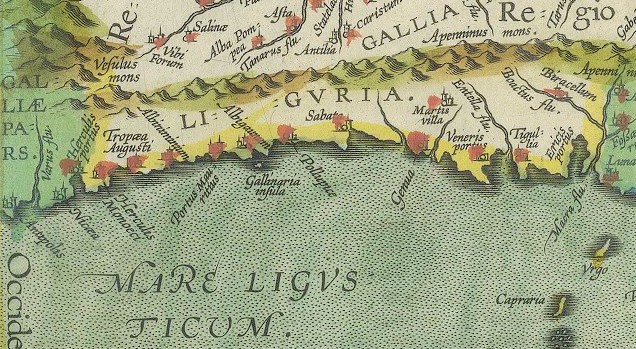
The Genoa area has been inhabited since the fifth or fourth millennium. The first town was founded at the top of the hill today called Castello, which is now inside the medieval old town. The ancient Ligurian city was known as Stalia.
Genoa was capital to one of the biggest maritime republics for over seven centuries. Chiefly from the 12th to 15th centuries, the city played a leading role in commercial trade in Europe; one of the largest naval powers around and deemed among the wealthiest cities in the world.
“The city’s proud walls and opulent displays of food stocks showcase the highly productive and independent nature of Kano’s people. The evolution of Kano is defined by different battles and alternating tenures of independence and subjugation."
The tapestries have undergone extensive restoration after natural damage by moths. They have been kept at the Colegiada de Pastrana Museum in Spain since the 17th century.
Visit our store for the Charter Cities Atlas at: https://t.co/aPqWAAftMC
Charter Cities Art 🖼
The Pastrana Tapestries are a remarkable example of surviving 15th century works of weaving depicting contemporary rather than biblical or mythological episodes.
Swipe for the full tapestry “The Fall of Tangier”
#Tangier#Morocco#PastranaTapestries
The Pastrana Tapestries are four large tapestries commissioned by king Afonso V of Portugal to celebrate the successful conquest of the Moroccan cities of Asilah and Tangier by the Portuguese in 1471. Made of wool and silk, each measures about 11 by 4 meters.
Studying the history of city-states from different regions and periods is crucial for the management of emerging Charter Cities and the myriad communal organization problems that may arise.
Check out https://t.co/UkMwuJd3fN and get our atlas at: https://t.co/aPqWAAftMC
We recently made a thread about the seven Charter Cities in our atlas that still stand today. But another 5 of them didn’t.
Which ones haven’t survived the test of time? What is left of them? 🤔
Keep reading to find out 👇
Alexandria Arachosia, Afghanistan 🇦🇫
For over 1600 years goods moved along the Silk Road between Europe and Asia, and Alexandria Arachosia, now Kandahar, was right in the middle. The once great city, founded by Alexander the Great, fell on the wayside of the late Silk Road.
In history, Colonization refers to the process of “control or governing influence of a nation over a dependent country, territory, or people.” Just a few countries, like Thailand, have never experienced this by the west. Thais often consider their nation as a land of freedom.
The seeds of Ayutthaya were sowed when a group of Thai people migrated to what would become their new homeland in the 10th century. Eventually, they founded a kingdom that grew into a major trading hub in Southeast Asia. Unlike their neighbors, Ayutthaya resisted colonization.