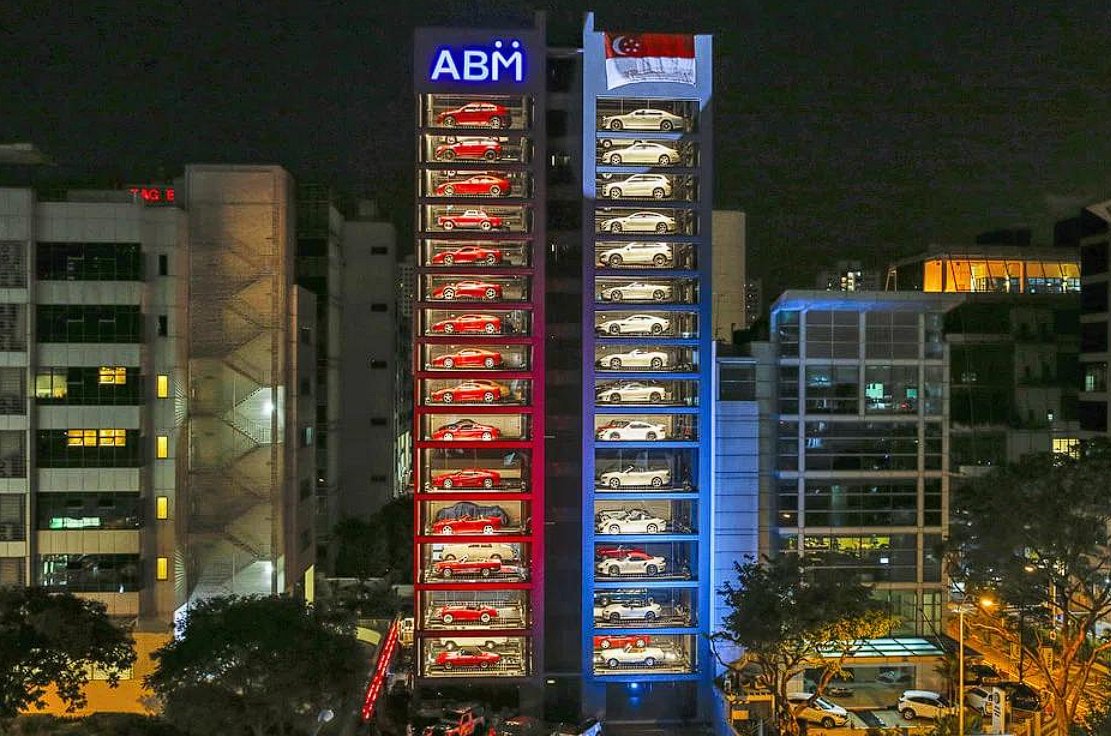
You can buy gold bars from a vending machine.
Card in.
Gold out.
Some of the machines update prices every few minutes to match the market.
They're mostly found in hotels, airports and shopping centres.
Some café workers in Tokyo control robots from their homes.
The robots take orders.
Deliver drinks.
Talk to customers.
Some of the operators are hundreds of kilometres away.
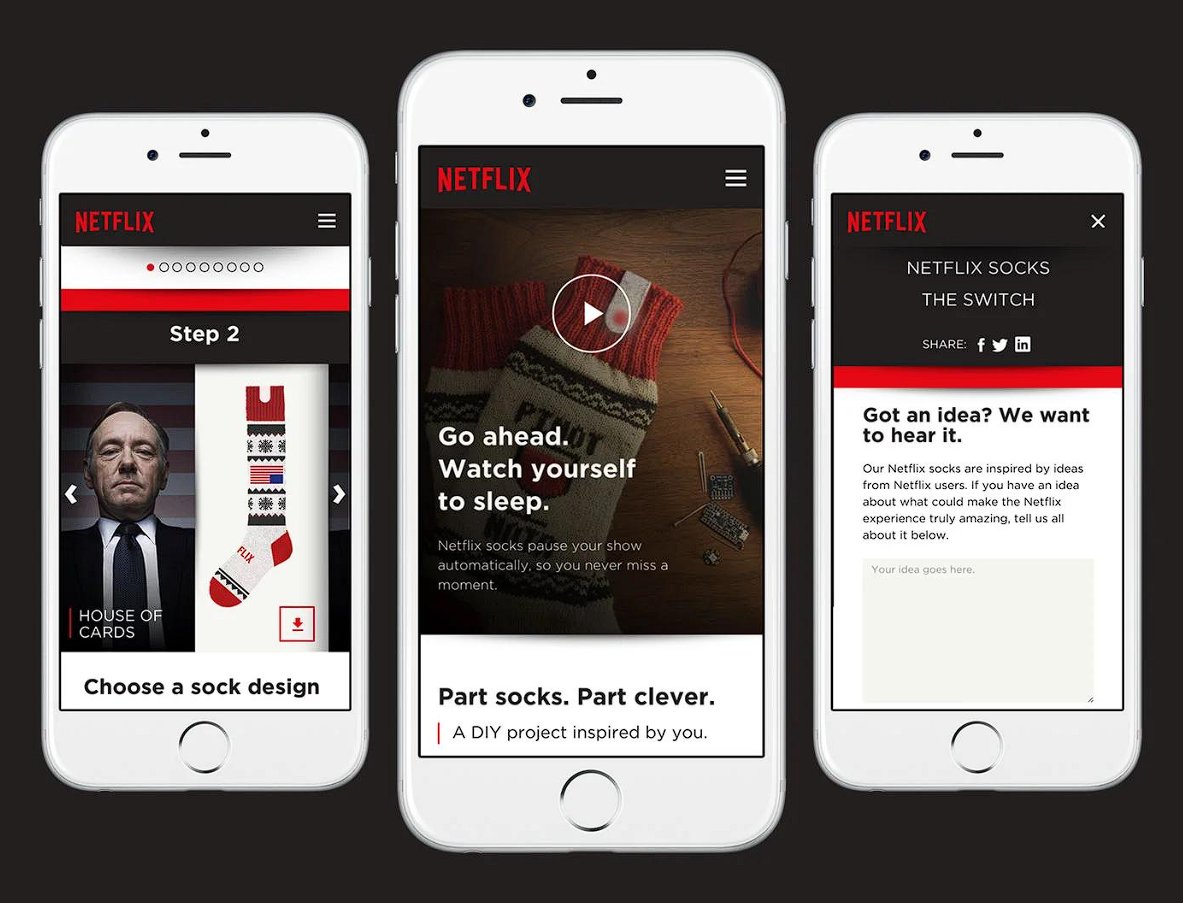
Netflix made socks that paused Netflix.
The socks detected when you fell asleep.
If you stopped moving for long enough, your show paused automatically.
Netflix even published instructions so people could build their own pair.
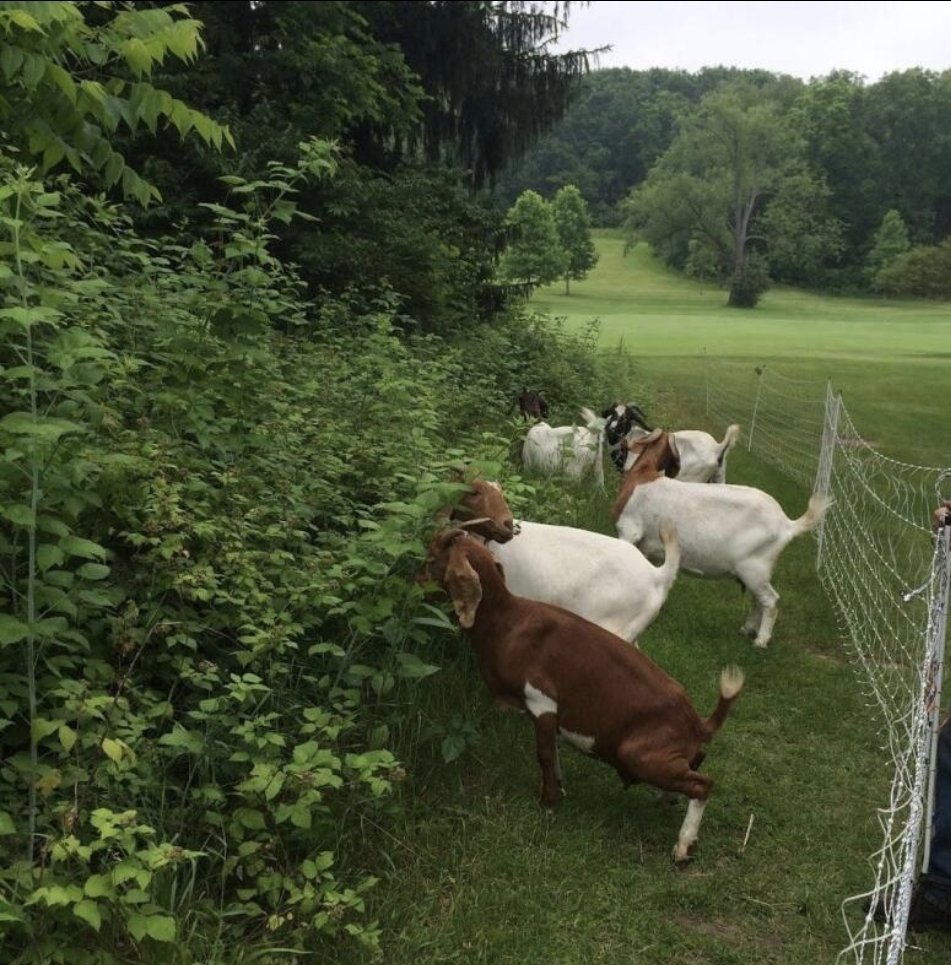
People hire goats to mow their lawns.
Not as a novelty.
As a business.
The goats clear steep hillsides, overgrown land and invasive weeds.
Some cities and utility companies hire them every year.
People paid for terrible drawings of cats.
Customers described their cat.
They received a deliberately bad hand-drawn version.
The idea became popular enough to land on Shark Tank.
The business received an investment from Mark Cuban.
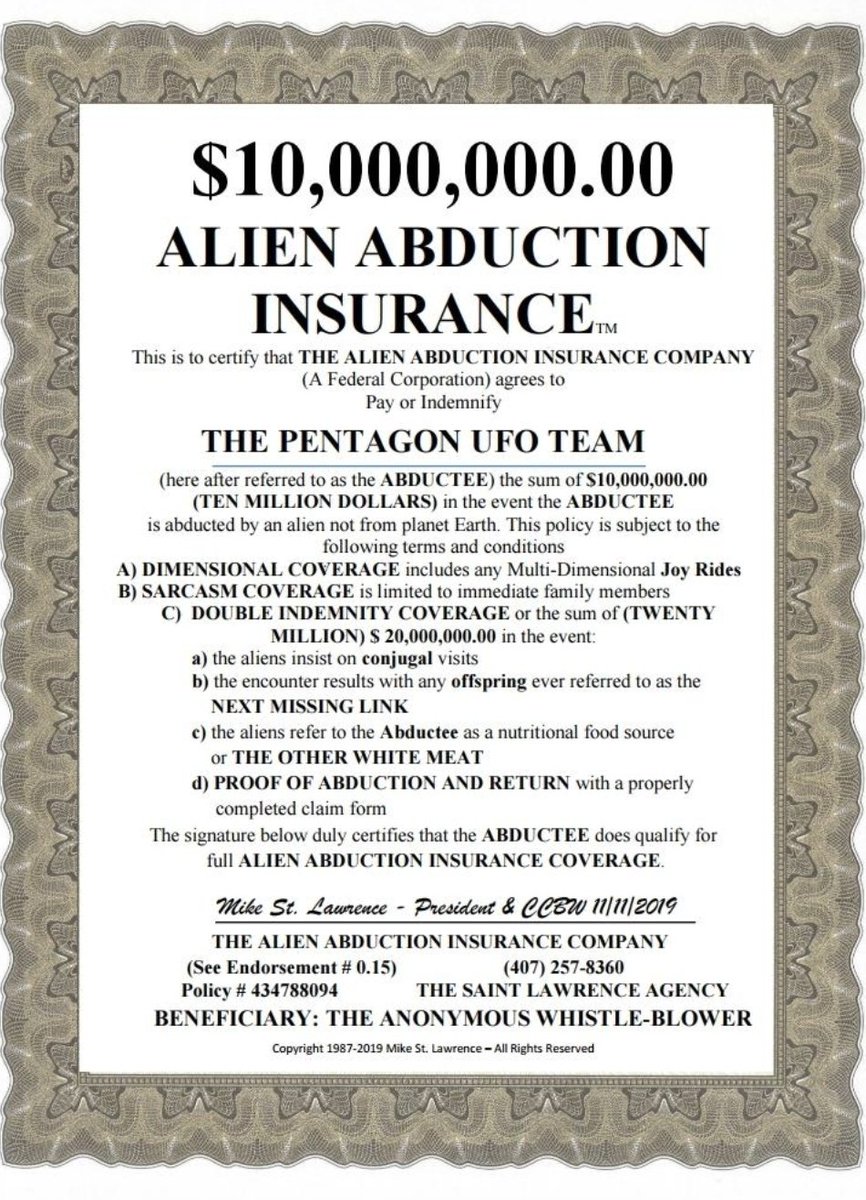
More than 30,000 people bought alien abduction insurance.
The policy promised a payout if the holder was abducted by aliens.
Customers received official-looking certificates.
The company sold policies for years.
People kept buying them.
Businesses used to rename themselves so they'd appear first in the Yellow Pages.
AAA Plumbing.
A-1 Locksmith.
A AAAA Towing.
Some companies added extra A's just to move higher in the book.
This was an actual marketing strategy.
A record label rejected The Beatles because guitar groups were "on the way out."
The label chose another band instead.
The Beatles left without a contract.
A few months later they signed elsewhere.
The record label became known as the company that turned down The Beatles.
People rent chickens by the month.
The package includes hens.
A coop.
Food.
And support.
The idea is to let people try fresh eggs without committing to owning chickens.
The business still exists.
People weren't ready to buy groceries online.
A company spent more than $1 billion anyway.
Webvan built warehouses.
Delivery fleets.
Automation systems.
Expansion plans.
The idea was grocery delivery.
The timing was 20 years early.
Webvan went bankrupt in 2001.
Most businesses fail because customers don't show up.
MoviePass failed because they did.
For $9.95 a month, customers could watch unlimited movies.
Some people went constantly.
The more the service was used, the more money it lost.
MoviePass collapsed two years later.
This restaurant became famous for being rude.
The staff insult customers.
They make fun of birthdays.
They put embarrassing hats on people.
Customers pay to be there.
Some wait hours for a table.
In 2005, the town of Clark, Texas changed its name.
The new name was:
Dish.
As in Dish Network.
In exchange, residents received free satellite television for 10 years.
The town is still called Dish.
Colgate sells toothpaste.
In the 1980s, Colgate also tried selling frozen dinners.
The brand was called:
Colgate Kitchen Entrees.
People weren't interested.
The idea disappeared.
The toothpaste company went back to toothpaste.