I’ve watched this probably 100 times at this point.
This one quote by this one juror is radicalizing me in ways I didn’t know were even possible:
“He had the hardest time getting off the fact that Lindsay viciously k*lled her children…”
I don’t know where we go from here…
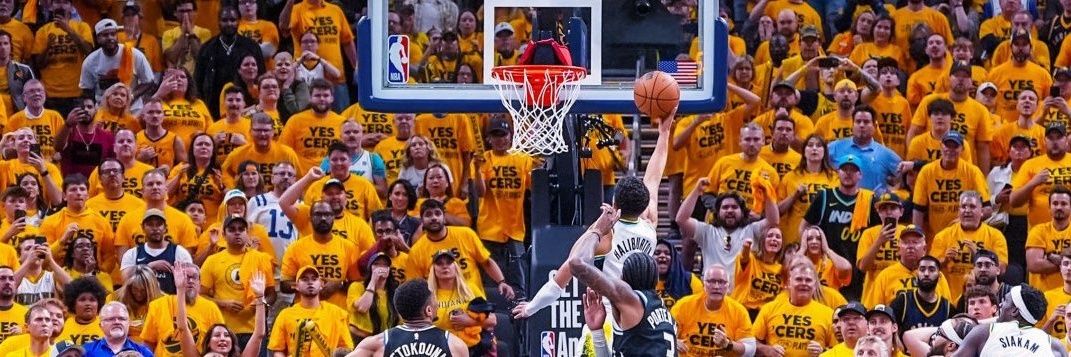
I don't care who you root for. If your manager gives a pep talk to a 21 yr old, with 2 months of MLB time, in the bottom of the 10th, w/bases loaded, and asks him if he's "ready", you better have goosebumps when he delivers.
I'm not backing down from this one.
You can support people's rights AND believe biological men shouldn't compete in women's sports. Those two things are not mutually exclusive.
My issue isn't hate. It's protecting women, protecting girls, and asking why a WNBA coach chose to inject herself into a controversy that could hurt the very league she's supposed to represent.
Common sense still matters. That's where I stand.
My full remarks are on YouTube.
The man who finally cleared the captain of the USS Indianapolis was not an admiral or a senator or a lawyer. He was not a man at all, he was a sixth grader.
In 1996 an eleven year old kid in Florida named Hunter Scott watched the movie Jaws, and there is a scene where an old sailor quietly describes surviving the Indianapolis and the sharks in the water. It stuck with him. He decided to make it his school history project. Most kids would have read a couple of articles and called it done. He did not.
He tracked down the survivors, the actual men who had been in that water, and he started writing to them and calling them and interviewing them one by one. Nearly 150 of them. He dug up something like 800 documents. And the more he learned, the more one thing became clear to him, the same thing those survivors had been saying for fifty years: their captain, Charles McVay, had been blamed for something that was never his fault, and he had died carrying it.
So this kid would not let it go. His project turned into a mission. The survivors, old men by now, saw a child fighting for the honor of the captain they loved, and they rallied behind him. The story got out. It reached the news, and then it reached Washington.
And in 1999 that boy, now a teenager, sat down in front of the United States Congress, next to the survivors, and told them they had gotten it wrong and it was time to fix it. In 2000 Congress officially exonerated Charles McVay. The Navy cleared his record the year after.
Fifty five years of Navy brass and politicians had let an innocent man take the fall and then let him rot in his grave. It took one kid with a school assignment and a refusal to quit to finally make them say the truth.