Project Hail Mary opened last week. Great film. But nobody is talking about the credits. They should be.
A guy with a telescope spent hundreds of hours collecting light from objects so distant that the photons hitting his sensor left their source before Rome was founded. His name is Rod Prazeres. His images ended up on 70-foot IMAX screens worldwide.
Look at what he captured. The Rosette Nebula is a cloud of gas 5,000 light-years away that has arranged itself into the shape of a human eye, ringed by fire. The Vela filaments are a stellar explosion still spreading outward through space – blue threads so fine they look like frost on glass. The dust pillar in the Pelican Nebula is manufacturing new suns right now. While you read this.
None of it was rendered. All of it is real.
Weir spent years getting the science right. The filmmakers felt the same way about the sky. When they needed something beautiful enough to close the film, they went looking for something that actually exists.
They found it. 5,000 light-years out.
Gandalv / @Microinteracti1
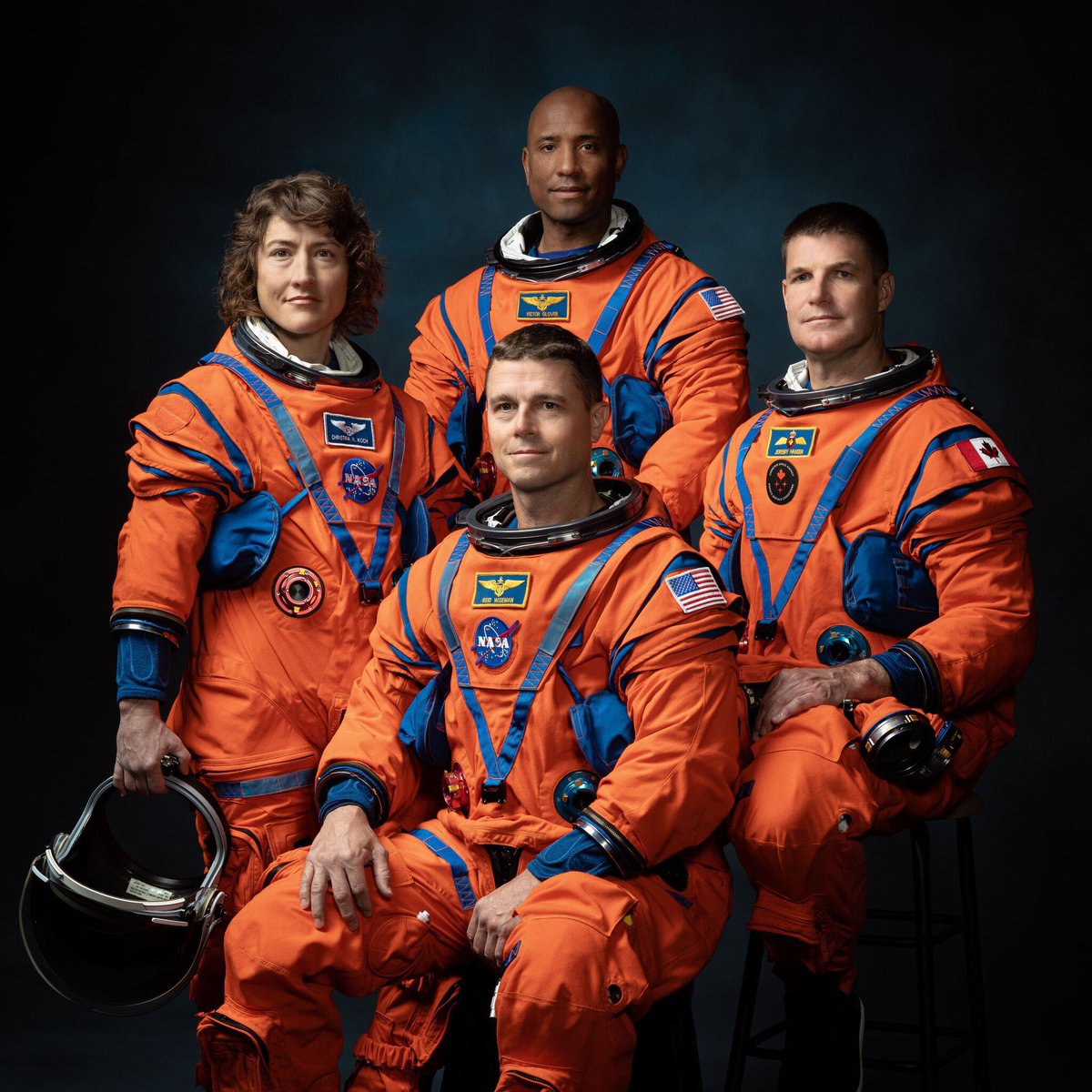
Artemis II astronaut says the crew watched 'Project Hail Mary' in quarantine ahead of their Moon mission:
“We got to watch Project Hail Mary when we were in quarantine. That was a real treat they sent us a link to view at home with our families, getting us ready to go on our own space adventure.”
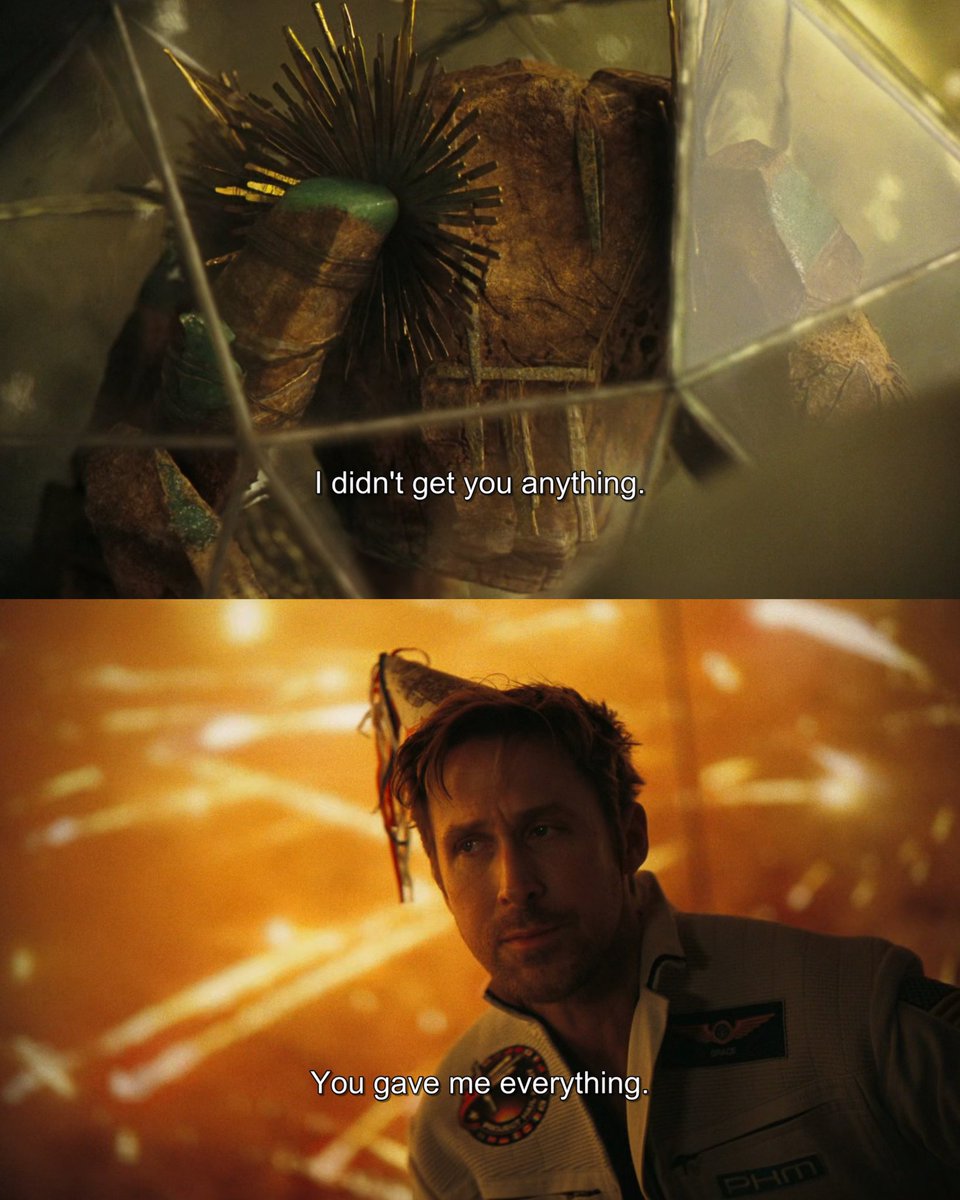
The saddest part of Project Hail Mary? Rocky reached Tau Ceti 46 years before Grace. When little Ryland Grace was staring at the stars for the first time as a kid... Rocky was already there. Completely alone. With no one to watch over him while he slept.
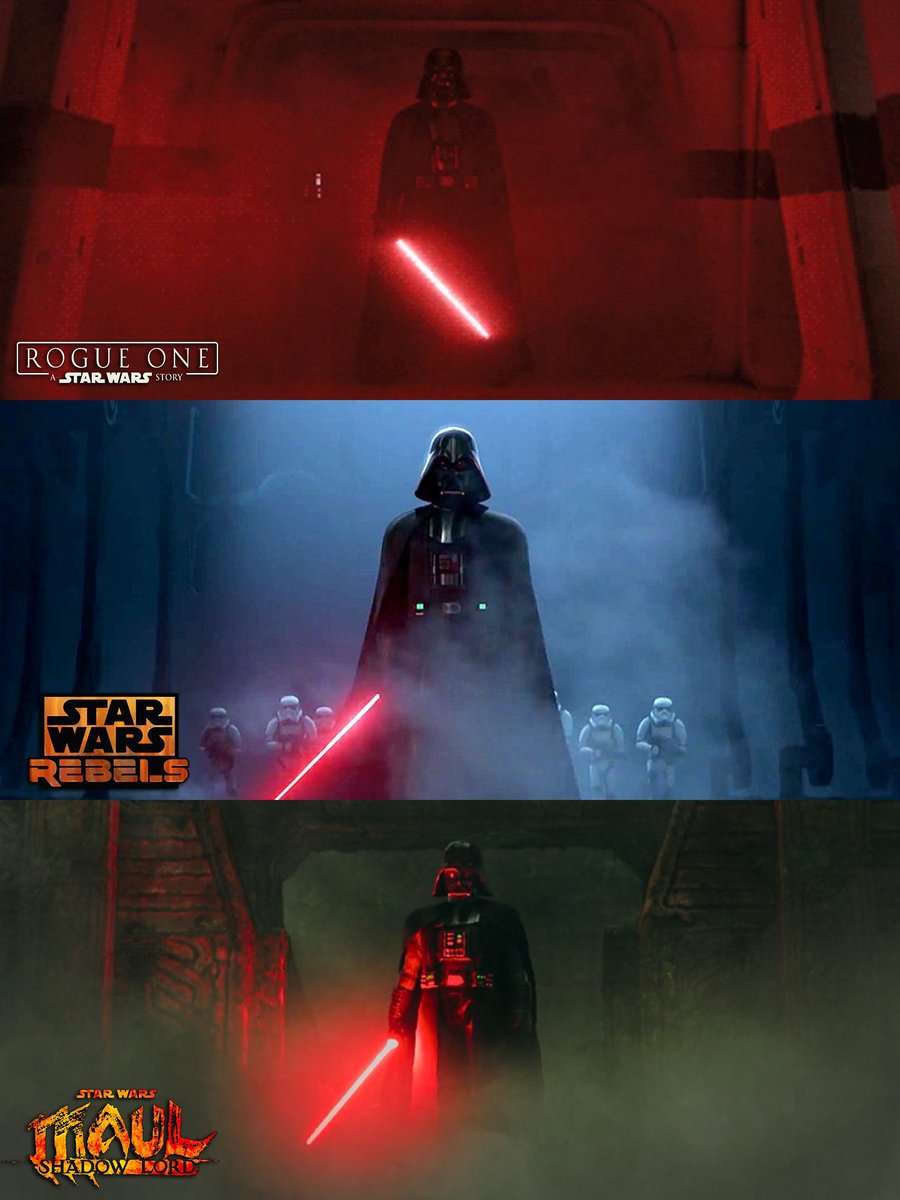
#maulshadowlord spoilers
.
.
.
.
.
.
.
.
seeing darth vader during early empire years is really something because that’s a 23 year old under that armor