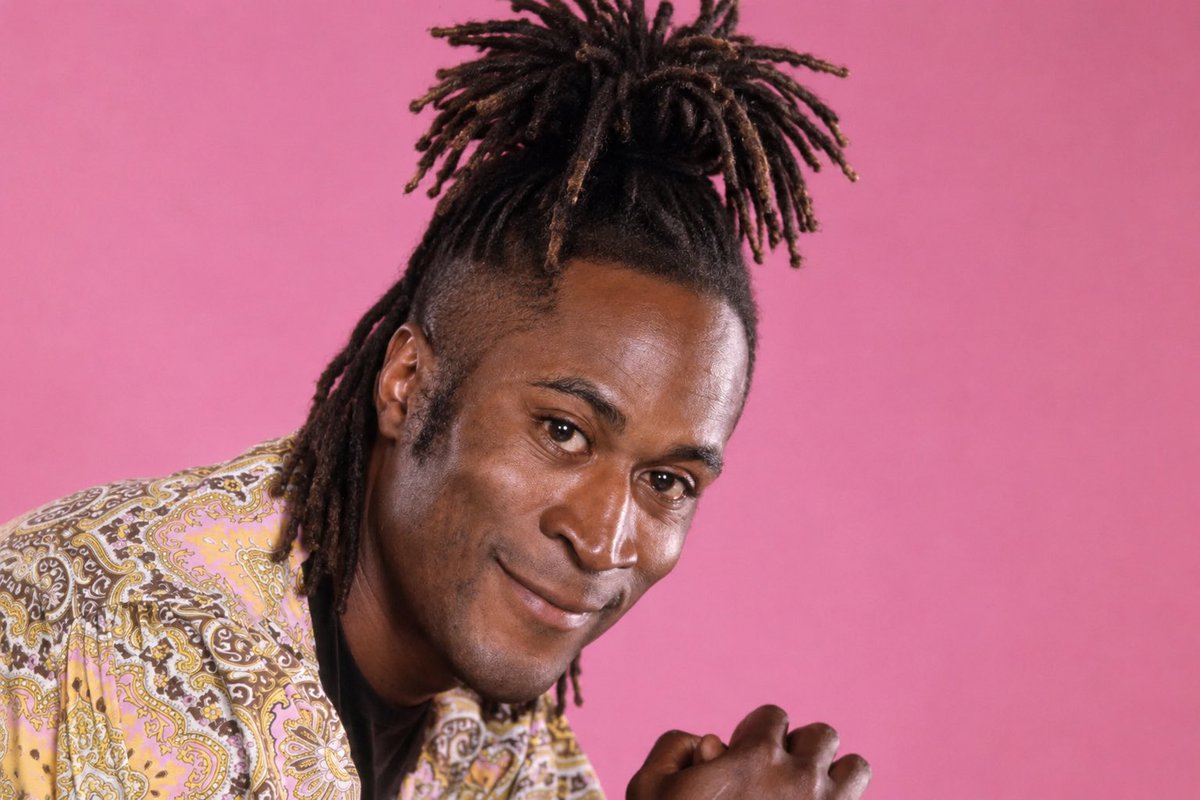
The Chicago Bulls drafted him in 1968. They drafted him again in 1969. Twice in two years, the same franchise that would later draft Michael Jordan reached down into Harlem and called the same name. Twice, he walked away. The kid they wanted was 6'2 and had been clocked by Sports Illustrated as maybe the fastest man in college basketball.
He could have been the point guard the Bulls built around. He could have been the face of a Chicago franchise a decade before Jordan got there. Instead, he became the heroin wholesaler the federal government built a case around. 11 years in federal prison, two separate convictions, a reported $400,000 a week at peak, a Rolls-Royce before he had a driver's license, a diamond encrusted crown that by his own count cost more than most Harlem brownstones, and then when the prison gate closed behind him for the last time, he came back to Harlem and started coaching high
school basketball at a private school on the Upper West Side. won a state championship in 1997, won another one in 1998. In 2014, he watched his own son lift the same trophy on the same court. This is Richard Peewee Kirkland, the greatest point guard who never played in the NBA. The Harlem millionaire who got the federal case, the convict who scored 135 points in a single game inside a federal penitentiary.
And the grandfather of street basketball who somehow walked out the other side. This is how all of those things were the same man. West 100th Street, Manhattan, 1945. Harlem after the war, before the heroin epidemic, before the riots, before the crack era that would come two generations later, the Brownstones still had families in them.
The Apollo was still a stop on the Chitlin circuit. The numbers runners worked the corner of Lenox and 125th in plain view. And on a block where the rent goat paid one envelope at a time, a woman whose name has never appeared in print gave birth to a son she would name Richard. The neighborhood would name him something else.
Pee-wee, small, quick, the kind of kid who showed up at the schoolyard before the older guys stayed after they left and slept with a basketball under the bed. The father is not in the story. The father has never been in the story. just a mother and a younger brother named Lionel and the long blocks of 116th and 117th where the Kirkland family lived.
The family was poor. The mother worked. The boys were left to the streets the way most boys on those blocks were left to the streets in the years before the federal government noticed Harlem. Two blocks north sat Milbank Community Center. Milbank had a gym. Milbank had a coach who let kids in for free.
Milbank is where Peewee Kirkland learned to handle basketball the way other kids learn to read. By the time he was 12, the older guys at Milbank were already talking. By the time he was 13, he was getting beaten in pickup games by men twice his size and learning how to win anyway. - Richard “Peewee” Kirkland
DJ Akademiks explains why he thinks it would be unwise for Kendrick Lamar to surprise drop an album on the same day Drake is dropping "ICEMAN" 👀
"I think it would be the worst decision of his life... It would only degrade Kendrick as never being greater than Drake, but just only being the person to compete with Drake. He has to get out of that."
(Via VladTV)
REPORT: Amen Thompson is expected to sign a 5-year, $250M+ extension with the Rockets this offseason, per @sam_amick.
Too high, too low, or just right?