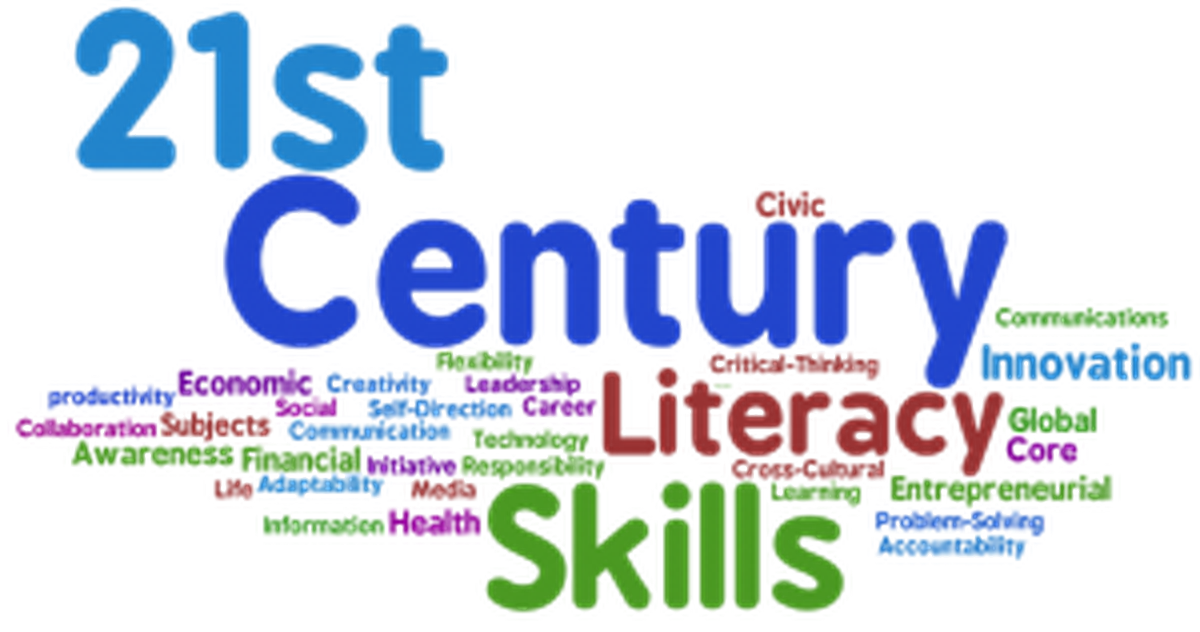
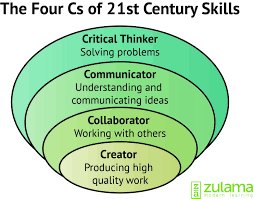
Critical and creative thinking encourages students to think outside the classroom walls & prepares them for the 21st century. Rapid changes are continuously occurring & critical & creative skills allow students to grow alongside these changes (Mansilla & Jackson, 2011). #UoNTeach
Co-operative work in the classroom promotes social interaction and allows students to share ideas and build their knowledge with one another. Students are able to work confidently with limited teacher support and use each other to build their knowledge & skills (Jolliffe,2015).
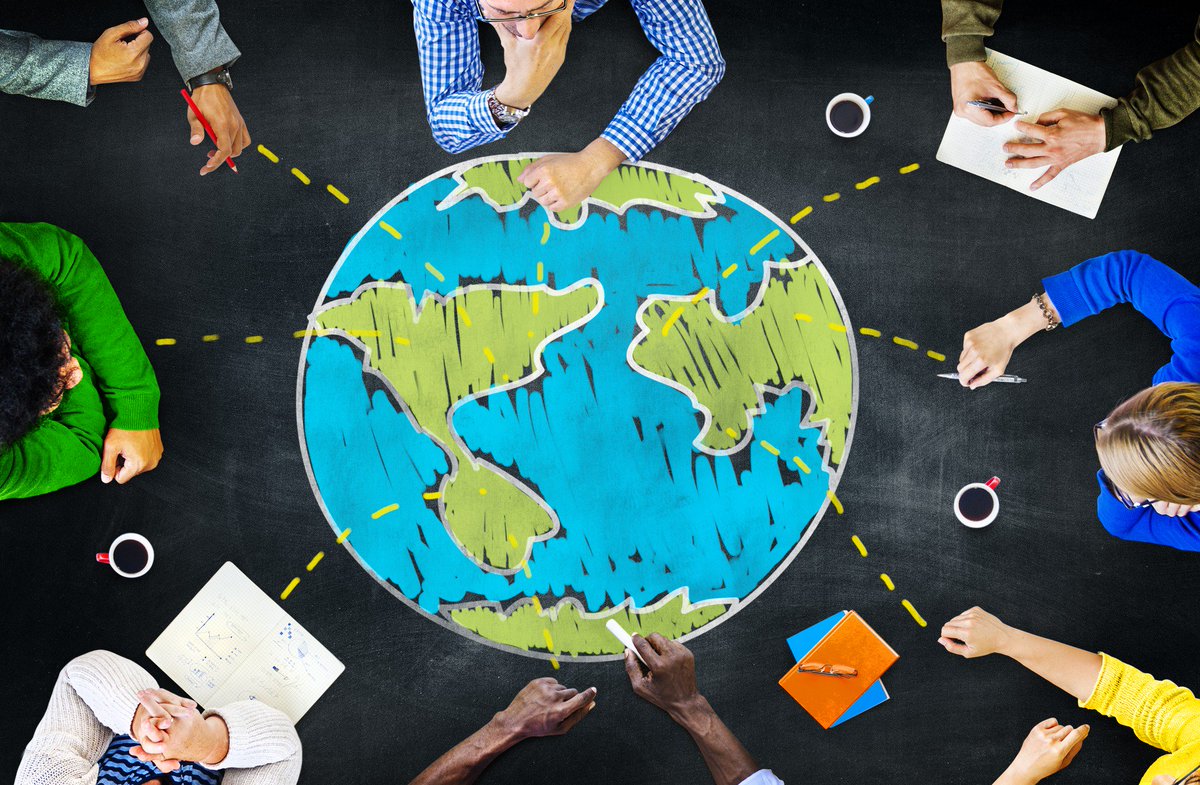
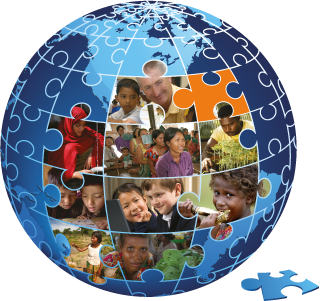
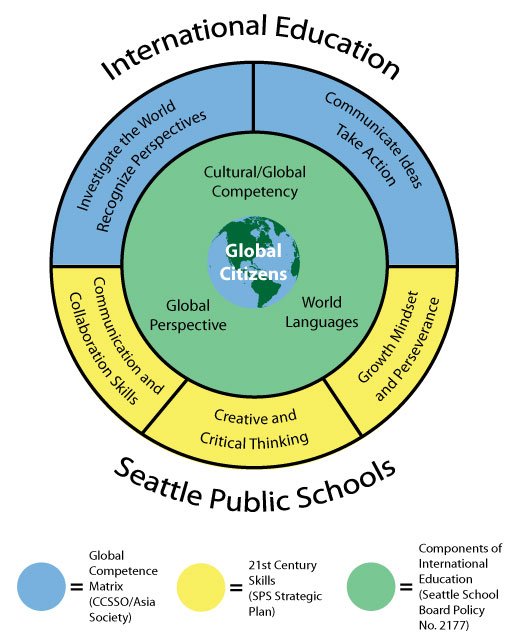
The implementation of Global Education creates engaging/relevant & significant lessons that result in students becoming active participants in their societies(Ferguson-Patrick et al.,2018).Students can develop their value for others cultures through learning beyond the classroom.
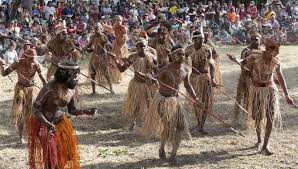
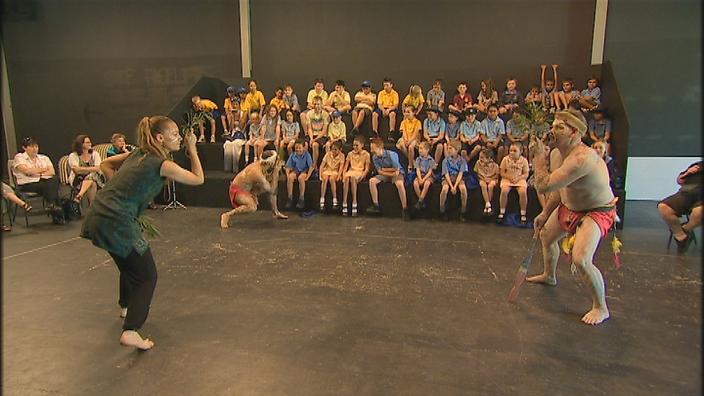
@sj3208552 Great point! It is important also to provide students with opportunities to learn about The Australian Aboriginal Culture, as it allows them to build an understanding and respect for the similarities and differences between the cultures (Llopart & Esteban-Guitart, 2017) #UoNTeach
The Global Perspectives text is a great resource to be utilised when designing a global education unit/project. The text offers practical ideas that allow students to be embedded into a culturally diverse classroom that is linked to the curriculum standards(GEPNSW,2014).#UoNTeach
It is evident that community-based learning can create great lessons. Educators must be willing to co-operate/involve the community despite issues of inequality and disparity. It is important that all complexities are embraced and respected (Philip,Way,Garcia,Brown&Navarro,2013).
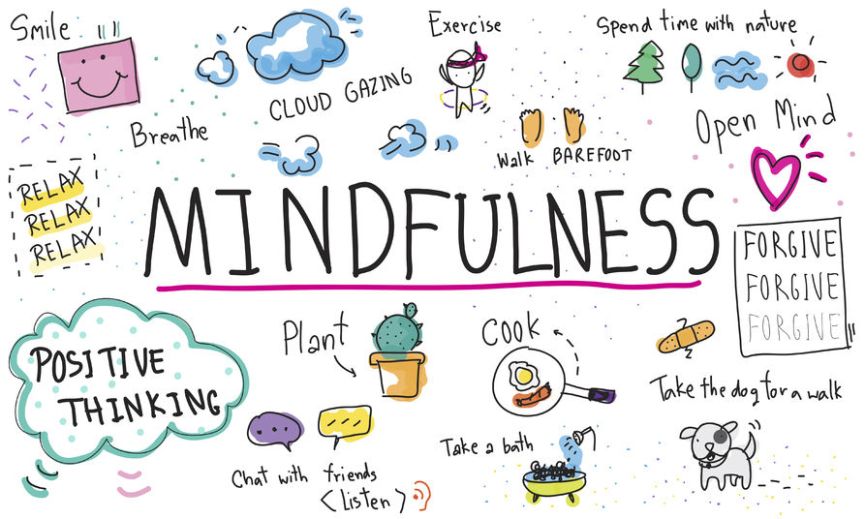
Mindfulness is a vital component in 21st century curriculum, as it allows teachers to develop community-based teaching/learning. It encourages students’ engagement, concentration and encourages them to engage in contemplative practices (Semple, Droutman & Reid, 2016). #UoNTeach
All students deserve to receive equitable and inclusive education. If this is implemented successfully in the classroom, students can receive quality learning. Teachers need to reflect on their pedagogy to ensure all lessons can be accessed by all learners(UNESCO,2014).#UoNTeach
It is crucial for teachers and students to reconsider traditional assumptions that are made about the nature of knowledge, so ones practice and learning can become closely aligned to the 21st century conditions of both "knowing" and "being" (Hipkins, Reid & Bull, 2010). #UoNTeach
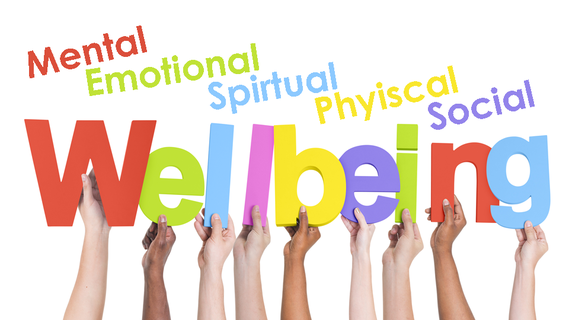
Positive education allows students to reach their social/emotional/academic goals (Noble & McGrath, 2015). The PROSPER framework encourages students to build their positivity, relationships, strengths and resilience, contributing to overall student wellbeing and achievement.
The involvement of family and community is important for a student to excel and be successful in the classroom. It is crucial that educators are able to appropriately utilise those in the community as assets and also as a valuable source to help the students continuously grow.
@sj3208552 UNESCO (2006) guidelines state that students that have access to learn "through" a culture will benefit both socially and emotionally. It provides students and teachers with the opportunity to reflect on their culture, strengthen friendships and promote overall understanding.
@sj3208552 Great point! Kivunja (2015) supports this idea by discussing how DeBono's Six Thinking Hats encourage critical and creative thinking. It gives the reader an insight on how the hats can cover all aspects of thinking and encourage students academic and social growth. #UoNTeach
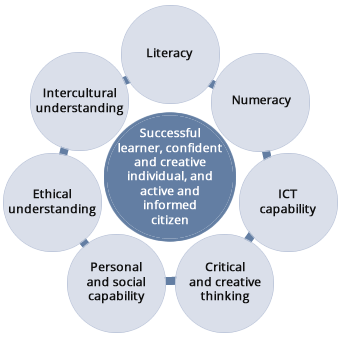
Educators must provide students with skills that equip them for the 21st century. By implementing the General Capabilities into curriculum, students are able to apply skills and knowledge confidently and reflect on their actions in the classroom and beyond (ACARA, 2017).
The implementation of layered literacies allows students to explore issues and challenges beyond the classroom walls. They are able to reflect on their own teaching and learning through becoming an active 21st century participant on a local and global level (Shulsky, 2017).
Pedagogy and curriculum that is culturally relevant to a students life builds a strong level of significance to the students learning. This highlights the importance that learning must be built and connected between student, school, home and community (Goodman & Hooks, 2016).
The implementation of layered literacies allows students to explore issues and challenges that are beyond the classroom walls. They are able to reflect on their own teaching and learning through becoming an active 21st century participant on a local and global level. #UoNTeach
The implementation and teaching of both Gardner's Multiple Intelligences and Blooms Taxonomy can successfully result in one being able to explore and develop their confidence, academic strengths and social boundaries (Noble, 2004). #UoNTeach#Students@TeachingChannel
Teaching and learning across curriculum creates enriching and engaging learning opportunities that can be accessed by all students, while also supporting specific learning areas (NESA, 2016). #UoNTeach#EqualRights@NewsAtNESA@GoogleForEdu@TeachingChannel
The necessity for educators to implement foundational, meta and humanistic knowledge is vital 21st century learners. Educators must reflect on their practice to ensure that the teaching is valuable for ones future endeavours (Kereluik, Mishra, Fahnoe & Terry, 2013). #UoNTeach