If you're at the US Poultry National Safety Show, stop by ChemDAQ's table to check out all of the monitoring solutions we have for Peracetic Acid! If you are not able to be in attendance, check out https://t.co/IEyRPu3w6v to keep workers safe from overexposure to gas vapors.
EnviroTech, a major producer of Peracetic Acid, did a study on ChemDAQ's Peracetic Acid sensor. The study shows our PAA sensor to be accurate below the ACGIH Occupational exposure limit. Our PAA sensor is unaffected by hydrogen peroxide and acetic acid.
https://t.co/aYyJIgDTPp
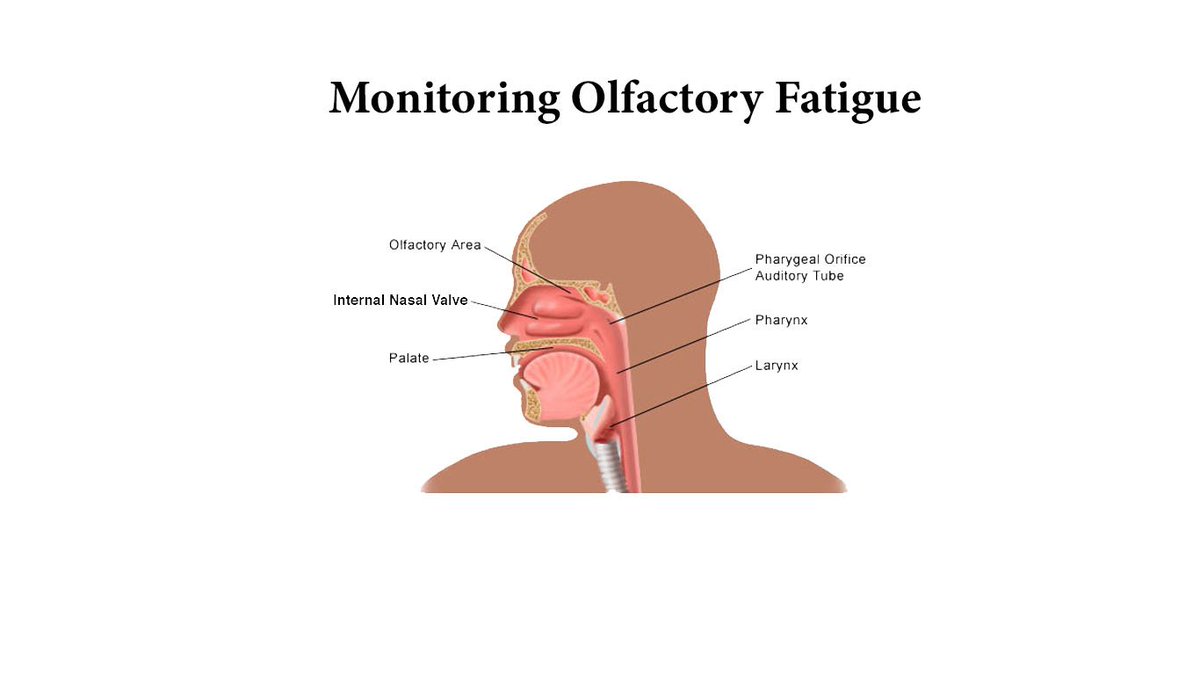
Have symptoms of exposure to PAA but can't smell it? It's most likely due to olfactory fatigue. Olfactory fatigue is also known as nose blindness or odor fatigue, can lead to serious issues for workers. Learn more about olfactory fatigue at https://t.co/Py2RasPenm
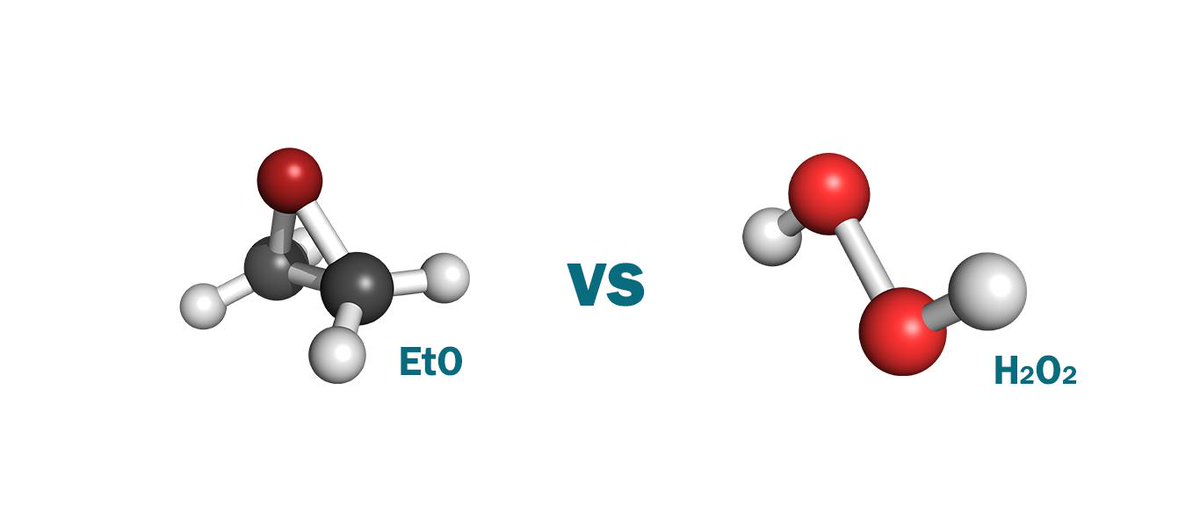
Using Peracetic Acid, Hydrogen Peroxide and/or Ethylene Oxide? Learn the hazards, risks and regulated exposure limits for each of these chemicals. Take the steps to ensure safety from hazardous chemicals in your work place.
https://t.co/9KsVn702Gc
Ethylene Oxide emissions from plants? Don't forget sterilization workers and product off-gassing through the supply chain, as well.
https://t.co/UgtNsR0Iga
#medicaldevice#healthcare#sterileprocessing
The comparisons between Hydrogen Peroxide and Ethylene Oxide are there. Make safety a priority for your sterile processing department and make sure you are monitoring for both chemicals.
https://t.co/2EXPFxhbb0
#sterileprocessing#spd#meddevice
Are you using #EthyleneOxide in your workplace? Make sure you are taking all the necessary steps to ensuring proper and safe use.
https://t.co/bi7px4f0Ok
Peracetic Acid: Effective... But Safe? If you are using Peracetic Acid in your workplace, lets take a look at the facts.
https://t.co/QTOK0Ua9ay
#UsingPAA#PeraceticAcidSafety
#PeraceticAcid is the chemical of choice in meat processing, produce, aseptic packaging and other industries, but what's alarming is that its high reactivity means that exposure to PAA is harmful. ChemDAQ can help you control worker exposure to PAA.
https://t.co/WhR3pckCC5
With #HydrogenPeroxide sterilization, you never know if you are really safe. Accidental leaks will happen, protect your workers from hazardous gas by contacting ChemDAQ today.
https://t.co/GTUrSOSkB9
Continuous monitoring of Peracetic Acid can help avoid worker injury. Visit https://t.co/IEyRPu3w6v to see all of the hazards and risks involved with using and being around Peracetic Acid daily.
https://t.co/bU0SLLdJeM
Accidental Peracetic Acid leaks from storage totes can be prevented by monitoring of #PAA continuously to alert workers. Even a small leak from a PAA tote can result in extremely high PAA concentrations. https://t.co/IEyRPu3w6v
https://t.co/PNfpFC3ZuO
#PAALeaks#WorkerSafety
Questions about if #PeraceticAcid overexposure is safe to be around daily? Here are reactions from two former #USDA food safety inspectors from Utah speak up about the negative health effects they experienced while working in proximity to PAA.
https://t.co/qPHZ98pyzL
Using Hydrogen Peroxide, Peracetic Acid, Ethylene Oxide or other hazardous chemical? Parts per million (or ppm) is a commonly used term in chemical sterilization and is used in OSHA regulations. But, exactly how small is a ppm?
https://t.co/wVuqc6E6hG
With industry regulations rising, there is no other time to start monitoring Ethylene Oxide off-gassing throughout your medical device supply chain...
https://t.co/uDIakRHixj