🔥 New and HOT in Chemical Science!
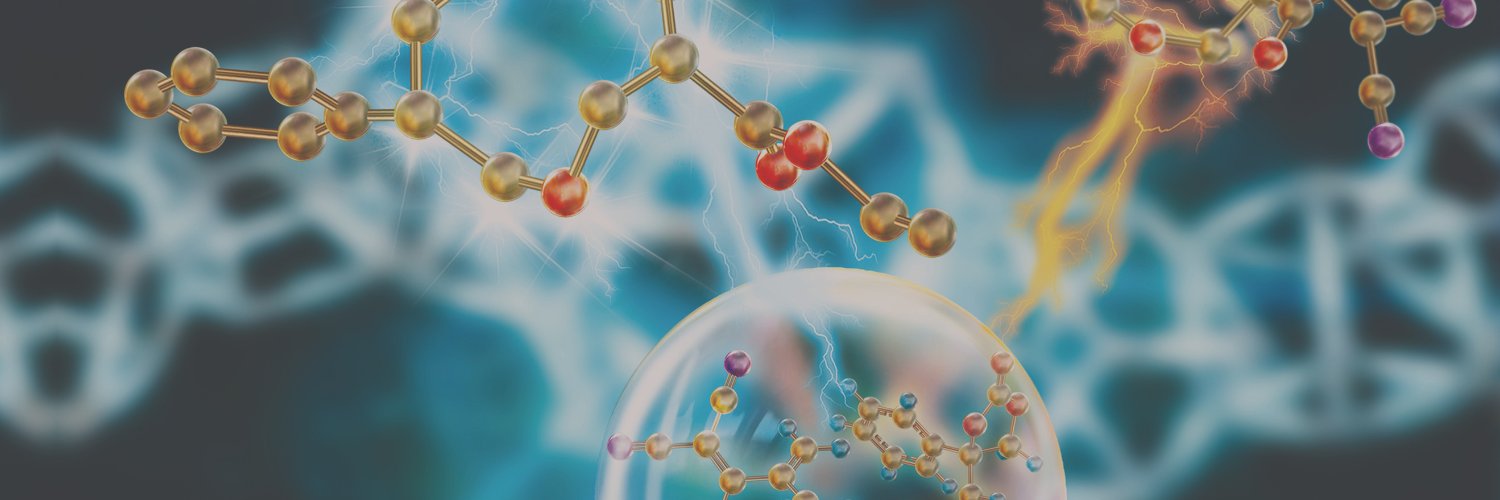
“Cu-mediated bipolar-type extended π-conjugated microporous polymers for lithium-ion battery cathodes with high energy density and fast-charging capability” by Wei Lyu and Yaozu Liao et al.
Read it for free: https://t.co/dN8QzPQF8m
🔥 New and HOT in Chemical Science!
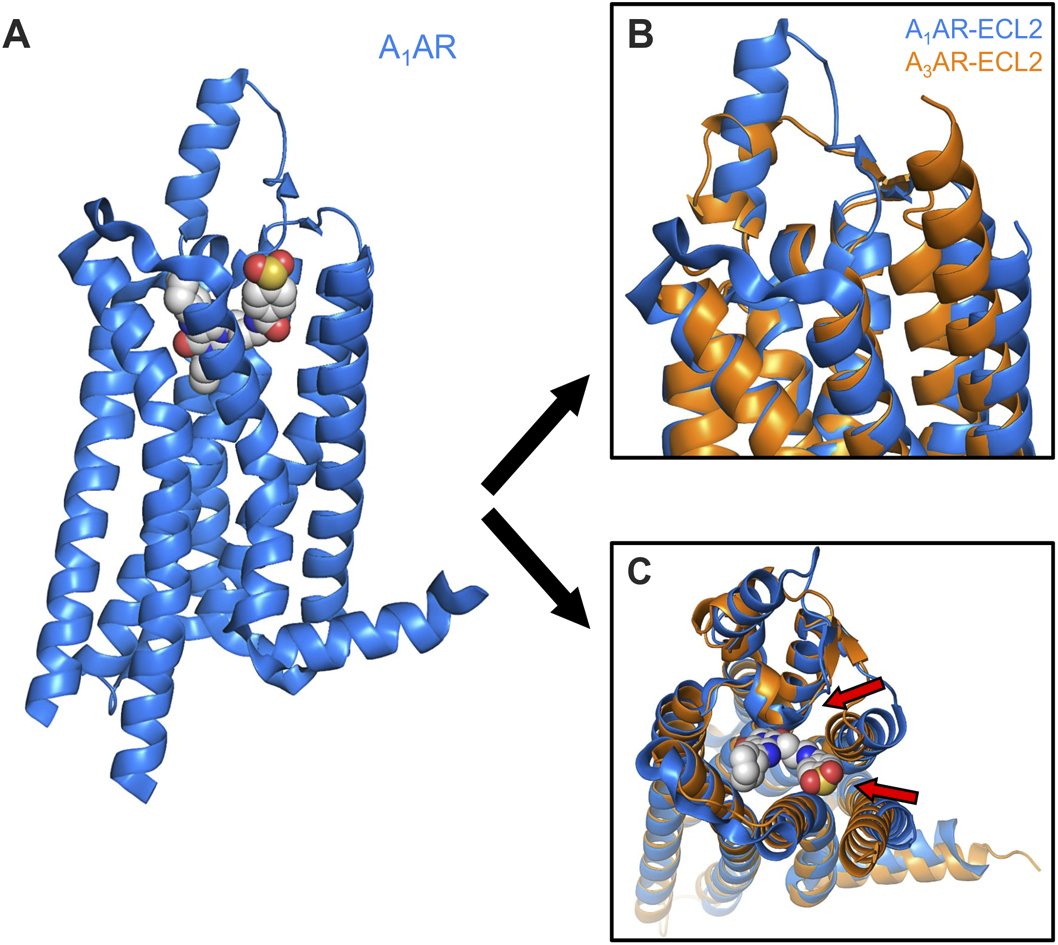
“Enhancing binding affinity predictions through efficient sampling with a re-engineered BAR method: a test on GPCR targets” by Sangbae Lee and Art Cho et al. from Korea University, inCerebro, and Atomatrix
Read it: https://t.co/y0zDC9McS6
Don't miss Silke Johannsen, Roland K. O. Sigel et al's recent article
#ChemSciCovers
'Elucidating the solution structure of the monomolecular BCL2 RNA G-quadruplex: a new robust NMR assignment approach'
🔗 https://t.co/72rZiRPQBW
@sigel_lab@AliciaDguez1
📢 NEW #ChemSciCovers
'Evidence for I2 loss from the perovskite–gas interface upon light-induced halide segregation' by Hemamala I. Karunadasa et al.
🔗 https://t.co/AyFpbwVRAo
Don't miss Gayan B. Wijeratne, Brad S. Pierce, Hannah S. Shafaat et al's recent article
#ChemSciCovers
'Modulation of heme peroxo nucleophilicities with axial ligands reveal key insights into the mechanistic landscape of nitric oxide synthase'
🔗 https://t.co/C7KHCb7Fr6
Issue 22 is here!
Our front cover this week features Helen Tran et al 🤩
'Sequence-defined peptoids via iterative exponential growth'
🔗 https://t.co/wwJDGfgVAh
#ChemSciCovers
OPEN SINGLET DIRADICALOID as intermediate in the Ca-mediated reductive coupling of isocyanide finally resulting in a deltate complex. A unique mechanism in group 2 metal mediated reductive C-C coupling @ChemicalScience https://t.co/FeZxgliWdz
🔥HOT🔥 research just published in Chemical Science!
"Flexible phosphonium and sulfonate pair-to-pair self-assembled ionic organic single crystals for iodine capture" by Jia Chen, Hongdeng Qiu and co-workers (Chinese Academy of Sciences).
Free to read: https://t.co/wD3WF2Bhrl
This latest HOT article from Sangbae Lee, Art Cho and colleagues at inCerebro, Korea University and Atomatrix develops a new method for predicting the binding affinity of ligand-receptor complexes by re-engineering the BAR method.
Read for free!
https://t.co/tZP8f30ReP
🚨 New paper alert! 🚨
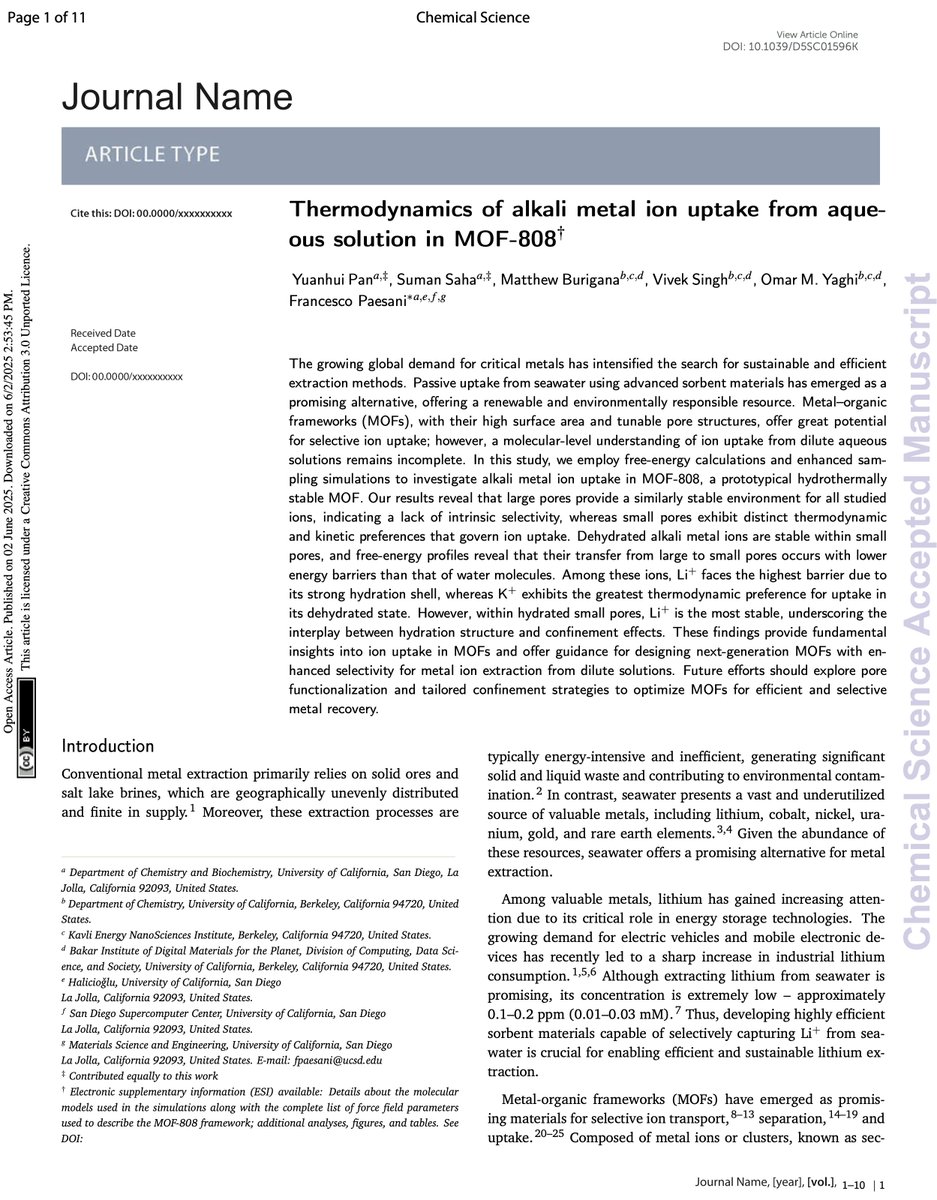
Our latest study on #MOFs has just been accepted in @ChemicalScience! 🎉
👉 https://t.co/9grNv3UVpA
In collaboration with Omar Yaghi’s group at @UCBerkeley, we used molecular simulations 🖥️ to unravel how alkali metal ions (Li⁺, Na⁺, and K⁺) are taken up by MOF-808 from aqueous solution. 🌊
We show how pore size, hydration, and ion identity dictate both thermodynamics and kinetics of uptake, which provides key insights for designing #MOFs that can efficiently extract critical metals from dilute sources like #seawater.
@UCSanDiego@UCSDPhySci@UCSDChemBiochem@HDSIUCSD@SDSC_UCSD
Published in @ChemicalScience: We used QM/MM MD & OPES simulations (pathCV) to study a multi-step chemical reaction catalyzed by a peptide ligand-protected metal nanocluster! Congrats, @tiwarivikas0 superb effort!👏
https://t.co/XWcxSMJYAe
@CCMB_IITD@Chemistry_iitd@iitdelhi
🔥 New and HOT in Chemical Science!
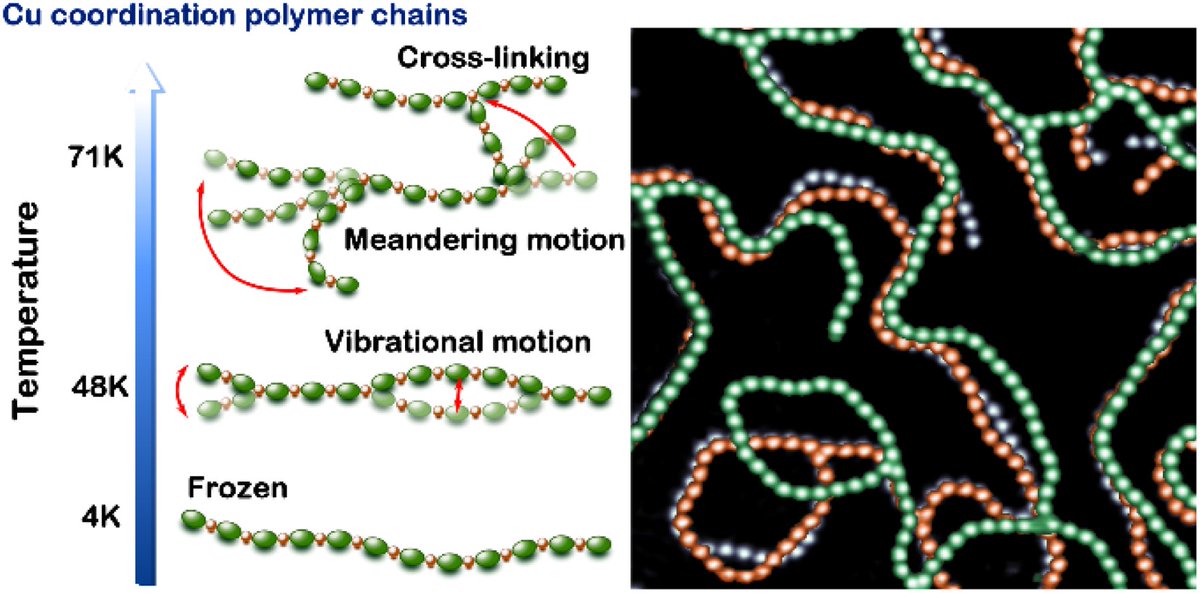
"Structural flexibility and mobility of coordination polymers on Cu(111)" by Waka Nakanishi, Masayuki Takeuchi and Keisuke Sagisaka from NIMS, Japan.
Read it for free:
https://t.co/kTWGNhAciy
This allows tracking of the DCF in the DCF-Cu polymer on Cu (111) and exploration of the behaviour with increasing temperature - branched structures are found to be less mobile and linear structures and shorter polymers with free ends have greater mobility.
@gilliardgroup@ccclabmit@RJGilliard Here, the authors use the elimination of hexamethylbenzene to construct transient sterically unhindered boron-containing unsaturated bonds.
This week's #ChemSciPicks comes from Robert J Gilliard and Christopher Cummins (Massachusetts Institute of Technology, United States). @gilliardgroup@ccclabmit@RJGilliard
Read it for free here: https://t.co/pabA68tFXH