Japan invaded China and killed millions and made slaves and sex slaves of thousands, then Japan downplays and denies the atrocities, even going so far as to set up war criminals in a shrine so they can be venerated.
And it's not just China btw.
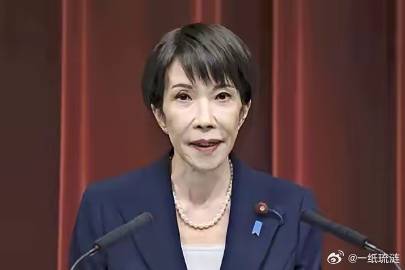
In response to a media inquiry regarding reports that the city of Nagasaki plans to complete updates to exhibition panels at the Nagasaki Atomic Bomb Museum during fiscal year 2026, including replacing the term “Nanjing Massacre” with “Nanjing Incident” on a display panel, Chinese Foreign Ministry spokesperson Mao Ning said on Friday that the Nanjing Massacre was a brutal crime committed by Japanese militarism, with overwhelming and irrefutable evidence, and that history must not be distorted. She said the #TokyoTrial explicitly determined that the atrocities committed by Japanese forces in Nanjing constituted a “massacre,” not an “incident.” Mao said the judgment of the International Military Tribunal for the Far East devoted a special section to the atrocities in Nanjing and, based on extensive survivor testimonies, records by third-party foreign witnesses, and Japanese military archives, established through an international judicial ruling the grave crimes committed by the invading Japanese army during the #NanjingMassacre.
Mao said that General Iwane Matsui, held responsible for the Nanjing Massacre, was sentenced to death by hanging as a Class-A war criminal and stressed that history must not be overturned. She added that many Japanese atomic bomb survivors, civic groups in Nagasaki, and other people of insight have called for a correct and complete account of the crimes and history of Japanese militarism as an aggressor. Mao urged Japan to deeply reflect on its wartime crimes and responsibilities and to make a clean break with militarism.
Era una tarde fría en el mero centro de la ciudad...
Entre el desfile de los puestos ambulantes, el olorcito a elotes asados y el alboroto de la gente, caminaba despacito un niño flaquito como de unos seis años. Iba bien agarrado de la mano de su hermanita menor, una chaparrita que a duras penas cumplía los cuatro años. Su ropa se veía ya viejita y gastada, pero limpia. Sus pasos eran pesados, como si los dos cargaran con todos los pesares de este mundo.
De repente, la manita de la niña se soltó de la de su hermano.
La niña se plantó en seco.
Sus ojos se quedaron clavados en la vitrina de una juguetería.
Ahí estaba una muñeca hermosa, de pelo dorado y con un vestido rojo bien esponjado. Miraba a la niña con sus ojitos de cristal, como si llevara años esperándola a ella para convertirse en su mejor amiga.
El hermano siguió su mirada. Se agachó hacia ella y le susurró bien quedito:
— ¿Te gusta la muñeca, mi cielo?
La niña solo asintió con la cabeza. Los ojos le brillaron por completo, pero de la emoción no pudo decir ni pío.
El niño la tomó otra vez de la mano y entró a la tienda con toda la decisión del mundo. Tenía una postura que le quedaba grande para su edad: el orgullo y el instinto de protección de un hermano mayor. Agarró la muñeca del estante y se la puso en los brazos a su hermanita. En la carita de la niña floreció una sonrisa de esas que la pobreza les tenía prohibidas desde hacía mucho tiempo.
El tendero se quedó viendo toda la escena en silencio. Sintió un nudo en la garganta.
El niño se acercó al mostrador y preguntó casi en un susurro:
— Oiga, señor... ¿cuánto cuesta la muñeca?
El hombre le sonrió con mucho cariño:
— A ver, mijo, ¿y tú qué traes para pagar por ella?
El chamaco no lo pensó dos veces; metió la mano al bolsillo y sacó un puño lleno de conchitas de mar relucientes. Las había juntado en la playa, guardándolas como su tesoro más grande. Las puso con mucho cuidado sobre el mostrador, como si fueran monedas de puro oro.
El comerciante empezó a contar las conchitas con mucha seriedad, como si estuviera contando billetes de a mil pesos.
El niño se asustó al ver su cara:
— Señor... ¿a poco no me alcanza?
Al tendero se le llenaron los ojos de lágrimas. Le contestó suavecito:
— No, mijo... al contrario. Estas conchitas valen muchísimo más que la muñeca.
El hombre agarró solo cuatro conchitas y le regresó las demás al niño.
El pequeño salió feliz de la tienda, agarrando fuerte a su hermana. La niña llevaba la muñeca bien abrazada, dándole un apapacho eterno, con una cara de felicidad como si su sueño más grande se hubiera vuelto realidad.
El ayudante del taller, que estaba adentro de la tienda y vio todo, le preguntó extrañado:
— Oiga, jefe... ¿de veras dejó ir un juguete tan caro por cuatro conchitas de la playa?
El tendero respondió con la voz bajita:
— Para nosotros son solo conchitas... pero para ese niño, era el tesoro de todo su corazón. Ahorita él todavía no entiende el valor de unos papeles de colores llamados dinero. Pero mañana, cuando crezca y se acuerde de que le compró una muñeca a su hermana con un puñado de conchas... se va a acordar de que la gente buena todavía existe. Y quién sabe, mijo, tal vez ese recuerdo sea el que lo mueva a él, el día de mañana, a convertirse en un rayito de luz para alguien más.
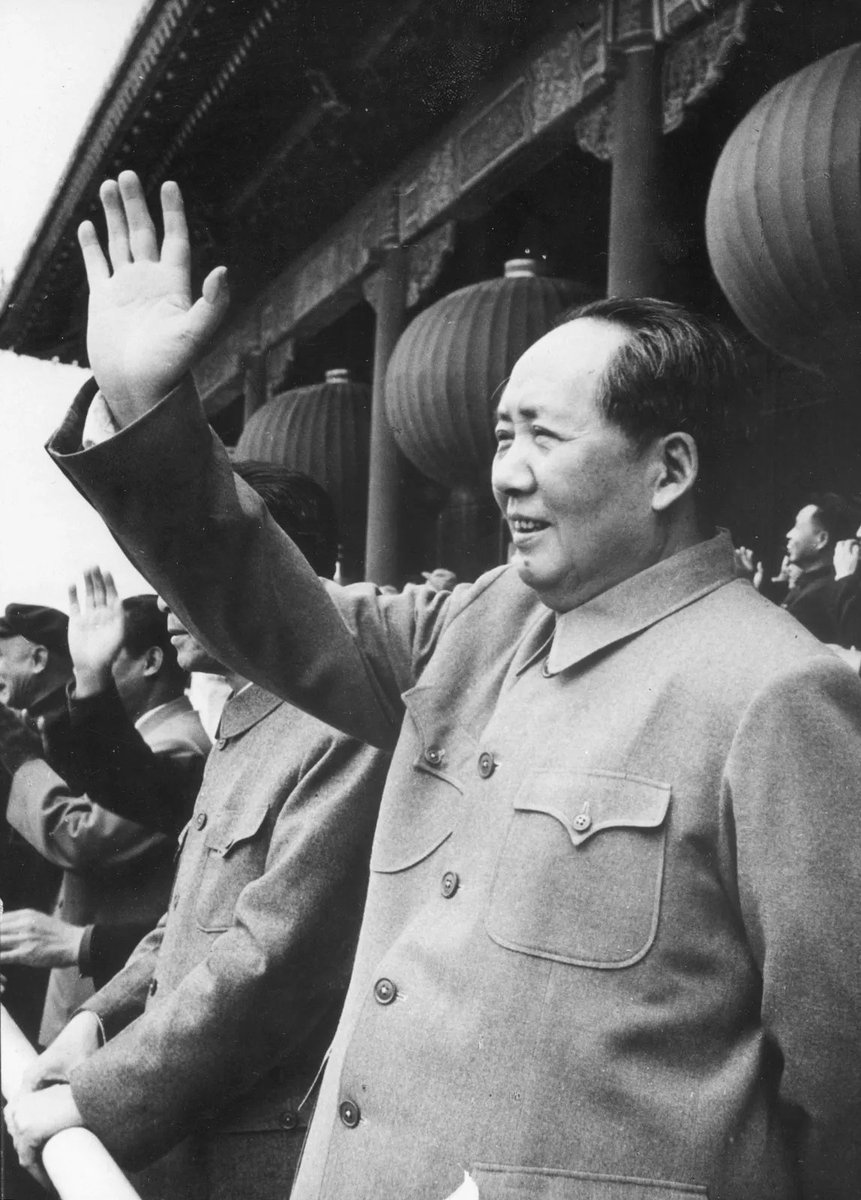
Mao Zedong is not just one of the greatest heroes of China's history, but one of the greatest heroes of world history.
A wise Chinese woman told me that “China was a light that guided the people out of darkness at critical time.”
Help me add to this list of his achievements.
1. Founded modern China.
2. Ending warlord fragmentation and the "century of humiliation."
3. Restored sovereignty and ended colonial foreign domination and unequal treaties
4. Implemented nationwide land reform (early 1950s), redistributing land from landlords to peasants and breaking feudal structures.
5. Promoted women's rights via the 1950 Marriage Law, banning forced marriages, concubinage, and foot-binding.
6. Ended historic illiteracy through mass education campaigns.
7. Increased primary school enrollment and access for the masses.
8. Improved public health with "barefoot doctors," sanitation drives, and disease eradication efforts.
9. Raised life expectancy from 38 years in 1949 72 years.
10. Led the development of heavy industry with Soviet aid, despite brutal sanctions from the USA.
11. Established state-owned industrial base, laying groundwork for later development in steel, coal, machinery.
12. Developed nuclear weapons which protect the nation today from imperialism powers.
13. Stop the imperialists from taking all of Korea.
14. Built extensive irrigation and infrastructure through mass mobilization (dams, canals, etc).
15. Opened diplomatic relations with the U.S. via Nixon's 1972 visit, shifting global geopolitics.
16. Unified written language efforts and simplified Chinese characters for broader literacy.
17. Fought the Fascist Japanese occupation effectively in base areas during WWII.
18. Inspired global anti-colonial movements as a symbol of Third World revolution.
19. Achieved early economic growth in the 1950s, despite brutal US sanctions on farming equipment and machinery.
20. Built foundational transportation infrastructure (railways, roads).
21. Elevated China's status as a major world power despite US attacks, counterintelligence, and sanctions.