What is Sign Protocol, and why are we building it? (a long post)
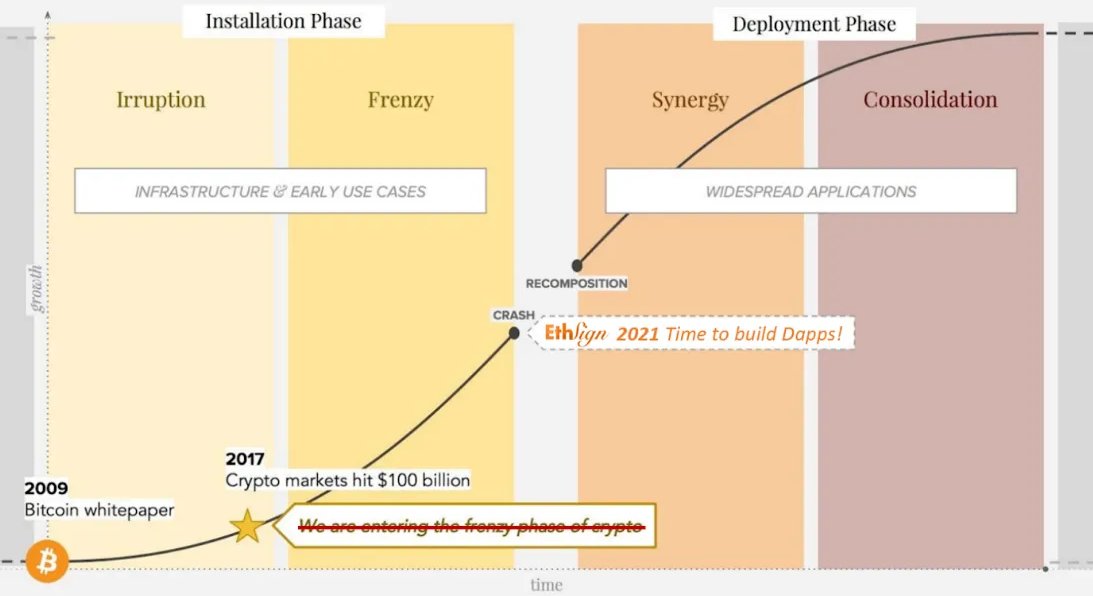
1. When we started @ethsign in 2021, there were very few Web3 apps. Investors talked about massive adoption on every speaker panel, yet they just threw money at new blockchains as if the bottleneck stemmed from there not being enough blockchains
2. We chose to go for the long run and to build applications that fundamentally make sense and will become increasingly important. The idea is:
- make verifying an e-signed contract as simple as verifying a tx onchain
3. Now the idea has become:
-securing 350k signatures
-integrating sovereign countries' identity
-powering millions of RWA onchain
4. We found out there are many scenarios that don’t require a PDF, including KYC/PoH, term of use, and proof of funds. We are ready to move one step ahead, not just signing contracts, but EVERYTHING ONCHAIN
5. Sign Protocol is the decentralized infra for digital signatures. With different schemas(templates), users can attest their
-intent
-consent
-achievement
-identity
-social connection
-ownership
…literally everything onchain
6. The key to Web3 booming is building more interesting, useful apps. DeFi brings yield onchain, and Attestation brings trust onchain, which enables lower collateral rate, social recovery, and more use cases
7. At Sign Protocol, we are creating a unified trust repository where verifiable attestations drive all claims and assertions on the web and the world around us
Massive adoption is real
The first version of the MEM SDK is now live, making it easier than ever to read and write web3 serverless functions in your server-side or front end code.
.deploy
.write
.read
Check the announcement post for more info + a Next.js example: https://t.co/OxJXWo9Ogo
11 ways ChatGPT saves me hours of work every day, and why you'll never outcompete those who use AI effectively.
A list for those who write code:
1 of 16