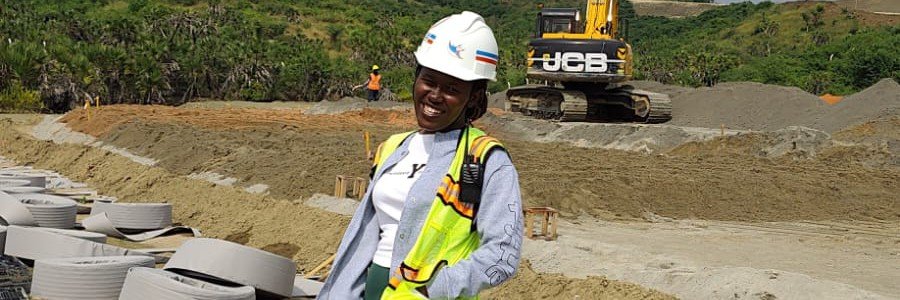
I HAVE watched CS Water on several occasions rattling with contractors on site. It is what happens when you come from private practice. My thoughts are that I think he will be doing this in every place he visits. I have said this before, our public procurement process is not designed to get the best local contractors or even consultants.
It is designed for the most connected, the easily corrupted, the most unprofessional, and the one with the best document organization. Nothing to do with work.
A QUESTION FOR CIVIL AND STRUCTURAL ENGINEERS PRACTICING IN KENYA IN 2026
I recently learned that BS 8110, BS 5950 among other structural design standards remain widely referenced in structural design in several projects. For engineers who still use these obsolete standards, I am curios to learn, which factors influence this decision?
Let’s have a candid discussion.
I was recently contacted to review a design for a project in one of the leafy suburbs of Nairobi. The structural designs were dated August 2026 but referenced standards that were withdrawn in 2010.
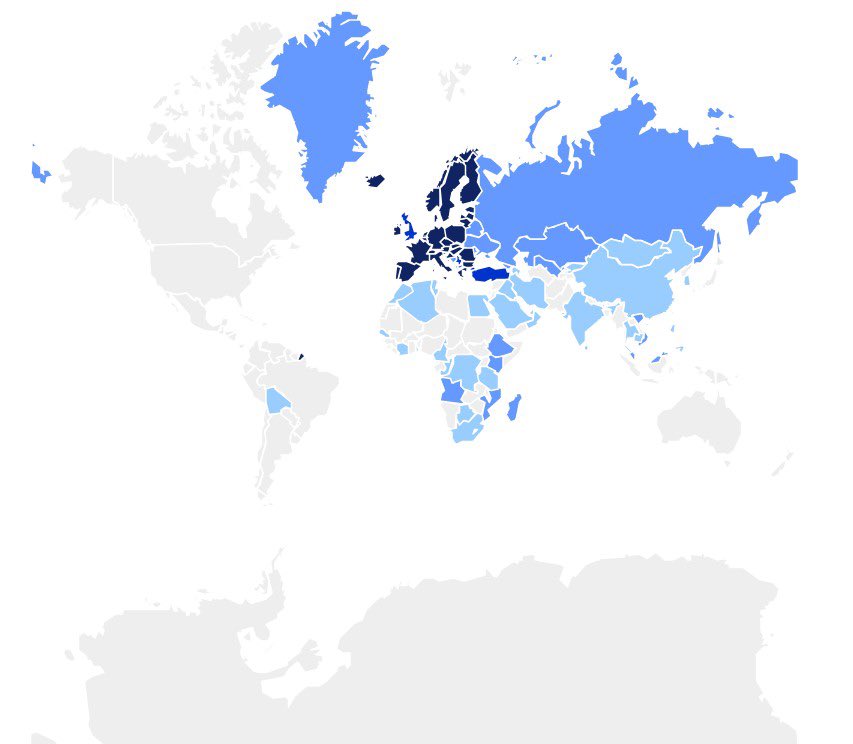
Engineering standards have evolved over time stemming from years of research and innovative sustainable construction materials and practices. The conversation is currently gravitating to generation 2 Structural Eurocodes yet most of us have not embraced the first generation.
Adoption of Structural Eurocodes offer an international approach to European harmonized structural design with a keen focus to domestication through Nationally Determined Parameters published as National Annexes to the Structural Eurocodes.
Why use Structural Eurocodes?
1.More economical design approach
2.Flexibility, innovation and sustainability
3.Enhanced safety and reliability
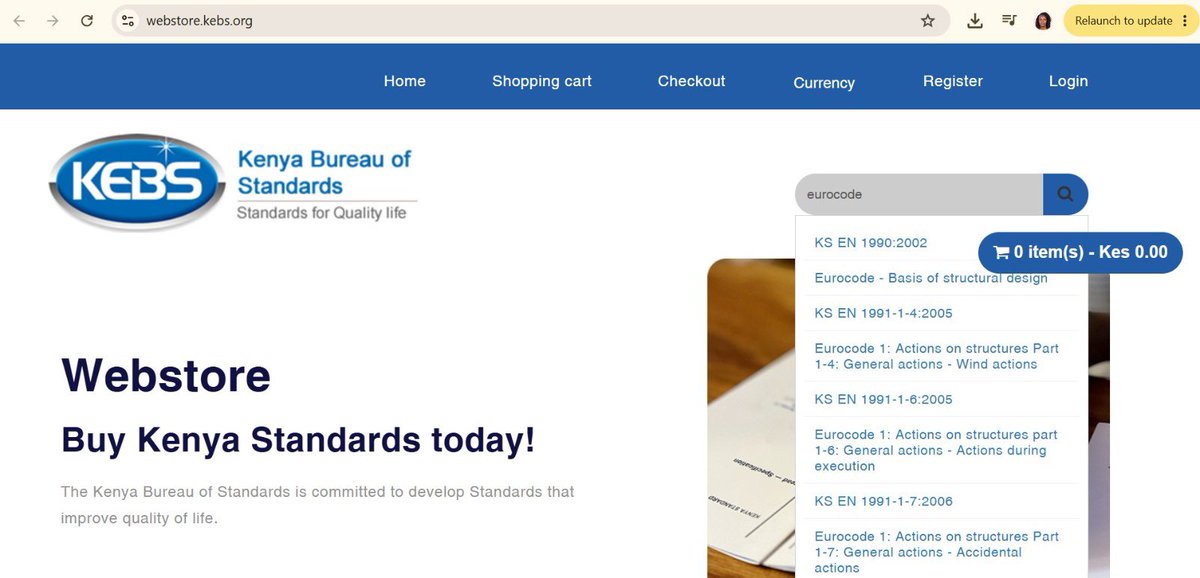
https://t.co/sVeTMK2S1A competitiveness and mobility of engineering services and products
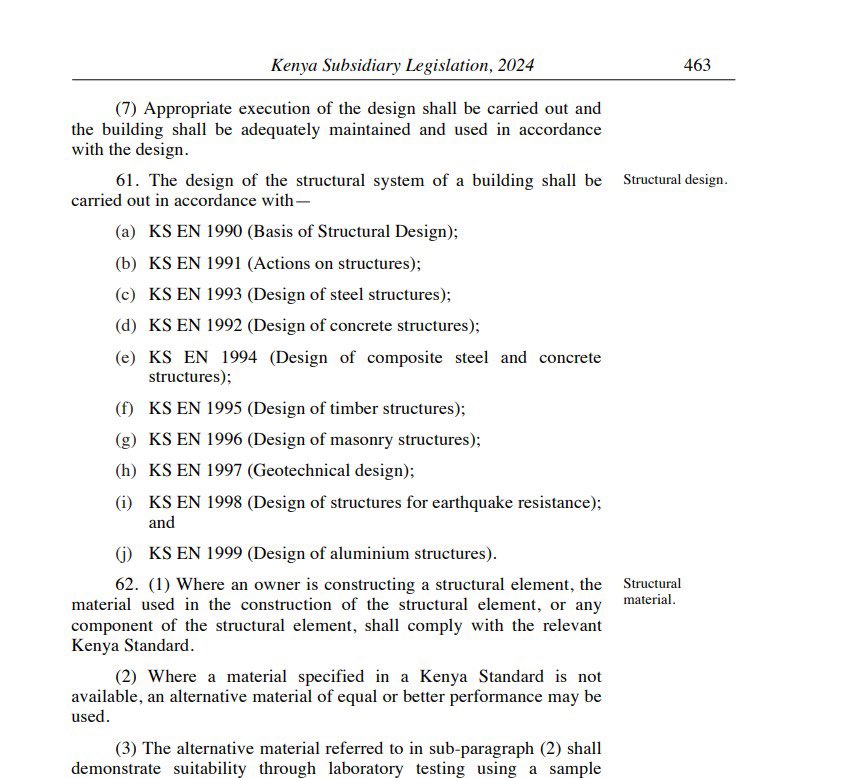
5.Compliance to the Kenyan Building Code 2024 https://t.co/TEs12MInRe
6.Compliance to the Kenya gazetted Standards (14th September 2012)
Why are you still holding on to your ‘exes’?
#SemaNami
#StructuralDesign
#Engineering
#Construction
Nobody creates boundaries while worrying about who they will lose. In fact, by the time you're announcing or implementing yours you've lost the fear of losing people...
Nataka nikukumbushe kitu!
Your high frequency is your shield. Your self-love is your sword.
Your clarity is your armor.
Don't lower yourself to be understood.
Don't turn off your light to avoid disturbing.
Never let the limited vision of others cloud your own perception.
Even if the whole world is against you, stay true to your essence.
Kuto comes from Chepkuto/Kipkuto. Which is a name of a Tegeriot(Someone who's older siblings died). Here are some too
1. Ki/che- por
2. -magut
3. -kering
4. -menjo
5. Kikwai
6. Kimeto
7. - kitur
8. - Tembur
9. - birech
10. -cholyo
Etc.
- given depending on how the ritual was done
I think Maemba is associated with millet but I don't know how, I'll try to find out.
But here are others
1. Kip/Chep-keswai - born during millet harvesting
2. -Maswai - born during millet weeding
3. Kwambai - born when there's plenty of millet
1239.
The clamour by the Institute of Engineers of Kenya to restore the dignity of engineers locally is very much welcome.
Realistically, we need to know how we found ourselves here.
At what point did foreigners begin to disrespect engineers in their own backyard?