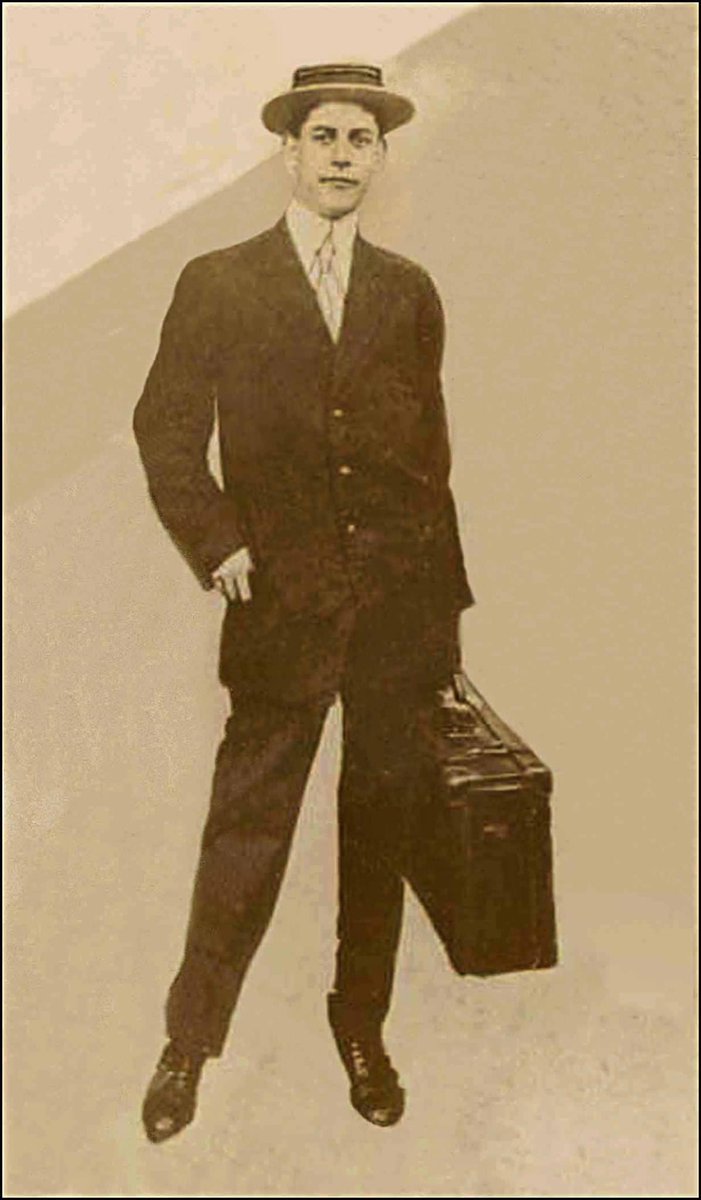
In 1851 a chess game was played that shocked the entire chess world.
It became known as The Immortal Game.
And 170 years later people still study it. ♟️
Remembering Tony Miles, who passed away 25 years ago today at the age of only 46.
Seen here at Amsterdam in 1976, the year in which he became the first British-born GM. A chess hero to me & I am sure many others.
(📷: R. Bogaerts / ANEFO, via https://t.co/PlhPbKfF78.) #chess
While researching Jacques Mieses, my great-grandmother's brother, I found a draw from Hastings 1948/49. Mieses was 83, Leonard Barden 19. Barden is 97 now and has written the Guardian chess column since 1955. This winter Hastings holds its 100th congress. #chesshistory#chess
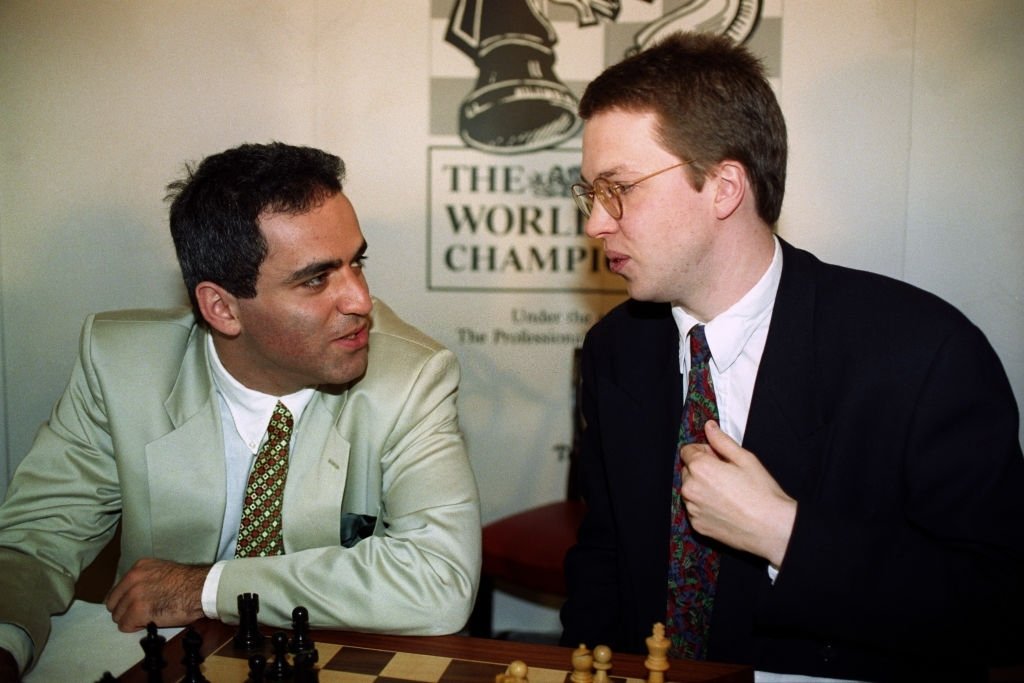
A short story about the night before this fateful game that made me the world champion 35 years ago today. The evening of November 8, I received two phone calls from two former world champions, both named Mikhail. 1/3
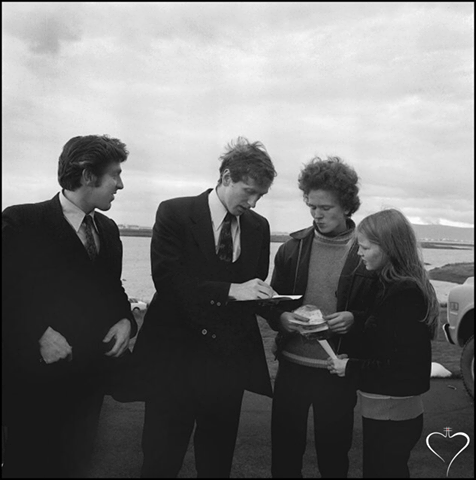
Sæmi Pálsson, Bobby Fischer’s bodyguard during the 1972 Reykjavik match and one of his lifelong friends, passed away last weekend. This photograph of the two together dates from 1972 and was taken by Ólafur Magnússon.
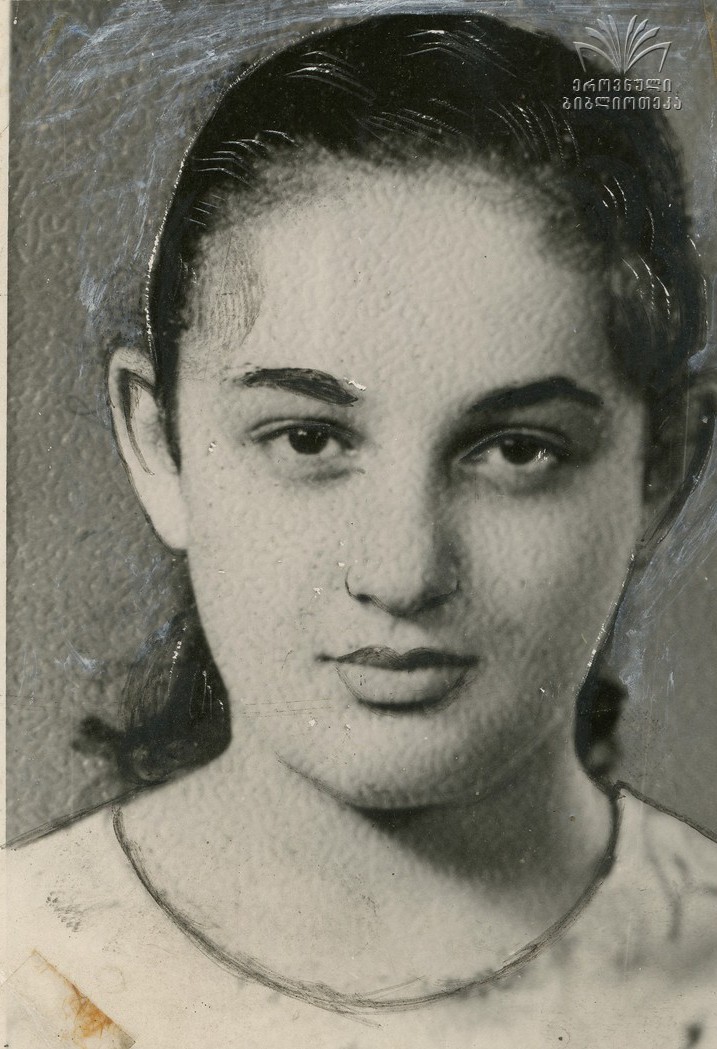
"The female Fischer" - Boris Ivkov on 12-year-old Maya Chiburdanidze who beat Vlasta Kalchbrenner (later -Vlasta Macek) 4-0 in the USSR-Yugoslavia match 1973
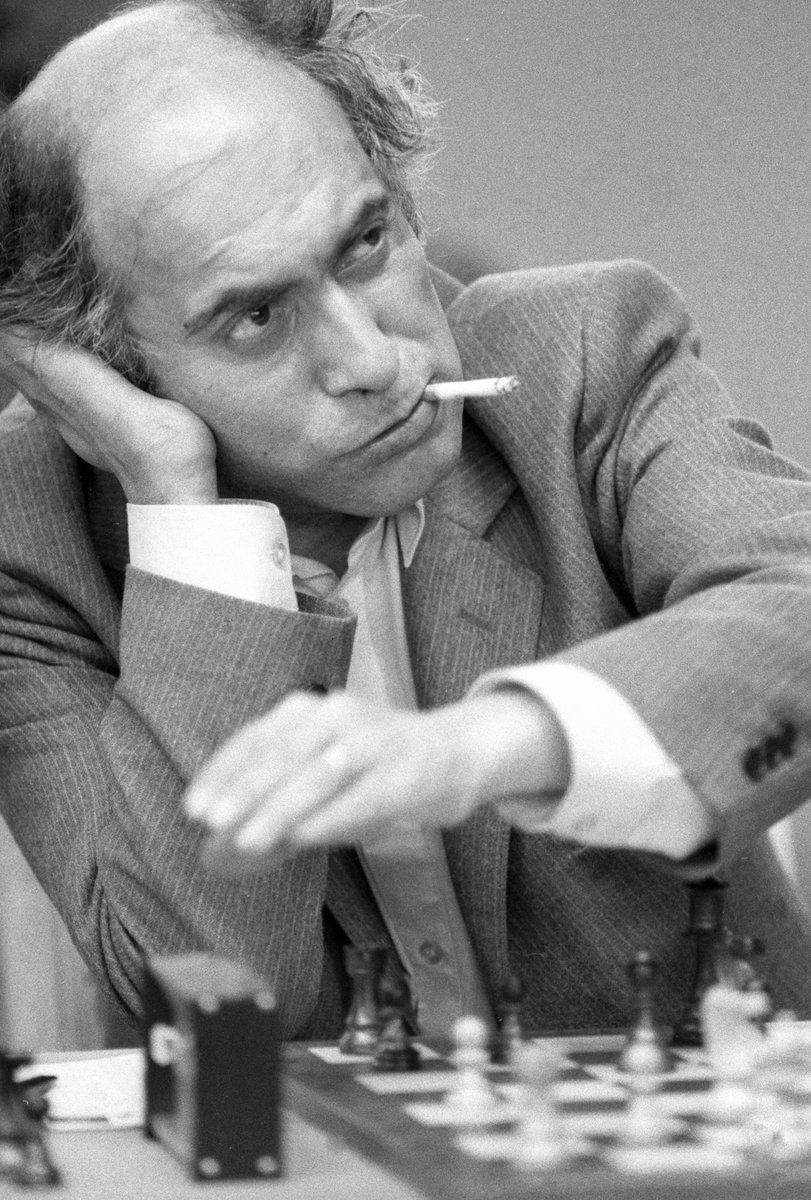
Remembering the great Mikhail Tal (1936-1992), who was born 90 years ago today.
Seen here in play at the Lucerne Olympiad, 8th November 1982.
(📷: D. Donskoi, Novosti Press.) #chess
For years I've been piecing together the life of Jacques Mieses, my great-grandmother's brother. Today the Telegraph wrote about one part of it: the refugee file on him now held by @wjrelief. Thanks to WJR archive volunteers for the collaboration.
The refugee charity files on Jacques Mieses list the help he received in London, down to a pair of orthopaedic shoes. In 1950 the same man became the oldest of FIDE's first 27 grandmasters, and the only one under the British flag. #chesshistory#chess
About New York, 1927...
From page 84 of From Morphy to Fischer by Al Horowitz (London, 1973), in a discussion of Capablanca’s performance at New York, 1927:
‘… the situation reached the height of absurdity in his game with Nimzowitsch, where he had to send a message to his opponent (?) through the tournament director to make better moves or he would be unable, with the best will in the world, to avoid winning!’
Horowitz had written similarly on page 206 of Chess Review, July 1949:
‘The prearranged draw is really the blight upon the game. Even some of the greatest masters are guilty of this sin. On good authority comes the story of the Capablanca-Nimzowitsch, New York 1927, fiasco and its hilarious overtones. Capablanca, having first prize clinched, the story goes, agreed to draw with Nimzowitsch. In so doing, Capablanca would avert the effort and Nimzowitsch would insure half a point against the invincible Capablanca. Hence, both were satisfied. The game, however, did not follow conventional lines and Nimzowitsch mangled the defense. Capa was embarrassed! He requested the referee to intervene and advise Nimzowitsch to improve his play. Otherwise, Capablanca would be compelled to win!’
In the following issue (August 1949, page 225) Norbert Lederer commented:
‘In fairness to Capa, it should be noted that he had already secured first prize since he had a three and a half point lead with only three games to play; these were against Alekhine, Nimzowitsch and Vidmar. Capa announced that, in order not to appear favoring one of the three, who were all in the running for second or third prize, he would play for a draw against each of them, and he so informed me as tournament director. Needless to say, I did not relish this attitude, but there was little I could do about it.
During his game with Capablanca, Nimzowitsch indulged in some fancy play and found himself with a practically lost position. Capa then not only asked me to warn his opponent, but actually had to dictate the next four or five moves which Nimzowitsch played with great reluctance as he suspected a double-cross. However, he did follow instructions and a draw was reached four moves later.’
Capablanca referred to the matter in his tournament report in the New York Times, 27 March 1927, pages 1 and 4:
‘Our game with Vidmar needs only a few remarks. The peculiar position in which we found ourselves with regard to the other three leading competitors made us decide to exert ourselves to play for draws unless our opponents threatened to win, since any defeat at our hands would put any one of them out of the running for a prize, without any benefit to ourselves. Our opponent being satisfied to draw, the game could only have one result.
… The same remarks about our game with Vidmar in the previous round apply to our game with Nimzowitsch, except that here we had a chance to win, of which we did not avail ourselves.’
Regarding the smoking threat yarn, see A Nimzowitsch Story.
C.N. 2514 quoted high praise of Frank Marshall’s endgame skill. A contrary view was voiced by E.G.R. Cordingley on page 109 of the Chess Students Quarterly, June 1947:
‘Marshall was never, contrary to the opinions expressed most often in his own country, among the world’s first three or four most accomplished living players, though he did gain one outstanding triumph and was both a very dangerous opponent to the best players and a potential winner in any tournament where there was a fair divergence in the abilities of the contending players. Again, he was definitely not a “master of the endgame”, as has been claimed; indeed, his technical skill was appreciably below that of the best during his years of practice, also well below his own marked talent for combinational play.’
On the other hand, Capablanca commented on page 8 of the New York Times, 13 February 1927:
‘In the endings, contrary to many people’s idea, Marshall is an A1 performer. To be truthful, he is no Dr Lasker or Rubinstein, when the latter is at his best, but only one or two of his competitors in the coming tournament [New York, 1927] will have the slightest advantage over him in this department of the game.’
One of the conditions of play at New York, 1927 was the following:
‘The players undertake not to write any annotation or publish any of the games played in book form for a period of one year after publication of the Official Tournament Book.’
Here the trouble was that the ‘Official Tournament Book’, which was supposed to be by Capablanca, was never published. (American Chess Bulletin, February 1927, pages 21 and 23.)
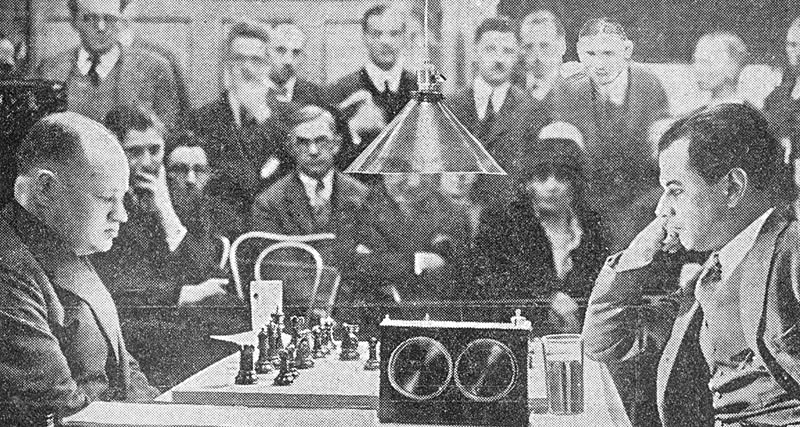
Photo. R. Spielmann v J.R. Capablanca, New York, 1927.
#Chess
The 2nd round at Venice, 29th September 1950.
In the 1st photo, Smyslov faces Kotov while Golombek faces Steiner.
In the 2nd photo, Kotov & Smyslov, & the latter's second, Makogonov, are among those in the gondola.
(📷: https://t.co/06rYXS5bzo.) #chess