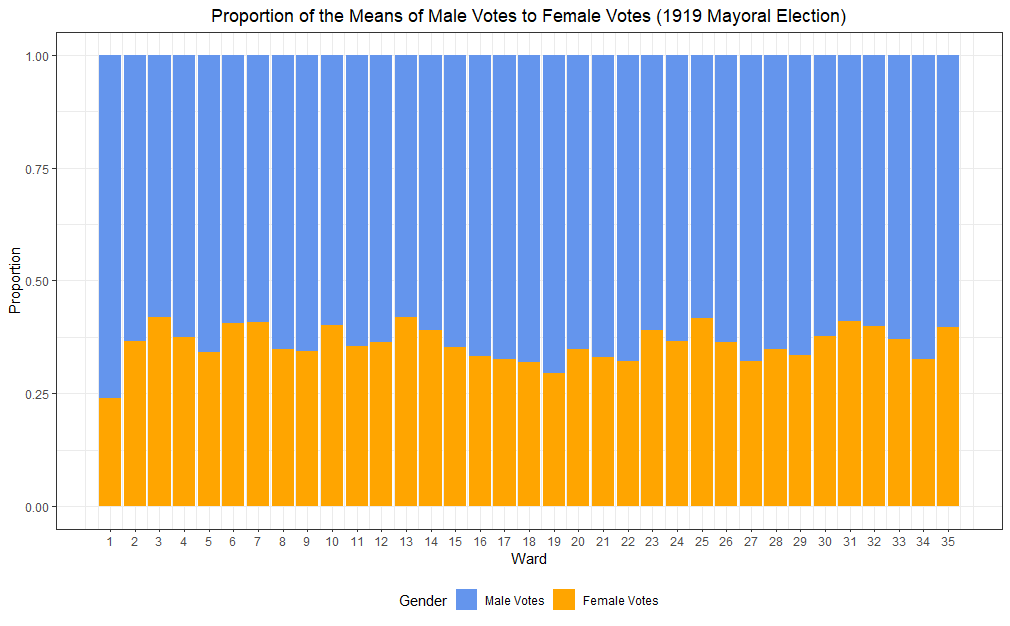
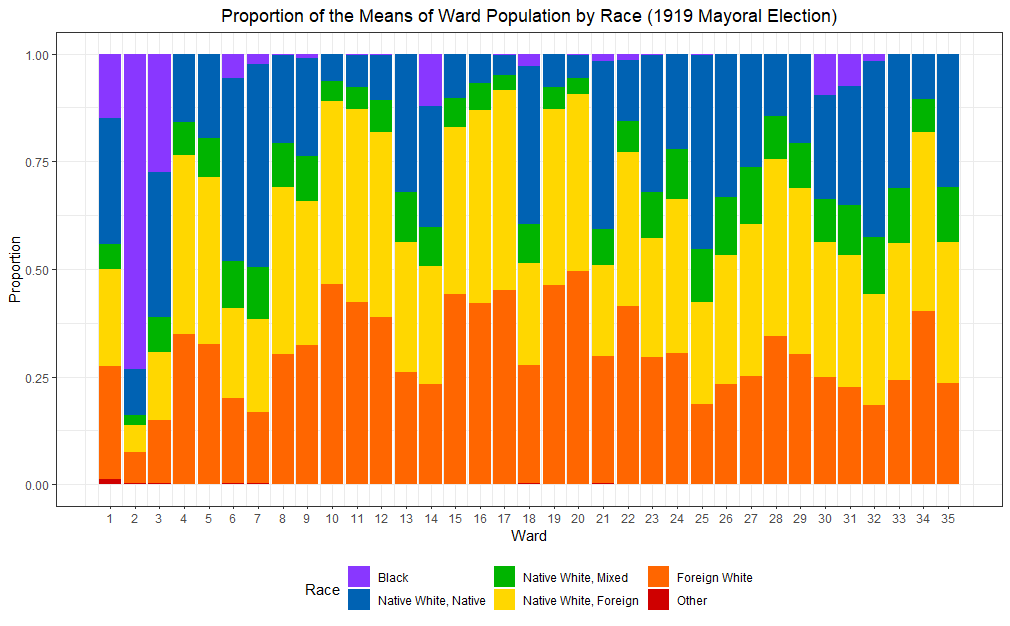
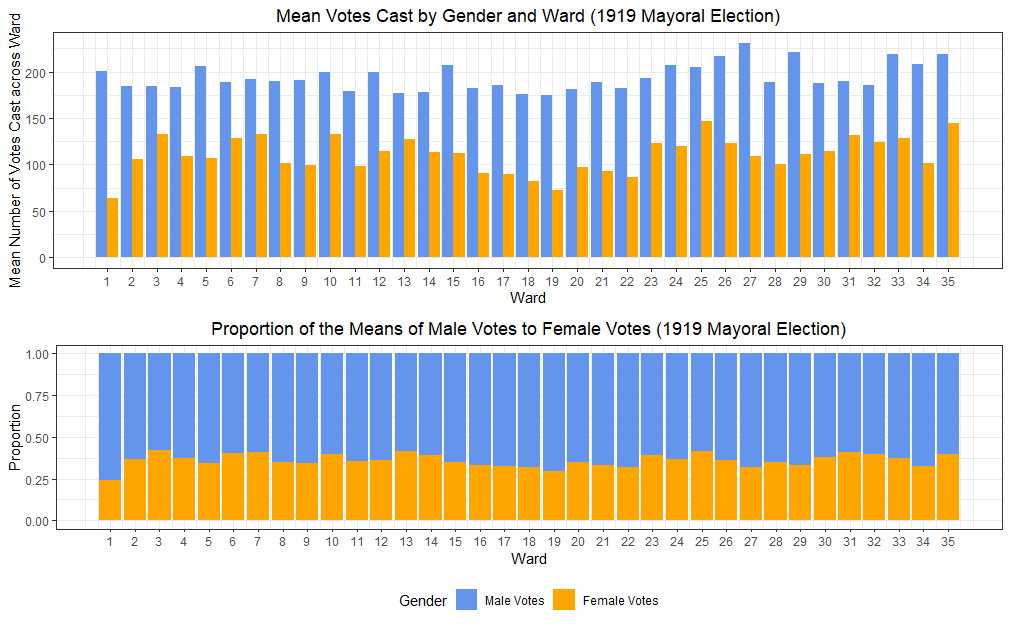
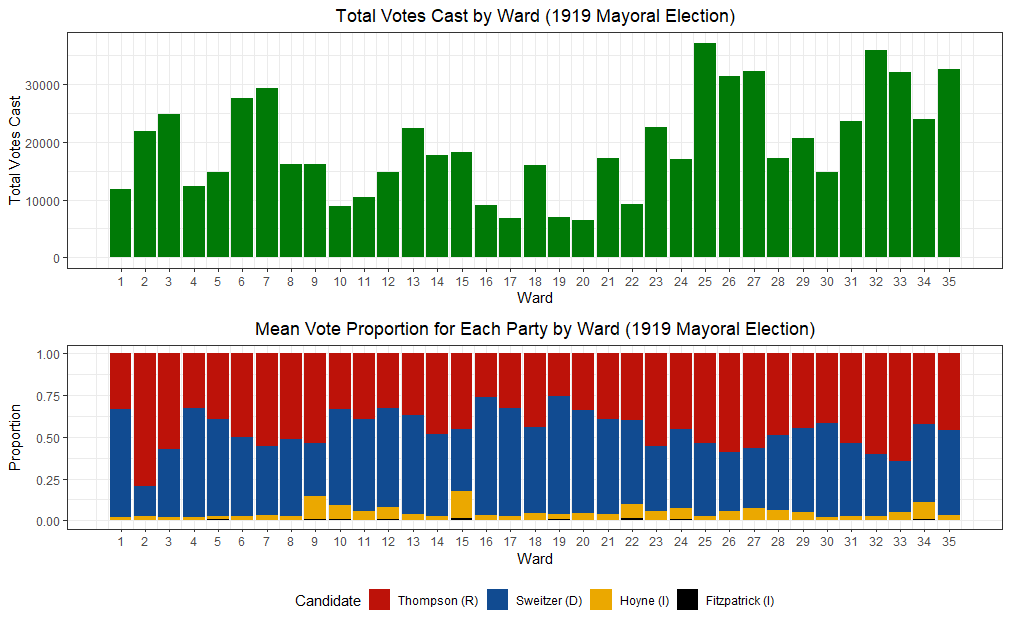
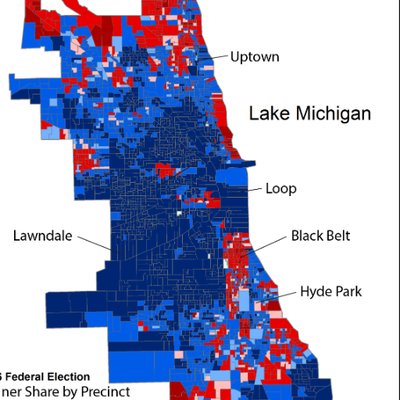
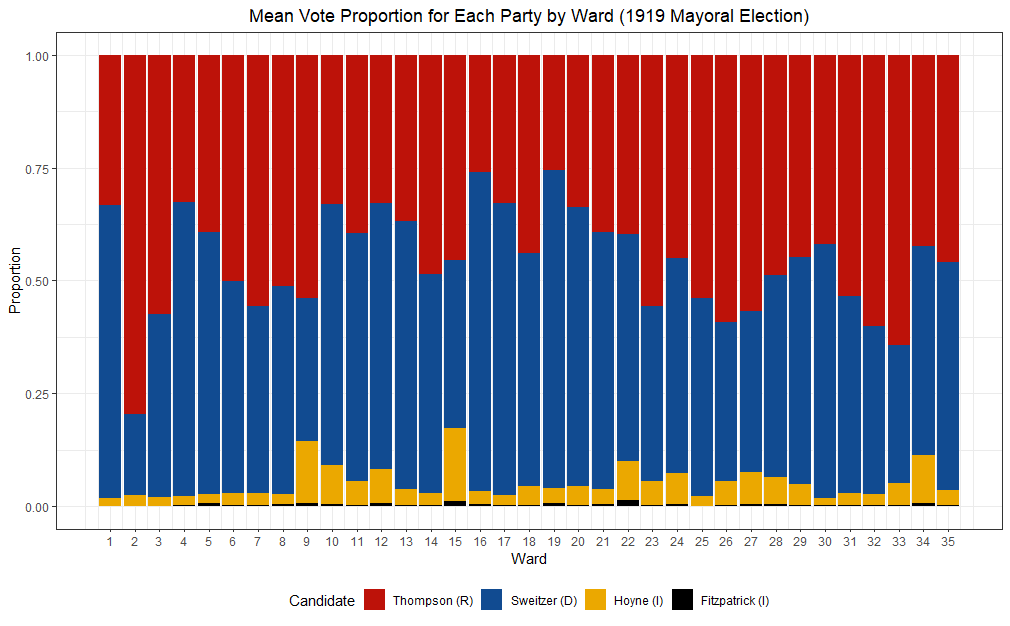
Overall, Thompson was weak in this election, a rematch of 1915 with Maclay Hoyne thrown in as an independent. Thompson eked out a narrow win in part based on his strength with African American voters. Visualizations by @CalebNotheis.
The #cityelectionsproject team at @virginia_tech has put together this visualization of voting in the 1919 mayoral election. Vote by ward, proportion vote for each major candidate, women vs. men by ward. 1/3
Here is racial demographics by ward, a pairing of total votes and candidate percentages by ward, gender breakdown by ward, and demographic breakdown by ward. 2/3
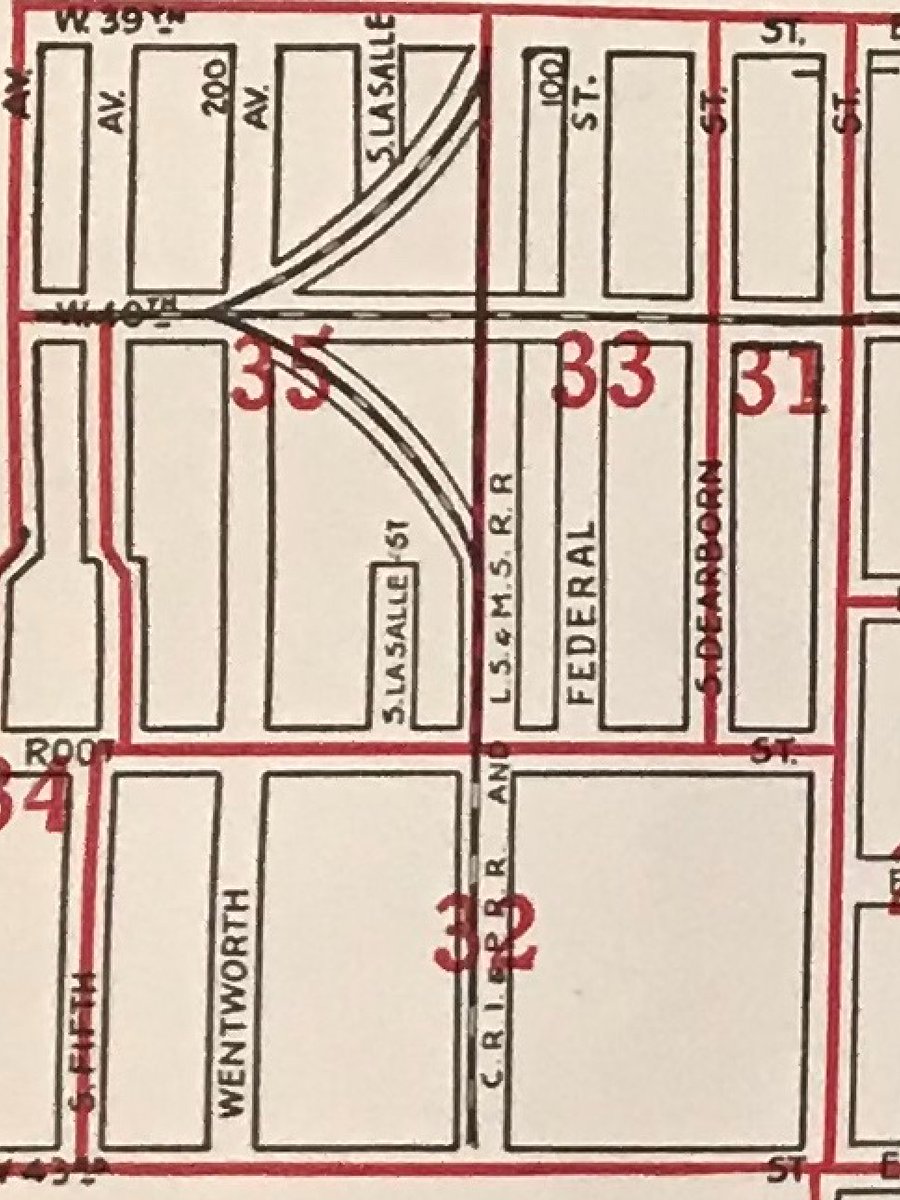
Following up on this work from yesterday, I was researching two voting precincts on the South Side, comparing their mayoral election results in 1919 and their demographics from the 1920 census. The two precincts in question are in the 3rd ward, precincts 33 and 32.
Choose your quarantine house!
Each house is a different residential property in the Chicago area, and has one architect, one Chicago mayor, one Chicago musician, one Chicago writer and a wild card famous person…from Chicago—of course!
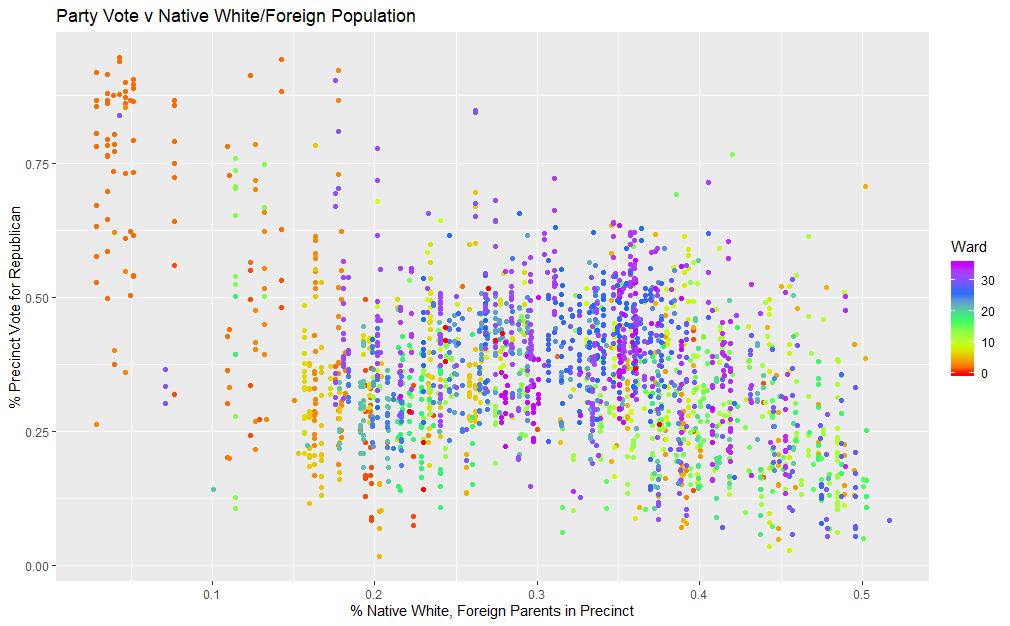
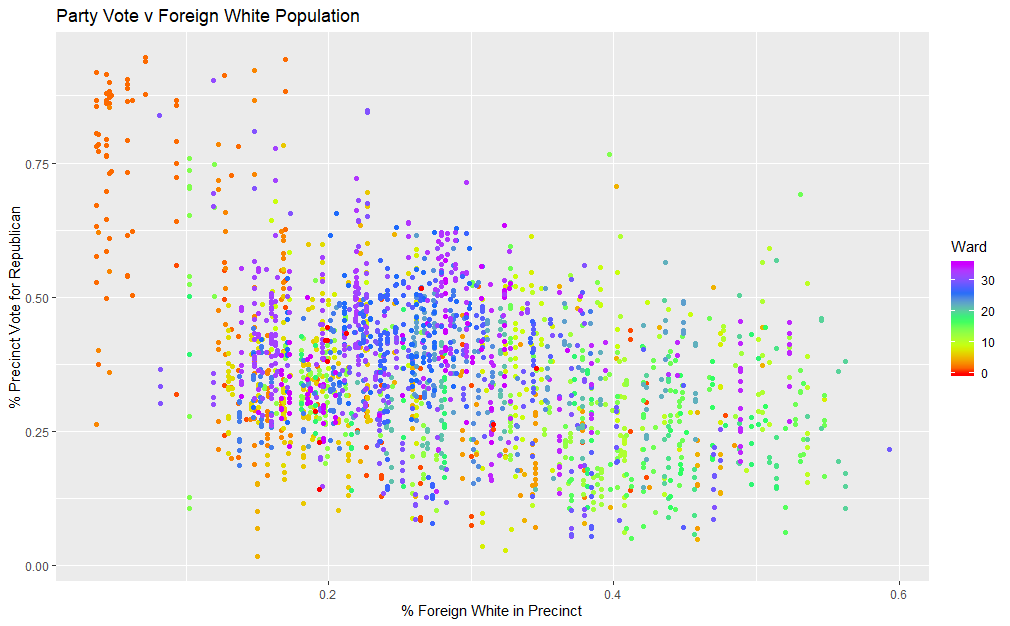
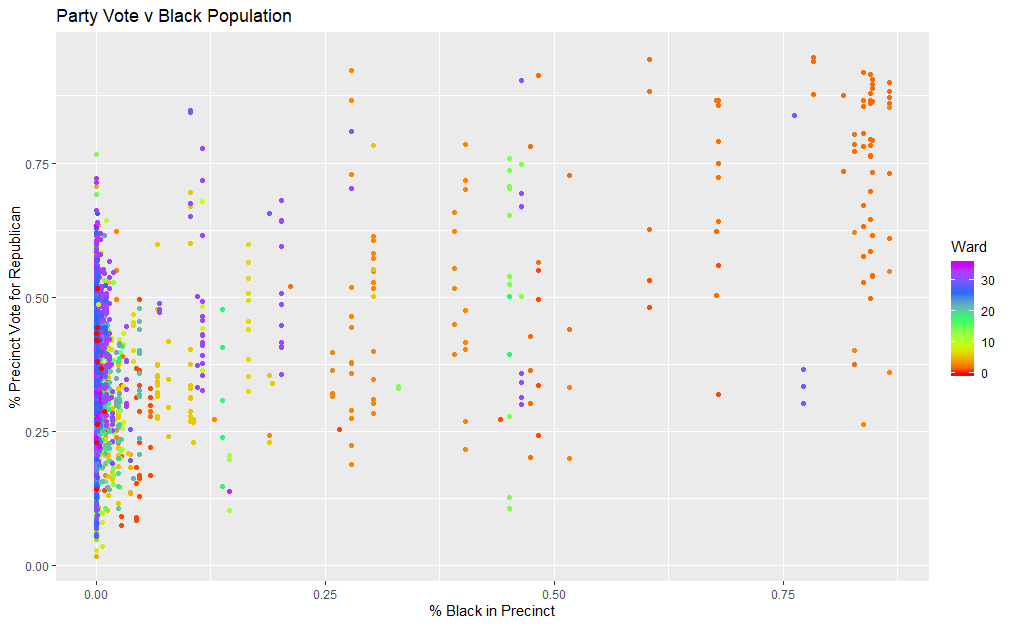
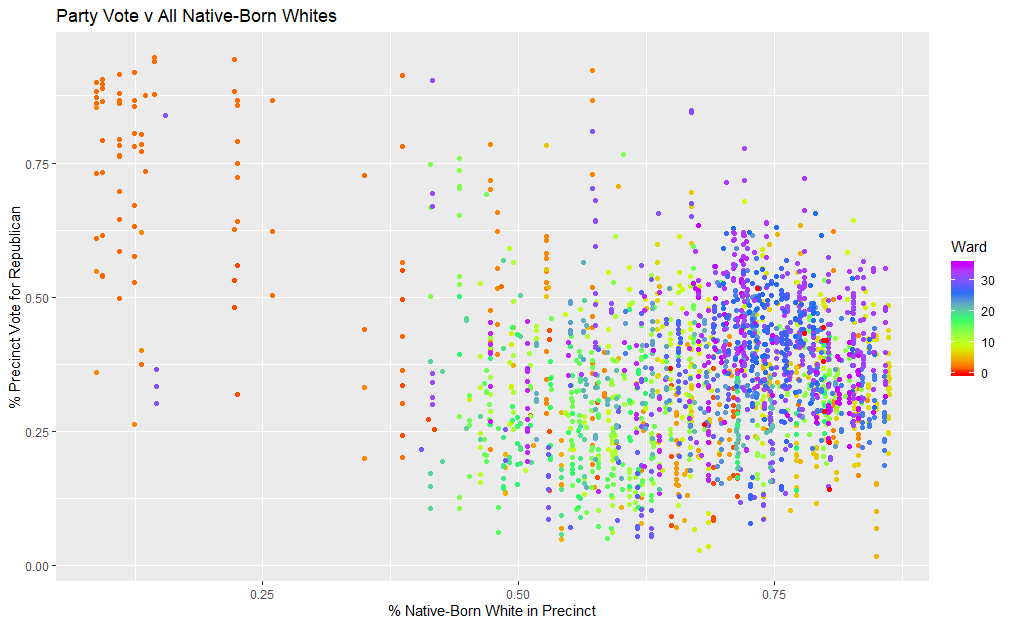
This is from 1920 census data and 1919 election returns. The precincts (dots) are in columns because we attributed the character of the whole census tract to them (even though precincts are smaller), so there are about 20+ precincts with all the same attributed census data.
We have some demographic data on the 1919 mayoral election, thanks to work by @CalebNotheis. Race and party voting, by precinct. The upshot is the very strong black vote for Republican Thompson. Native-born whites did not mix with blacks, but foreign-born whites do a bit more.
Next up for #Chicagoelections is release of maps for the 1919 mayoral contest. In the spring of 1919, Republican William Hale Thompson was the incumbent mayor. He faced Democrat Robert Sweitzer in a rematch of 1915, with a handful of other candidates in the mix.
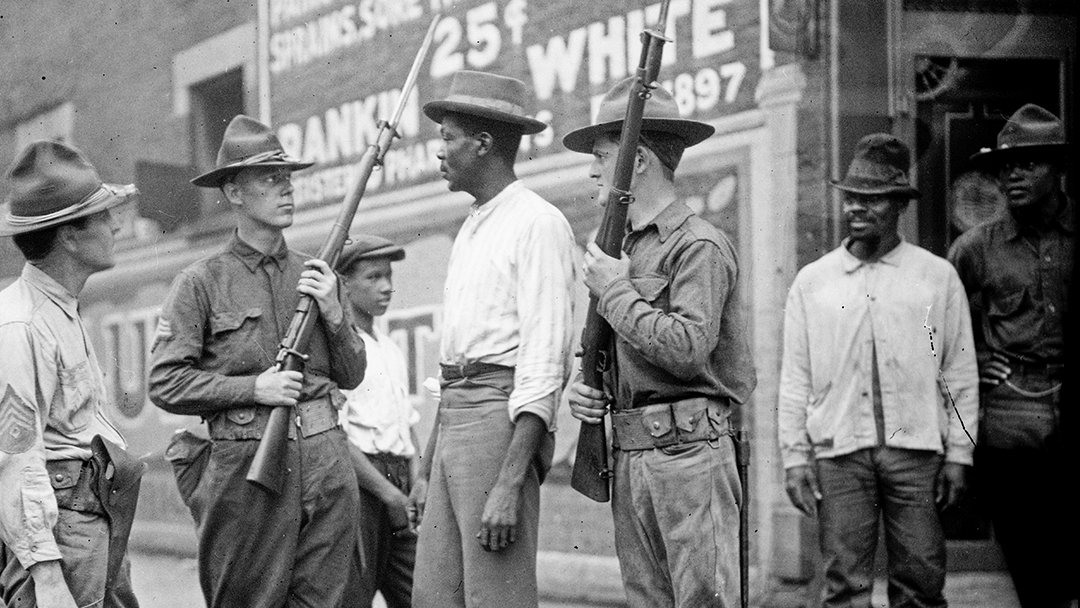
We're honored to receive the 2020 Outstanding Public History Project Award from @ncph for "Chicago 1919: Confronting the Race Riots." @NEHgov#Chi1919 https://t.co/gHKQHOp3A0
My department's U.S. urban history courses have been on the books since 1985. Now I get to revise them (with @MelanieKiechle + @dennisphalpin). Folks in @UrbanHistoryA, what activities and structures have you found most interesting and successful with your urban history courses?
Next up for #Chicagoelections is release of maps for the 1919 mayoral contest. In the spring of 1919, Republican William Hale Thompson was the incumbent mayor. He faced Democrat Robert Sweitzer in a rematch of 1915, with a handful of other candidates in the mix.
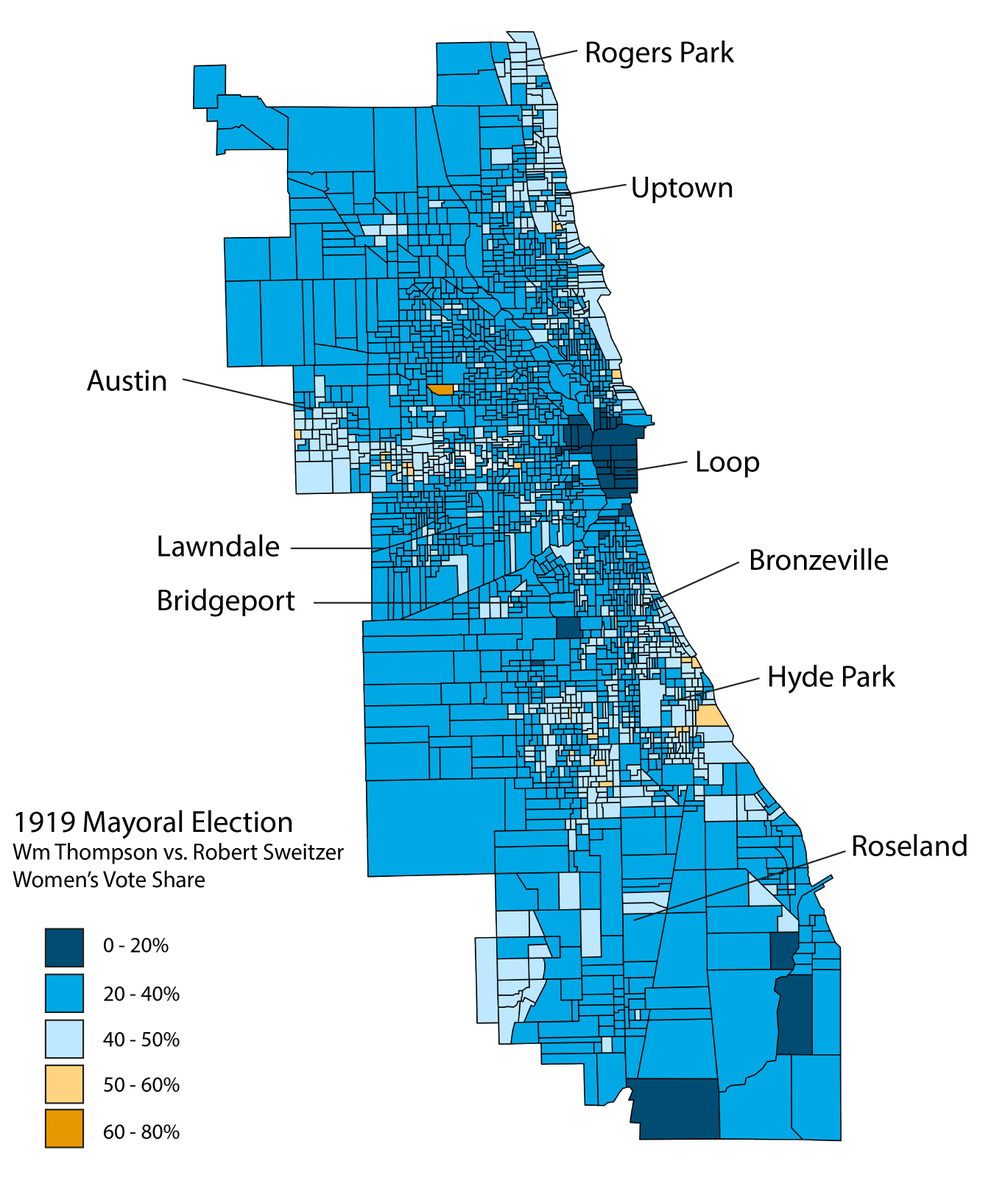
Only in a handful of precincts did women make up a majority of voters, but approached parity with men in many more neighborhoods along the north and south lakeshores, on the far west side, and in SW neighborhoods. https://t.co/0P4uSd0Xpq
Suffragettes had won the vote in Chicago beginning in 1915, and women had gone for Thompson, giving him 63% of their vote. In 1919, women made up 37% of the vote citywide, but only 38% of women voted for Thompson. This was still a plurality of 7k votes over Sweitzer.
@BrianStryker For several elections (mid 10s to mid-30s), there the Chicago Board of Elections counted how many women vs. men voted overall. For just a handful of elections, they counted men and women separately for each candidate.