True Earth, atmospheric energy, mysterious places you’ve never heard of (Ashgabat & Mount Roraima)
Great video; I’ve shared it from DaphneReloaded.
It’s a welcome change—rather than just looking at old images to get an idea of what a city powered by free energy might look like DaphneReloaded:
(The video is from 2021.)
...a place where citizens paid only 10% income tax and received free electricity and gas—a policy that only changed slightly in 2019.
The then-president, Gurbanguly Berdimuhamedow, officially abolished the long-standing system of completely free basic utilities as of January 1, 2019. Since then, citizens have been required to install meters and pay for their consumption—though, by international standards, the prices remain heavily subsidized and extremely low (“preferential rates”).
(Keeping it all free would likely have drawn too much attention, don’t you think?) The fact that they pay only 2 cents per liter of gasoline is already significant enough.
Under the first dictator, Saparmurat Niyazov, gasoline in the country was so heavily subsidized that a liter cost the equivalent of only about 2 US cents. At times, fuel in Turkmenistan was cheaper than a bottle of mineral water.😂
Free fuel as a state gift: The successor president even went a step further for a time, granting every car owner a free allowance of up to 120 liters of gasoline per month. Anyone who consumed more had to pay the regular (though still extremely low) price.
What is the situation today?
These extreme handouts were also eliminated in the wake of the economic crisis. Today, a liter of gasoline (Super A-95) in Turkmenistan costs about 1.50 manat, which is equivalent to approximately 0.43 US dollars (about 40 euro cents).
The days of 2-cent prices are over, but the country still consistently ranks among the top 10 nations worldwide with the cheapest gasoline.
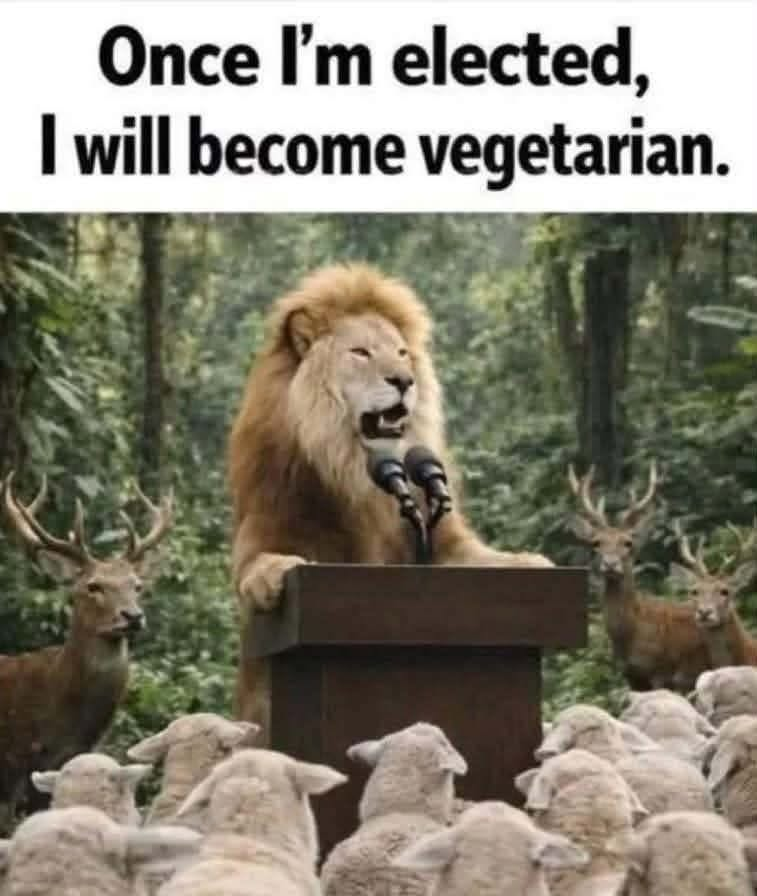
In Turkmenistan, there are no free elections, no opposition, and no freedom of the press. For decades, free or inexpensive resources served as a form of social peace, subsidized by the state. The logic behind this: as long as the state provides basic necessities—such as energy, bread, and water—almost for free, and levies hardly any taxes, the population refrains from protesting against the autocratic regime.