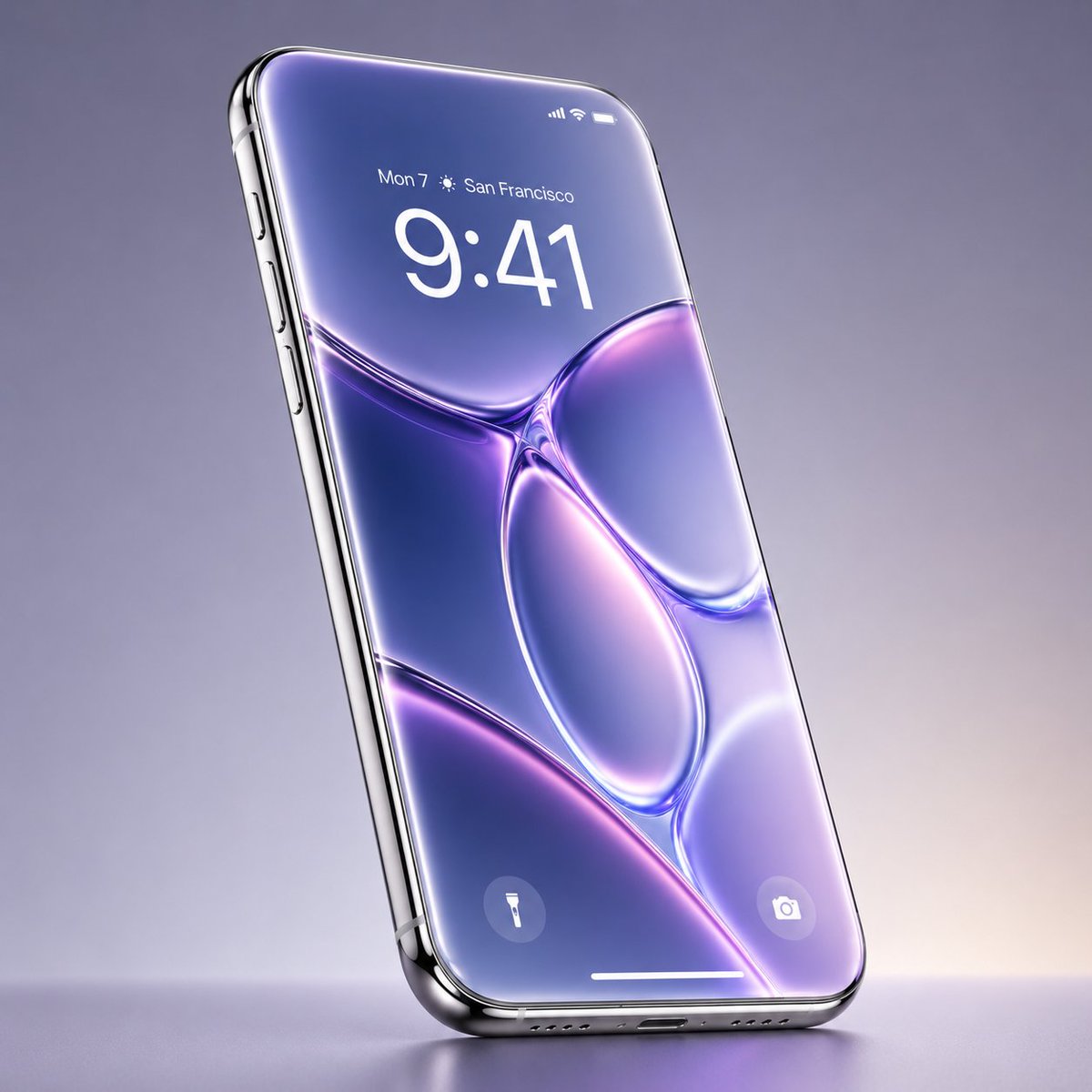
An Avid Samsung user testing X9 Ultra and it definitely takes some getting used to.
Pros:
🔹 Ultra smooth performance
🔹 Display is blindingly bright (looks better than S26U)
🔹 Fingerprint sensor is 10x quicker/more accurate than Sammy (Almost feels fake)
🔹 Battery refuses to die even on continuous 5G + restore
🔹 Built-in App Lock is actually nice
🔹 Auto dark icons look nice (even if it’s a total iOS copy)
🔹 Native stock apps are well thought out & cohesive with the OS
🔹 Action button is love
Cons:
🔸 Rigid launcher: Can't place icons freely, forced into a sequence
🔸 Font options are super limited (just like Sammy)
🔸 Settings & menus are named weirdly (Search is just as good as iOS 😂)
🔸 Haptics feel like a weaker Apple clone
🔸 Camera button is as useless as it is on my 17PM (Personal issue)
🔸 Got pretty warm updating apps (hopefully a one-off)
🔸 Missing Quick Share/Local share alternative (Need to test further)
Early days, still looking for more flaws. 📱
The first trailer for ‘HOT SPOT’ has been released.
The film follows a private detective who investigates a murder case in a near future society ruled by sentient A.I.
In theaters on August 21.
Apple’s 1.4nm iPhone chip is reportedly coming in 2028 🚨
High-end 2028 iPhone models are expected to debut with 1.4nm A22 Pro chips, offering up to 15% better performance or 30% lower power consumption compared to 2nm chips.
TSMC is expected to remain Apple’s primary supplier, while Intel is also being considered to manufacture some of the chips as Apple diversifies its supply chain.
Via: Mark Gurman / Bloomberg
(Image for reference only)
I've been thinking about something lately, and I'm curious whether it makes sense to others as well.
For many consumers, the novelty of a foldable phone fades much faster than it does with a traditional slab phone. Once a particular form factor becomes familiar, the excitement quickly wears off. People start looking for the next shape, the next size, the next way of folding and unfolding a device.
That's why I believe the foldable market isn't really driven by specs alone. It's driven by the ability to constantly create something new.
If a company can do two things well, it has a real chance of producing hit products again and again.
First, keep introducing new form factors. Each generation needs to feel meaningfully different, not just faster processors, bigger batteries, or better cameras.
Second, build a compelling narrative around each new design. Explain why it exists, what problem it solves, what trend it represents, and why it's fundamentally different from the previous generation.
When those two elements come together, a company can keep generating attention and excitement.
People aren't just buying hardware. They're buying into a vision of what the future might look like. Every new form factor creates fresh conversations, new ideas, different identities, and new ways of using technology.
From a business perspective, new form factors create novelty, while storytelling amplifies it. Together, they can turn a technical innovation into a market phenomenon.
For the foldable industry, the formula may be surprisingly simple:
New Form Factor × Novelty × Strong Storytelling = The Potential for Continuous Blockbusters.
As long as consumers believe the next generation will offer a genuinely different experience, the category stays alive. The real danger begins when people start saying, "It feels the same as last year's model."
Apple's 20th Anniversary iPhone is rumored to bring one of the biggest redesigns in iPhone history.
Expected features iPhone 20:
• Four-sided curved, near bezel-less display
• 6.3-inch and 6.9-inch models
• New 2nm A21 Pro chip
• Launching alongside Apple's Fold 2
2027 could mark the beginning of a new iPhone era.