The excitement around the holidays and sensory overload can be overwhelming for some autistic youth.
Grateful for the opportunity to speak with Jan Stewart and share holiday tips for parents and caregivers. https://t.co/CA0ozNARBv
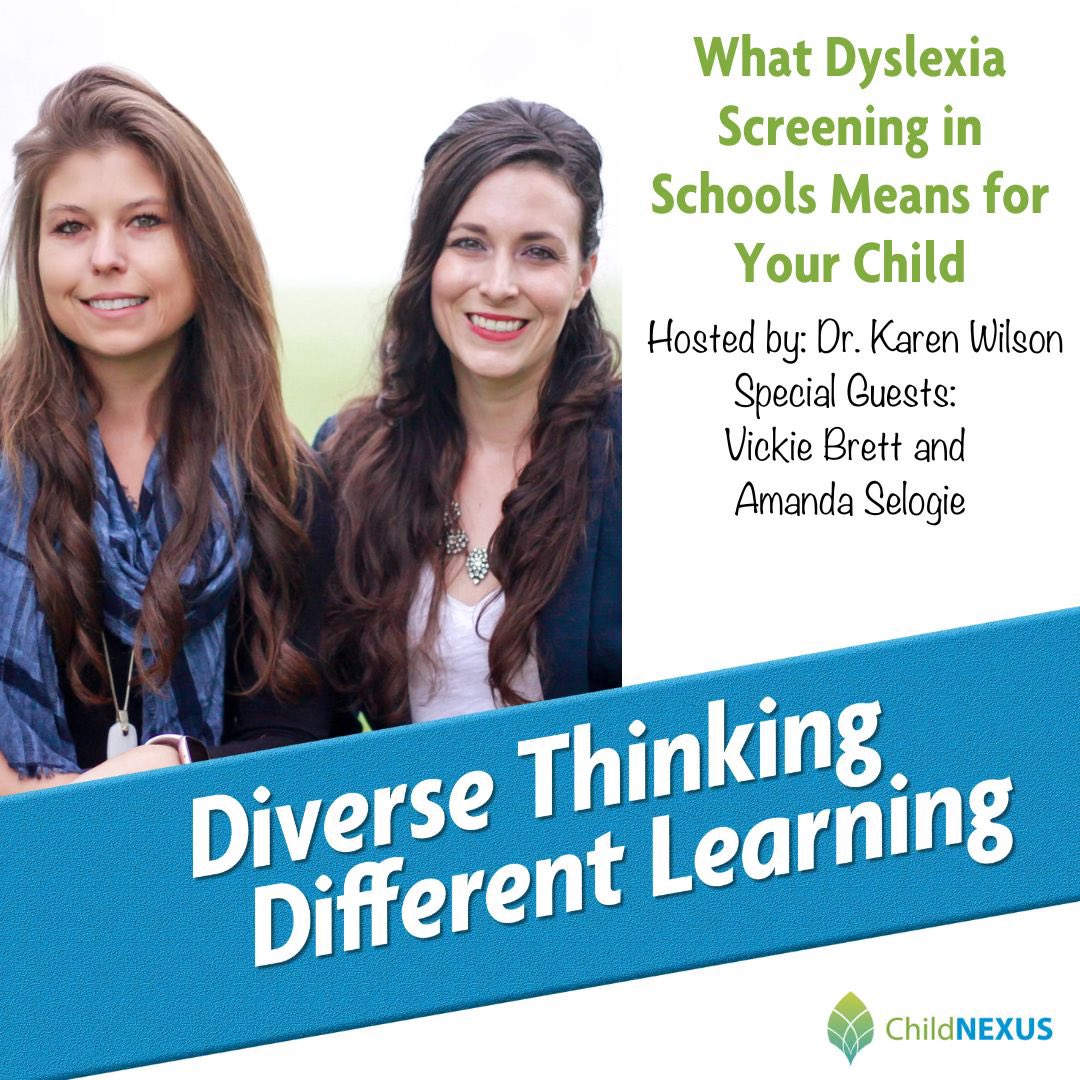
Vickie Brett and Amanda Selogie join us this week to discuss dyslexia screenings in schools and what it means for school-aged children.
Listen to the full conversation at https://t.co/F9Ga7FwdEA
Should students with learning differences, test anxiety, or struggles with test-taking take the ACT or SAT?
Annika Guy, from Hayutin Education discusses test-optional and test-blind colleges and universities.
https://t.co/MMFo5ZGXEK
Grateful that @ChildNexus was selected to participate in the TechQuity Accelerator.
I completed my postdoc at the David Geffen School of Medicine at UCLA. So, being back in the @UCLAHealth Health ecosystem has special meaning.
https://t.co/jV6nyqNFJF
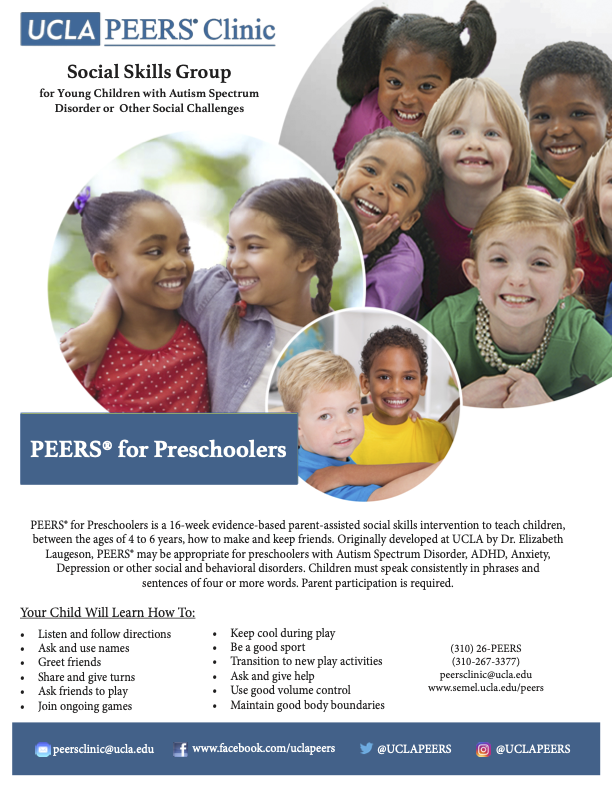
The UCLA PEERS® Clinic is excited to offer in-person PEERS® for Preschooler groups beginning later this month, as well as telehealth PEERS® for Preschooler groups beginning Spring of 2024!
Contact our clinic at [email protected] or 310-267-3377.
Check out ChildNEXUS Founder, @DrKarenIWilson, on the @UnderstoodOrg#ADHD Aha podcast. She discusses how students who think and learn differently experience and can overcome executive function challenges - https://t.co/8oCjR32ZHF
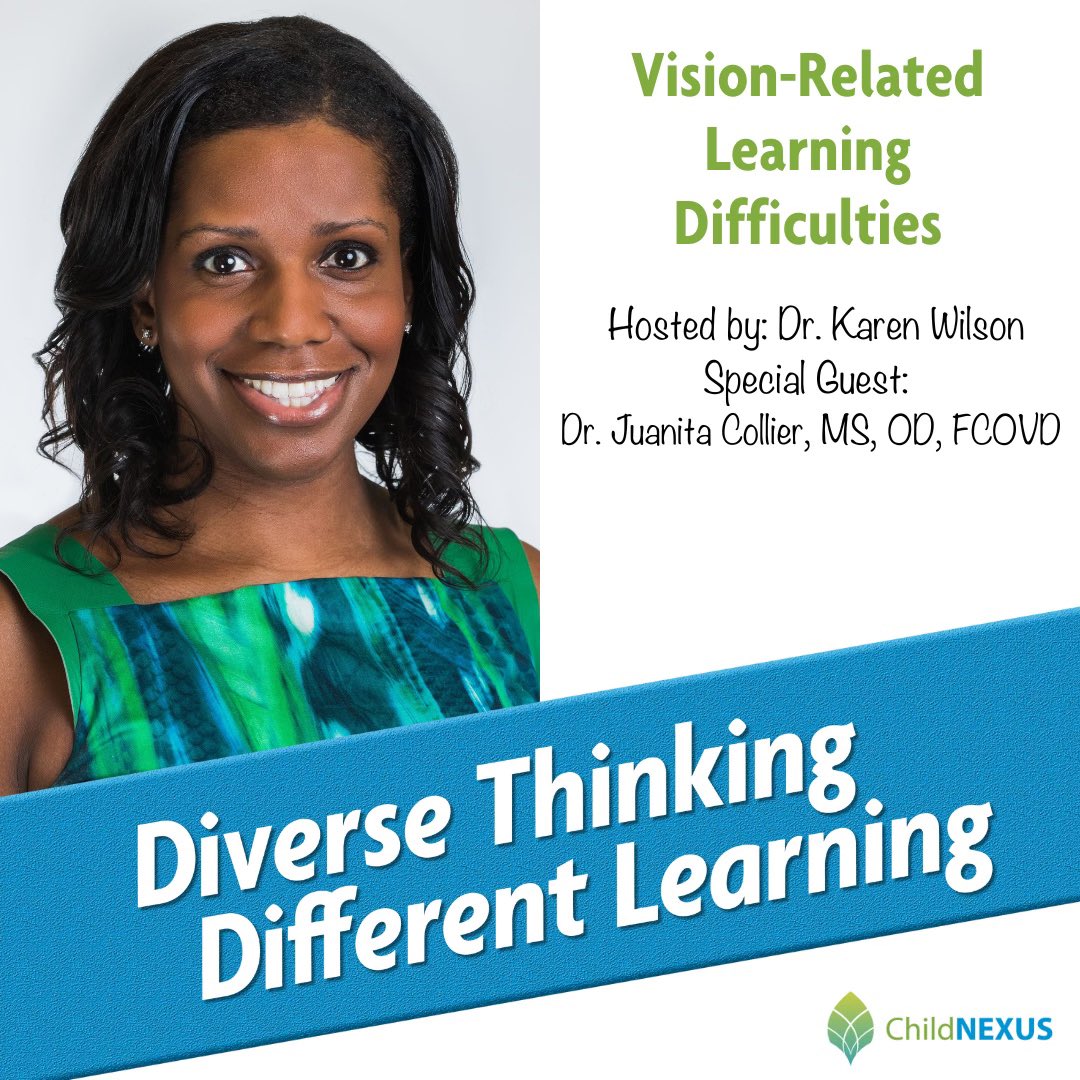
Most people only associate vision with eyesight, but today’s guest, Dr. Juanita Collier, explains that there is so much more to the visual system, and even a child with great eyesight could be struggling with vision-related learning difficulties. https://t.co/8xUtSCy0Cl
Don’t forget to add sleep to your #BackToSchool checklist. When children and adolescents don’t get enough sleep it impacts their ability to focus, remember information, and regulate emotions–things that are critical to their wellbeing on any given day. https://t.co/YshcvIWkXw
Thrilled to be joining Cory Greenberg on the Forget What You Learned podcast. We are discussing the epidemic of childhood anxiety and providing parents with tools to support their children and teens.
https://t.co/qzcwU7ZVMu
In a 25-page report, U.S. Surgeon General Dr. Vivek Murthy stated that social media poses “profound risk of harm” for teenagers. But, what about students who think and learn differently? Are they at increased risk for harm and how do we support them? https://t.co/7Eo4UXnbyN
The end of a school year is a great time to reimagine learning environments for the next academic year. While that may seem like a topic only applicable to teachers and their classrooms, these redesign ideas are amazing additions to a child’s home as well.
https://t.co/FteuotxNEO
Should you share your child’s diagnosis with them? How do you talk to them about their learning difference?
My guest, Dr. Liz Angoff, explains why a child’s learning difference or disability shouldn’t be kept a secret from them. https://t.co/FeQdDpHHG2
This week, we are talking about tics with Dr. Kim Edwards.
Tics are more common than you think, and on this episode of our podcast, Dr. Edwards explains just how common they are in children, and she discusses ways we can help kids manage them.
https://t.co/3kkgZkZlw5
Delighted to have teamed up with @UnderstoodOrg for this podcast episode.
In this episode, we discuss how families can help their kids who think and learn differently transition to adulthood by addressing issues with executive functioning - https://t.co/pIeQW6tJEU