@MeenakshiB55523 Thank you for your message. If you have a reason to suspect a child in Queensland is experiencing harm, or is at risk of experiencing harm or being neglected, there are a range of ways to report the suspected abuse. Visit the website to find out more at https://t.co/Ynky0PyE43
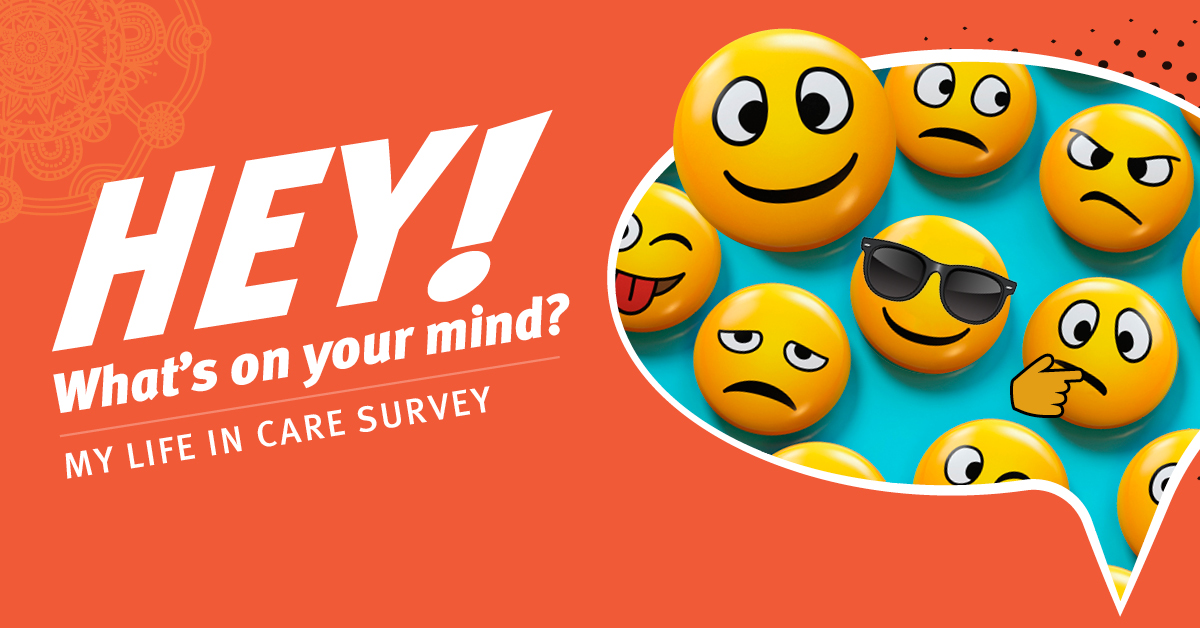
We want to hear from Qld children and young people about their life in care by doing our My life in care survey. They’ll get a gift card as a thank you for completing the survey. Go to https://t.co/aW95YoEyUq
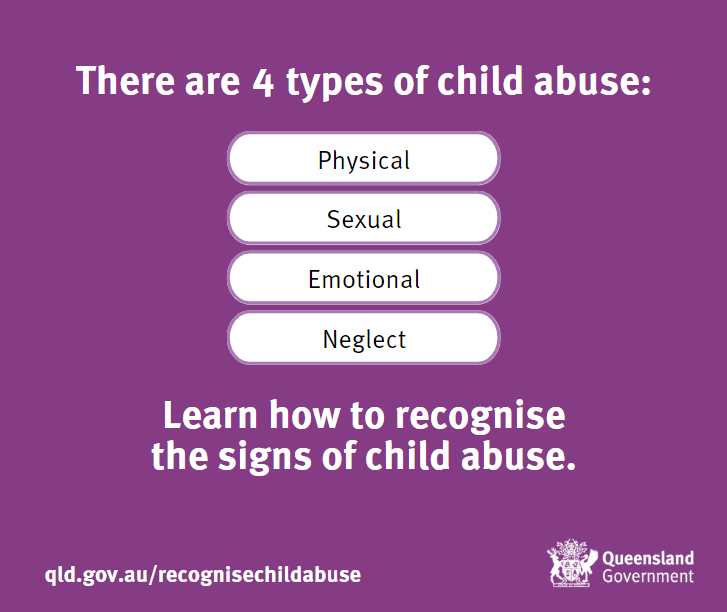
Could you recognise child abuse? Learning to recognise the signs is one way you can help protect our most vulnerable Queenslanders during Queensland Child Protection Week and beyond https://t.co/CrvK2umQb8
Protecting children is everybody’s business. 3-9 September is Qld Child Protection Week – visit https://t.co/ytd578P8So to learn more and find an event near you. #QCPW
The National Association for Prevention of Child Abuse and Neglect (NAPCAN) is running FREE workshops across Queensland for people who work with children and young people to further strengthen our child protection sector. Find out more and book your place: https://t.co/ELOu5HDOvq
Happy Multicultural Queensland Month! Let's celebrate our diversity and cherish the connections that make us stronger together: https://t.co/1aztXyxBbJ
🎉🌍❤️
#MQM23#MulticulturalQueensland#diversity#inclusion
Family Wellbeing Services have helped more than 28,000 Aboriginal and Torres Strait Islander families improve their social, emotional, physical and spiritual wellbeing, and help them to safely care for and protect their children.
📞 1300 117 095
🌐 https://t.co/LhKWkUoqSV
Young children will often need help calming down from strong emotions. This article by @RCN_AUS has some great tips that can help you and your family with this at home: https://t.co/qGBNuNssqb
As a practitioner, you may see children who have either been experiencing or engaging in bullying behaviour, and wonder about the best ways to support their mental health. This article explains childhood bullying and its effects on mental health. https://t.co/3gZXxdJMNG
Children need to learn friendship skills. As children play with others, they build skills to help them with friendships. Sometimes you might need to help preschoolers sort out friendship difficulties. Raising Children has some great tips: https://t.co/JgVyEqXjM0
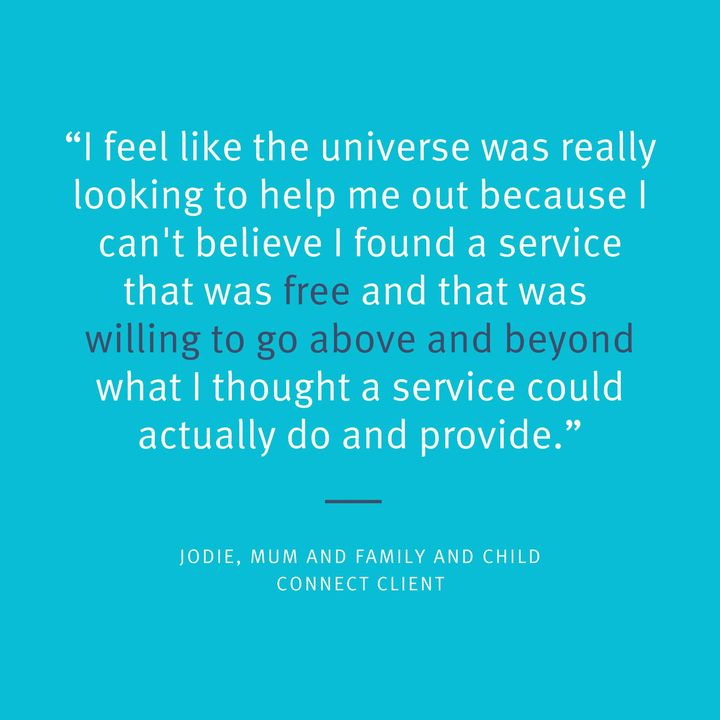
If your family is going through tough times, contact Family and Child Connect for free, unlimited and confidential advice like Jodie did.
📞 13 FAMILY (13 32 64)
🌐 https://t.co/jB7T9iw6Aa
At 4-5 years, children express many emotions, make new friends and play make-believe games. Preschoolers also enjoy numbers, tall stories and physical activity. Learn more about what to expect from your preschooler https://t.co/zmDtqlI5yh
LGBTIQ+ Queenslanders are invited to have their say about leading a safe, supported and equal life. Survey answers will help shape strengthened outcomes for LGBTIQ+ communities. Have your say at https://t.co/956J5pfpzl
Growing Up in Australia: The Longitudinal Study of Australian Children (LSAC) is a study following the development of 10,000 young people & their families. This webinar shares insights for child and family services and practitioners https://t.co/9jNBaweMBJ
Children with attention deficit hyperactivity disorder (ADHD) have brains that work differently from the brains of children without ADHD. These differences mean that children with ADHD have particular difficulties and strengths. Learn more: https://t.co/sFOqdRctJU
“Without us, where would the kids go?”
As well as raising 5 kids of their own and juggling shift work, Debbie and Steve have fostered for 21 years and say it’s about opening up your heart and your lives to children and doing the best you can do. https://t.co/yCx11mGU5Q
Did you know we have a directory of key organisations and resources for practitioners and service providers working with families and children from culturally and linguistically diverse (CALD) backgrounds? Check it out here.
#CALD#ChildandFamilyServices
https://t.co/h4ln0PpgcB
Reading is a critical skill for school and life beyond it. When it comes to reading, girls typically do better than boys. Here are ten ways to help the boys in your care read for enjoyment, not just for school. https://t.co/SiBNACvxNs