📚 Da Gong Ren Da Gong Hun (打工人打工魂)
"Worker worker spirit" — Pride in being working class.
━━━
💬 Examples:
• "I'm a Da Gong Ren! Da Gong Hun is my soul!" — The ultimate declaration of worker pride.
• "Morning commute? Da Gong Ren spirit activated!"
• "Another day at the office? Embrace the Da Gong Hun energy!"
━━━
🌍 Cultural Context:
2020 viral meme celebrating the working class identity. A self-deprecating yet empowering phrase that transformed from "打工人" (worker) into a badge of honor. Young professionals reclaimed their identity with pride instead of shame.
━━━
🔥 PEAK MEME — Trending across Chinese social media
━━━
💬 What's YOUR "worker spirit"? Share your Da Gong Ren moment!
#Chinglish #DaGongRen #WorkerSpirit #ChineseMeme #WorkLife
📚 Da Gong Ren Da Gong Hun (打工人打工魂)
/dɑː gɒŋ rɛn dɑː gɒŋ hwʌn/
Worker worker spirit. Pride in being working class.
━━━
💬 Examples:
• "We may be tired, but da gong ren da gong hun—we survive together!"
• "Clocking in at 9, clocking out at... whenever. Da gong ren da gong hun!"
• "When your salary hits, remember: da gong ren da gong hun!"
━━━
🌍 Cultural Context:
"Da Gong Ren Da Gong Hun" became the rallying cry of China's working class in 2020. This self-deprecating yet empowering slogan transforms "da gong ren" (打工人, wage earner) from a label of victimhood into a badge of honor. The phrase acknowledges harsh realities—long hours, low pay, corporate exploitation—while asserting dignity and solidarity. Unlike traditional complaints, it carries pride: "We're workers, and we have spirit." The meme spread through viral videos, merchandise, and workplace conversations, creating unexpected community among millions facing similar struggles. It represents a generational shift—young workers openly discuss exploitation while finding humor and camaraderie in shared experiences. The spirit isn't about accepting injustice, but about surviving collectively.
━━━
🔥 HOT
━━━
Are you da gong ren? Share your working spirit!
#Chinglish #DaGongRen #WorkingClassPride
📚 Hua Bing (画饼)
/hwɑː bɪŋ/
Draw cake. Empty promises, unrealistic plans.
━━━
💬 Examples:
• "My boss keeps hua bing about promotion—never happens."
• "That dating app bio was pure hua bing—total fake profile."
• "Politicians love to hua bing during campaigns, then forget everything."
━━━
🌍 Cultural Context:
"Hua Bing" (literally "drawing a cake") is the quintessential workplace critique in modern China. The imagery is perfect: drawing a cake you can never eat—it looks delicious but provides zero nourishment. Employers use grand visions, stock options, and "growth opportunities" to motivate employees without actually delivering rewards. The term exploded during China's tech boom when startups promised equity and quick promotions that rarely materialized. Unlike Western "empty promises," hua bing specifically targets corporate manipulation—it's about leaders painting rosy futures while workers grind endlessly. Young workers now recognize hua bing as a red flag, and calling out a boss's hua bing has become an act of workplace resistance.
━━━
🔥 HOT
━━━
What's the biggest hua bing you've been fed? Share your workplace wisdom!
#Chinglish #HuaBing #WorkplaceTruth
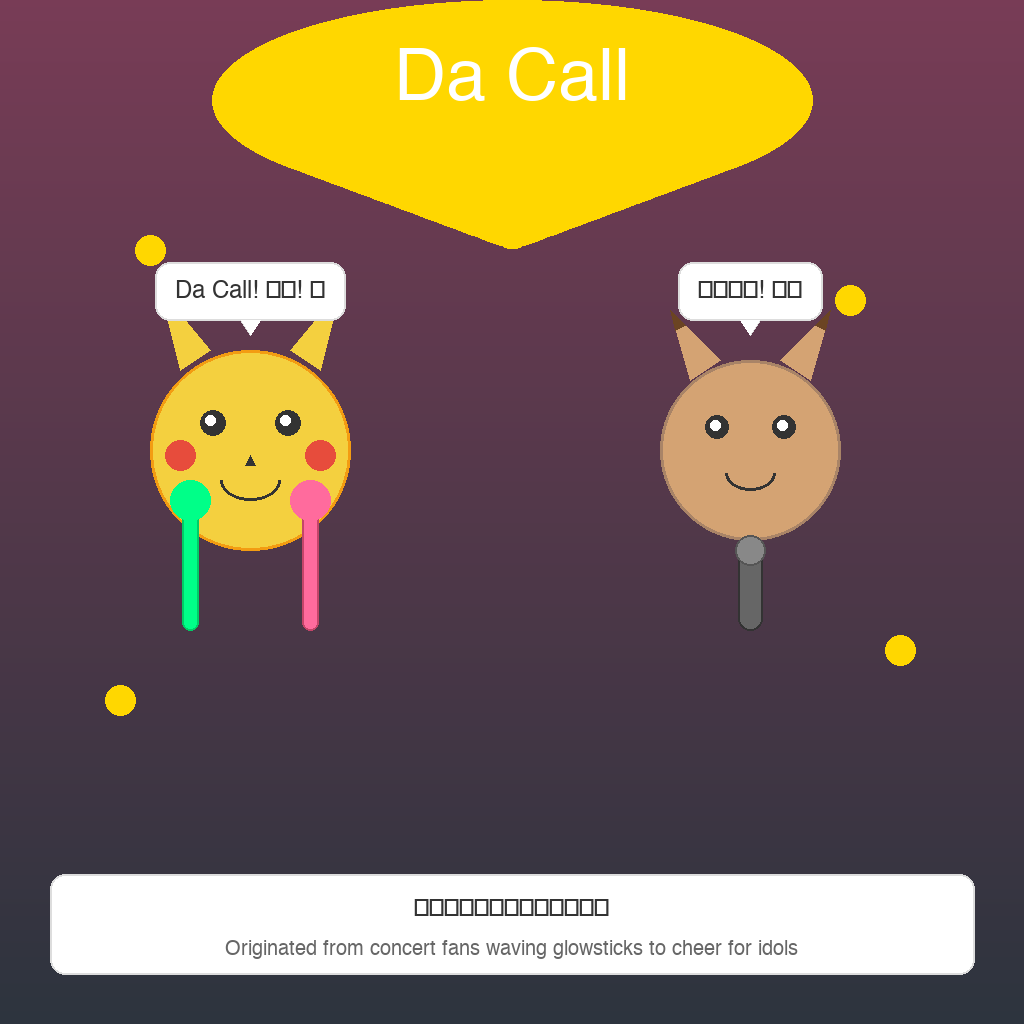
📚 Da Call (打call)
/dɑː kɔːl/
Make a call. Cheering for someone, showing support.
━━━
��� Examples:
• "Let's da call for our team—they need our energy!"
• "Fans were da calling so hard at the concert last night."
• "When your friend accomplishes something, you gotta da call!"
━━━
🌍 Cultural Context:
"Da Call" originated from Japanese concert culture ("wota-gei" performance) and evolved into mainstream Chinese internet slang. The phrase combines "da" (打, do/make) with "call" (呼叫), creating a uniquely hybrid expression that means enthusiastically supporting someone. Unlike passive "support," da call implies active, visible cheering—waving glow sticks, shouting encouragements, creating energy. It's particularly popular in fandoms, gaming communities, and livestreaming culture where viewers actively boost creators. The term reflects how Chinese netizens adapted Japanese pop culture into their own vocabulary. Whether at concerts, sports events, or online streams, da call represents participatory fandom—you're not just watching, you're actively creating the atmosphere.
━━━
🔥 HOT
━━━
Who do you da call for? Share your cheering spirit!
#Chinglish #DaCall #CheeringSpirit
📚 Wo Tai Nan Le (我太难了)
"I'm having such a hard time." The universal cry of modern existence.
━━━
💬 Examples:
• "Wo Tai Nan Le! My boss wants the report by tomorrow AND a PowerPoint."
• "Wo Tai Nan Le... my dating app matches are all bots."
• "Rent went up again. Wo Tai Nan Le."
━━━
🌍 Cultural Context:
Originated from a viral Douyin video where a man dramatically expressed his life struggles. Now it's the go-to phrase for self-deprecating complaints about work, relationships, or just... existence. The Chinese "I'm tired of this life" but with meme energy.
━━━
🔥 HOT — Peak meme status since 2019
━━━
💬 What's making you say Wo Tai Nan Le today?
#Chinglish #WoTaiNanLe #LifeStruggles
📚 Wo Tai Nan Le (我太难了)
/wɔː taɪ nɑːn lə/
I'm too difficult. I'm having such a hard time.
━━━
💬 Examples:
• "Work deadlines, rent payments, dating apps—wo tai nan le!"
• "My boss expects miracles with zero resources—wo tai nan le."
• "Trying to adult while gaming all night—wo tai nan le."
━━━
🌍 Cultural Context:
"Wo Tai Nan Le" exploded as a viral meme in 2019 when comedian Kua Kua Huang recorded a tearful video complaining about life's difficulties. The phrase captures modern Chinese youth's collective exhaustion—from work pressure, dating struggles, housing costs, and social expectations. Unlike traditional complaints, wo tai nan le carries self-aware humor—you're acknowledging hardship while also making it meme-worthy. The phrase became so popular that it spawned countless variations and remixes. It reflects a generational shift: Chinese millennials and Gen Z are openly expressing burnout instead of silently enduring. The meme transformed genuine frustration into shareable content—complaining became entertainment.
━━━
🔥 HOT
━━━
What makes you wo tai nan le? Share your struggle stories!
#Chinglish #WoTaiNanLe #LifeStruggles
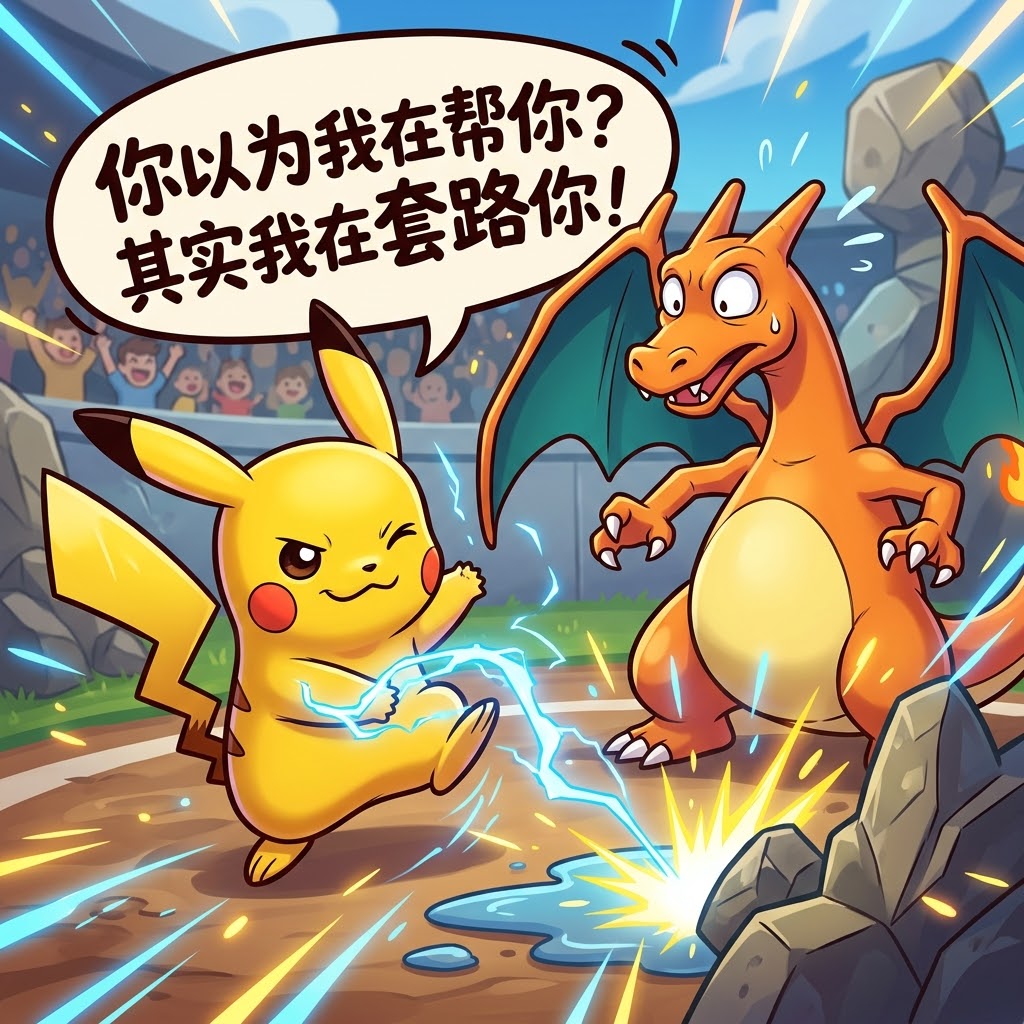
📚 Tao Lu (套路)
A routine path, trick, or tactic. The formulaic approach everyone uses but nobody admits.
━━━
💬 Examples:
• "That's just his Tao Lu — he always acts pitiful first, then asks for money."
• "Don't fall for her Tao Lu. She's been using the same moves on every guy."
• "Marketing teams have perfected their Tao Lu: urgency + scarcity + 'limited time offer'."
━━━
🌍 Cultural Context:
Originally from martial arts training sequences, now describes any predictable pattern people use to manipulate outcomes. From dating strategies to business tactics — everyone has their "moves."
━━━
🔥 HOT — Trending across Chinese social media
━━━
💬 What's YOUR favorite Tao Lu that you've seen someone use?
#Chinglish #TaoLu #ChineseInternet
📚 Tao Lu (套路)
/taʊ luː/
Routine path. Trick, tactic, or formulaic approach.
━━━
💬 Examples:
• "Don't fall for his tao lu—he always has a hidden agenda."
• "That influencer's apology video was pure tao lu—so predictable."
• "Every dating app has the same tao lu now—nothing original."
━━━
🌍 Cultural Context:
"Tao Lu" (literally "set routine") has evolved from martial arts terminology into internet slang for manipulative patterns. Originally meaning "established combat sequences," it now describes predictable tactics people use to achieve goals—often with deceptive intent. Whether in dating, marketing, gaming, or social media, recognizing someone's tao lu means seeing through their scripted behavior. The term reflects Chinese society's skepticism toward套路—when everything seems formulaic, authenticity becomes precious. Young people particularly use it to critique cookie-cutter approaches in romance, content creation, and even workplace interactions. Spotting tao lu is now a social skill—knowing when someone's genuine versus following a script.
━━━
🔥 HOT
━━━
What's the most obvious tao lu you've seen? Share your pattern-spotting stories!
#Chinglish #TaoLu #InternetSlang
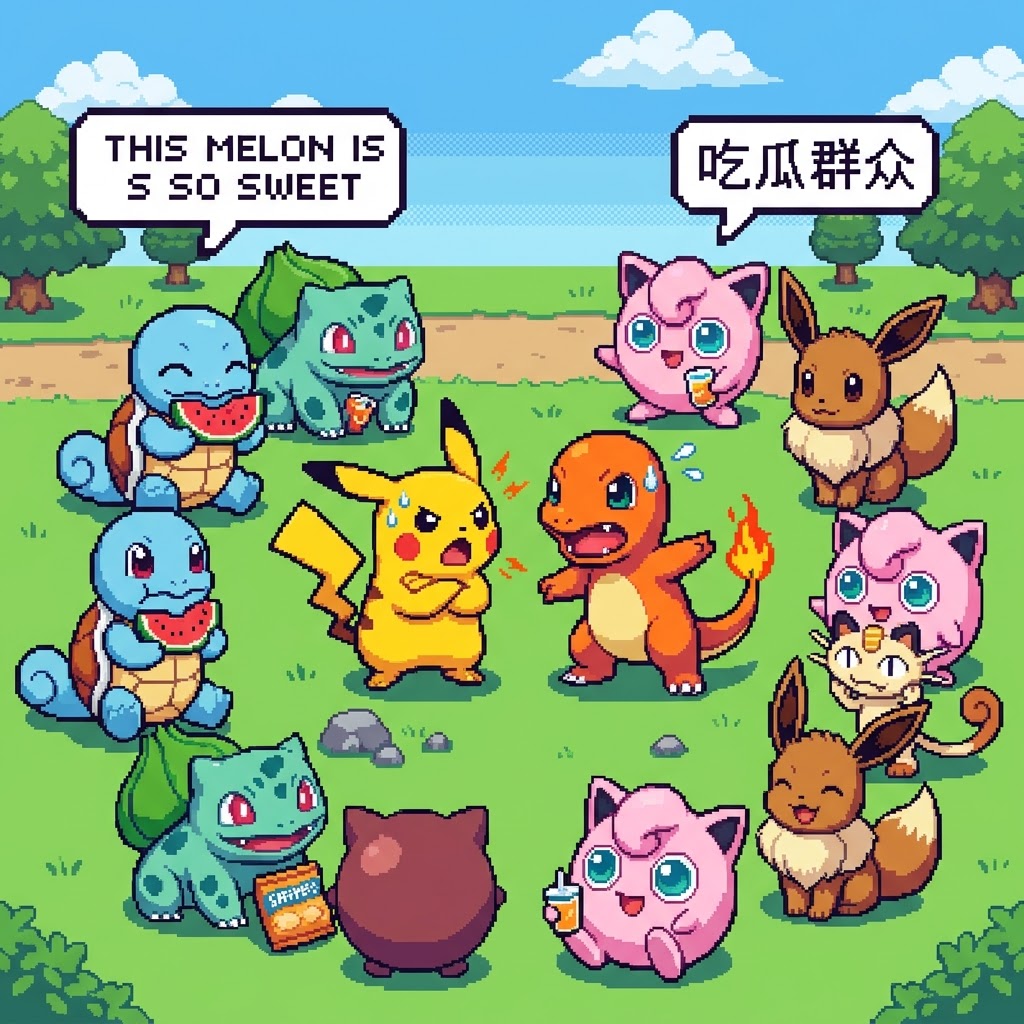
📚 Chi Gua (吃瓜)
/tʃiː gwɑː/
Eat melon. Spectating drama without participating.
━━━
💬 Examples:
• "I'm just chi gua on this drama—don't involve me!"
• "The whole internet is chi gua on this celebrity scandal."
• "When two YouTubers fight, everyone chi gua."
━━━
🌍 Cultural Context:
"Chi Gua" (literally "eating melon") captures the Chinese internet's spectator culture. Unlike Western "bystanders," chi gua carries playful humor—you're enjoying the show like snacking on melon at a theater. The term reflects how Chinese netizens engage with drama: not participating, but definitely watching with entertainment. It's particularly common during celebrity scandals, corporate controversies, and influencer disputes. The imagery of melon-eating suggests leisure and detachment—you're nourished by the drama without being harmed by it. This spectator culture has become so prevalent that "chi gua qun zhong" (melon-eating masses) is now a recognized social category in Chinese internet sociology.
━━━
🔥 HOT
━━━
What's the most entertaining chi gua moment you've witnessed? Share your spectator stories!
#Chinglish #ChiGua #InternetDrama
📚 Liu Liu Liu (666)
/six six six/
━━━
💬 Definition:
Six six six. Awesome, amazing, impressive.
━━━
🎯 Examples:
• "That combo was 666!" (Gaming praise)
• "His coding skills are 666!" (Admiration)
• "This view is 666!" (Pure awe)
━━━
🌍 Cultural Context:
Born in Chinese gaming culture, "666" evolved from "牛牛牛" (awesome x3). When someone pulls off a god-tier move, you hit them with three sixes. It's the digital equivalent of a standing ovation.
━━━
🔥 PEAK MEME STATUS
━━━
What's your most 666 moment? Drop it below! 👇
#Chinglish #666 #GamingCulture
📚 Liu Liu Liu (666)
/sɪks sɪks sɪks/
Awesome, amazing, impressive.
━━━
💬 Examples:
• "That game was so liu liu liu—totally epic!"
• "His coding skills are liu liu liu!"
• "Just hit a penta kill—liu liu liu!"
━━━
🌍 Cultural Context:
"666" (pronounced "liu liu liu") is the ultimate praise in Chinese internet culture. The number 6 sounds like "liu" (flow/smooth), and triple repetition intensifies the meaning—everything flows perfectly. Originating from gaming communities, it's now universal slang for anything impressive. Unlike Western "awesome" or "amazing," 666 carries specific gaming roots: it originally described skillful gameplay, then expanded to general admiration. The term reflects how numbers can become meaningful language—Chinese netizens love numeric slang (2333 for LOL, 520 for I love you). When someone says "666," they're not just praising—they're acknowledging excellence with a distinctly internet-native compliment.
━━━
🔥 HOT
━━━
What's the most liu liu liu thing you've seen lately? Share your epic moments!
#Chinglish #666 #InternetSlang
📚 Chui Niu (吹牛)
/blow cow/
To brag, boast, or exaggerate one's achievements.
━━━
💬 Examples:
• "He said he could beat anyone at gaming. Classic chui niu."
• "Stop chui niu! You didn't actually win that tournament."
• "That guy at the bar? Total chui niu expert."
━━━
🌍 Cultural Context:
A playful literal translation of "吹牛" (blowing cow). In Chinese culture, calling someone a "cow blower" means they're telling tall tales or making grandiose claims nobody believes. The imagery of literally inflating a cow captures the absurdity of their boasts.
━━━
✅ CLASSIC - Universally recognized in Chinese internet culture
━━━
Ever met a chui niu master? Tag them below! 👇
#Chinglish #ChineseSlang #LearnChinese
📚 Da Bai (大白)
/dɑː baɪ/ noun
Big white. Kind-hearted person, volunteer worker who helps others selflessly.
━━━
💬 Examples:
• "The Da Bai volunteers delivered food to every doorstep during lockdown."
• "She's such a Da Bai — always helping neighbors without asking for anything."
• "Thank you to all the Da Bai who kept our city running!"
━━━
🌍 Cultural Context:
Originally referred to pandemic volunteers in white protective suits. Now evolved into a symbol of selfless community service and kindness in Chinese internet culture.
━━━
🟡 EMERGING — Growing recognition beyond China
━━━
💬 Have you ever volunteered or been helped by a "Da Bai"? Share your story!
#Chinglish #DaBai #ChineseSlang #VolunteerHero
📚 Fang Ge (放鸽)
/fɑːŋ gə/
Release pigeon. Stand someone up, break appointment.
━━━
💬 Examples:
• "He fang ge me three times already—I'm done waiting."
• "Don't fang ge your friends—it's really disrespectful."
• "The meeting was fang ge because the client never showed up."
━━━
🌍 Cultural Context:
"Fang Ge" (literally "release pigeon") is a colorful term for standing someone up or breaking an appointment. The metaphor comes from pigeon racing, where releasing a pigeon means it flies away—just as someone "flies away" from their commitment. The term is widely used in dating, business, and social contexts. Being fang ge is considered quite rude in Chinese culture, which values reliability and face. The phrase has expanded to describe any situation where one party fails to show up or deliver on promises, from missed dates to canceled business meetings.
━━━
🟡 EMERGING
━━━
What's the worst fang ge experience you've had? Share your stories!
#Chinglish #FangGe #StoodUp
📚 Tiao Bian (挑边)
/tjaʊ bjan/
Pick side. Choose a faction in conflict or debate.
━━━
💬 Examples:
• "The company drama forced everyone to tiao bian—you're either with management or with the rebels."
• "I refuse to tiao bian in this argument—both sides have valid points."
• "Netizens love to tiao bian when celebrities feud publicly."
━━━
🌍 Cultural Context:
"Tiao Bian" (literally "pick side/edge") describes the act of choosing which faction to support in conflicts, debates, or social disputes. In China's highly engaged social media environment, public disagreements between influencers, companies, or groups often force audiences to declare their allegiance. The term captures the pressure to take a stance and the social dynamics of conflict participation. Refusing to tiao bian can be seen as either wise neutrality or cowardly fence-sitting, depending on context. The phrase reflects the polarized nature of online discourse where middle ground is increasingly rare.
━━━
🟡 EMERGING
━━━
Have you ever been forced to tiao bian? What did you do?
#Chinglish #TiaoBian #PickASide
📚 Bao Gou (抱狗)
/baʊ goʊ/
Hug dog. Seeking protection from powerful person.
━━━
💬 Examples:
• "New employees often try to bao gou the department head for job security."
• "She's really good at bao gou—always knows which manager to align with."
• "Instead of working hard, he just bao gous the boss and gets promoted."
━━━
🌍 Cultural Context:
"Bao Gou" (literally "hug dog" or "hold onto dog") is a vivid metaphor from Chinese workplace and social dynamics. It describes the strategy of attaching oneself to someone powerful for protection, advancement, or survival. The imagery suggests clinging to a loyal guardian who can shield you from attacks or help you succeed. While sometimes seen as opportunistic, bao gou is also understood as a pragmatic survival tactic in highly competitive or hierarchical environments. The term can be used critically (suggesting someone lacks independent merit) or neutrally (acknowledging strategic networking).
━━━
🟡 EMERGING
━━━
Have you ever seen bao gou in action? What's your take on strategic networking?
#Chinglish #BaoGou #WorkplaceStrategy
📚 Hei Fen (��粉)
/heɪ fɛn/
Black fans. Haters, anti-fans.
━━━
💬 Examples:
• "Every popular influencer has to deal with hei fen eventually."
• "The hei fen community is surprisingly organized in their criticism campaigns."
• "Don't let the hei fen get you down—focus on your real fans!"
━━━
🌍 Cultural Context:
"Hei Fen" (literally "black fans") refers to the dedicated anti-fandom that exists alongside regular fandoms in Chinese internet culture. Unlike casual critics, hei fen are organized communities whose primary purpose is to criticize, expose, or undermine specific celebrities, influencers, or brands. They maintain dedicated accounts, share negative information, and coordinate campaigns. While sometimes they expose genuine wrongdoing, they can also spread misinformation and harassment. The term reflects the polarized nature of online discourse, where passionate fans (tie fen) and dedicated anti-fans (hei fen) form two sides of an intense digital battlefield.
━━━
🟡 EMERGING
━━━
What's your take on the hei fen phenomenon? Share your perspective!
#Chinglish #HeiFen #FandomCulture