𝗗𝗮𝘆 𝟰𝟬/𝟭𝟬𝟬
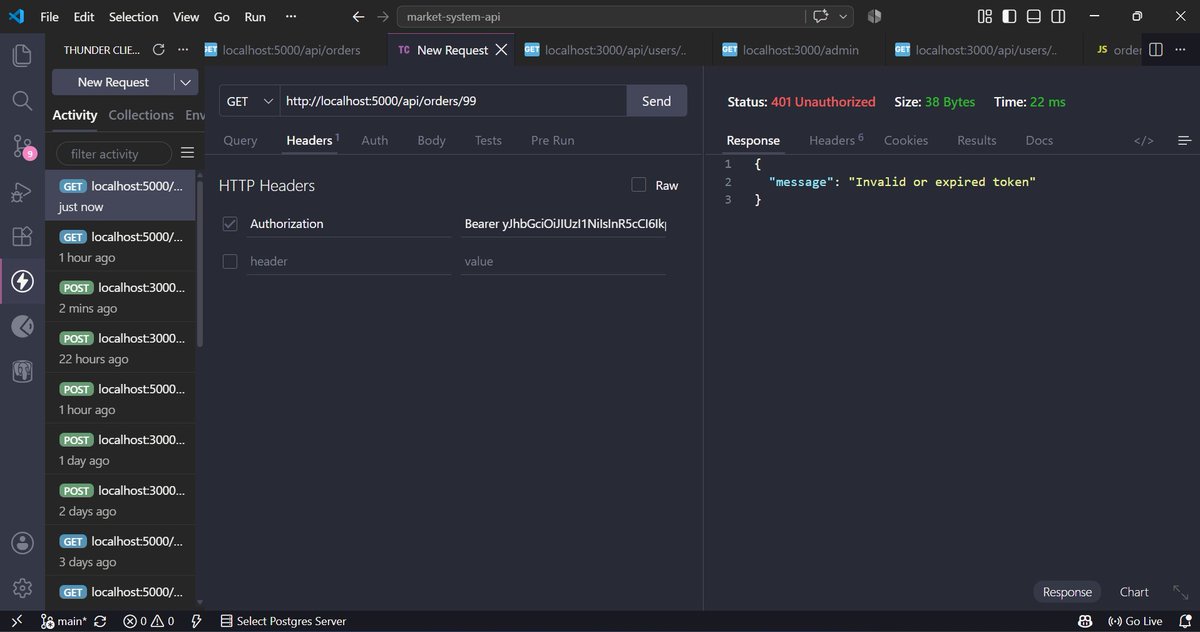
Imagine a customer changing product prices or staff deleting admin records. That’s what happens when everyone has the same access.
RBAC separates permissions by role: user, staff, and admin. The backend must enforce them.
#100DaysOfLearning
𝗗𝗮𝘆 𝟯𝟵/𝟭𝟬𝟬
While studying my backend, I also started building the frontend.
We moved from an admin dashboard to a login page, then planned a separate public product page where visitors can browse without logging in.
It's still a work in progress
#100DaysOfLearning
𝗗𝗮𝘆 𝟯𝟴/𝟭𝟬𝟬
Why track refresh sessions?
Because a token that expires in 7 days may need to be revoked before then.
Session tracking helps a backend handle logout, revoke compromised sessions, and manage logins across devices.
#100DaysOfLearning
𝗗𝗮𝘆 𝟯𝟳/𝟭𝟬𝟬
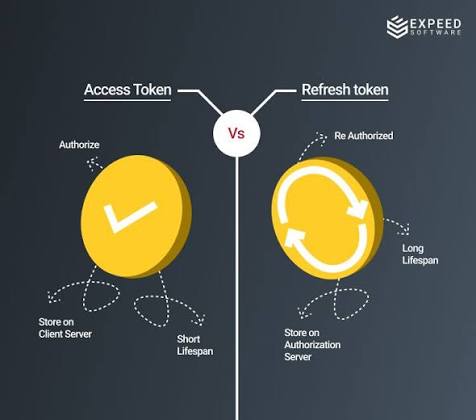
What's the difference?
Access token: Accesses protected resources.
Refresh token: Gets a new access token when the current one expires.
In my MMS, access tokens last 1 hour, refresh tokens last 7 days.
#100DaysOfLearning
𝗗𝗮𝘆 𝟯𝟲/𝟭𝟬𝟬
Why should tokens expire?
If a token is stolen, an expiry time helps limit how long it can be used.
In my MMS backend:
Access token: 1 hour
Refresh token: 7 days
it is not just granting access, also control how long that access lasts.
#100DaysOfLearning
𝗗𝗮𝘆 𝟯𝟱/𝟭𝟬𝟬
35 days of learning, building, debugging, and growing.
Today is for resting, reflecting, and recharging.
Consistency isn't about never resting. It's about showing up again.
#100DaysOfLearning#Rest#Consistency
𝗗𝗮𝘆 𝟯𝟰/𝟭𝟬𝟬
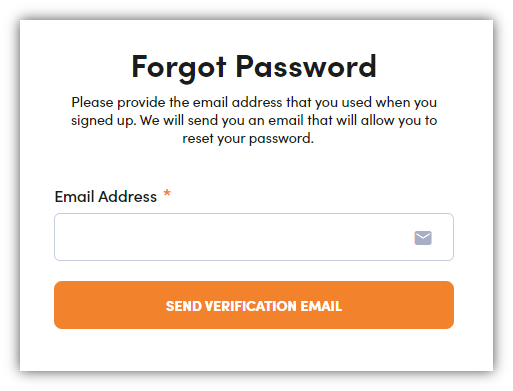
What happens when you click "Forgot Password”?
Generate a secure token → Hash it → Store the hash → Send the reset link → Verify the token → Change the password.
#100DaysOfLearning#Security#PasswordHash
𝗗𝗮𝘆 𝟯𝟯/𝟭𝟬𝟬
Hashing ≠ Encryption.
Encryption lets you recover the original data with the right key. Hashing is designed to be one-way.
That’s why my MMS uses bcrypt to hash passwords instead of storing them in plain text.
#100DaysOfLearning#BackendDevelopment
𝗗𝗮𝘆 𝟯𝟮/𝟭𝟬𝟬
What if my MMS database were exposed and every password was stored in plain text?
That's why I use bcrypt. it hashes passwords and makes guessing them more expensive. My current setup uses a cost factor of 12.
#100DaysOfLearning#CyberSecurity#CRUD
𝗗𝗮𝘆 𝟯𝟭/𝟭𝟬𝟬
I moved toward a minimal JWT payload: { id, iat, exp }.
Why? User roles and details changes. Fetching the current user from the database helps my backend use up-to-date information instead of relying on stale token data
#100DaysOfLearning#BackendDevelopment
𝗗𝗮𝘆 𝟯𝟬/𝟭𝟬𝟬
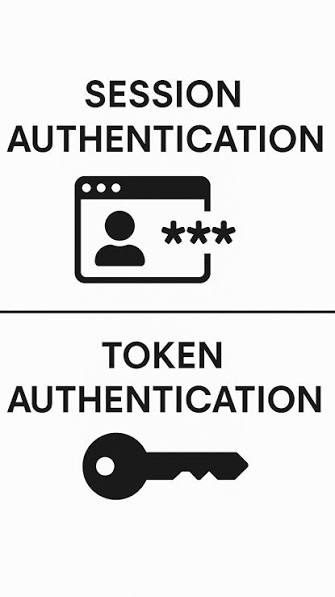
An admin, staff member, and user can all log in successfully. But should they have the same permissions?
Authentication identifies the user. Authorization decides what they can do.
#100DaysOfLearning#BackendDevelopment#API#SoftwareEngineering
𝗗𝗮𝘆 𝟮𝟵/𝟭𝟬𝟬
How my MMS backend recognize an authenticated user
Login → Verify details → Generate JWT → Client sends token → Server verifies → Request
Authentication identifies user, authorization determines what they can do
#100DaysOfLearning#BackendDevelopment
𝗗𝗮𝘆 𝟮𝟴/𝟭𝟬𝟬
A rest day after a week of exploring PostgreSQL, database performance, transactions, and backend reliability.
Sometimes, progress means pausing, reflecting and allowing what you've learned to settle.
We continue tomorrow
#100DaysOfLearning#DeveloperJourney
𝗗𝗮𝘆 𝟮𝟳/𝟭𝟬𝟬
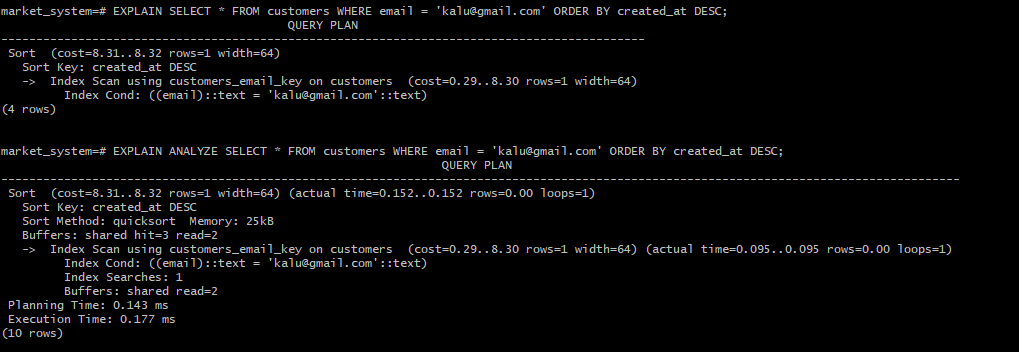
Instead of guessing why my query is slow, I can ask PostgreSQL.
EXPLAIN reveals the query execution plan, helping me investigate table scans, index usage, the work PostgreSQL expects to perform.
Understand before optimizing.
#100DaysOfLearning#PostgreSQL
𝗗𝗮𝘆 𝟮𝟲/𝟭𝟬𝟬
Imagine searching 100,000 products for one spare part.
A database index is like a book's index: it helps PostgreSQL find matching records faster without scanning every row.
But indexes also have costs.
N/B: This is a demo app
#100DaysOfLearning#PostgreSQL
𝗗𝗮𝘆 𝟮𝟱/𝟭𝟬𝟬
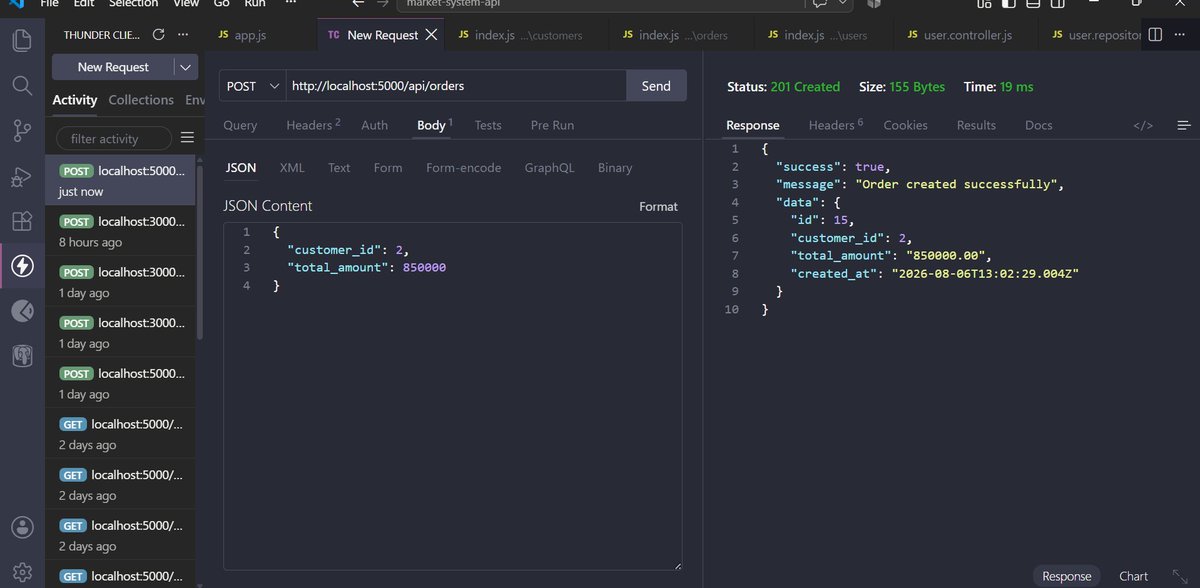
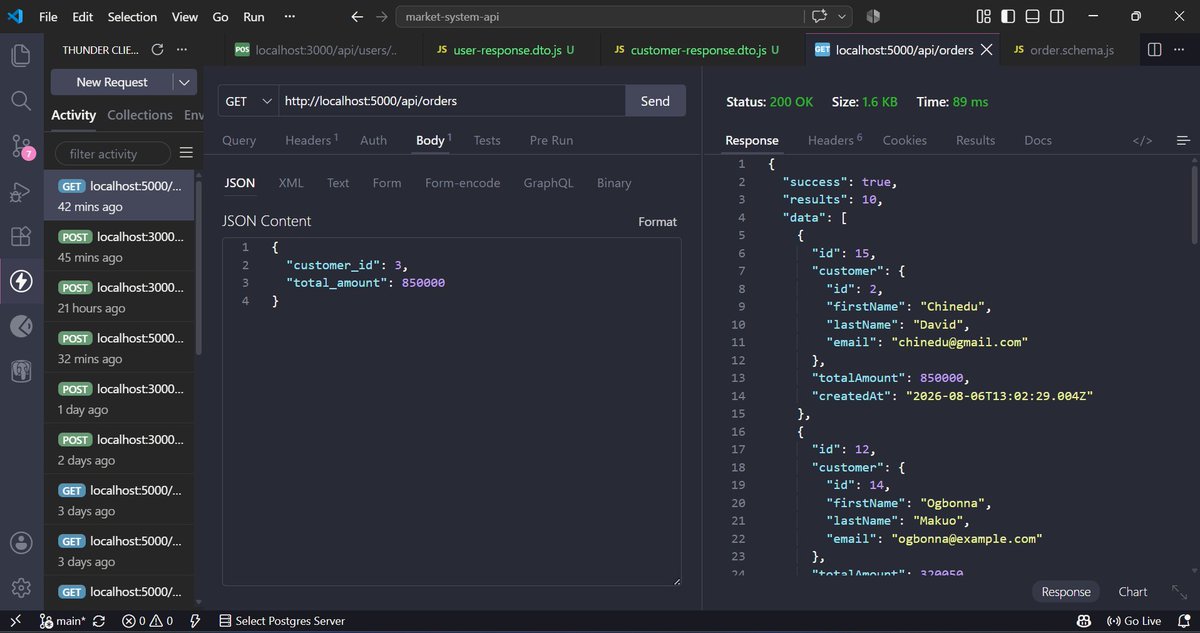
While working on my order flow, I started thinking about who should calculate the final order total. The frontend can calculate it, the backend shouldn't blindly trust it.
It should verify the data give the final total.
#100DaysOfLearning#BackendDevelopment
𝗗𝗮𝘆 𝟮𝟰/𝟭𝟬𝟬
Stock = 1.
Request A sees 1.
Request B sees 1.
Both try to buy.
The code may work perfectly for one request, but concurrent requests can produce an incorrect result.
That’s a race condition.
#100DaysOfLearning#BackendDevelopment#SoftwareEngineering
𝗗𝗮𝘆 𝟮𝟯/𝟭𝟬𝟬
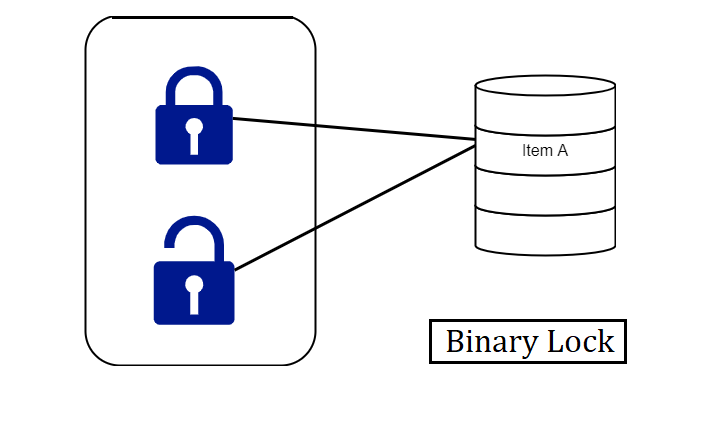
What happens when two customers try to buy the last item at the same time?
Both could see stock = 1. That’s where PostgreSQL’s SELECT FOR UPDATE comes in — locking the row so concurrent requests don't oversell.
#100DaysOfLearning#PostgreSQL#Backend
𝗗𝗮𝘆 𝟮𝟮/𝟭𝟬𝟬
Today I started Week 4 with PostgreSQL transactions using my MMS order flow.
I learned how BEGIN → operations → COMMIT keeps related changes together, while ROLLBACK prevents partial changes when something fails.
#100DaysOfLearning#PostgreSQL#Database