A new Tesla patent application has been published publicly today for a 3D tactile touch sensor for a humanoid robot.
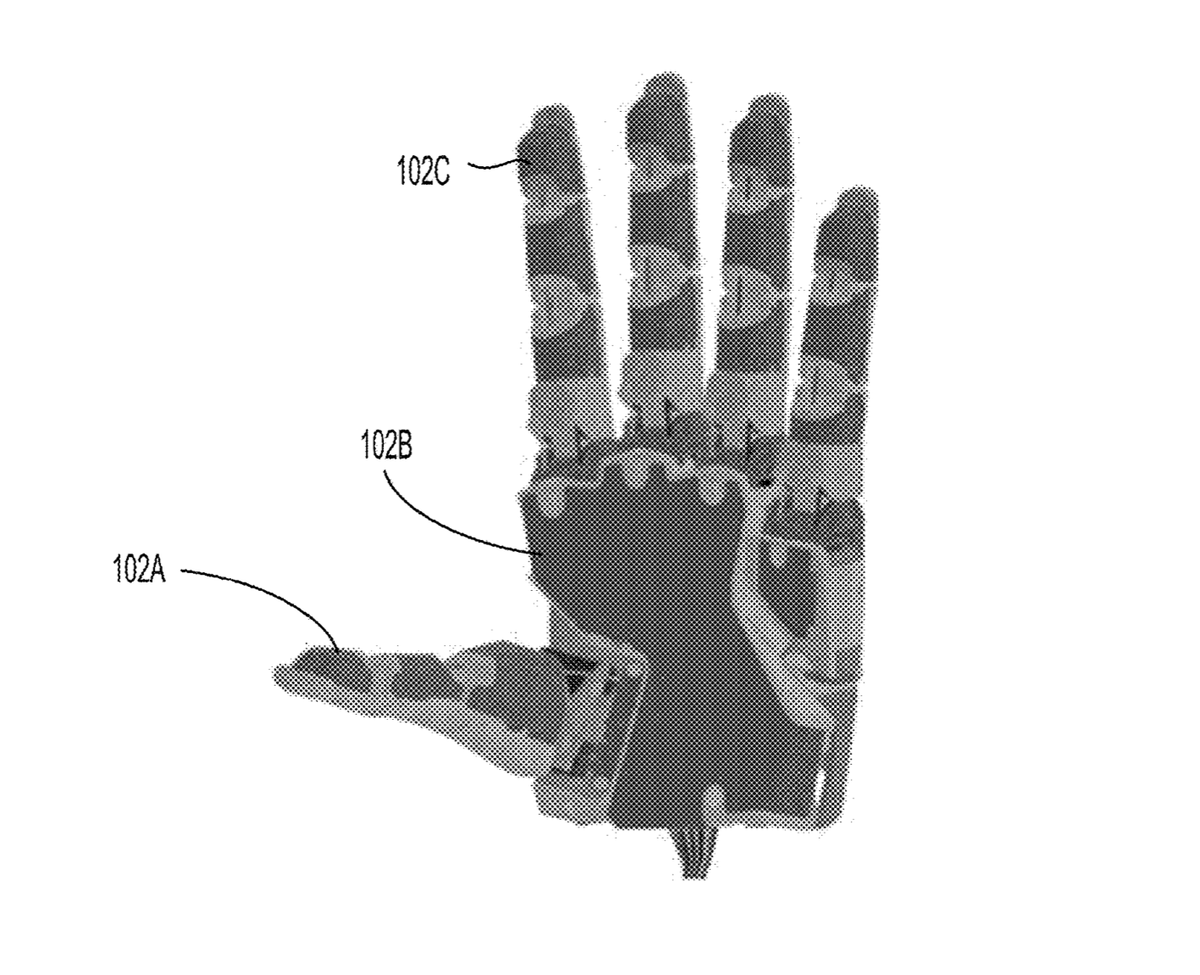
These sensors could allow Optimus to detect touch, pressure, and force across different parts of its hands, improving its ability to grip and manipulate objects.
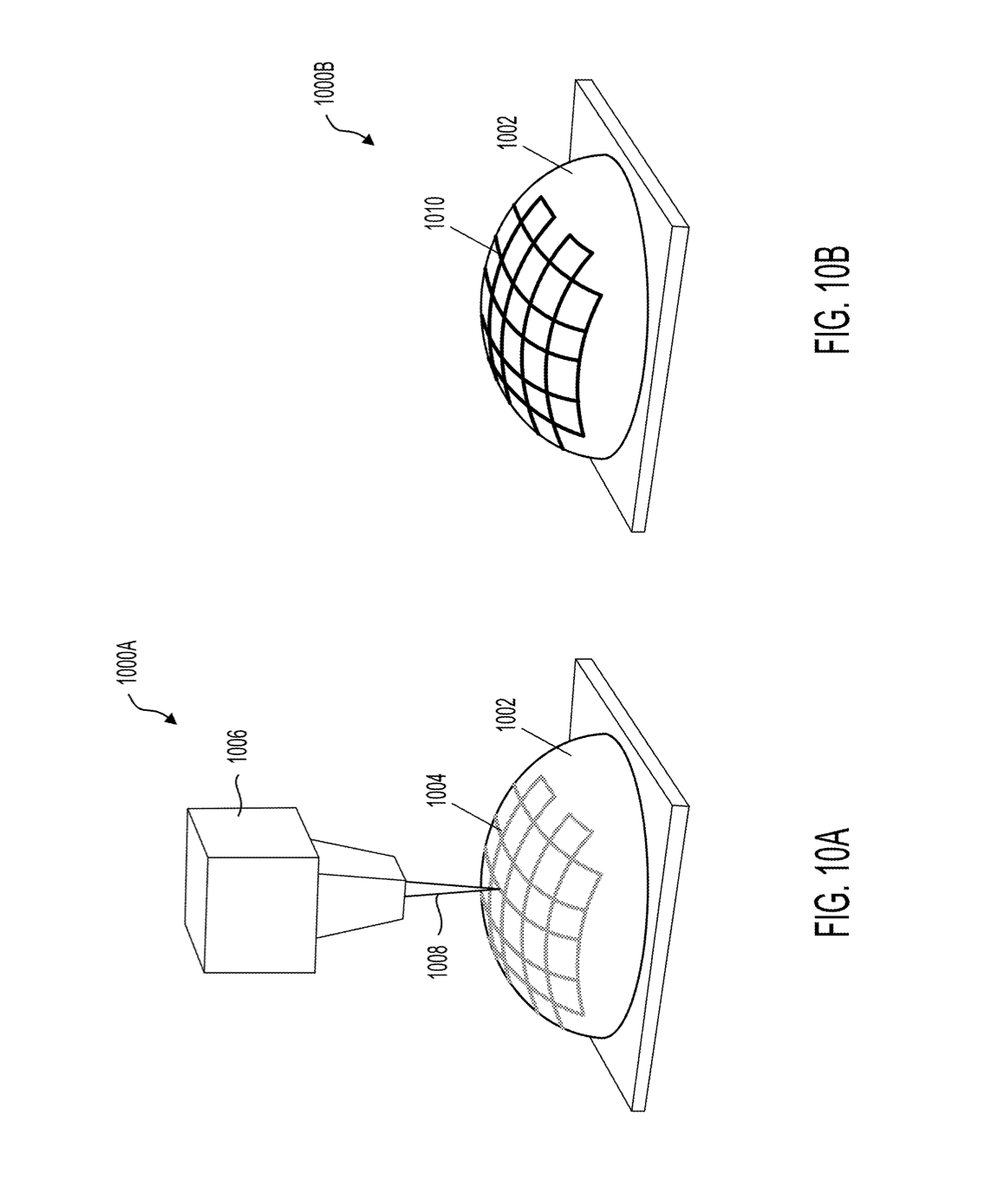
The patent says: "The separator layer can comprise a dielectric or piezoresistive material. The 3D tactile sensors can conform to curved geometries and can be used for measuring surface force, touch, and pressure. For example, the 3D tactile sensors described herein can be used in fingertips, palms, end-effectors, or other portions of a robot enabling the robot to sense the world around it. The sensors may be defined using flexible or formable material, such as thermoplastic, and can support resistive or capacitive sensing.
The 3D tactile sensors described herein can be manufactured using a variety of approaches. One example approach involves defining an array of sensing elements in a substrate material using screen printing or substrate etching. Additional approaches involve the use of 3D dispensing (e.g., 3D printing) tech-niques, pad printing techniques, or electroplating tech-niques. The substrate may be formed to a target 3D geometry using thermoforming, injection molding, or compression molding, among any other suitable techniques."
This patent was originally filed in Sept 2025. Tesla may or may not end up using this technology in Optimus: https://t.co/xp0c1VDiKx