What is SCIMITAR-SA, and how can stakeholders get involved?
SCIMITAR-SA is a research programme working across Bangladesh, India and Pakistan to improve tobacco cessation support for people with severe mental illness.
#SCIMITARSA#MentalHealth#TobaccoControl#NIHR#SouthAsia
We are delighted to share a special invitation from Professor Simon Gilbody as we gear-up for the SCIMITAR-South Asia Annual Meeting 2026, to be held in Colombo, Sri Lanka, from 6-8 July 2026.
National Cancer Survivors Day 7 June
Today, we celebrate the strength & resilience of cancer survivors worldwide.
Survivors may face long term physical, emotional, social & financial challenges. Women & childhood cancer survivors often have unique needs requiring lifelong support
A healthy environment means a healthier future.
Women and children are especially vulnerable to air pollution, second-hand smoke, and environmental hazards. Smoking and smokeless tobacco remain major preventable causes of cancer.
✅ Oral Cancer Screening
✅ Tobacco Cessation Awareness
✅ Breast Cancer Awareness
✅ Women's Health Education
Together, we are building a healthier, tobacco-free future. @StopCancerDoc@sharda_uni
Together, we can create a healthier future by exposing the truth behind tobacco and nicotine addiction. Awareness is the first step toward prevention and healthier lives. @StopCancerDoc#worldnorobaccoday#WNTD2026
This World No Tobacco Day, let us “unmask the appeal” by spreading awareness about the harmful effects of cigarettes, vaping, hookah, smokeless tobacco, and nicotine products.
Choose Health. Choose Freedom. Choose Life.
DYK: 'Ever-married status may serve as a useful social indicator for cancer risk stratification and prevention.'
While the study highlights a significant statistical correlation, researchers and public health experts emphasize several crucial points to avoid misinterpretation: Correlation vs. Causation: The study does not suggest that marriage itself is a biological "cure" or a direct preventative measure for cancer. Social & Behavioral Factors: The disparity is likely driven by social and behavioral pathways. Married individuals often benefit from stronger social support systems, economic stability, shared healthier habits (e.g., diet, exercise), and more consistent engagement with healthcare (screening, timely medical attention). Selection Bias: Experts note that healthier individuals—or those with more social resources—may be more likely to marry in the first place, which is a factor the researchers acknowledged. Targeted Prevention: The authors conclude that marital status is a useful "social stratifier" that public health officials can use to identify populations that may need more targeted outreach, cancer education, and access to screenings.
Marriage and Cancer Risk: A Contemporary Population-Based Study Across Demographic Groups and Cancer Types. https://t.co/S8LkYwOoAS
Evaluation of secondary prevention methods by the IARC Working Group on Oral Cancer Prevention (i.e. interventions that detect precancerous lesions or cancer at a very early stage, by screening and by early diagnosis).
https://t.co/Jy3QT270RZ
Polycystic Ovary Syndrome (PCOS)—recently recognized globally as Polyendocrine Metabolic Ovarian Syndrome (PMOS)—is a common hormonal and metabolic disorder.
It is characterized by high androgen levels, irregular ovulation (or absent periods), and systemic metabolic disruptions. It is a leading cause of infertility.
What do you think of this trend. Should testing before marraige be mandatory or opportunistic?
Not kundli matching, its DNA testing: The new marriage trend explained - @IndiaToday@SmaricaPant https://t.co/0doE3m20nN
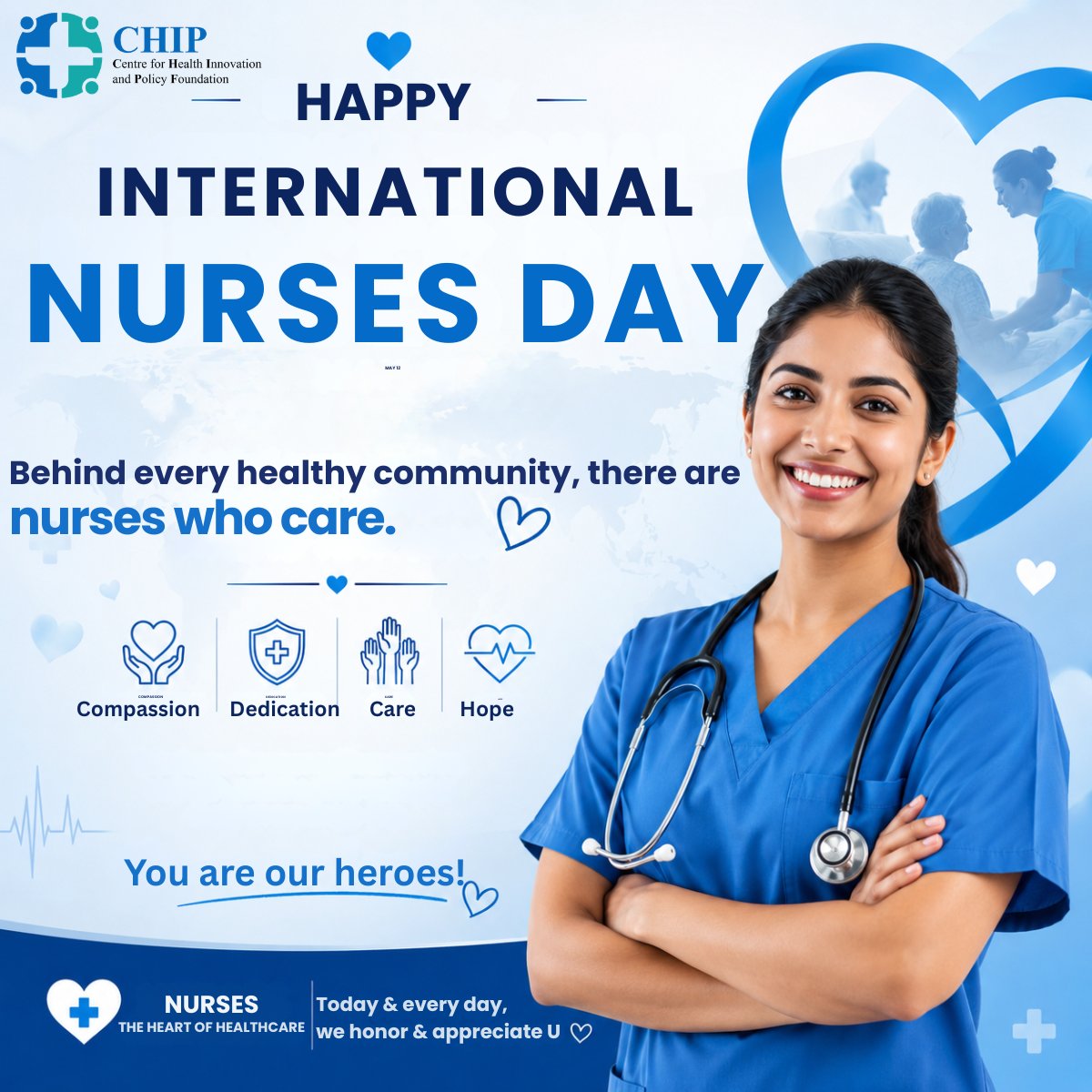
Today, we honor the compassion, dedication, and resilience of nurses around the world. Your care heals beyond medicine, bringing comfort, hope, and strength to countless lives every day.
“Empowering Young Minds Through Health Education, Awareness, and Preventive
Care”
Today, we successfully conducted a Free Preventive Health Education and Awareness Camp at Government High School, Faridpur, Faridabad,