@SnazzyLabs I would be curious to see if this supports AVF (Android Virtualization Framework) - which allows running full virtual machines in a trusted/protected environment. (See PoDroid on Github)
@jlcjak You can also run Immich on a NAS or something. Immich has some AI image recognition that you can run locally and has a similar level of UI polish as Google Photos.
@StarWreckest@geerlingguy@Raspberry_Pi I would first point out the Raspberry Pi just launched their Pi 500+ model that includes the M.2 NVME sockey fully populated in addion to 16GB RAM and a mechanical keyboard.
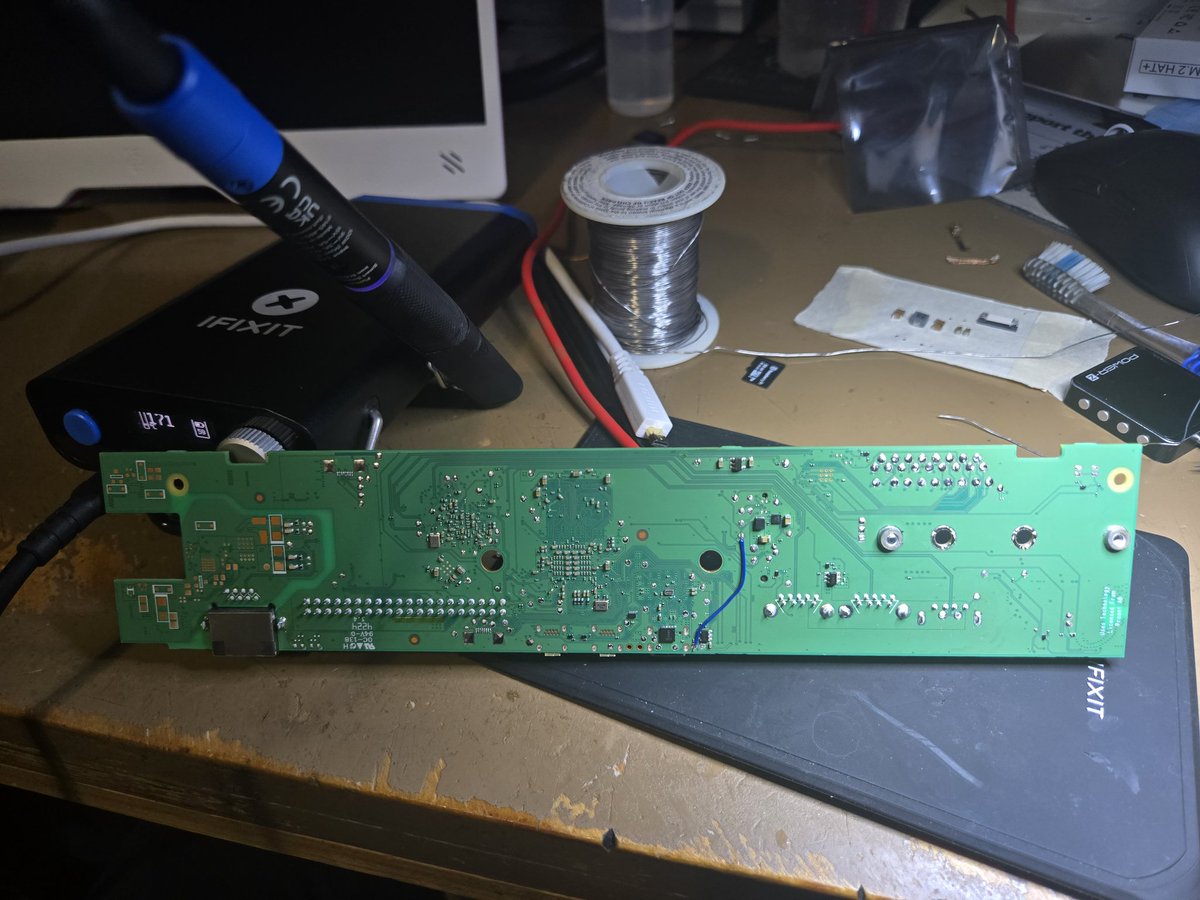
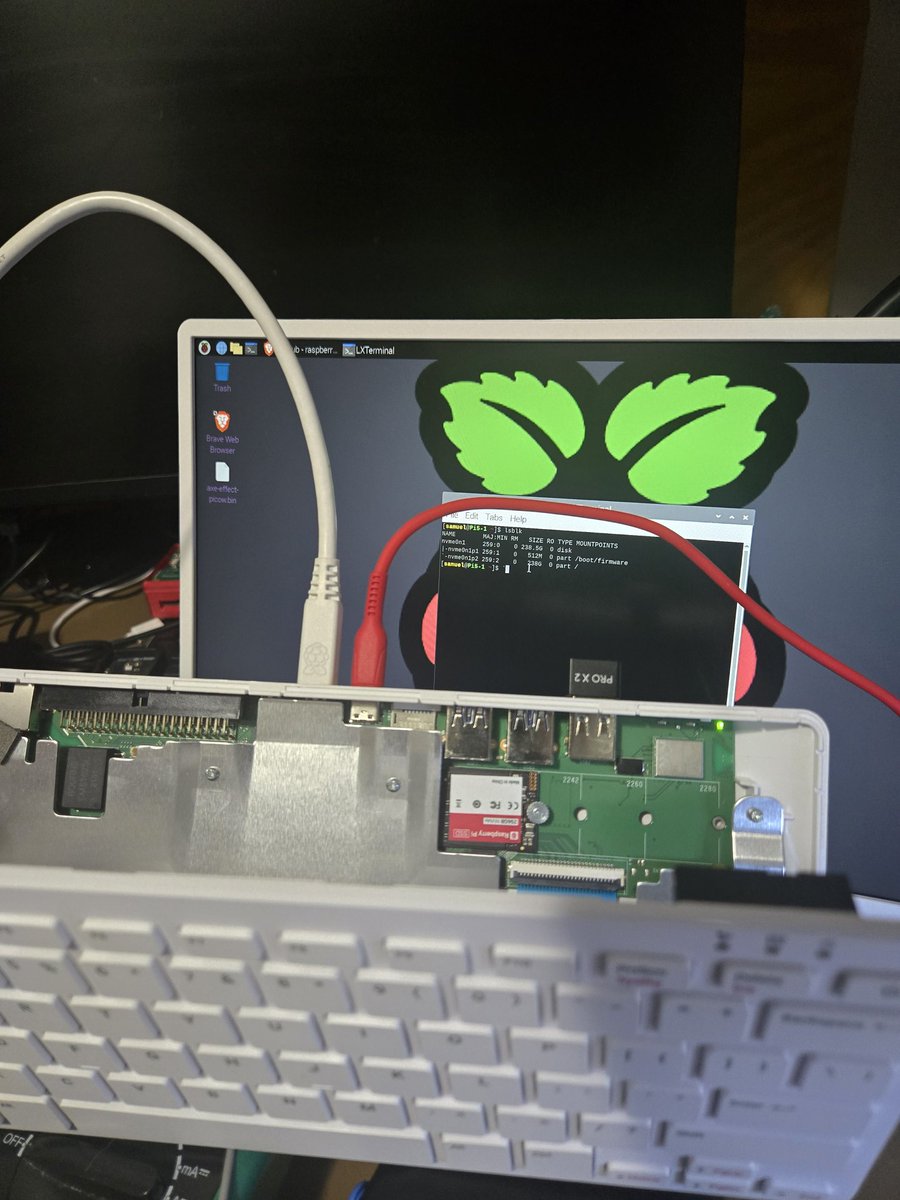
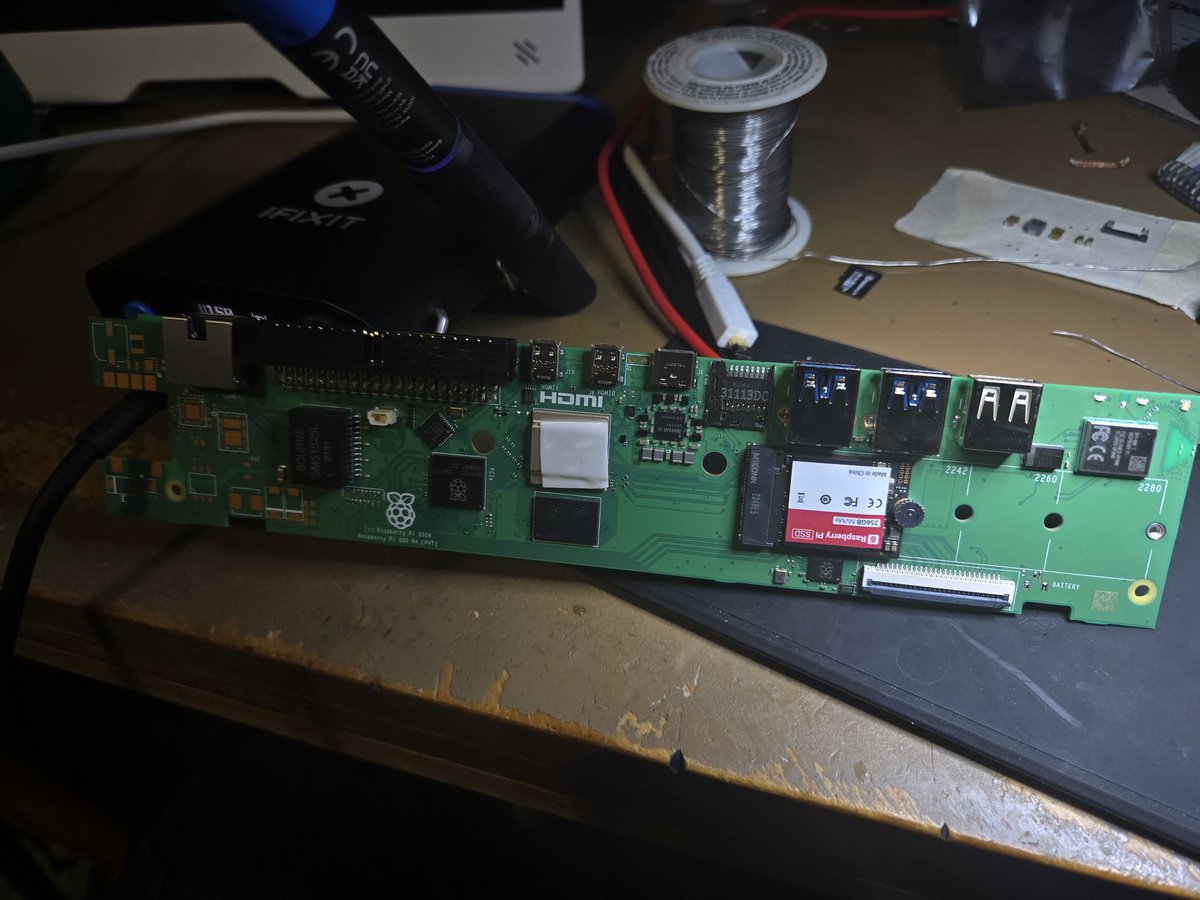
Just got the M.2 slot on my Raspberry Pi500 populated and working. I'm working on pulling together a Digikey list of the parts I needed to pull this off. @geerlingguy@Raspberry_Pi
Charlie Kirk was asked how he wanted to be remembered when he died:
“Courage for my faith,” he answered.
Charlie wanted his life to bring people to Jesus Christ. After today, it’s clear Charlie’s life is igniting a Christian revival across America.
Churches are booming, parking lots are filled to the brim, mass baptisms are taking place, and huge Jesus walks are happening across the country from California to New York.
The battle we’re really fighting is not political, It’s spiritual. Good vs. evil. Darkness vs. light. And the light of Charlie’s life, through Christ, is winning.
Well done good and faithful servant
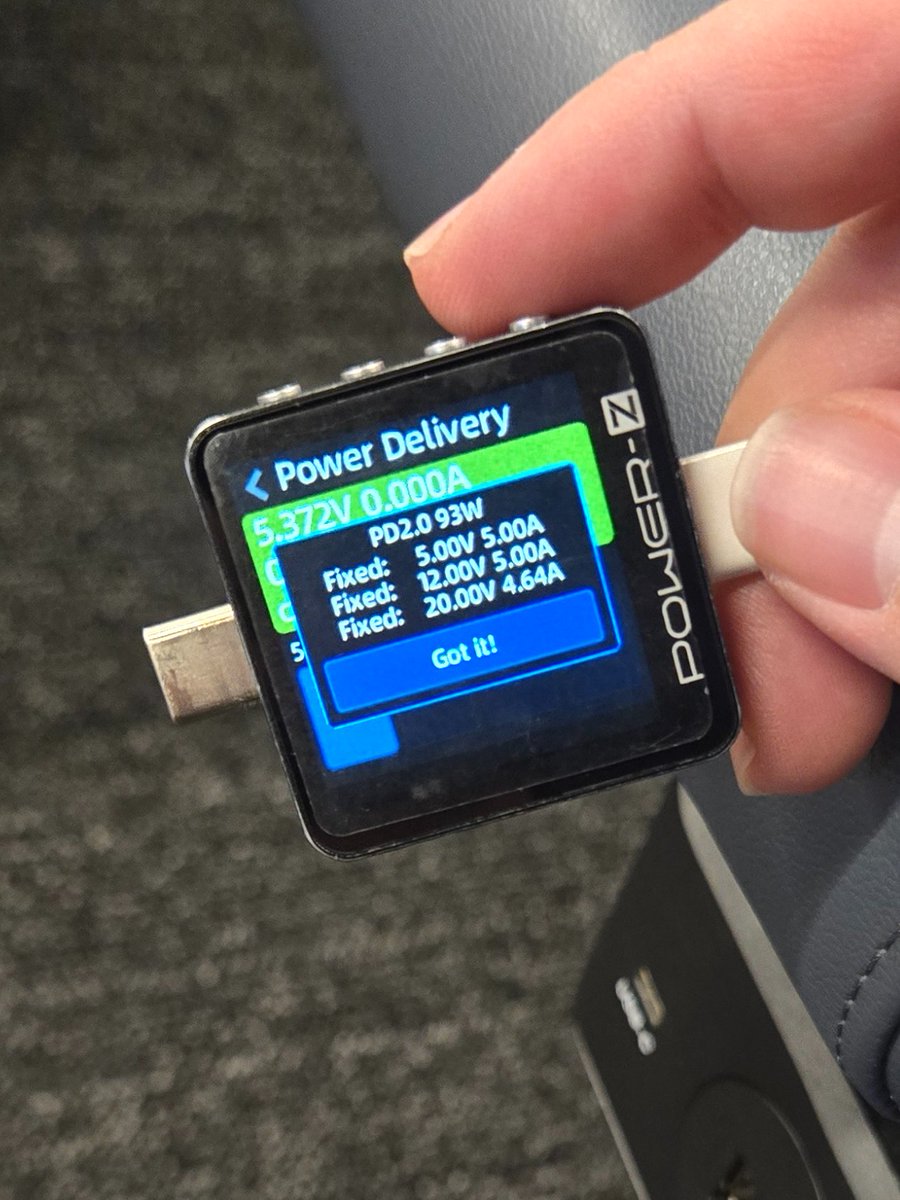
These airport USB-C ports are wild.
This is NOT an eMarker cable btw. (60w Apple)
Missing 9v, 15v fixed PDOs.
Non-standard 5A of current on 5v and 12v PDOs.
This charger does not check before providing Source Capabilities in excess of the cable's capabilities. Provides non-standard voltages with PD2.0 protocol.
Mostly unrelated - just an additional tip.
I would also recommend making sure that Super Fast Charging is turned on in your settings, and that you're using a USB-C charger that supports USB PD 3.1 PPS (Porgrammable Power Supply) mode. (Ensures that your phone produces far less heat/Wh of battery charge)
If your phone says 'Super Fast Charging' when you plug it in you're set on this front.
Yeah thats definitely not normal. Did it get wet or exposed to a foreign material?
Some things you can try:
I would typically use a USB-C breakout board (something like this: https://t.co/JuUm2SNRup) to measure continuity between pins. No neighboring pins should touch, make sure all VBUS pins have continuity with each other, etc..)
If there is residue on the pins this does a good job taking care of it. https://t.co/DmfJJlJTCL (also available at just about any Auto Parts store) - it will temporarily trigger the moisure detection message for a few seconds to a few minutes but evaporates very quickly and does a great job in my experience.
Of course you can also just contact Samsung and they can direct you to options to have that fixed or replaced.
There are some other techniques for cleaning out the port - but they involve digging around with fine tweezers and may be a bit more involved.
@WorkaholicDavid And of course - check the cable that you're using.
Somewhere you've probably got higher than normal contact resistance.
The problem stems from one of these:
1. Faulty or low-quality cable
2. Residue on USB-C receptacle pins
3. Defective or damaged USB-C port
@elonmusk A bunch of retarded people seem to have forgotten why we hated Adolf Hitler. We didnt hate Hitler because he made a stiff arm salute, we hated him because he murdered millions of people and tried to eradicate an entire race.
@rpimagazine In additon to requesting different power contracts - this will also (eventually) enable enumeration of E-Marker cables, chargers, and even Battery % for some devices.
@rpimagazine I am working on a USB-PD interrogator. Instead of using a dedicated USB-PD chip I am using some mosfets, comparators, resistors, and PIO to implement USB‐PD.








![ChoptecOfficial's tweet photo. @FartKnockers69 @geerlingguy @Raspberry_Pi 100nF [ 0.1uF ] https://t.co/RPuDnA67ip](https://pbs.twimg.com/media/GkUl3Z_XwAARrHS.jpg)





