I'm trying to join the eXodus and move to BlueSky - but it's hard to get started and build up my feed. If you're on there, please consider following me at https://t.co/gvzniuSnIJ so that I can follow you back.
🧵
Shortly, our Chief Executive @jacoblant will be part of a panel at @NHSProviders#NHSP24
⏲️10:25 📍Auditorium
He'll be challenging Darzi's diagnosis that "the patient voice is not loud enough" - pointing to the volumes of patient experience evidence gathered by the system
@jacoblant I see what you mean. Undoubtedly pt experience, outcomes, etc should be vital measures of NHS quality, & there most definitely are robust data suitable for high stakes usage.
League tables create v. particular requirements though: a big challenge for many measurement areas.
@jacoblant It's not that these things are hard to measure: it's that the measures produce estimates, not parameters, so uncertainty is a feature. You can find trusts that are better or worse than average, but you can't rank them all - too many overlapping confidence intervals.
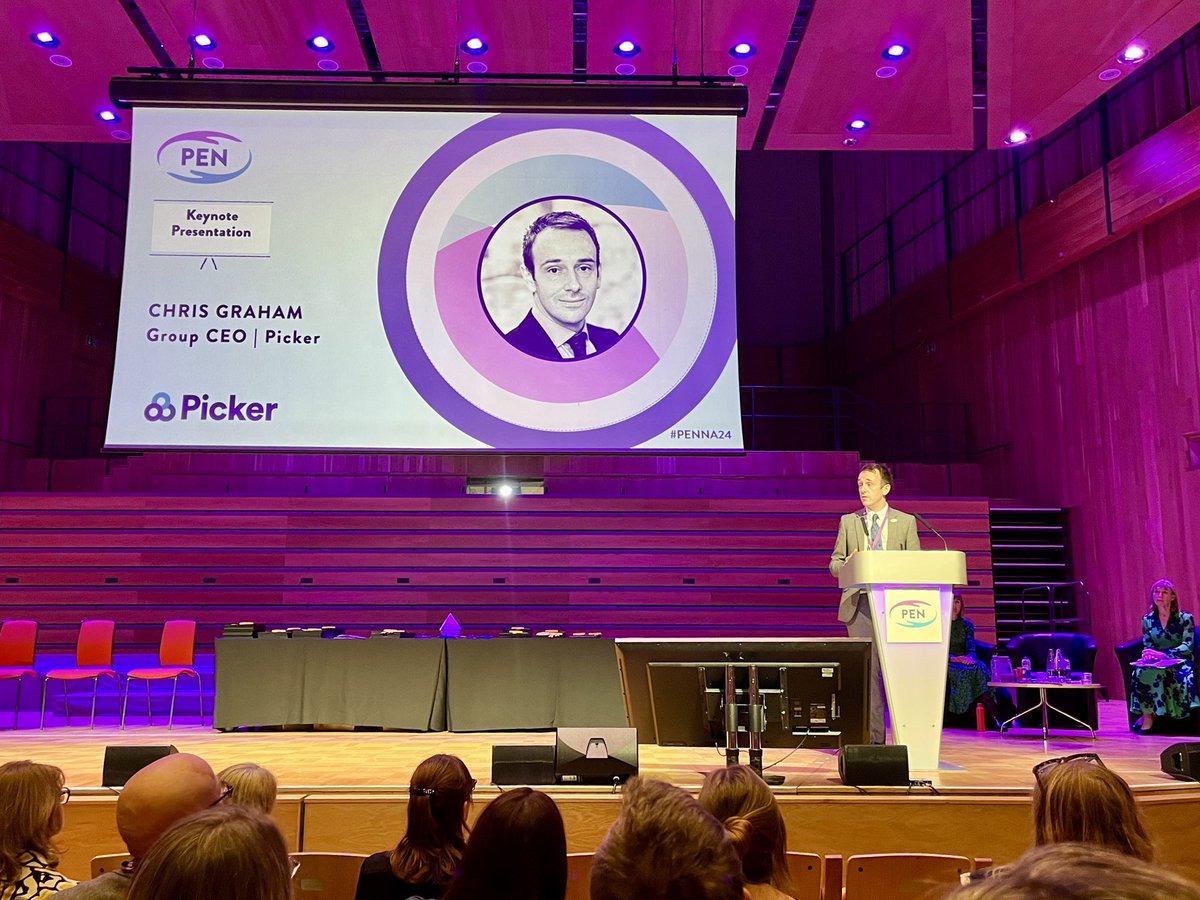
#PENNA24 keynote presentation @ChrisGrahamUK Group CEO of Picker on using insights for understanding and improving person centred care. Nicely articulated why roles like mine increasingly span both insights and patient experience! @CAlexanderNHS@shanedegaris@PEN_NEWS
@ChrisGrahamUK@alf_collins It's difficult for a 'true partnership' to be achieved, when the power dynamics between #clinician and #patient are so unequal. I'm not sure the power imbalance will ever change. Whilst it remains so, 'self-determination' and 'patient involvement' will be 'gifts kindly bestowed.'
@Lesley5856@alf_collins@PSCommissioner@rachelpower222 Miranda Fricker's book "Epistemic Injustice" is the seminal text, and I like Havi Carel's "Illness" - but for a shorter introduction in the context of health and coproduction, this blog by @itsmyamygdala is good: https://t.co/QZLZn7XMZy
@alf_collins@PSCommissioner@rachelpower222 Agree - I particularly like Havi Carel's book Illness, which combines philosophy and lived experience in addressing this. Pity 'epistemic injustice' isn't very plain English!
Great piece from @acpatient @tessajlrichards @ceineken:
"Patients ... are saying it loud and clear—we want full interactive access to our medical records through well designed apps or portals that we can use to inform our decisions and manage our care."
https://t.co/yevNvVDpOM
"Patient feedback should be welcomed for the insights it can offer into the quality and safety of healthcare, particularly when it comes to staff blind spots or failings in institutional culture."
@jamesfm55@careopinion on the value of patient feedback
https://t.co/BCgi1kpDdR
@TheKingsFund@mancunianmedic@BeccyA I would urge caution in interpreting the 'overall' question. The change in survey methods doesn't just make comparisons difficult - differences on other Qs suggest that any comparison to previous data may be completely unreliable. And the result in isolation is not great.
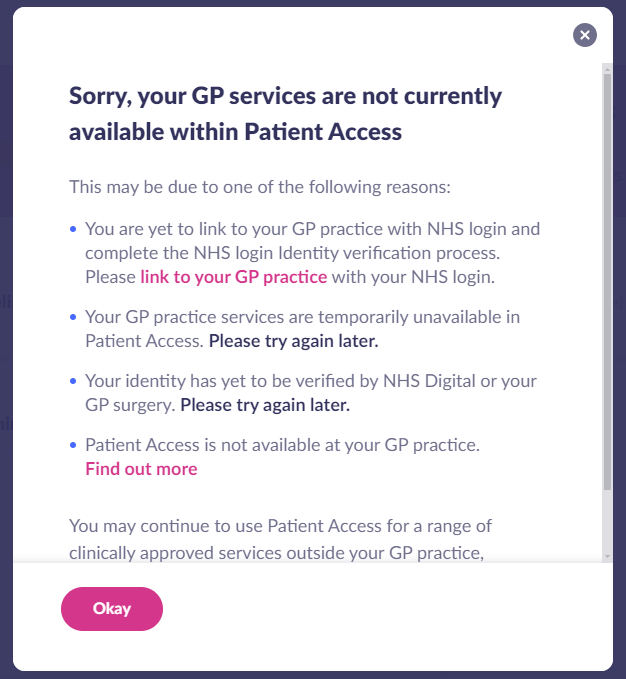
Maybe this is a petty example but it's typical of the lack of thought for UX in NHS online services. Not only does it fail to respect users' time, but it prevents services from benefiting from digital platforms. A wasted opportunity.
I would prefer to be able to book GP appointments online: it's how I interact with just about every other service I ever deal with. But If I absolutely have to call or visit in person, why can't the site just say that instead of offering four dead ends?