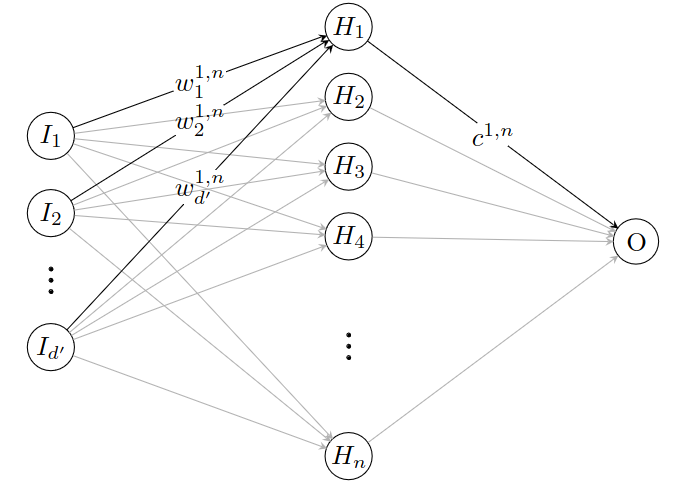
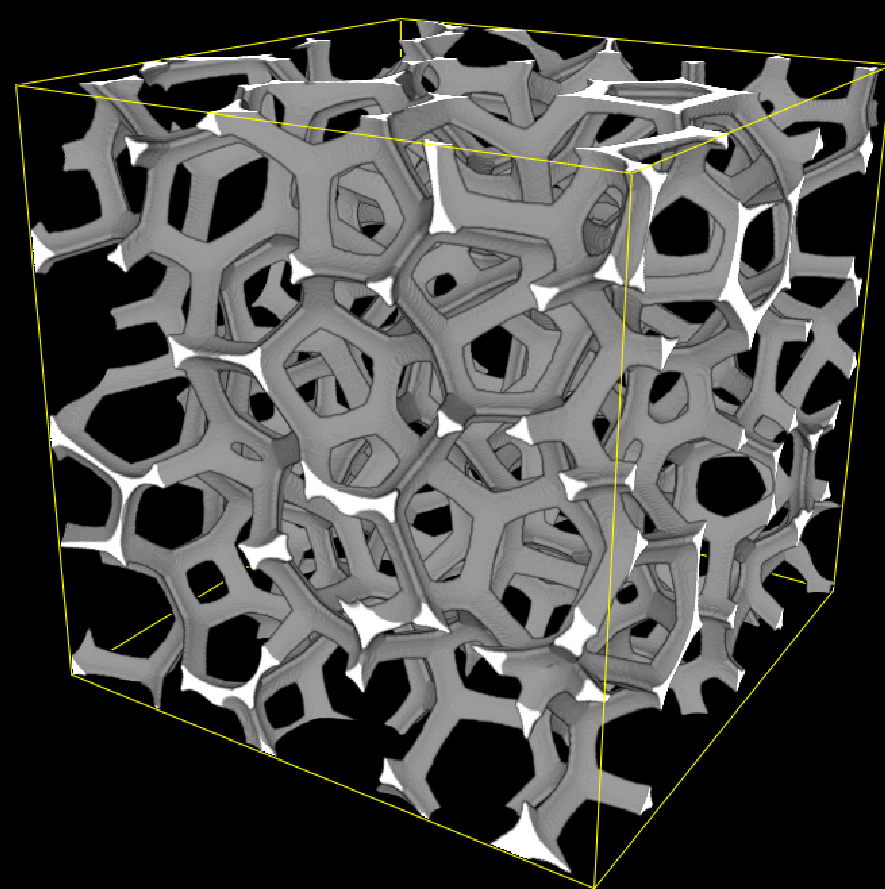
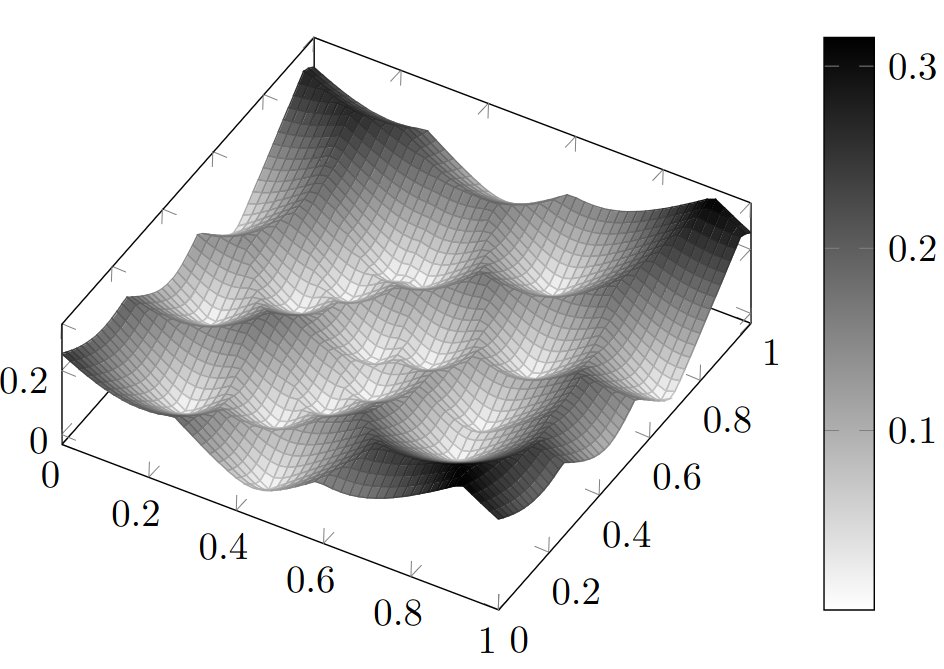
What is the most likely reason that SGD-trained neural networks behave differently than expected? With D. Willhalm, we offer an explanation for large 1-layer artificial neural networks based on the theory of large deviations: https://t.co/OAPYdQ7kKJ
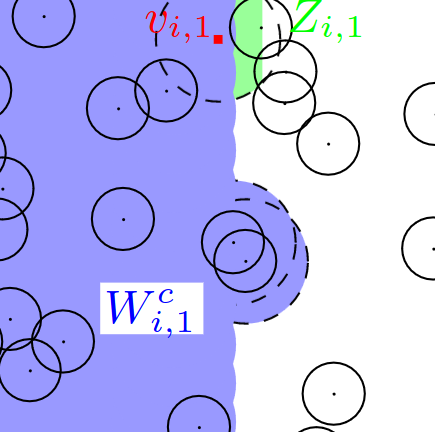
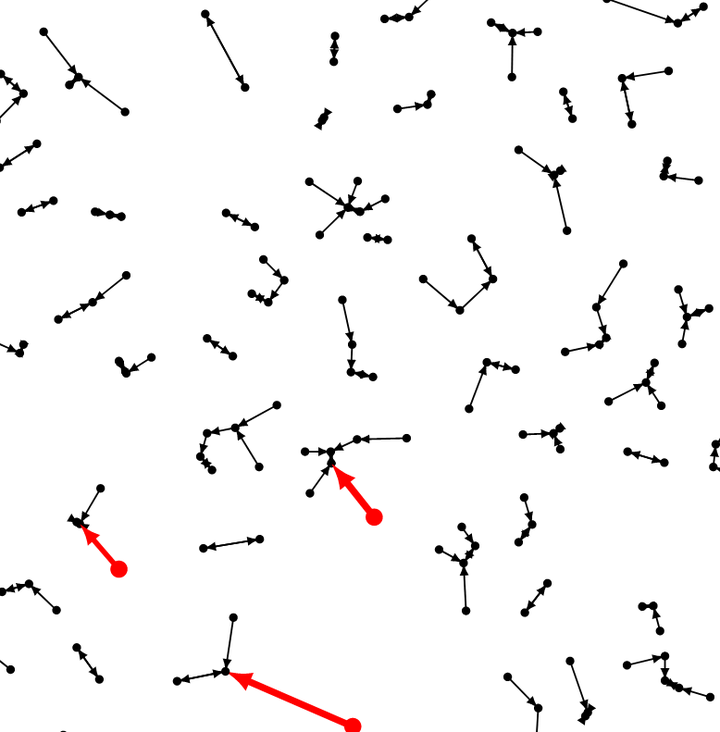
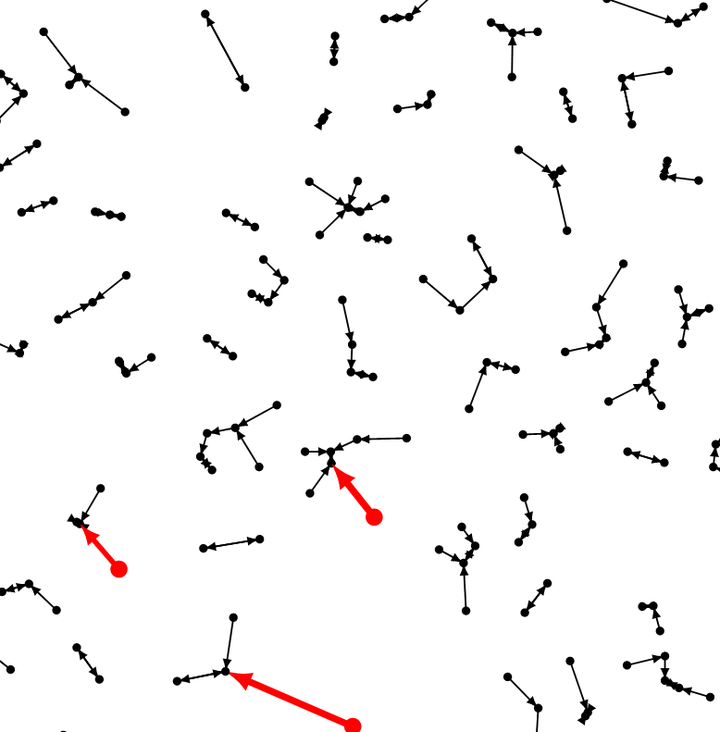
The weighted random connection graph is an elegant model of complex networks. How does it behave in rare isolation events? In a preprint with B. Jahnel, S. Jhawar, and P. Juhasz we explain that the left tail of the weight distributions is decisive: https://t.co/Cx1Pp0migF
Is the sample size large enough for a test statistic to be approximately normal? The cumulant method allows to quantify the approximation error. With N. Heerten and M. Otto, we illustrate how to apply this method for complex network models: https://t.co/5r7d2MxBdB
What are the reasons that the isoperimetric profile in supercritical percolation is exceptionally large or exceptionally small? In a preprint with K. Nam, we identify different strategies leading tot multiple phase transitions https://t.co/exHSiRPOz6
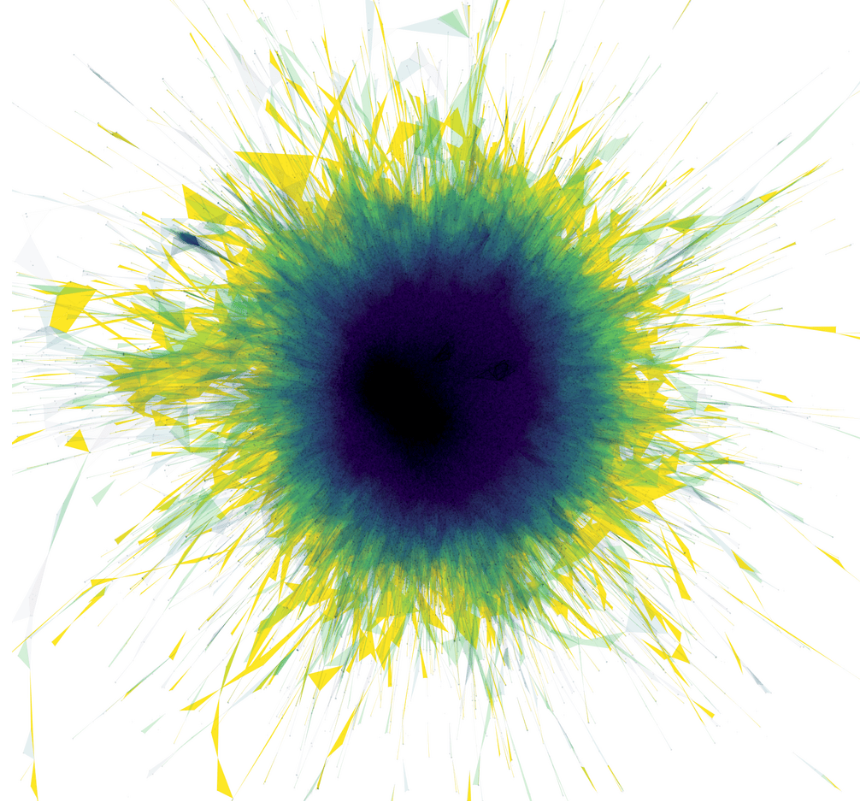
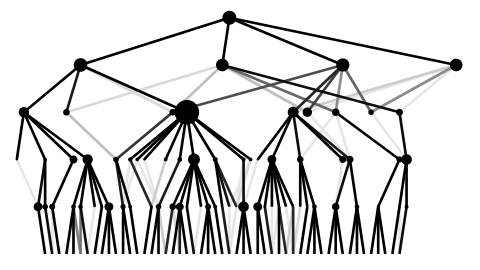
How to model preferential attachment networks involving higher-order structures? In our paper with P. Juhasz, we explain how to extend the age-dependent random connection model to a higher-order network. We discuss applications to real data from arxiv: https://t.co/iYgBcX851m
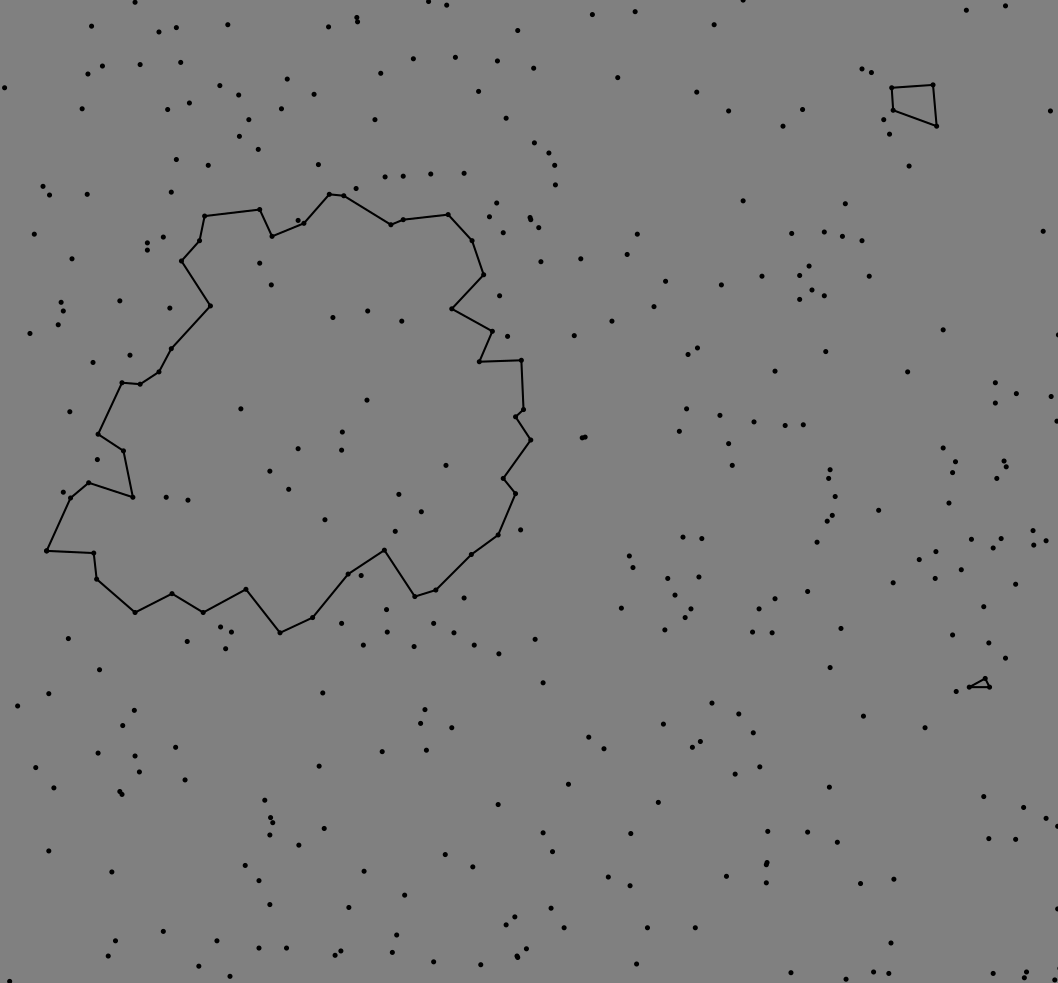
How to derive hypothesis tests in topological data analysis based on Betti numbers? So far this has been possible for complete spatial randomness. With A.M. Svane and M. Otto we use disagreement percolation to extend the CLTs to Gibbs processes: https://t.co/DJg1eY09qr
Congratulations to Martina Petráková @CharlesUniPRG for being awarded a visit grant from @DataScienceDKfor a research stay at @NatSci_AU! Looking forward to joint research projects on topological data analysis in materials science.#danishdatascience
Excited to be on the way to Aalborg to visit my very first ``Nordic Congress of Mathematicians''. Together with Daniel Valesin and Stein Bethuelsen, I am organizing a session on ``Stochastic processes on random networks.''
Today is the start of the "Danish-Swedish summer school on TDA and spatial statistics" with over 30 participants from 8 different countries. Thanks to @DataScienceDK #GrowingDanishDataScience and @Carlsbergfondet for supporting this event!
Thrilled to be on my way to @Uni_Stuttgart . It is an honor and pleasure to speak in the " Kolloquium am Fachbereich Mathematik". The topic is "Statistical foundations of topological data analysis". Looking forward to inspiring discussions!
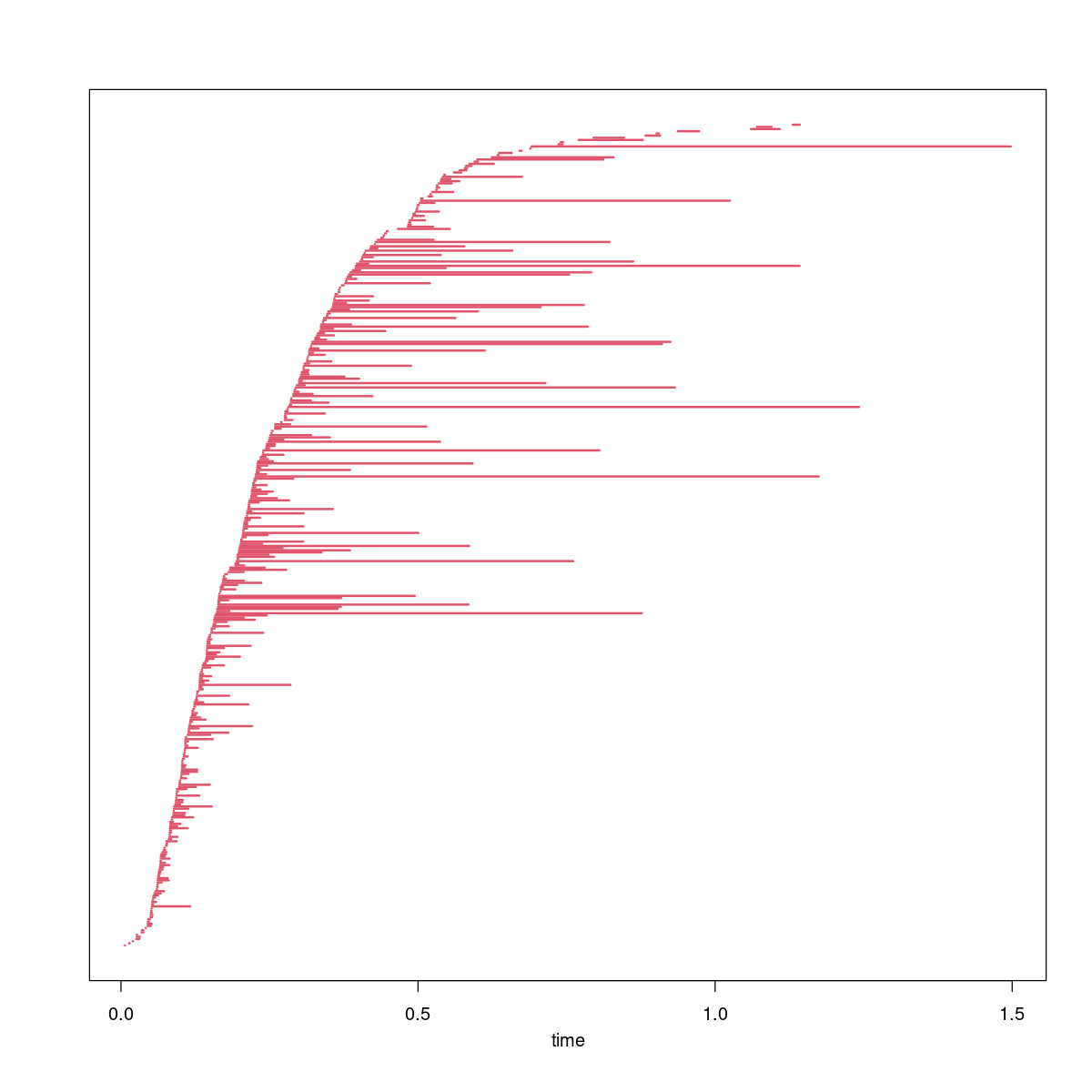
What is the most likely reason that for observing a Betti number much smaller than you expected? With D. Willhalm, we answer this question in the sparse regime via large deviation theory: https://t.co/fKBhW9N70B
What is the probability of seeing a large number of large nearest neighbor balls in hyperbolic space? In a new preprint with M. Otto, T. Owada, and C. Thäle, we tackle this problem via a large deviation principle https://t.co/jvsr3UhYlN.
Congratulations to Nils Heerten from @ruhrunibochum for being awarded a grant from @DataScienceDK for a research visit at @NatSci_AU! I am already looking forward to joint research projects on topological data analysis of collaboration networks.#danishdatascience
What an inspiring #mfo workshop on "
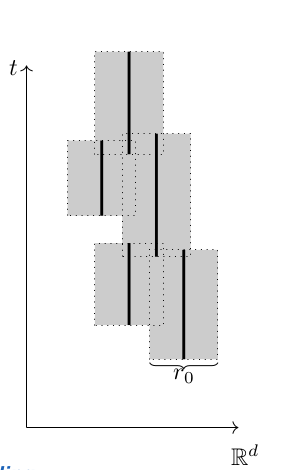
Stochastic Reinforcement Processes and Graphs" in tandem with @MATRIX_Inst! I will present on "Extremal linkage networks" based on joint work with Markus Heydenreich.
Excited to be on my way to University of Osnabrück for the " BOS-Workshop on Stochastic Geometry". I will present joint work with M. Otto and A. M. Svane on "Normal approximation of Gibbsian functionals via disagreement couplings". Looking forward to inspiring discussions!
How to describe the topology of high-dimensional datasets? With G. Bonnet, D. Rosen, and D. Willhalm, we show that in the sparse regime only a small family of motives is responsible for the large-scale topological structure. https://t.co/ap7pbLevrS
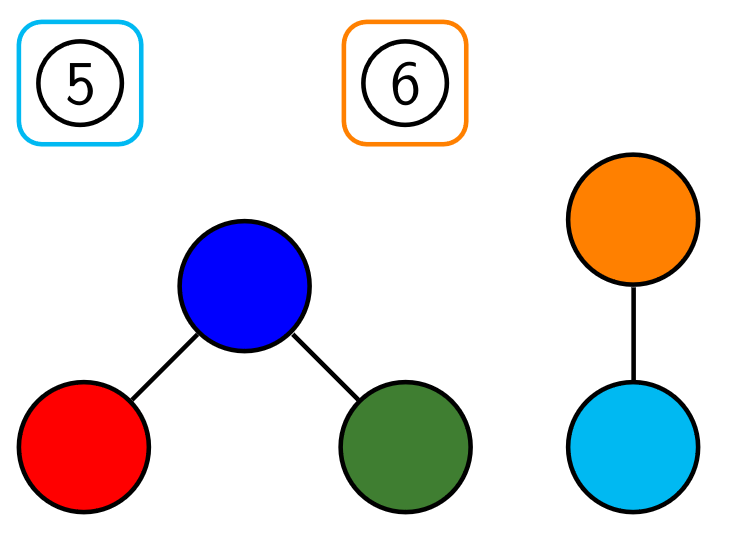
Percolation theory is a basic tool for analyzing networks with binary relations. In reality, we need to understand also higher-order interactions. With Daniel Valesin, we propose face and cycle percolation as extensions to simplicial complexes https://t.co/VwlYxw25aI
Thrilled and honored to be keynote speaker at the @UiB workshop on "Sharing of teaching and learning in Statistics and Data science". I'm looking forward to an exciting day with inspiring discussions!