@Mr_Tennis_Coach Fascinating - in my research into Table Tennis Players, arguably the GOAT, had a table at home and an older brother. They went to a club twice a week initially but played everyday at home, just lots of games with different bats. Fascinating stuff.
Most highly skilled athletes spent a lot of time playing in unstructured environments.
In these environments there is a playfulness present . The players aren't afraid to take risks & explore different solutions.
We need to find ways to channel this during practice too
Padel and pickleball seem to be taking off in popularity. One of the key reasons cited is the simplicity of being able to play a game quickly with minimal 'coaching' using lighter equipment, under arm serves etc. Isn't this just a great example of task simplification?
Really enjoyed reading this article on the development of cricket players. So many take home messages that's so applicable to table tennis https://t.co/Mcx43ahTx6
Sign up for my free resource on developing skill in Table Tennis. The resource mainly focuses on the Constraints Led Approach which is where task, environmental or individual factors can shape movement and movement patterns in a more implicit way https://t.co/DDy5JmpuEh
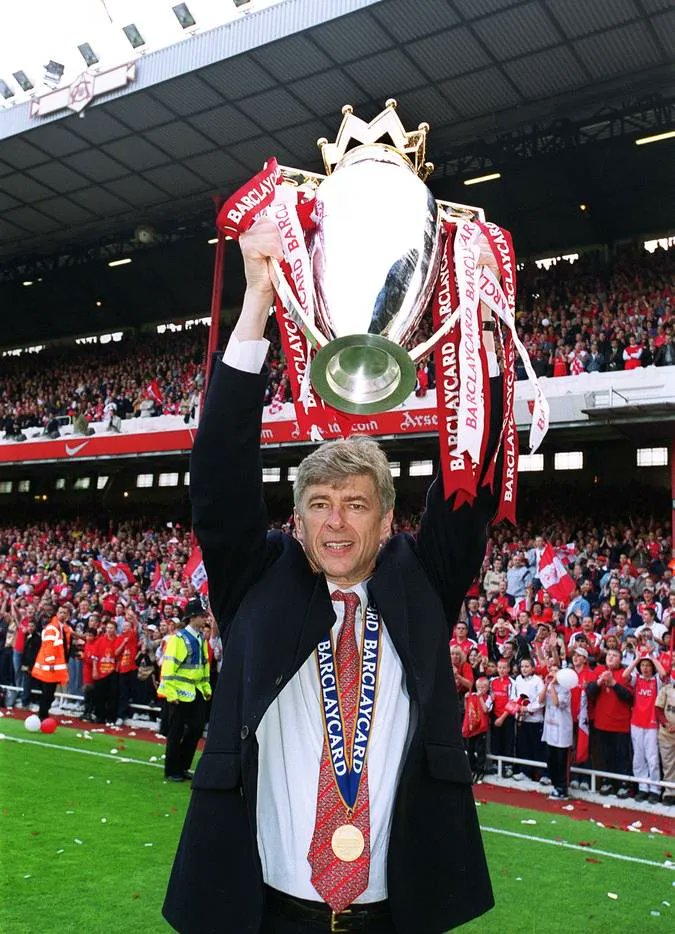
Loved this from the legendary Arsene Wenger. Really captures the importance of having to make decisions in practice tasks 🔥
“No, no, I would say it's quality of education. What has dropped in recent generations is that of course park football has disappeared and now the trend in some academies is to recreate again what happened before. The game itself is a good coach.
“Why? Because, if I play in the park, I have to make decisions. If I’m shrewd enough to think why did that not come off, and have a right assessment, the next time I am in the same situation I am correct. We have lost that a little bit. And maybe today we are overcoaching a little bit sometimes, and we lose a bit that freedom, that creativity, that individual personalised training that happened before.”
Arsene Wenger
(@MiguelDelaney)
https://t.co/4sKHe7YFZl
The fascinating case study of a youth football club from a small town in Norway where Erling Haaland played - Are there ideas for table tennis clubs/organisations? https://t.co/aNra303i2j
Coaches can use constraint manipulations to create practice activities that help athletes learn and develop their skills more effectively.
By changing the rules, equipment, or space in which athletes play, coaches can make practice activities more like the real game.
The role of a coach can be viewed as a learning environment designer.
They should create information-rich surroundings, encourage exploration by manipulating constraints, and ask athletes questions rather than giving orders.
For those that know me know I'm passionate about sports coaching; table tennis in particular and how to effective develop skill. Along with my own reading and the experiences I've had I'm now sharing practical applicationsthrough this site. https://t.co/DDy5JmpuEh
@Mr_Tennis_Coach The Power of Moments - how to elevate the experience, show pride, stretch for insight and build connections. Certainly helped in designing experiences for young people
SportsAid provided me with so much support not only financially but also with workshops i.e. the importance of sleep and healthy eating, coping with lockdowns and mentoring. Please support SportsAid Week if you can. Thank you.
Photo op from the 3rd and final school (@StaveleyJuniors) table tennis lesson, sponsored from my @Derbyshirecc community fund in association with @TableTennisENG & #Speedwell TT club. It's been lovely to meet these great kids & watch them thrive in the sport.