"There are so many of us whose lives are not prioritized by archives and collections spaces and this lack of priority is evident when examining how poorly we are archived/collected by these same institutions that won’t even hire us." — Fellow Wit López
https://t.co/FWZvlCluCN
Who gets a say in a Black woman’s embodied politics?
Now on the @ChronResistance blog from activist-curator fellow Germaine Ingram: https://t.co/EmPEuoJeL2
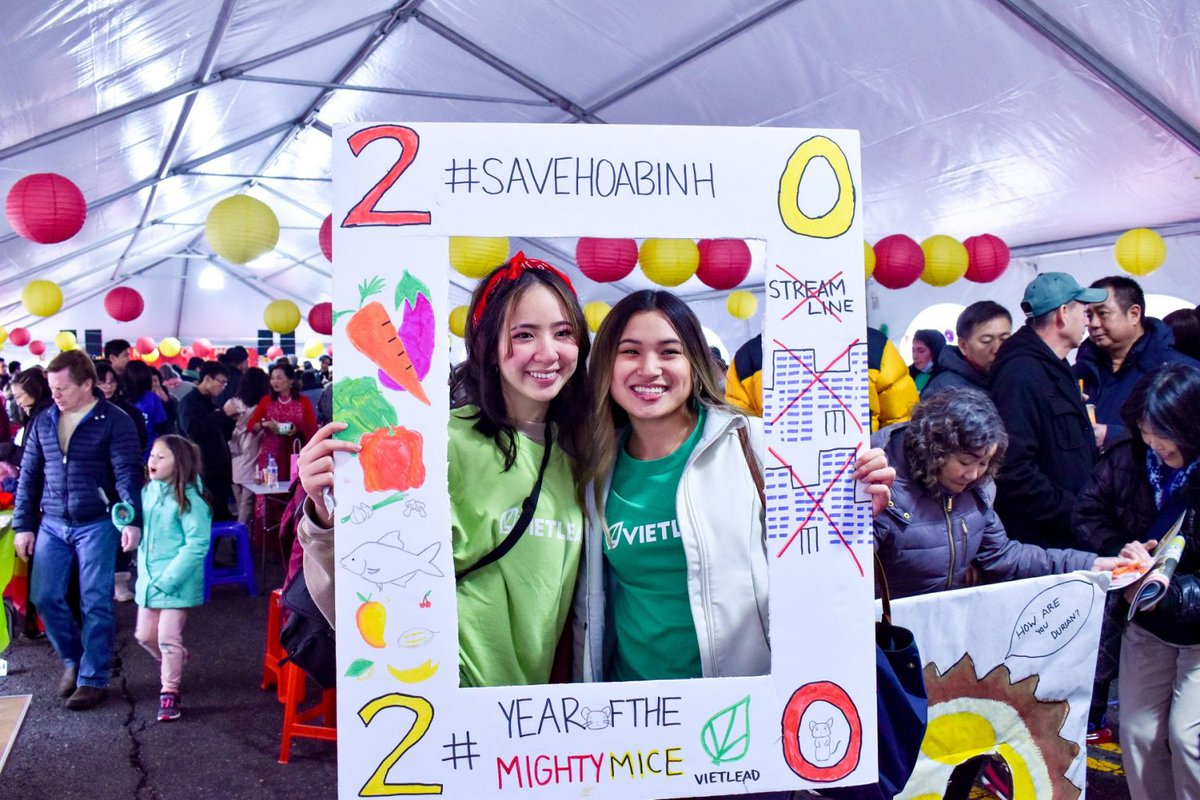
The stories and voices of our community are the strongest weapon against gentrification, but what happens when those stories are erased? Can archives and community storytelling be a tool of organizing against it? Read more from Fellow Lan Dinh.
https://t.co/z9BAarMQ4d
Throughlines, threads, and the weaving of stories from conversations with other Fellows, this month Fellow Katherine Antarikso reflects on the topics of migration, citizenship for African Americans, and solidarity.
Read more from Katherine below:
https://t.co/RKVTrPRMqg
This month, Fellow Malkia Okech reflects on Philadelphia abolitionist, William Still, who operated as an agent for the Underground Railroad in the pursuit of freeing the enslaved and ending the industry of enslavement.
Read more below.
https://t.co/9FghhfiEN0
"When I’m asked, 'What’s guiding you through this research process?' the answer is love. Self-love, first and foremost, and love for those I am in community with." Meet Activist-Curator Fellow, Wit López.
https://t.co/hpfb1pJafc
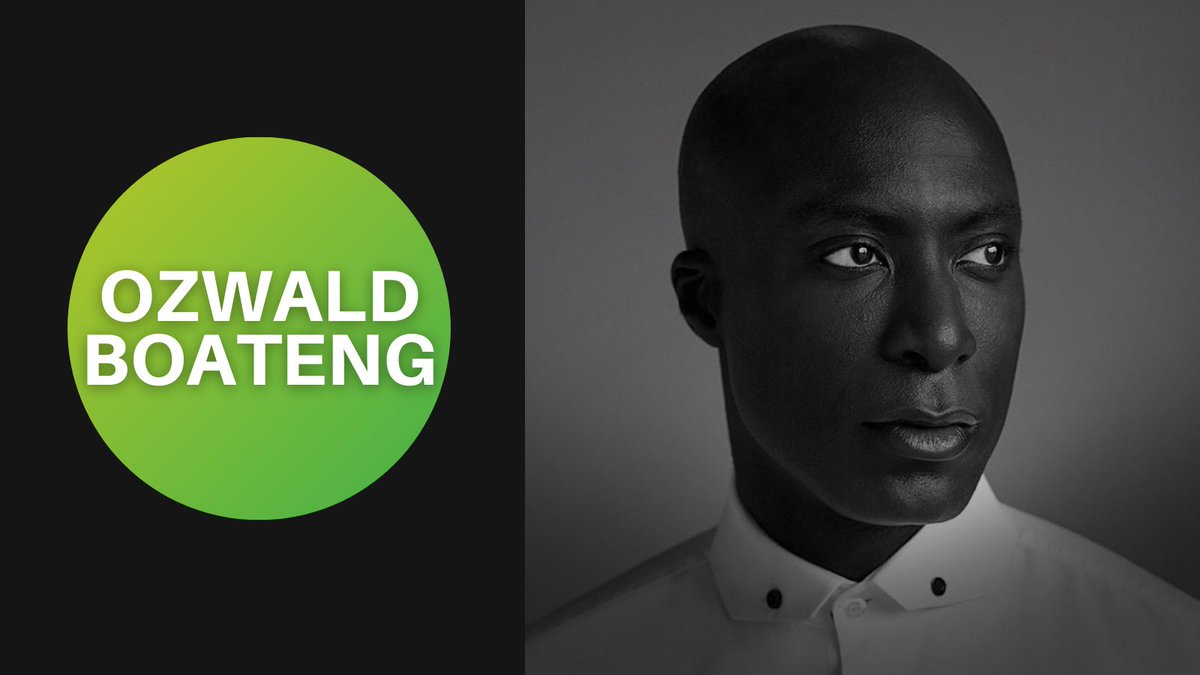
What are you reading/watching this weekend? We're going to take advantage of our Hoopla account and watch A Man's Story, the doc about Ozwald Boateng. He was the 1st Black tailor (and the youngest at 28) to open a shop on Savile Row. https://t.co/bl9iOI0rUs #BlackHistoryEveryday
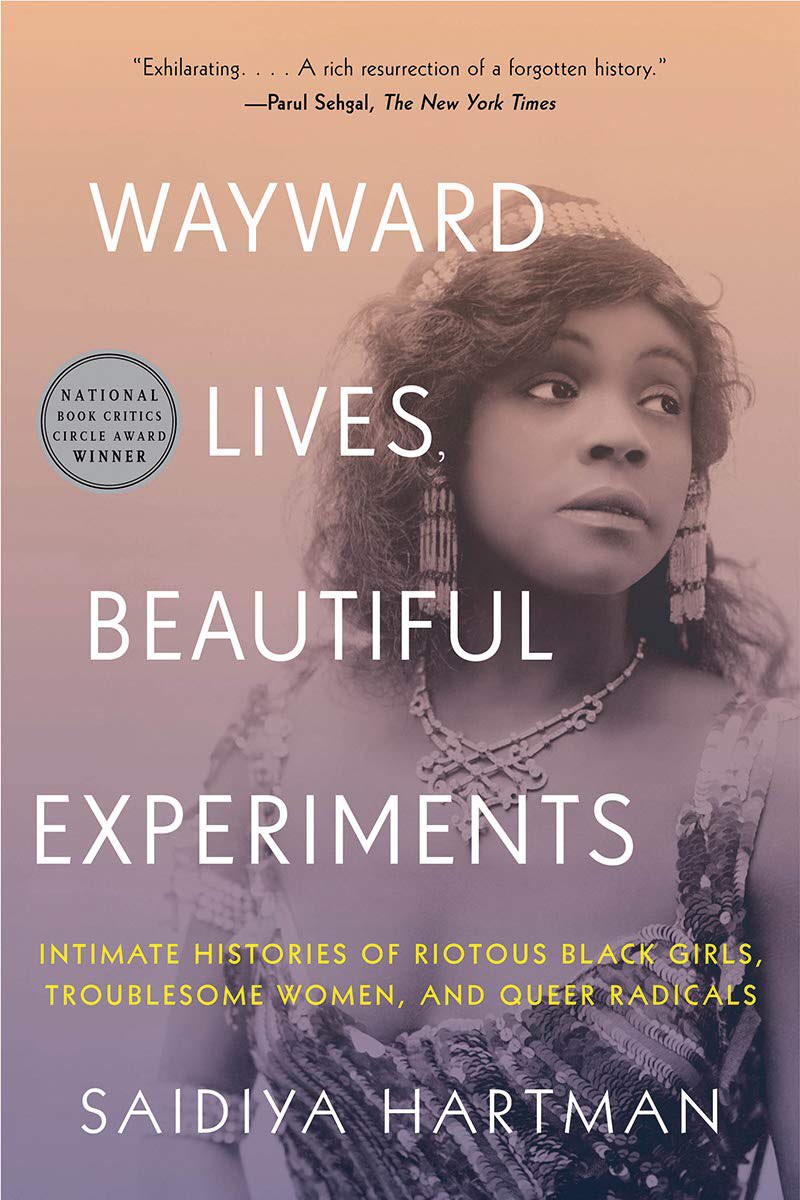
“…promiscuous, reckless, wild and wayward…”
This month, Fellow Germaine Ingram draws on Saidiya Hartman’s book, Wayward Lives, Beautiful Experiments, hoping to connect Louise as an example of an “open rebellion” against “new forms of servitude.”
https://t.co/feyXIwjgeB
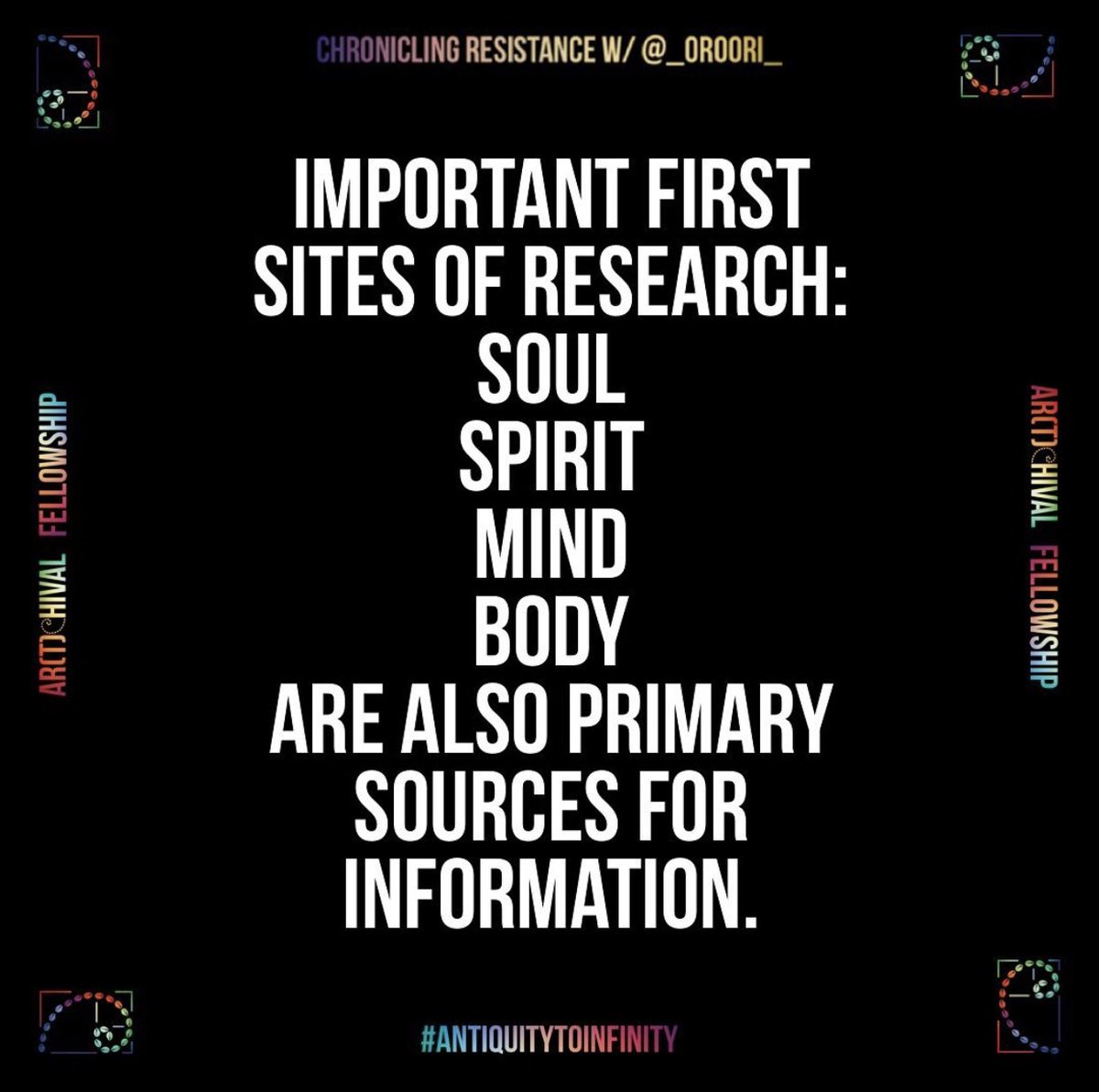
“You and I are
Both the researcher
and the archive.
Webs of innanets,
your conversations
meditations and memories too
are essential to the accuracy
of historical accounts.
You are better sources of information...”
Meet Fellow Charlyn Griffith-Oro.
https://t.co/1QkHUcB1c6
"Land has always been political and personal to Vietnamese people. Although there has been trauma from oppressive denial of land, chemical warfare and displacement, it has also served as a source of resilience..." Meet Lan Dinh, Activist-Curator Fellow.
https://t.co/RA4Q15uFji
"Land has always been political and personal to Vietnamese people. Although there has been trauma from oppressive denial of land, chemical warfare and displacement, it has also served as a source of resilience..." Meet Lan Dinh, Activist-Curator Fellow.
https://t.co/RA4Q15uFji
"Our food work combats cultural erasure through revitalizing memory and validating the experiences of black folks." Meet Khaliah Pitts & Nia Minard, Activist-Curator Fellows.
https://t.co/9Pv4pqAyXL
Fellow muthi reed is making an archive for rememory—calling upon the long memory of place and people in epic conversation with the ugliness and inhumanity of a city and national politic surviving on anti-Blackness, Native genocide, and violence.
https://t.co/IduvmE9NQA
Fellow muthi reed is making an archive for rememory—calling upon the long memory of place and people in epic conversation with the ugliness and inhumanity of a city and national politic surviving on anti-Blackness, Native genocide, and violence.
https://t.co/IduvmE9NQA
"Witnessing a demagogue come into power in the 2016 elections shocked me into activism, and I wanted to know what we could learn from previous acts of resistance in Philly." Meet Katherine Sarwopeni Antarikso, @ChronResistance Activist-Curator Fellow. https://t.co/Nxwn1znOZI
Who gets to be a citizen in America? How do you tell the story of people who have been erased? How can we learn from previous acts of resistance by immigrant communities? Read more about the research into migrant stories from Fellow Katherine Antarikso.
https://t.co/QDsdT9z67e
I did a lil reflecting!
“To make a case for Abolition in our current day and age, we need to establish its knowledge base and ground ourselves in this tradition. This requires the movement to root itself in (documented, in the case of archives) history.“
Uprisings, police brutality, and oppression, Activist-Curator Fellow, Malkia Okech, sought a vision of freedom with historical context and found Abolition as a solution. Read about Okech’s archival research into Philadelphia’s rich history of Abolition.
https://t.co/0KoeSfyi6X