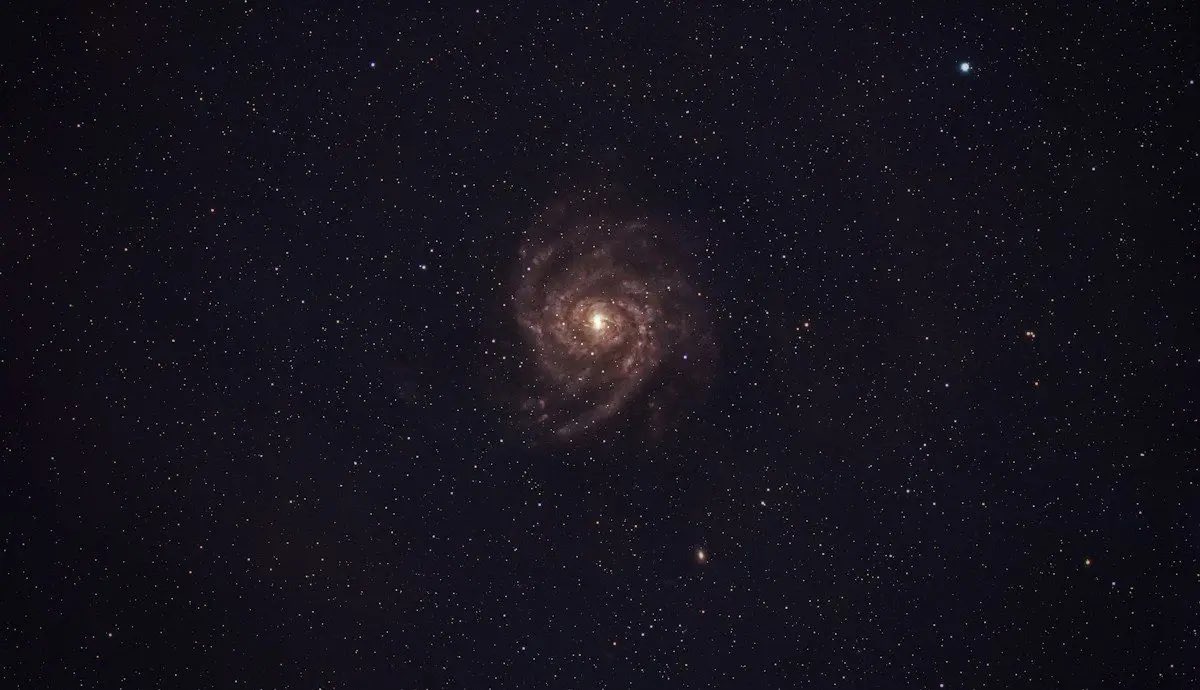
The Hubble Space Telescope captured a detailed image of NGC 6000, a barred spiral galaxy. It displays a yellow core of old stars and blue arms with young stars. Two supernovae, SN 2007ch and SN 2010as, occurred in this galaxy.
🪐 In Interstellar, the black hole Gargantua wasn’t just movie magic — it was a scientific simulation based on Einstein’s equations. Each frame took up to 100 hours to render, resulting in one of the most realistic black holes ever created.
The James Webb Space Telescope captured a star-forming region in the Triangulum galaxy. New Webb results show that galaxies can suddenly “pause” their star formation, even in the very early universe.
#JamesWebb#JWST#TriangulumGalaxy#StarFormation#Astronomy
NASA has launched the SPHEREx telescope 🔭
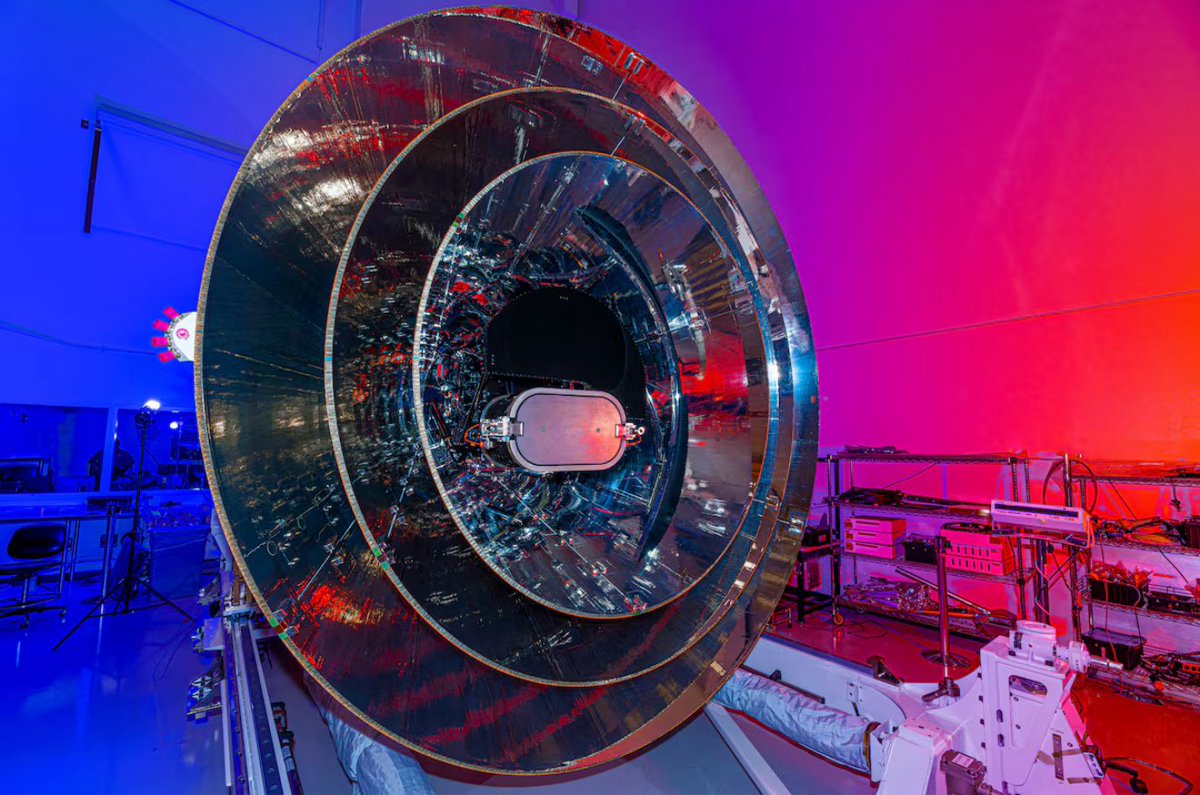
This compact infrared telescope will create a 3D map of the sky in 2 years, study more than 450 million galaxies, and help uncover the mysteries of the early universe as well as the origins of water and organics in our Galaxy.
#NASA
🔭 The first images from the Vera C. Rubin Observatory are stunning!
Over 10 years, the LSST will collect data on billions of objects, uncovering the mysteries of dark matter, galactic collisions, and the evolution of the Universe.
#Astronomy#Space#RubinObservatory#LSST
@Modemitv The first scientific data will arrive right away but need calibration. Interim releases are expected 6–12 months after observations begin, and the complete 3D map with full data catalog will be available at the end of the mission (about 2–3 years after launch).
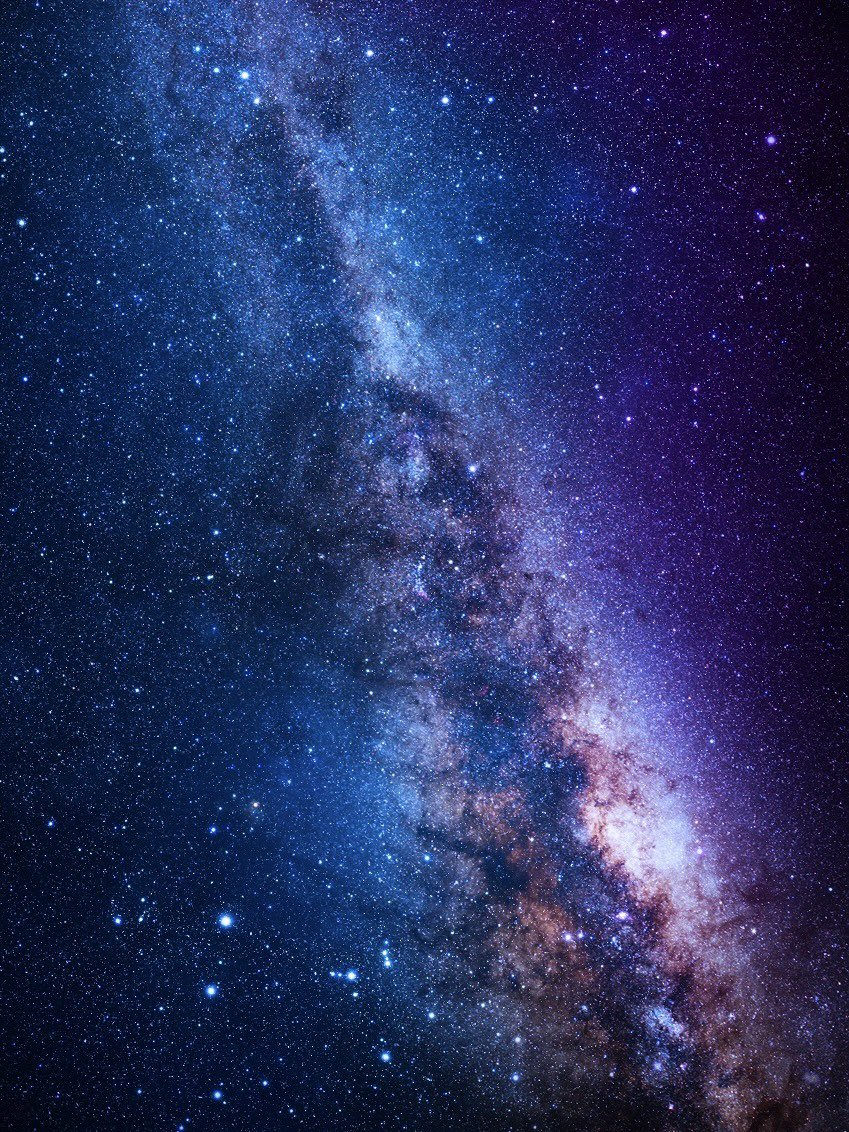
Astronomers have detected a strange event in the Milky Way 🌌
Thousands of stars shifted as if lifted by a giant wave. Scientists suggest it may have been caused by a passing dwarf Galaxy, a clump of dark matter, or internal oscillations of the disk. The mystery remains unsolved.
Tell me, how does your heart sound?
How much terrifying closeness and frozen moments dwell within it.
Tell me, how does your silence sound?
That deafening silence in which one can hear oneself.
Tell me
Complex organic molecules have been detected in the water plumes from the south pole of Saturn’s moon Enceladus 🌙
This increases the chances that its subsurface salty ocean may host conditions suitable for life 🔬
A new distance record — the galaxy MoM-z14 ✨
The JWST telescope has discovered the most distant galaxy ever observed — MoM-z14. The light we see today left it just 280 million years after the Big Bang.
Tell me, how does your purity sound
that crystal clarity which transforms all the space around?
Tell me, how do your thoughts sound
how many subtle overtones and shades of meaning, bordering on genius, lie within them?
Tell me
A black hole, RACS J0320-35, existing about 920 million years after the Big Bang, is growing at 2.4 times the Eddington limit. This challenges current models of supermassive black hole formation.
Tell me, how does your depth sound?
How much power and how many underwater currents are there.
Tell me, how does your beauty sound?
With a soul-freezing warmth, or with a terrifying darkness that illuminates the unexplored and forgotten parts of oneself.
Hubble has presented the mysterious galaxy NGC 2775, located in the constellation Cancer about 67 million light-years away. The galaxy’s center looks like an “emptiness,” as if part of its structure had peeled away, while around it lie dusty rings and star clusters.
#galaxy 🌌