CIL Dialogues is now accepting submissions. We welcome submissions and symposia suggestions on any topic of international law, particularly those relating to the Asia Pacific. Please refer to our guidelines and form at https://t.co/ekvpqOvH7x
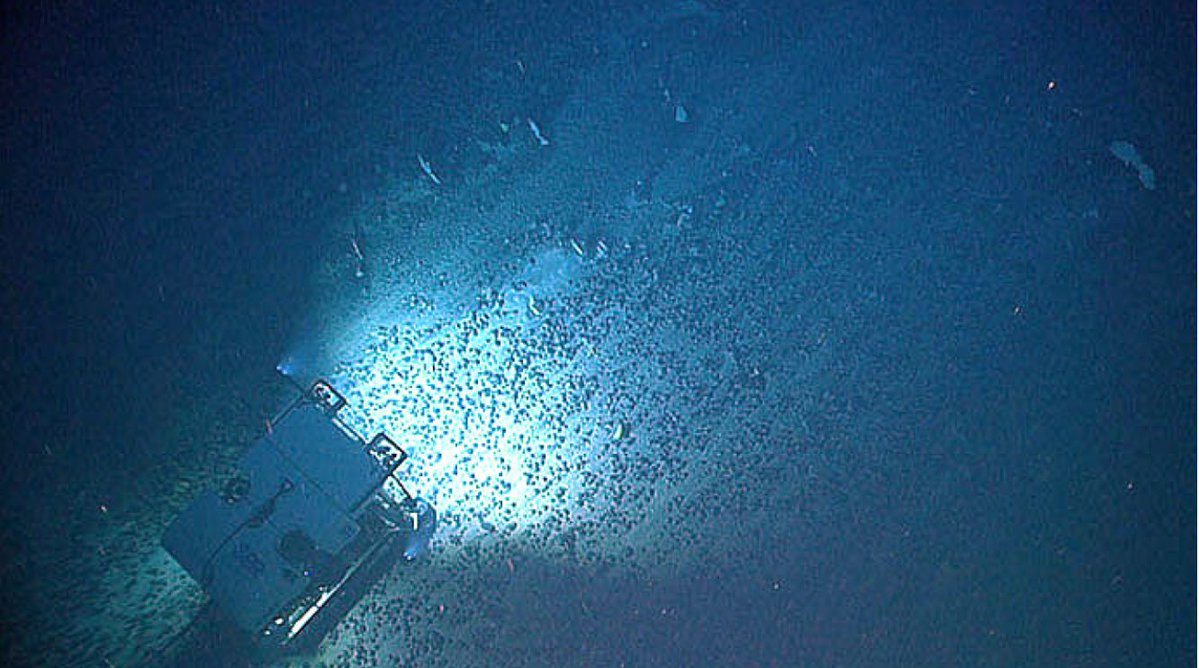
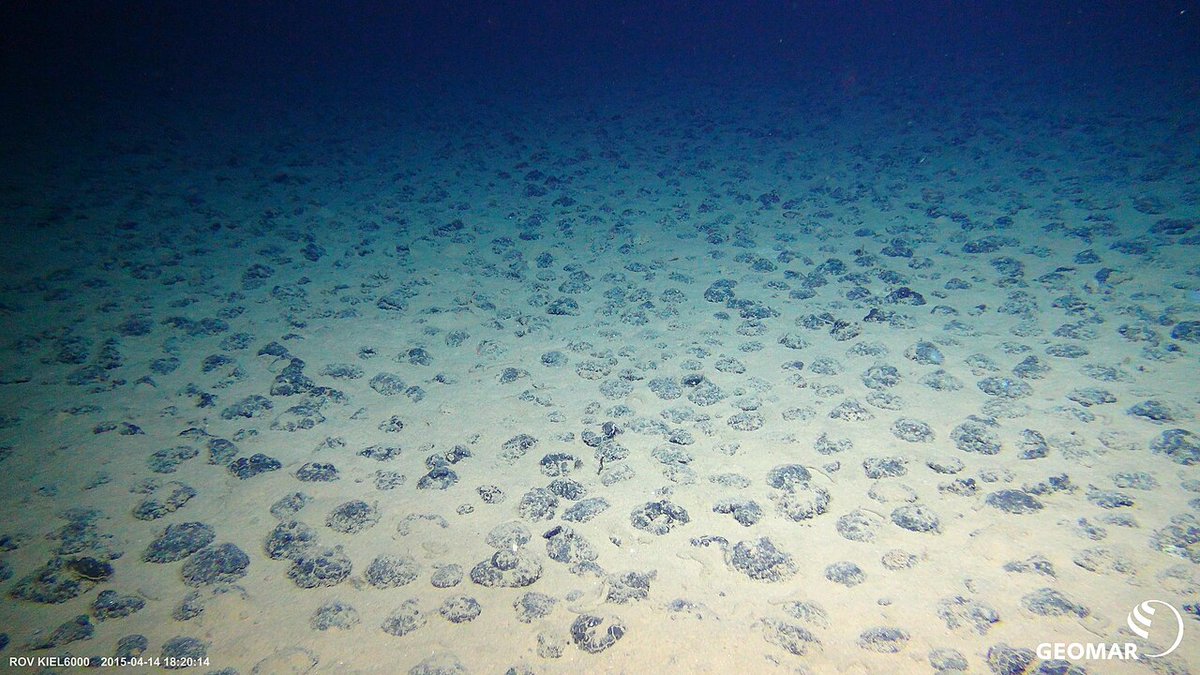
A new U.S. deep-sea mining application tests the limits of the UNCLOS system. This intervention explores how activities outside the ISA framework signal growing strain on multilateral governance of the Area. https://t.co/jq7szBy8Mn
The case of The Gambia v. Myanmar before the ICJ represents a landmark opportunity for the doctrine of jus cogens. https://t.co/nKkfEuoPjd
@diego_uribeb
Blog by @dliliansa | The torpedoing of IRIS Dena ~40nm off Sri Lanka is a stark reminder: naval hostilities may occur within the 200nm EEZ, making spillover into neutral EEZs a foreseeable reality. Is it time for Southeast Asia to voice its position? https://t.co/nlobjYplCN
The WTO Belongs to the Future — But How Do We Get There? 🌐From climate to AI, modern trade is outpacing its rules. Prof Gabrielle Marceau & Jian Ling Teo explore alternative rulemaking paths to address the WTO consensus deadlock. Read here https://t.co/oXwk1OUcFn
Ahead of its 31st session, issues on equitable benefit sharing remain on the table for the International Seabed Authority. This post reviews mechanisms under Arts. 82 and 140(2) of UNCLOS, exploring how they can achieve equity as distributive justice. https://t.co/Q2K979fSi5
In this commentary, Alexandra Hofer argues that the US’s kidnapping of Venezuela’s and the weak responses from ‘the West’ expose how international law often masks power politics, now brought out in the open under President Trump. https://t.co/5qtVZChfzr
From unlawful force to credible threats, the line is thinning fast. Greenland and Taiwan expose how security talk and inevitability hollow out Article 2(4). International law was meant to stop this before force is used. https://t.co/zq97Ar6r5M
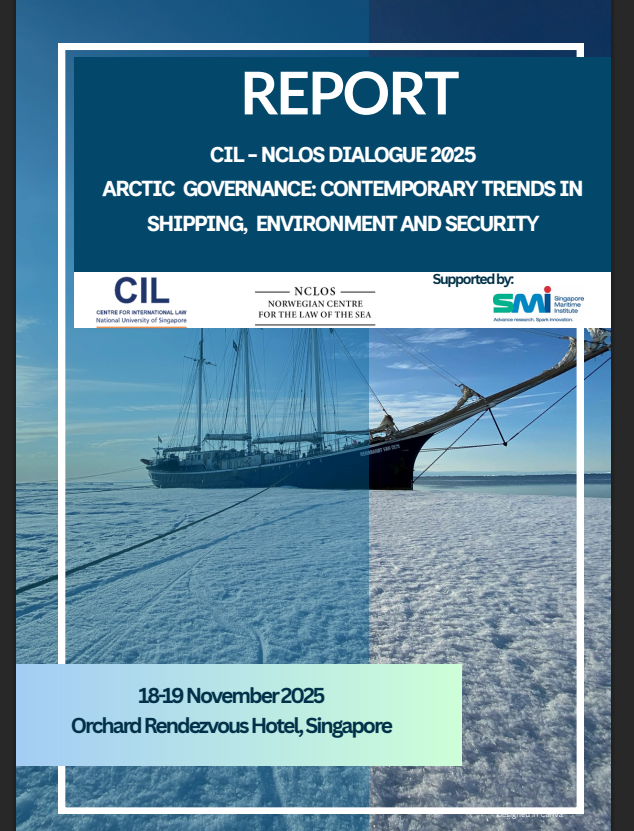
We are pleased to share that our report from our @NUS_CIL -@NCLOS_UiT Dialogue 2025 on “Arctic Governance: Contemporary Trends in Shipping, Environment, and Security” is now published.
Read the full report here: https://t.co/gy4wakJgMV
International law did not emerge from a single centre. This blog proposes a Silk Road methodology that rethinks international law as a product of transregional connectivity, cross-civilisational interaction, and long-term Eurasian legal histories. https://t.co/AtMFFydfOE
Prof. Anghie closes this symposium with a characteristically generous and careful engagement with all contributors, while offering his crucial diagnosis of the current moment, one characterized by the rise of nationalist and annexationist imperialism. https://t.co/ILyq338Eg5
“Empire always comes home – the question is not whether but how.” Prof. Pahuja grapples with the mounting corporate capture of US politics, highlighting the central role of corporation in imperial order-making which has now reached the imperial core. https://t.co/Zgr0P31a0o
A certain kind of hope seems to permeate and sustain Anghie's critical scholarship. Phil Saengkrai discusses what it is and where it comes from. He also suggests how this kind of hope can be nourished in our time of multiple crises. https://t.co/464BtsKr3A
#tragichope#TWAIL
How has Anghie’s book been received in China, a state with an ongoing self-understanding as a Third World country? Zhaoran LIN explains the complex picture of Chinese attitudes toward critical scholarship on the Third World, including TWAIL. https://t.co/pBDm2j2IeE
#TWAIL
Sahiba Maqbool examines how India’s use of sovereignty, succession, and self-determination in Kashmir reflects the colonial logic critiqued by Anghie, showing how international law can sustain postcolonial domination rather than dismantle it. https://t.co/ZQRb2REDZZ
Zeina Jallad examines how international law, far from offering protection, has entrenched structures of domination in Palestine. It challenges us to rethink sovereignty, justice, and the colonial logics embedded in legal frameworks. https://t.co/qTkDgywIwk
This symposium not only celebrates the 20th anniversary of ISMIL but builds on its indispensable insights to understand the current historical moment as a particular combination of continuity and rupture. https://t.co/6smEyMvlbc
#TWAIL#InternationalLaw#crisis
In this commentary, Liu Yulu discusses the development from UNEA resolution 5/14 to the current challenges hindering the adoption of a global plastic treaty, and what states can do to cross the finish line. https://t.co/eguA58pDgh
Joel Ong’s CIL blog examines gaps in IMO liability conventions for spills of emerging alternative fuels (e.g., methanol, ammonia) and sets out reform options and pathways forward. Read https://t.co/uIHc45ZJhp
Join us next Friday for a discussion with Professor Ryo Sahashi (@ryo384_ir) and USALI’s Bruce Aronson on U.S.-China competition and its global implications. This event is co-sponsored by @Columbia_APEC.
https://t.co/HCitMnVT1D