🚨 New Paper Alert! 🚨 Microbiome and floral associations of a wild bee using biodiversity survey collections @sanrehan@CindyPNguyen@evolkate https://t.co/DbOCeVFtRQ
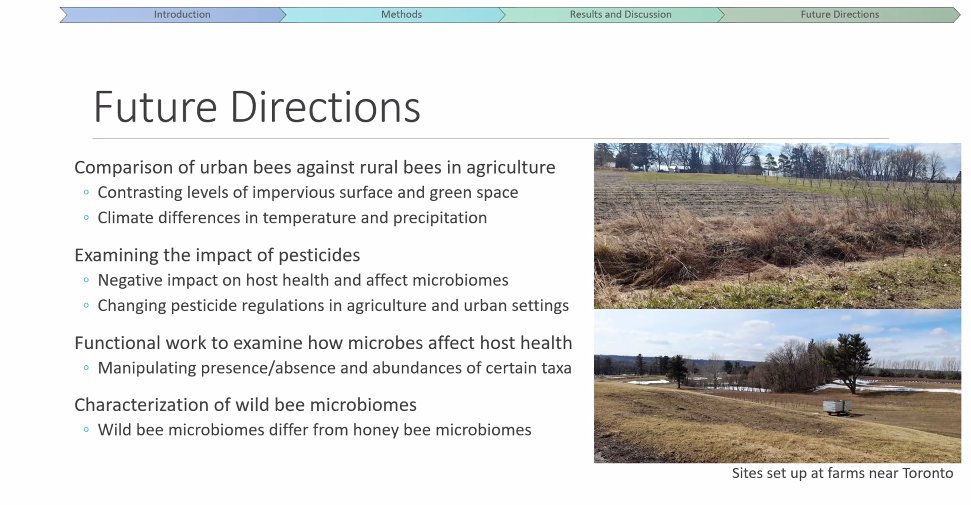
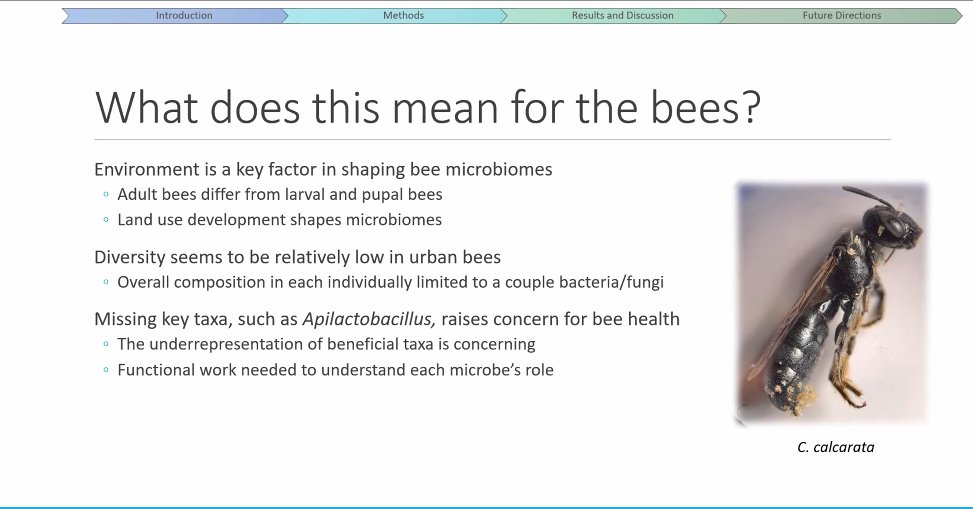
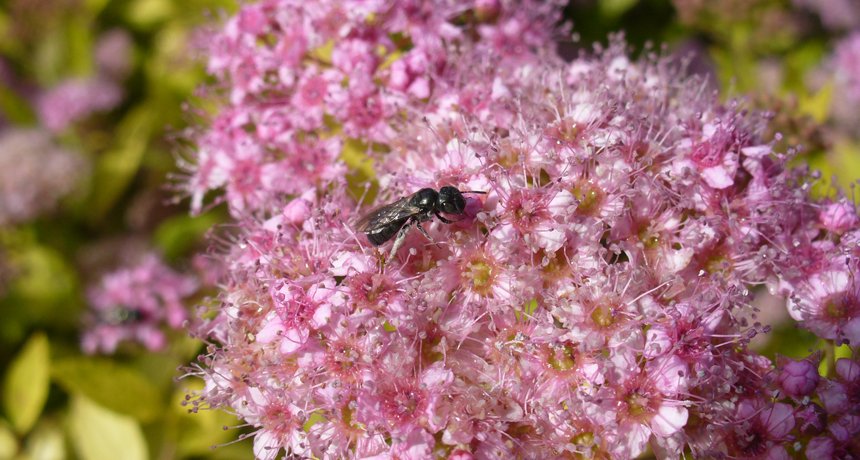
New study examining the bacterial, fungal, and plant compositions of the small carpenter bee, Ceratina calcarata, and its pollen provisions across an urban-rural divide. Curious? Dive into the study here https://t.co/E3bXaUOHnu
@sanrehan@CindyPNguyen
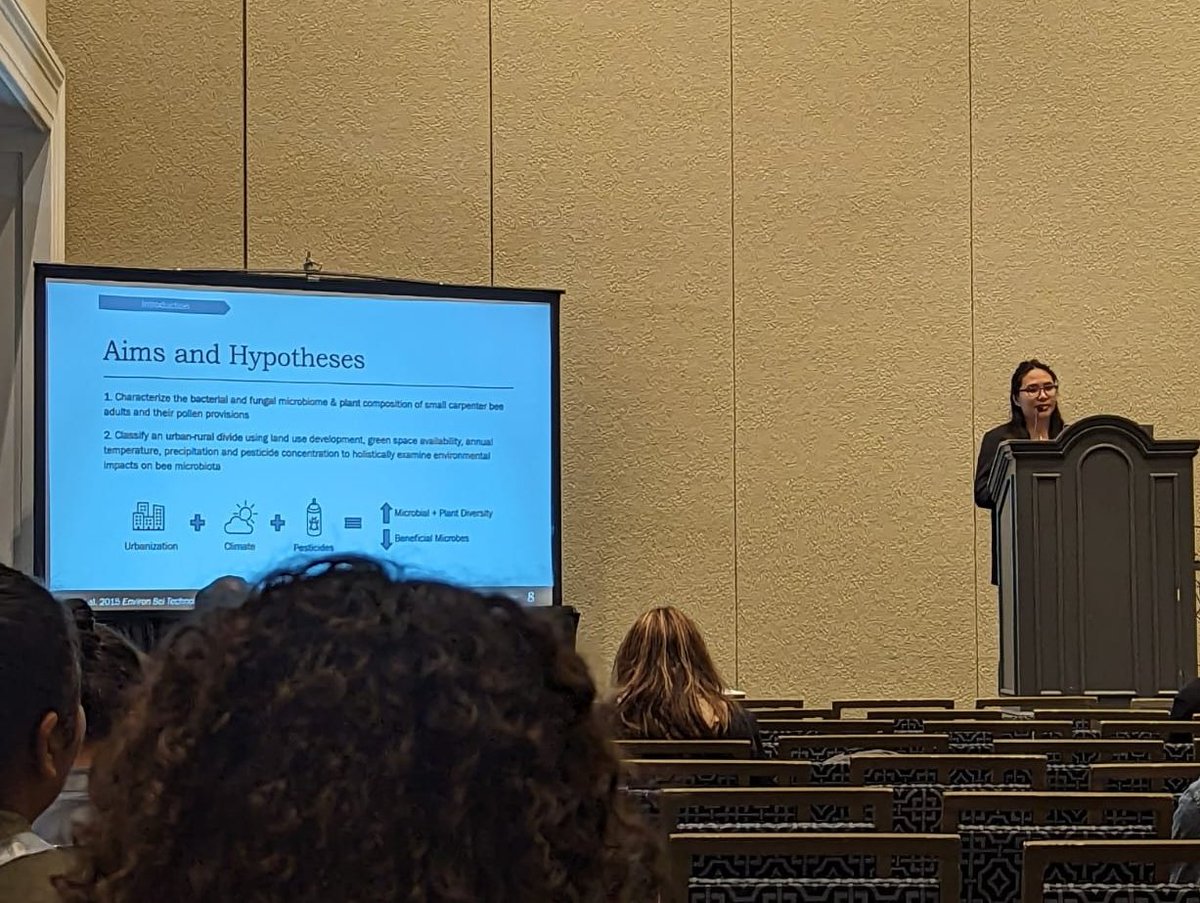
Thankful for all the amazing people I met and learned from this week in Washington, DC at Entomology 2023! Also happy to have received second place in the student competition for P-IE Climate Change ☺️ 🐝
Cindy Phuong Nguyen @CindyPNguyen discusses how urban centres should consider the impact of growing cities on their pollinators’ health and protect #wildbees from the effects of anthropogenic activities at #BeeCon@BeesYork@sanrehan#YUResearch
Sandara Brasil @sandarab discusses museomics: a powerful tool to understand #wildbees’ genetic responses to climate and land use change. Their study highlights the use of museomics to understand threats to carpenter bee species populations. @sanrehan@BeesYork#BeeCon
Solitary bees get their microbiome from the environment where they forge, rather than inheriting it from their nest mates like social bees, found @YorkUScience Prof Sandra Rehan @sanrehan, meaning the local environment plays a pivotal role in their health https://t.co/gdZp1vY3dP
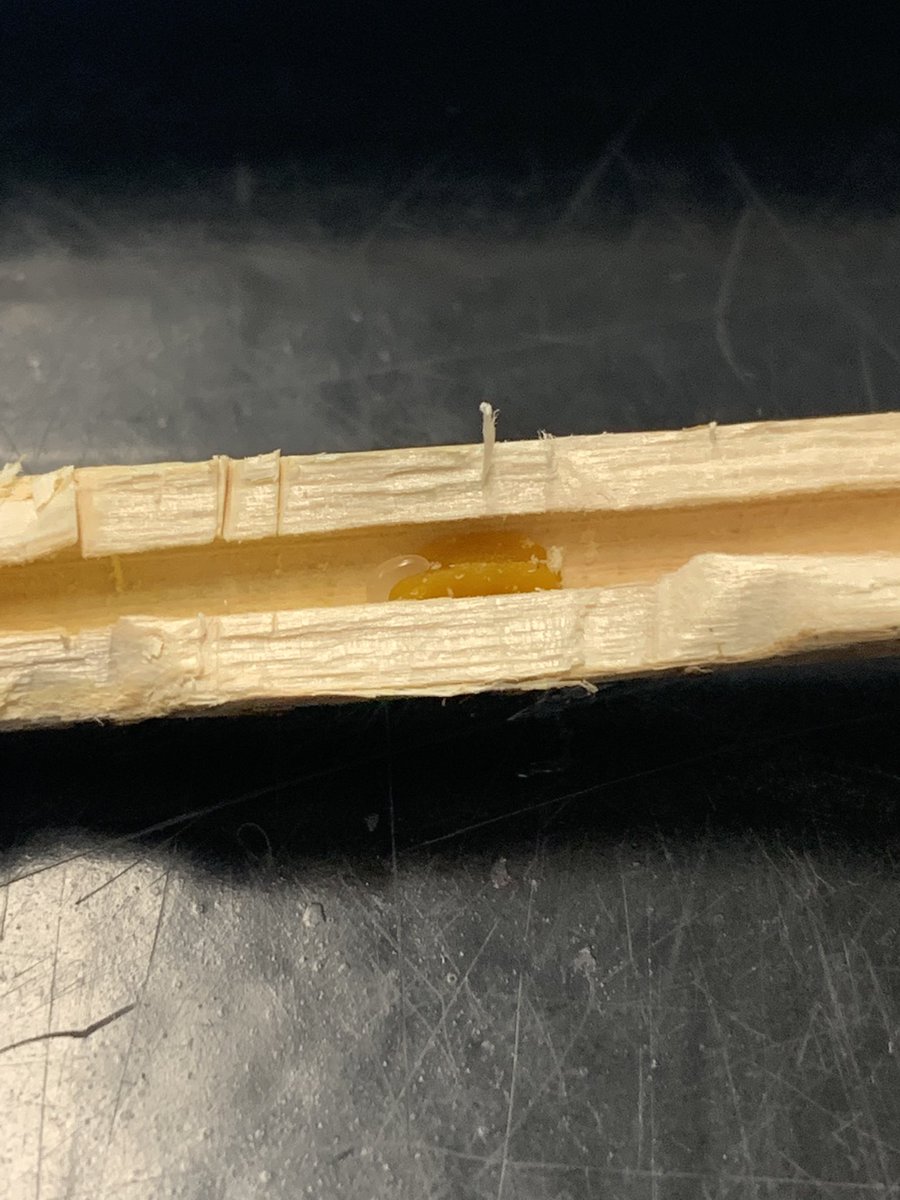
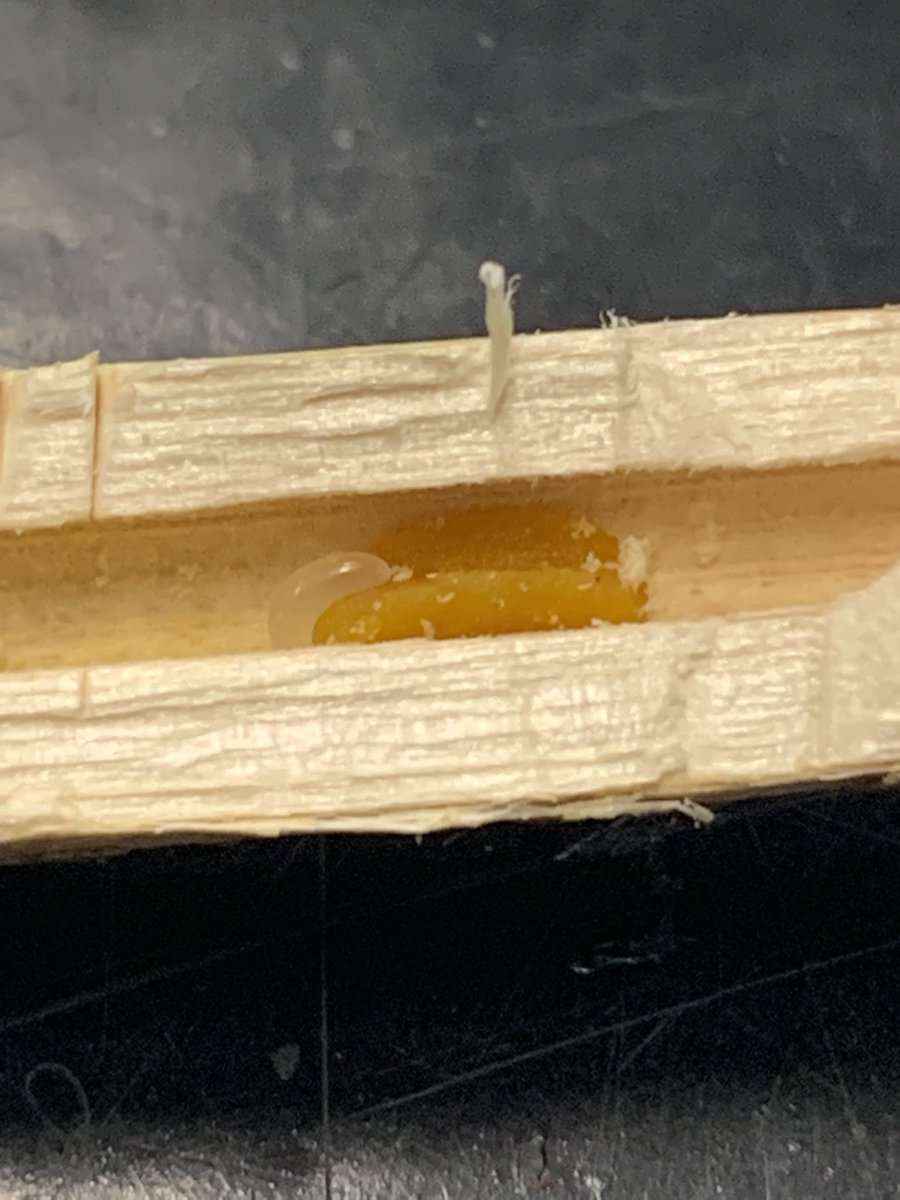
New paper: Developmental microbiome of the small carpenter bee, Ceratina calcarata https://t.co/SV2QBBR5LG Congrats on your first paper @CindyPNguyen 🐝 @WestonFamilyFdn@NSERC_CRSNG